
How Do You Clean Algae From Pool Walls Safely?

Scrub the walls, then shock the water. Algae coats itself in a slippery shield that keeps pool chemicals from reaching it. A stiff brush helps break that protective barrier so a heavy dose of chlorine can kill the exposed spores. Once the growth lets go of the surface, running your pool pump pushes the floating debris straight into the filter before it can take root somewhere else.
The exact routine depends on your specific setup. Smooth vinyl and fiberglass require gentle nylon bristles to avoid costly tears, while hard concrete can take wire brushes. Different algae types also put up different fights, with yellow mustard patches and dark spots demanding far more sanitizer than common green film. Water chemistry matters just as much, because chlorine will not work properly if the water balance drifts. Here is the safest order of steps to wipe out wall algae for good.
Chemicals alone fail because algae builds a protective coat
Algae does not simply float around like loose dust in your pool water. It anchors firmly into microscopic pores, rough plaster patches, tile grout, and vinyl liner seams. Once attached, it secretes a sticky, jelly-like outer shell known as a biofilm.
This slimy shield acts like a raincoat against pool chemicals. If you pour shock directly into the water without brushing first, the chlorine rolls right over that protective coat. The chemical might burn away a thin layer on top, but the root structure and spores underneath stay alive. Within two days, the green patches return in the exact same spots.
Brushing physically tears this protective shield apart. As the bristles scrape across the wall, they rip the algae loose and push it out into open water. When the algae cells float freely, they no longer have their protective armor. The chlorine can touch every side of each individual cell and destroy it immediately.
You also cannot rely entirely on an automated cleaner to clear an active wall bloom. A robotic cleaner or suction-side unit is great for daily upkeep, but soft rubber rollers or silicone tracks cannot apply the focused downward pressure needed to scrape away clinging wall biofilm. Heavy algae blooms require manual effort with a hand brush attached to a rigid pole.
Your pool wall surface dictates the safest brush bristle
Using the wrong brush bristle can permanently ruin your pool finish. Match your tool to your specific pool wall material to avoid surface damage.
Vinyl liners require nylon bristles and gentle handling. Metal bristles will scratch, gouge, or tear a vinyl sheet, causing expensive leaks behind the wall. Choose soft or medium nylon bristles and look for brush heads with rounded plastic edges or rubber bumpers to avoid catching liner seams.
Fiberglass pools also demand soft nylon bristles. While fiberglass is sturdy, its slick gelcoat surface scratches easily under metal bristles. Scratches dull the finish and create tiny microscopic grooves where algae can anchor even deeper.
Concrete and gunite surfaces can handle tough steel. These rough plaster finishes let algae roots dig deep into tiny crevices. Green algae might wipe away with stiff nylon, but tough mustard and black algae require heavy scrubbing. A stainless steel brush or a hybrid head with steel and nylon bristles provides the scraping force needed to scour plaster clean.
Pebble aggregate finishes, such as Pebble Tec, need heavy-duty nylon. Rough pebble surfaces are durable, but stiff metal bristles can dislodge loose stones over time. Stiff nylon provides enough backbone to clean around pebbles without loosening the plaster bed.
Follow five orderly steps to scrub and kill algae
To clear pool walls quickly, you need to follow the exact right sequence. Skipping ahead or adding chemicals out of order wastes money and lets algae survive.
- Check and balance the water chemistry: Chlorine cannot work effectively if your water balance is off. High pH is the most common reason pool shock fails to clear green walls. When pH rises above 7.6, chlorine becomes sluggish and loses more than half of its sanitizing power. Check your water chemistry and add a pH decreaser until your pH sits between 7.2 and 7.4. Lowering the pH right before a shock treatment makes the sanitizer significantly more aggressive against stubborn algae spores.
- Scrub every square foot of the pool walls: Snap your brush head securely onto a sturdy telescoping pole. Walk around the pool edge, starting at the waterline (the tile border where water meets the pool wall). Push the brush firmly downward toward the bottom slope, overlapping each stroke by several inches. Pay close attention to blind spots where water circulation is sluggish. Scrub behind ladder steps, underneath plastic handrails, around underwater light niches, and along step corners. Scrubbing will turn your clear water into a cloudy, murky soup. That is a great sign because it proves the algae is no longer glued to the walls and is now floating in the water.
- Add pool shock in the evening: Always wait until the sun goes down before adding pool shock (a high dose of chlorine to kill contaminants). Direct sunlight burns off free chlorine rapidly, which drains its power before it can kill the algae floating in your pool. Use calcium hypochlorite or liquid chlorine for fast results. For light wall slime, double your standard maintenance shock dose. For thick green growth or stubborn yellow patches, apply a triple dose. If you use liquid shock, walk slowly around the edge and pour it directly into the water above the return jets. If you use granular shock on a vinyl liner, pre-dissolve the granules in a five-gallon bucket of pool water first so undissolved chemical crystals do not sink to the bottom and bleach the vinyl floor.
- Run the pump continuously for twenty-four hours: Keep your pool pump running day and night during treatment. Moving water distributes the high chlorine levels through every corner of the pool. As water circulates, it pulls suspended algae into the filter tank, where the media traps the dead particles.
- Give the walls a second brush the next morning: Twelve hours after shocking, inspect the walls. If you see remaining green streaks or slick spots, brush the walls again. Surviving algae cells will try to stick back onto surfaces as chlorine levels slowly settle. A second pass knocks these weak survivors back into the chemical crossfire.
Vacuum dead algae directly to waste to protect filters
Once chlorine kills the algae, the water shifts from cloudy green to a dull gray or light blue. Dead algae cells lose their grip, sink, and form a thick gray dust across the floor. You must vacuum this debris out completely before it breaks down and clouds the water again.
Whenever possible, use the vacuum to waste setting on your filter. Vacuum to waste means pumping dirty water directly down the drain or through a backwash hose, bypassing the filter tank entirely. Dead algae particles are microscopic. If you vacuum through a sand or diatomaceous earth filter on its normal setting, fine dust can pass right through the filter media and blow straight back into the pool through the return jets.
To vacuum to waste safely, top off the pool water level first. Put a garden hose into the pool and raise the water line several inches above normal, since this setting drains water quickly. You do not want the water line to drop below the skimmer mouth, which could run the pump dry and pull in air.
Move the vacuum head slowly across the floor. Moving too fast stirs up dead algae into a cloud before the suction can capture it. If suction suddenly drops, stop and check the pump strainer basket. Knowing how to unclog a pool pump and restore water flow will keep your cleanup moving without straining the motor.
If you have a cartridge filter that lacks a waste setting, vacuum through the filter and rinse the cartridge frequently with a garden hose. Spores also cling inside ribbed vacuum hoses, so review how to clean algae from a pool hose safely before packing your gear away.
Balanced water chemistry and regular brushing prevent wall regrowth
Preventing wall algae from returning is far easier than fighting a full bloom. Algae only takes hold when sanitizer drops and water sits stagnant.
Keep free chlorine steady between two and four parts per million at all times. Never let chlorine hit zero, especially during hot summer weeks or after heavy rainstorms. Rain washes organic debris into the pool, dilutes sanitizer, and shifts your pH balance, creating ideal conditions for algae to flourish overnight.
Brush pool walls once a week as part of your regular maintenance routine. Even when the pool looks clear, a fine layer of dust and organic film continuously forms on walls. A ten-minute brush disrupts early biofilm and pushes settling spores into the circulation stream before you can even see them.
Run the circulation pump for eight to twelve hours daily during swim season. Moving water prevents stagnant pockets where algae thrives. Aim return jets slightly downward in a circular pattern around the pool to keep water sweeping across the walls toward the skimmer.
Watch out for outside contamination. Bathing suits, floats, and toys used in natural lakes carry wild algae spores. Rinse outside gear in fresh, chlorinated water before bringing it into your pool.
Choose sturdy manual brushes and preventative algaecides with care
When selecting cleaning gear for wall algae, prioritize durability and surface safety. A wide brush head, around eighteen inches across, speeds up maintenance by covering more surface with each stroke. Look for brush heads with a reinforced aluminum back rather than all-plastic frames. Aluminum backing keeps the brush rigid when you push hard against deep walls. Ensure the brush uses sturdy push pins that lock firmly into standard poles without slipping.
Pair your brush with the right preventative chemicals. Adding an algaecide (a chemical that kills or prevents algae) creates a backup barrier during hot weather. Choose non-foaming algaecide formulas that will not create suds or cloud the surface. Long-lasting copper or polymer formulas help prevent yellow and green algae, while drop-in mineral units inside the pump basket offer continuous defense for several months.
Automated cleaners also help maintain clean surfaces after manual scrubbing clears the bloom. A robotic cleaner (a self-powered unit with its own internal debris basket) equipped with soft rubber tracks can climb walls and scrub the waterline daily. For electrical safety, always plug automated units into an outdoor GFCI outlet (a protected ground-fault outlet with a weatherproof cover) and keep the control box at least 10 feet back from the pool edge. Never swim while a cleaner is running, and turn off the circulation pump before disconnecting suction hoses to prevent hand injuries.

- VC Score9.4
BCP Score is a ranking system developed by bestcleanerproducts.com. BCP Score has no relationship or impact from any manufacturers or sales agent websites. Learn more
- BrandRegal
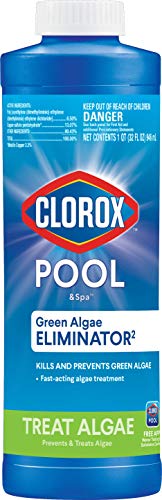
- VC Score9.2
BCP Score is a ranking system developed by bestcleanerproducts.com. BCP Score has no relationship or impact from any manufacturers or sales agent websites. Learn more
- BrandClorox Pool & Spa
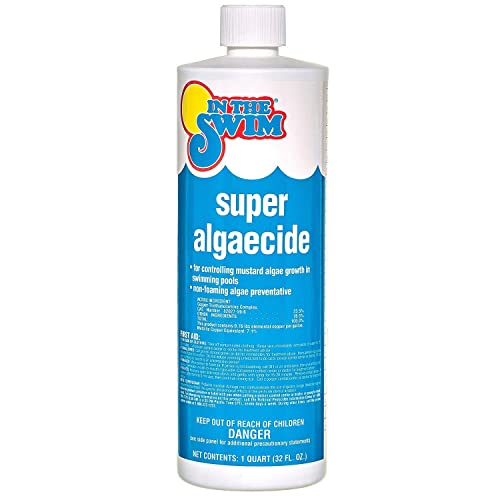
- VC Score9.2
BCP Score is a ranking system developed by bestcleanerproducts.com. BCP Score has no relationship or impact from any manufacturers or sales agent websites. Learn more
- BrandIn The Swim

- VC Score9.0
BCP Score is a ranking system developed by bestcleanerproducts.com. BCP Score has no relationship or impact from any manufacturers or sales agent websites. Learn more
- BrandUnited Chemical

- VC Score8.8
BCP Score is a ranking system developed by bestcleanerproducts.com. BCP Score has no relationship or impact from any manufacturers or sales agent websites. Learn more
- Brandpoolrx

- VC Score8.6
BCP Score is a ranking system developed by bestcleanerproducts.com. BCP Score has no relationship or impact from any manufacturers or sales agent websites. Learn more
- BrandFLY HAWK

- VC Score8.2
BCP Score is a ranking system developed by bestcleanerproducts.com. BCP Score has no relationship or impact from any manufacturers or sales agent websites. Learn more
- BrandCoral Seas
Last update on 2026-10-08 / Affiliate links / Images, Product Titles, and Product Highlights from Amazon Product Advertising API


How to Refinish a Fiberglass Pool

How Do You Keep Raccoons Out of Your Pool?

How to Fix Cyanuric Acid in Your Pool

How to Shape a Pool Cue Tip to Stop Miscues

12 Best Automatic Vacuum For Intex Above Ground Pool of 2026 To Keep Vinyl Floors Spotless

10 Best Automatic Pool Vacuum For Above Ground Pool of 2026 To End Manual Scrubbing

How Much Pool Clarifier Should You Use for Your Pool Size?

How Much Does a Pebble Tec Pool Cost to Build or Resurface?


