
How To Safely Raise Your Pool Chlorine Level?

Most pool owners assume dropping a few tablets into a floater will quickly fix depleted sanitizer levels, but slow pucks melt far too slowly to rescue cloudy water. The actual fix is to add liquid pool chlorine or dissolved powder shock directly to the deep end while the filter pump runs.
The exact amount needed depends on the total water volume in gallons and how far the active chlorine reading has dropped below normal. Sunlight also matters, because water needs stabilizer (a built-in sunscreen for chlorine) so the afternoon rays do not burn the chemical away in hours. Measuring these factors first prevents bleached pool liners and ensures the water stays safe for an afternoon swim.

- VC Score9.4
BCP Score is a ranking system developed by bestcleanerproducts.com. BCP Score has no relationship or impact from any manufacturers or sales agent websites. Learn more
- BrandClorox
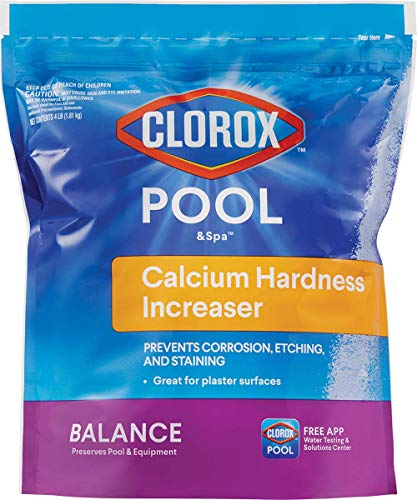
- VC Score9.4
BCP Score is a ranking system developed by bestcleanerproducts.com. BCP Score has no relationship or impact from any manufacturers or sales agent websites. Learn more
- BrandClorox

- VC Score9.4
BCP Score is a ranking system developed by bestcleanerproducts.com. BCP Score has no relationship or impact from any manufacturers or sales agent websites. Learn more
- BrandClorox

- VC Score9.2
BCP Score is a ranking system developed by bestcleanerproducts.com. BCP Score has no relationship or impact from any manufacturers or sales agent websites. Learn more
- BrandIn The Swim

- VC Score9.2
BCP Score is a ranking system developed by bestcleanerproducts.com. BCP Score has no relationship or impact from any manufacturers or sales agent websites. Learn more
- BrandPool Mate

- VC Score9.0
BCP Score is a ranking system developed by bestcleanerproducts.com. BCP Score has no relationship or impact from any manufacturers or sales agent websites. Learn more
- BrandCPDI
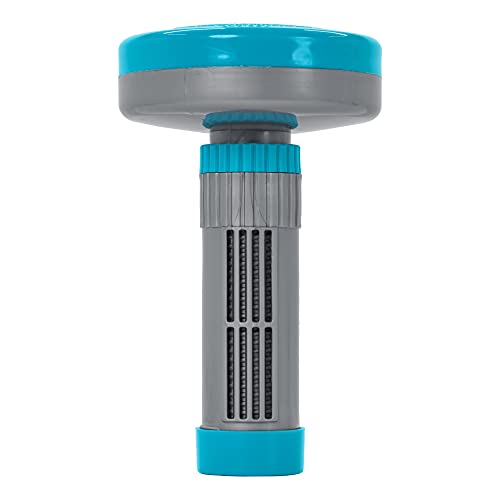
- VC Score9.0
BCP Score is a ranking system developed by bestcleanerproducts.com. BCP Score has no relationship or impact from any manufacturers or sales agent websites. Learn more
- BrandU.S. Pool Supply
Last update on 2023-07-04 / Affiliate links / Images, Product Titles, and Product Highlights from Amazon Product Advertising API
Grasping the Basics: Why Chlorine Levels Matter
Diving into the clear blue water of your pool is a joy, but keeping it that way requires understanding of a few fundamental principles. The foremost among them is recognizing the crucial role chlorine plays in maintaining pool hygiene. Chlorine is a sanitizing agent that kills bacteria and other microorganisms, ensuring a safe and clean environment for your swim. A deficiency in chlorine levels could lead to cloudy water, algae growth, and worst of all, an unsafe environment for swimmers due to the presence of bacteria and other pathogens. Hence, mastering the skill of raising pool chlorine levels is vital for every pool owner.
Recognizing the Signs: Low Chlorine Levels
Knowing when to increase your pool's chlorine level is equally important as understanding why it needs to be done. The most obvious sign of low chlorine is the presence of algae or cloudy water. Other indicators may include a strong chlorine smell, which, contrary to common belief, suggests the presence of chloramines and signals a low effective chlorine level. An eye irritation following a swim is another hint that your pool's chlorine is not sufficient to fight off the bacteria.
Testing Pool Water: First Step in Raising Chlorine Levels
The first step towards raising pool chlorine levels is accurate testing. Pool water testing kits are readily available and are essential for maintaining the health and cleanliness of your pool. These kits measure the free available chlorine, which is the amount of chlorine available to sanitize your pool. Regular testing, ideally daily, helps maintain an optimal level of chlorine in your pool and ensures that the water is safe for swimming.
Methods to Increase Pool Chlorine Levels
Once you have determined that your pool's chlorine level is insufficient, the next step is to rectify it. There are multiple ways to increase chlorine levels in your pool. Traditional chlorination involves the use of chlorine tablets or liquid chlorine. Alternatively, you can use a saltwater chlorinator, which creates chlorine from salt. Another method is to use pool shock treatments, which offer a high dose of chlorine to quickly raise the levels. Each of these methods has its pros and cons, and your choice would depend on the specifics of your pool and your personal preference.
Balancing Act: Avoiding Overchlorination
While understanding how to raise pool chlorine levels is crucial, it's equally important to avoid overchlorination. Excessive chlorine can lead to skin and eye irritation and potentially damage your pool equipment. Regular testing is vital here too, as it allows you to closely monitor the chlorine levels and make necessary adjustments. Maintaining a balanced pool is not just about adding chemicals, but also about ensuring that these chemicals are in the right proportions.
Maintaining Optimal Chlorine Levels: A Continuous Process
Raising your pool's chlorine level is not a one-time task. It's a continuous process that requires regular testing and adjustments. Factors such as weather, pool usage, and temperature can affect chlorine levels, making regular maintenance essential. With the right knowledge, tools, and a bit of patience, you can ensure that your pool remains a safe and enjoyable place for all.
Continue reading:
- How To Add Chlorine Tablets To Pool Buying Guides
- How To Fix Pool Skimmer Leak Reviews


How to Refinish a Fiberglass Pool

How Do You Keep Raccoons Out of Your Pool?

How to Fix Cyanuric Acid in Your Pool

How to Shape a Pool Cue Tip to Stop Miscues

12 Best Automatic Vacuum For Intex Above Ground Pool of 2026 To Keep Vinyl Floors Spotless

10 Best Automatic Pool Vacuum For Above Ground Pool of 2026 To End Manual Scrubbing

How Much Pool Clarifier Should You Use for Your Pool Size?

How Much Does a Pebble Tec Pool Cost to Build or Resurface?


