
How to Repair Cracks in a Concrete Pool Without Draining It

Slide a fingernail across the crack to feel how wide and deep it runs. Checking the depth first matters because shallow surface splits can be sealed right under the water with moldable epoxy putty, keeping you from draining the pool. This hand-kneaded repair compound cures rock-hard underwater and stops minor leaks before they can wash away soil beneath the shell.
The right fix depends on the depth of the damage and whether the concrete is still moving. Fine webbed lines in the smooth plaster layer are simple cosmetic fixes. Wide cracks that run through the thick concrete shell or continue to spread point to shifting ground, which calls for heavy-duty structural reinforcement. Here is how to tell what kind of break you have and patch it safely.
Inspect the crack closely before deciding whether to drain or patch
Before you grab tools or buy supplies, take a slow look at what kind of crack you have. Inground concrete pools have two distinct layers. The thick outer shell is made of gunite (a sprayed concrete pool shell that forms the structural bowl in the ground). Over that rough concrete sits the plaster (a smooth waterproof top layer spread across the shell to keep water in and create a smooth finish). Knowing which layer has cracked tells you whether you have a simple weekend patch job or a serious structural problem.
Most thin cracks are cosmetic blemishes in the plaster called crazing (fine web-like surface hairline cracks that appear as plaster cures or weathers). Crazing looks like fine spiderwebs or shattered porcelain. These tiny surface fissures do not go through to the concrete shell, and they rarely leak water. You can safely leave cosmetic crazing alone or buff it smooth during a future remodel.
A true structural crack runs completely through the plaster and penetrates deep into the concrete shell. These cracks are usually straight, wide, and continuous across large areas of the floor or wall. You may also see rust stains bleeding through the crack line, which means water has reached the steel reinforcement bars inside the concrete.
Confirm whether the crack is actively leaking water before you start any repair. Turn off your pool circulation pump so the water settles completely. Put on a dive mask, swim down to the crack with a small bottle of dark food coloring, and squirt a tiny cloud of dye right next to the crack seam. If the colored dye drifts aimlessly in the water, the crack is dormant and sealed. If the crack pulls the ribbon of dye inside like an open drain, you have an active leak that requires sealing.
Never drain your concrete pool to fix a crack unless a licensed pool builder tells you it is safe. Emptying an inground concrete pool removes thousands of pounds of water weight. If the ground around your yard is damp, underground water pressure can lift the entire concrete bowl out of the ground like a boat, cracking plumbing lines and destroying your pool deck.
Seal underwater plaster cracks with two-part epoxy putty
You do not need to lower your pool water level to seal minor cracks in the plaster. A moldable two-part waterproof repair stick (epoxy putty) cures fully submerged in pool water. It stays in place without sagging, hardens like rock, and seals small leaks directly under water. Follow these steps to apply it correctly:
- Shut down your pool equipment. Switch off your main circulation pump and remove any cleaning equipment from the water. Keep any power supply unit at least 10 feet back from the pool edge, and unplug it from the outdoor GFCI outlet (a protected ground-fault outlet with a weatherproof cover). Never work in the pool while pool cleaners or power cords remain plugged in.
- Clean the crack surface underwater. Put on a dive mask or goggles. Take a flat-blade putty knife or a stiff wire brush and scrape away loose plaster flakes, algae, and calcium deposits around the crack edges. The epoxy putty needs a clean, rough surface to bond properly.
- Cut and mix the epoxy putty. Work on the pool deck with dry hands. Cut off equal portions of the resin and hardener from the two-part stick. Knead the putty firmly between your fingers for two to three minutes. Continue mixing until the two parts blend into one uniform color with no streaks remaining.
- Shape the mixed putty into a ribbon. Roll the blended putty between your palms to form a long rope or pencil-thick snake. Match the length of the putty ribbon to the section of the crack you plan to patch on that dive.
- Press the putty deep into the crack. Dive down to the repair spot. Push the putty ribbon firmly into the crack with your thumbs, forcing the material deep into the opening rather than just laying it across the surface. Feather the edges flat against the surrounding plaster with your fingers or a plastic putty knife so the patch stays flush.
- Allow the putty to cure undisturbed. The underwater putty will begin firming up within minutes and cures completely over the next 24 hours. Leave your pool circulation pump turned off for at least four hours so strong water currents do not disturb the uncured compound.
Use fast-setting hydraulic cement for dry cracks above the waterline
When you have a crack located above the waterline (the tile border where water meets the pool wall), hydraulic cement is your best option. Hydraulic cement is a fast-setting waterproof powder patch that expands slightly as it cures, creating a tight mechanical seal inside concrete seams. Use these steps to patch dry cracks along the upper pool walls or skimmer throat:
- Chisel the crack into a backward groove. Use a small cold chisel and hammer to widen the crack opening to at least a quarter-inch wide and a quarter-inch deep. Cut the edges straight down or undercut them into a backward-angled dovetail shape. Never leave the crack as a shallow V-shape, because expanding cement will simply slide out of an angled groove.
- Clear out all dust and dampen the concrete. Use a stiff nylon brush to sweep away loose concrete crumbs, sand, and dust. Splash clean water onto the opened groove to dampen the concrete. Wetting the concrete prevents dry masonry from pulling water out of your cement mix too quickly.
- Mix a small amount of hydraulic cement. Pour a small portion of hydraulic cement powder into a clean plastic container and stir in clean water according to the package directions. Mix only as much compound as you can apply in three minutes, because hydraulic cement sets in three to five minutes.
- Pack the cement into the groove. Scoop the mixed cement with a margin trowel or gloved hands. Push the cement into the crack opening with firm pressure, packing it tightly from the back of the groove out to the surface.
- Hold continuous pressure and shave the patch flush. Hold your trowel or gloved palm against the fresh patch for two to three minutes until the cement turns hard. Once the patch is firm, use the edge of your trowel to shave away any extra material until the patch sits level with your wall.
Clean and widen the crack groove so your patch stays locked in place
Most DIY pool patches fail within a few months because of surface prep mistakes rather than bad materials. Check these points before pressing any compound into place:
- Do not skim over a V-shaped crack: A crack that narrows to a point at the surface has no mechanical grip. Always chisel or file the crack edges so the sides are square or slightly undercut.
- Scrape away all algae and slick biofilm: Underwater epoxy cannot stick to greasy algae or mineral buildup. Scrub the surrounding plaster with a rough scouring pad until you feel the bare plaster texture under your fingertips.
- Knead your two-part epoxy completely: If you stop kneading while you still see distinct swirls of color, the epoxy will not cure to full hardness. It will remain gummy and wash away under pool water currents.
- Avoid turning strong water jets back on immediately: High-pressure water from pool return jets can lift the edges of fresh putty before it cures. Keep your pump speed low or aim return eyeballs away from the fresh patch for the first 24 hours.
- Balance your pool chemistry after the repair: Highly acidic water can dissolve fresh cement patches and chew through pool plaster. Check your water chemistry regularly, and follow safe guidelines to raise the pH of your pool if your readings drop below the recommended range.
Call a licensed pool contractor if you spot signs of structural movement
DIY putties and hydraulic cements are temporary surface seals designed for minor cracks. They cannot hold a shifting pool shell together. If your pool exhibits any of the following warning signs, stop patching and contact a licensed pool contractor or structural engineer:
- The crack is wider than a quarter inch: Gaps wider than a pencil indicate major ground settlement or soil movement behind the concrete wall.
- One side of the crack is higher than the other: Run your hand across the crack line. If one side sticks out past the other, the concrete shell has sheared. Putting putty over a sheared wall will fail as the soil continues to push.
- The crack runs continuously from pool deck to floor: Cracks that slice straight through the pool deck, tear through the tile line, and continue down across the floor point to foundation failure.
- Rust stains continue spreading along the seam: Rust indicates that water has corroded the steel rebar cage inside the shell. Corroded steel expands, blowing chunks of concrete off from the inside out.
- Your pool loses more than an inch of water daily: Rapid water loss washes away supporting soil beneath the floor, creating hollow pockets that can cause the entire pool bowl to crack in half.
A professional contractor uses heavy-duty structural repair methods that DIY products cannot match. These methods include drilling carbon fiber or high-tensile steel staples across the crack every 12 inches to lock the concrete halves together, followed by injecting high-pressure polyurethane or structural epoxy deep into the foundation shell.
Choose a durable underwater patching compound suited to your pool surface
Selecting the right repair material depends on whether your crack sits above or below the waterline, along with your pool's specific plaster color. For submerged cracks on the pool floor or walls, look for a specialized two-part underwater epoxy putty stick. Check that the packaging states it cures underwater without shrinking or sagging. Most underwater putties come in standard white to blend with white pool plaster, but gray versions are available for gunite, dark quartz, or exposed aggregate finishes.
Take extra care with your pool maintenance routine after applying any repair material. If you use a robotic cleaner (a self-powered unit with its own internal debris basket) or a suction-side cleaner (which attaches to your pool skimmer or dedicated vacuum port and uses your pool pump's suction), remove it from the pool while your patch cures. Heavy rubber tracks or drive wheels can roll across the repair seam, grab the edge of uncured epoxy, and peel the putty right out of the crack groove.
Finally, inspect every patched area when you get ready to close an inground pool for winter. Freezing groundwater can push against the outside of your pool shell while surface ice expands inside, putting extra stress on existing seams. Addressing minor hairline cracks with durable epoxy before the cold season arrives prevents small fissures from expanding into costly structural breaks by spring.

- VC Score9.2
BCP Score is a ranking system developed by bestcleanerproducts.com. BCP Score has no relationship or impact from any manufacturers or sales agent websites. Learn more
- BrandEpoxybond Pool Putty
- VC Score9.2
BCP Score is a ranking system developed by bestcleanerproducts.com. BCP Score has no relationship or impact from any manufacturers or sales agent websites. Learn more
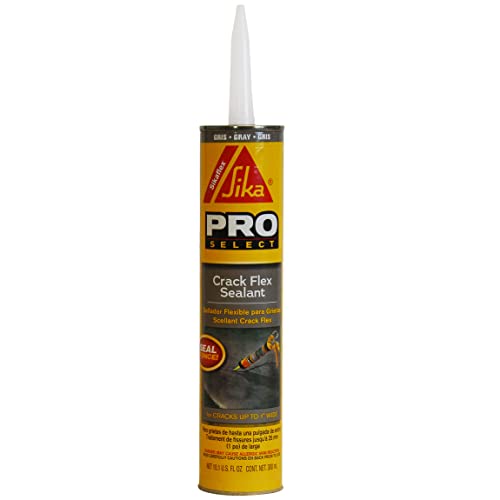
- BrandSIKA
- VC Score9.0
BCP Score is a ranking system developed by bestcleanerproducts.com. BCP Score has no relationship or impact from any manufacturers or sales agent websites. Learn more
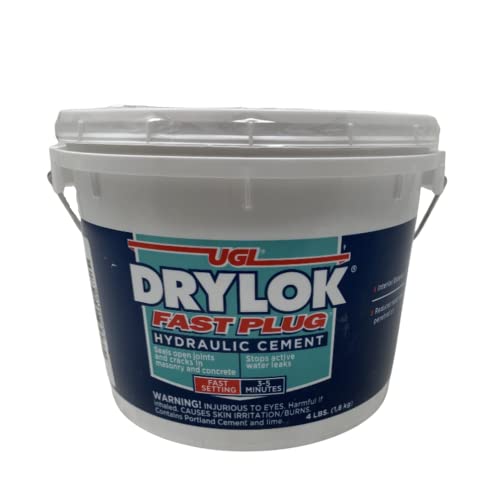
- BrandDrylok

- VC Score8.8
BCP Score is a ranking system developed by bestcleanerproducts.com. BCP Score has no relationship or impact from any manufacturers or sales agent websites. Learn more
- BrandSIKA
- VC Score8.8
BCP Score is a ranking system developed by bestcleanerproducts.com. BCP Score has no relationship or impact from any manufacturers or sales agent websites. Learn more
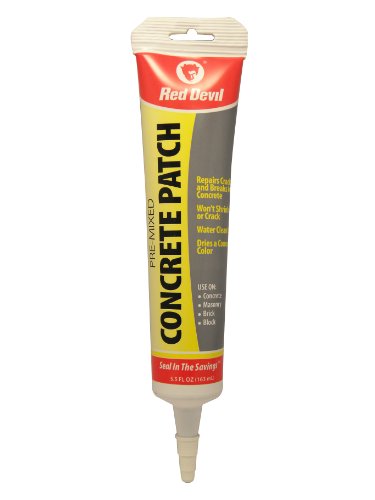
- BrandRed Devil
- VC Score8.6
BCP Score is a ranking system developed by bestcleanerproducts.com. BCP Score has no relationship or impact from any manufacturers or sales agent websites. Learn more
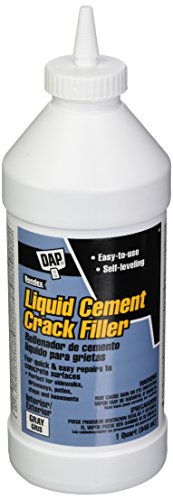
- BrandDAP

- VC Score8.0
BCP Score is a ranking system developed by bestcleanerproducts.com. BCP Score has no relationship or impact from any manufacturers or sales agent websites. Learn more
- BrandPENTA USA KITCHEN & BATH ALL FAUCETS-ACCESSORIES

- VC Score8.0
BCP Score is a ranking system developed by bestcleanerproducts.com. BCP Score has no relationship or impact from any manufacturers or sales agent websites. Learn more
- Brand3M

- VC Score6.8
BCP Score is a ranking system developed by bestcleanerproducts.com. BCP Score has no relationship or impact from any manufacturers or sales agent websites. Learn more
- BrandGetSet2Save
Last update on 2026-10-08 / Affiliate links / Images, Product Titles, and Product Highlights from Amazon Product Advertising API
FAQs
Can I repair a concrete pool crack without lowering the water level?
Yes, you can seal minor hairline plaster cracks without lowering the water by using a specialized two-part underwater epoxy putty. These moldable putties are formulated to mix on your pool deck, apply underwater, and cure fully submerged without shrinking or washing away. However, wide structural cracks through the concrete shell require professional staples and high-pressure injections that often require draining the pool under controlled conditions.
Will silicone caulk hold up against pool water inside a crack?
Standard household silicone caulk should not be used to fix pool cracks below the waterline. Pool water contains chlorine and sanitizing chemicals that break down standard silicone, causing it to loosen and peel away within weeks. Always use a moldable two-part epoxy putty designed for underwater pool service or a hydraulic cement designed for masonry water containment.
How long does an underwater epoxy pool patch usually last?
A properly applied underwater epoxy patch in a dormant plaster crack can last several years without leaking. Its lifespan depends entirely on whether the crack remains stable and how well you cleaned the groove before applying the putty. If the pool shell shifts due to soil movement or expansive clay, the crack will continue to open and break the epoxy seal.
Can an automatic pool cleaner pull off an underwater patch?
An automatic pool cleaner can peel off a fresh patch if you run the cleaner before the putty has completely hardened. The scrubbing brushes, rubber tracks, or drive wheels on robotic and suction cleaners create strong friction as they climb walls and roll across floors. Keep all automatic pool cleaners out of the water for at least 24 hours after applying any underwater repair putty.

How to Refinish a Fiberglass Pool

How Do You Keep Raccoons Out of Your Pool?

How to Fix Cyanuric Acid in Your Pool

How to Shape a Pool Cue Tip to Stop Miscues

12 Best Automatic Vacuum For Intex Above Ground Pool of 2026 To Keep Vinyl Floors Spotless

10 Best Automatic Pool Vacuum For Above Ground Pool of 2026 To End Manual Scrubbing

How Much Pool Clarifier Should You Use for Your Pool Size?

How Much Does a Pebble Tec Pool Cost to Build or Resurface?








