
How to Cool an Above Ground Pool Overnight

Attach a simple fountain or sprayer to the pool return jet tonight and let the pump run after dark. Shooting warm water into cooler night air lets heat escape through evaporation, making overnight aeration the most effective way to drop the water temperature without buying a costly chiller. Pulling off any solar covers before sundown is just as important, since plastic bubble covers trap heat like a greenhouse lid.
How much the water cools depends on your climate and equipment. Dry, breezy night air pulls out heat far better than humid air, and the process requires running the pump until sunrise. The pool also needs a standard threaded return jet (the wall fitting that pushes clean water back in) to attach the sprayer. Here is how to set up the system and keep the water refreshing all summer.
Understand Why Above Ground Pools Heat Up Like a Teapot
Above ground pools act very differently from in-ground pools during hot summer months. In-ground pools are surrounded by dense soil that absorbs excess heat and keeps water cooler. An above ground pool sits completely exposed to the open air. The thin metal, resin, or vinyl walls get hit directly by baking sun and hot breezes from every direction.
Because most above ground pools have a depth of only four or five feet, sunlight easily penetrates all the way to the pool floor. The pool water acts like a heat sponge. Dark vinyl liners absorb solar rays, while hot ambient air constantly warms the outer wall panels. Within just two or three days of sunny, 90-degree weather, your water temperature can easily climb into the upper 80s or lower 90s.
At that point, jumping into the pool no longer feels refreshing. Instead of cooling you down, swimming feels like sitting in warm bathwater. Overheated water also creates serious chemical issues. High temperatures burn through free chlorine sanitizer twice as fast as normal. Hot water also creates ideal conditions for algae blooms and bacteria, turning clear water hazy or green in a matter of hours.
Set Up an Aerator Fountain to Run Overnight
Spraying pool water into the night air is the fastest, most affordable way to drop water temperature without buying an expensive electric chiller. This method relies on evaporative cooling, which simply means cooling water as fine droplets evaporate in the air. When your pool pump pushes water through an aerator or fountain attachment, the stream splits into thousands of tiny droplets.
As these droplets travel through the cooler night air, they release trapped heat directly into the atmosphere. A small portion of each droplet evaporates, which pulls heat away from the remaining water. The cooled droplets fall back into your pool, steadily bringing down the overall temperature. How much the water cools depends on your local nighttime temperature and humidity. Drier, cooler air drops the temperature the most, while muggy nights produce a slightly smaller drop.
Follow these steps to set up overnight aeration:
- Turn off your pool pump at the power switch to stop water flow before handling any fittings. If you run your pump on an outdoor extension cord, verify that your equipment connects to an outdoor GFCI outlet (a protected ground-fault outlet with a weatherproof cover) to keep electrical connections safe around water.
- Unscrew the directional eyeball nozzle from your return jet (the wall fitting that pushes clean water back into the pool). Place the plastic eyeball ring and fitting on your pool deck so you do not lose them.
- Thread your aerator or pool fountain directly into the 1.5-inch return jet opening. Hand-tighten the fitting until it feels snug. Never force the plastic threads or use metal pipe wrenches, which can crack the wall fitting.
- Angle the fountain head toward the center of the pool. You want the falling spray to land across the middle of the water surface rather than splashing over the pool rail onto your yard.
- Turn your pump back on and run it during the coldest hours of the night. Setting your pump timer to run between 10 PM and 6 AM takes full advantage of dropping overnight temperatures.
Running a fountain all night will cause a small amount of water loss through evaporation. You can check how much water a pool evaporates under typical conditions to keep track of your pool waterline and prevent your pump from running dry.
Pull Off the Solar Cover and Block Direct Daytime Sun
A solar cover (a bubble blanket that traps heat) is a great tool in late spring when you want to warm cold water. But leaving that blanket on during peak summer heat turns your pool into an oven. The plastic bubbles trap heat underneath, block air circulation, and stop natural evaporation from cooling the surface.
Use this quick checklist to manage pool covers and daytime shade:
- Remove your solar cover completely during hot spells and store it rolled up in a shaded shed or deck box.
- Hang triangle or rectangular shade sails over the south and west sides of your pool frame to block intense afternoon sun.
- Set up large patio umbrellas along your pool deck to cast moving shadows across the water during peak midday hours.
- Place tall potted shrubs or bamboo privacy screens along the sunniest edge of the yard to shield the pool wall from direct heat.
- Skim floating debris off the surface every morning. Leaves and bugs left floating on hot water absorb extra sun and break down into organic sludge. Learning how to get leaves out of a pool without clogging pipes keeps your skimmer clear so clean water flows freely through your filtration system.
Top Off with Cold Tap Water Instead of Dumping Ice
Every summer, pool owners wonder if dumping dozens of bags of store-bought ice into the pool will cool it down quickly. It sounds simple, but the math does not work. A standard 18-foot round above ground pool holds roughly 7,600 gallons of water. Dumping 100 pounds of ice into that much warm water drops the temperature by less than half a degree before melting away completely. You would spend hundreds of dollars on bags of ice just to get a brief drop that disappears within an hour.
Adding cold tap water from your garden hose or private well is much cheaper and far more practical. Ground water from an underground pipe usually sits between 50 and 65 degrees, depending on your region. Adding that cool water directly to your pool creates an immediate drop in water temperature without wasting money on ice.
To use tap water safely without overflowing your pool, follow these simple steps:
- Drain two or three inches of warm surface water using your filter backwash setting, a waste hose, or a small submersible pump.
- Never drain an above ground pool completely during summer heat. Empty vinyl pool liners can shrink, dry out, and tear under direct sunlight.
- Place your garden hose at the bottom of the pool and refill the water level back to the middle of the skimmer opening.
- Keep your pool pump running while refilling so the cold fresh water mixes thoroughly with the rest of the pool instead of settling at the bottom.
Test and Balance Your Water Chemistry Daily in Extreme Heat
High water temperatures quickly throw water chemistry out of balance. When pool water climbs above 85 degrees, free chlorine breaks down rapidly under the combination of heat and harsh sunlight. At the same time, warm water speeds up bacteria growth and allows green algae to multiply rapidly.
Follow this chemistry checklist during hot stretches:
- Check your free chlorine and pH levels every evening at dusk rather than at noon. Testing after sundown shows you how much active chlorine survived the daytime heat.
- Add liquid chlorine or granular shock after dark. Sunlight breaks down chlorine quickly, so nighttime shocking allows the sanitizer to clean the water for hours without fighting UV rays.
- Check your stabilizer (cyanuric acid) level to make sure it stays between 30 and 50 parts per million. Stabilizer protects your chlorine from rapid sun degradation.
- Brush your vinyl pool liner twice a week to remove slick biofilm before algae spores take hold. If hot weather catches you off guard and turns the water murky, knowing how to clean a brown pool without staining it helps restore water clarity safely.
- Keep your pump running to maintain steady water movement. Stagnant pockets of warm water in corners or on steps trigger algae blooms much faster than circulating water.
Pick the Right Aerator Attachment for Your Pool Wall Fitting
When shopping for cooling accessories, look for simple return-jet aerators and fountain attachments rather than costly mechanical chillers. While automatic pool cleaners do a great job scrubbing dirt and leaves from the floor, they do not lower water temperature. You need an accessory specifically designed to spray water into the air so it cools through evaporation.
Before choosing a fountain attachment, verify the thread size on your pool wall. Most above ground pools use a standard 1.5-inch threaded return jet, though some soft-sided frame pools use larger 2.2-inch fittings. Look for aerator kits that include threaded adapters so you can screw the unit directly into your existing wall port without buying extra plumbing parts.
Choose models with an adjustable spray nozzle or a dual-spray head. Dual-spray designs split your water return into two separate waterfalls, which exposes more water droplets to cool night air. Make sure the body uses durable, UV-resistant plastic so the fitting does not turn brittle or crack after weeks under the hot summer sun.

- VC Score10.0
BCP Score is a ranking system developed by bestcleanerproducts.com. BCP Score has no relationship or impact from any manufacturers or sales agent websites. Learn more
- BrandROTORS

- VC Score8.2
BCP Score is a ranking system developed by bestcleanerproducts.com. BCP Score has no relationship or impact from any manufacturers or sales agent websites. Learn more
- Brandmistcooling
- VC Score8.0
BCP Score is a ranking system developed by bestcleanerproducts.com. BCP Score has no relationship or impact from any manufacturers or sales agent websites. Learn more
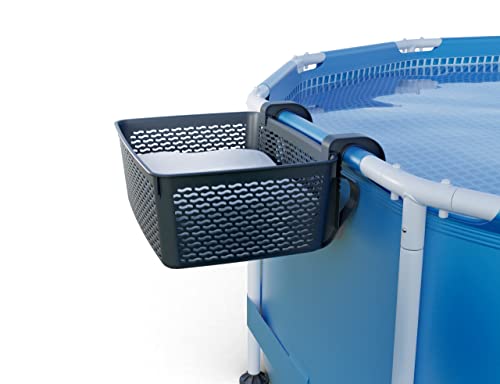
- BrandCarrie Box

- VC Score7.8
BCP Score is a ranking system developed by bestcleanerproducts.com. BCP Score has no relationship or impact from any manufacturers or sales agent websites. Learn more
- BrandSubClap

- VC Score7.6
BCP Score is a ranking system developed by bestcleanerproducts.com. BCP Score has no relationship or impact from any manufacturers or sales agent websites. Learn more
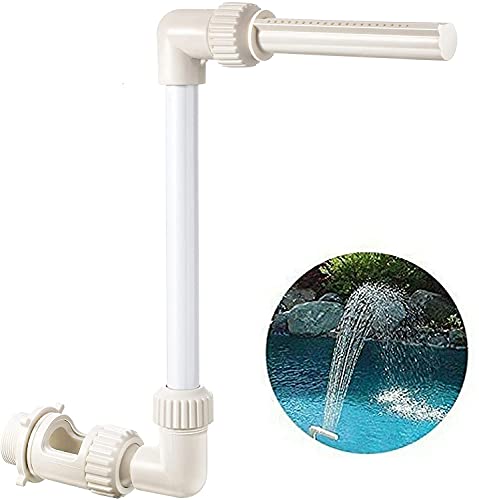
- BrandMP mypole
- VC Score7.6
BCP Score is a ranking system developed by bestcleanerproducts.com. BCP Score has no relationship or impact from any manufacturers or sales agent websites. Learn more
- BrandKBD

- VC Score7.6
BCP Score is a ranking system developed by bestcleanerproducts.com. BCP Score has no relationship or impact from any manufacturers or sales agent websites. Learn more
- BrandVULNESS

- VC Score7.6
BCP Score is a ranking system developed by bestcleanerproducts.com. BCP Score has no relationship or impact from any manufacturers or sales agent websites. Learn more
- BrandWYBOT

- VC Score7.4
BCP Score is a ranking system developed by bestcleanerproducts.com. BCP Score has no relationship or impact from any manufacturers or sales agent websites. Learn more
- BrandAqua Select
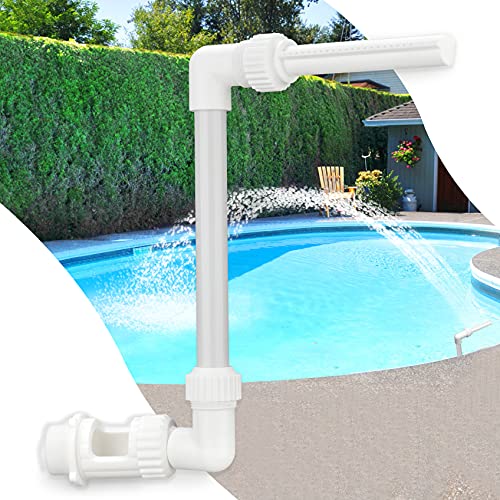
Klleyna Water-Fountain Swimming-Pool Sprinkle Accessories - Waterfall Above In-ground Pool,
View on Amazon- VC Score7.2
BCP Score is a ranking system developed by bestcleanerproducts.com. BCP Score has no relationship or impact from any manufacturers or sales agent websites. Learn more
- Brandklleyna

- VC Score7.2
BCP Score is a ranking system developed by bestcleanerproducts.com. BCP Score has no relationship or impact from any manufacturers or sales agent websites. Learn more
- BrandAubric

- VC Score6.6
BCP Score is a ranking system developed by bestcleanerproducts.com. BCP Score has no relationship or impact from any manufacturers or sales agent websites. Learn more
- BrandKapStrom
Last update on 2026-10-08 / Affiliate links / Images, Product Titles, and Product Highlights from Amazon Product Advertising API
FAQs
How many degrees can an overnight aerator lower pool water?
Running a return-jet aerator overnight typically drops pool water temperature between 5 and 10 degrees. The exact drop depends on your local nighttime air temperature and humidity levels. Cool, dry nights produce the largest temperature drop, while humid summer nights produce a slightly smaller cooling effect.
Should I run my pool pump during the day or at night to cool the pool?
Run your pool pump overnight if cooling the water is your main goal. Nighttime air is cooler than your pool water, allowing aerators and fountains to pull heat away through evaporation. Running fountains during the hottest afternoon hours can actually warm the pool up as the spray absorbs midday heat.
Can I build my own DIY pool cooler using PVC pipes?
Yes, you can build a simple pool cooler using standard 1.5-inch PVC pipe, a threaded wall adapter, an elbow joint, and a capped riser pipe. Drill several small holes along the riser pipe to create a spray bar, then thread it into your return jet. It cools the water just as well as a store-bought fountain by breaking the stream into fine droplets.
Will running a pool fountain make my water evaporate too fast?
Running a pool aerator overnight does speed up evaporation, but the water loss is usually small. Most pools only lose an extra quarter to half-inch of water after a full night of aeration. You can easily make up for that water loss by topping off the pool with cold water from your garden hose.


How to Refinish a Fiberglass Pool

How Do You Keep Raccoons Out of Your Pool?

How to Fix Cyanuric Acid in Your Pool

How to Shape a Pool Cue Tip to Stop Miscues

12 Best Automatic Vacuum For Intex Above Ground Pool of 2026 To Keep Vinyl Floors Spotless

10 Best Automatic Pool Vacuum For Above Ground Pool of 2026 To End Manual Scrubbing

How Much Pool Clarifier Should You Use for Your Pool Size?

How Much Does a Pebble Tec Pool Cost to Build or Resurface?








