
How to Clean Algae From a Pool Hose Safely

Soak the hose in diluted chlorine water. A thorough chlorine bath kills clinging spores, so regular pressure from a garden nozzle can blast out loosened slime. Leaving green film trapped inside the spiral ridges causes trouble fast, because hooking the line back up will pump live algae straight into your pool. A liquid soak reaches deep into every coil without scraping the flexible walls.
How you tackle the job depends on the growth and the hose itself. Standard green algae rinses away quickly, but mustard or black varieties demand longer soak times to dissolve their roots. Sun-baked plastic also turns brittle with age, so stiff hoses need gentle handling to avoid cracked ribs. Here is how to sanitize the entire coil without springing leaks.
Spiral ridges trap moisture and algae inside flexible pool hoses
Flexible pool hoses rely on corrugation, which is a pattern of spiral plastic ridges molded along the entire tube. These ridges give your vacuum hose structural strength so it will not collapse under heavy pump suction. They also let you bend and wind the hose across a pool deck without creating sharp kinks. But those same internal grooves create hundreds of tiny pockets where pool water stops moving.
When you vacuum your pool, water rushes through the center of the hose at high speed. Along the ribbed inner walls, however, water flow drops significantly. This calm boundary layer allows dirt, organic debris, and microscopic algae spores to settle into the plastic crevices. Once trapped, these spores latch onto the plastic and start building a slippery layer of biofilm.
Many pool owners wonder if running their pool pump longer will simply flush the algae away. The answer is no. Standard water suction passes right over the deep ridges without disturbing the slime rooted at the base of the plastic spirals. The sticky algae biofilm acts like glue, holding fast against the smooth rush of circulating water.
Leaving algae inside a vacuum hose creates serious water balance issues. The next time you hook that hose to your skimmer or dedicated vacuum port, the pump pulls living spores right through the line. Some spores blow past your filter media and shoot back into the swimming pool through the return jets. That sudden burst of active spores can turn a crystal-clear pool cloudy overnight and waste expensive balancing chemicals.
A diluted chlorine soak kills algae across the entire hose
Killing algae inside a long, ribbed hose requires contact time with a sanitizing solution rather than high water pressure alone. A deep soak ensures the sanitizing liquid fills every spiral rib from one end to the other. Follow these steps to clean the line without damaging the plastic.
- Set up a large soaking container. Find a clean 32-gallon plastic trash can, a large storage tote, or a plastic livestock trough. Set the container on flat ground near a outdoor spigot, well away from grass or decorative plants that chlorine might bleach.
- Mix your sanitizing bath. Fill the container halfway with clean tap water. Add shock (strong pool chlorine) or plain household bleach to create a sanitizing bath. Aim for roughly one cup of regular liquid chlorine or household bleach for every five gallons of water. Never use undiluted chemical concentrates, because raw bleach can degrade the plasticizers that keep your vacuum hose flexible.
- Submerge and burp the hose. Lower one hose cuff into the bottom of the container. Slowly feed the rest of the hose in coils, pressing each section underwater so air escapes from the internal ribs. You should see bubbles rising steadily as the hose fills. If the coiled hose tries to float, set a clean, water-filled plastic gallon jug on top to hold it down. Avoid using bricks, concrete blocks, or rough rocks that can scratch or puncture the plastic walls.
- Let the chemical bath sit. Allow the hose to soak for two to four hours. This dwell time lets the sanitizer break down the cellular walls of the algae and dissolve the sticky biofilm. For standard green algae, you will notice the slime turning from dark green to a pale gray, yellow, or translucent shade as the organisms die.
- Flush the hose thoroughly. Pull the hose out of the container and lay it straight across a clean patch of lawn or driveway. Attach a high-pressure brass nozzle or adjustable spray trigger to your garden hose. Jam the nozzle tight into one end cuff and turn the water on full blast. The sudden surge of fresh water breaks the dead slime free from the ridges and pushes it out the open end.
- Rinse from the opposite direction. Move your garden hose nozzle to the opposite cuff and flush the line in reverse. Repeat this back-and-forth rinse until the runoff water comes out completely clear with no visible green flakes or musty odor. Finish by spraying down the outside skin of the hose to wash away any leftover chemical residue.
Soft brushes protect plastic walls while metal tools cause punctures
Scrubbing the middle of a 30-foot or 40-foot hose seems challenging, which tempts many owners to grab whatever long tools they have in the garage. Reaching for metal plumbing tools is the fastest way to ruin a pool cleaner hose. Flexible vacuum lines are made of lightweight polyethylene or vinyl, and their corrugated ridges tear easily under sharp friction.
Never use plumbing drain augers, wire coat hangers, stiff dryer vent brushes, or metal fish tapes inside a pool hose. The rigid metal tips catch on internal ridges, gouging the plastic or puncturing small pinholes through the thin wall valleys. Even a microscopic pinhole ruins vacuum suction, causing your cleaner to stop moving or sucking air into your pool pump basket. High-pressure commercial pressure washers should also stay outside the hose, as narrow water jets can slice through aged plastic instantly.
- Use a soft cloth pull-through. Tie a clean microfiber washcloth or a small piece of foam sponge securely to the end of a long nylon masonry line. Drop a small metal washer tied to the string through the hose, or use garden hose pressure to wash the string out the opposite end. Once threaded, pull the wet washcloth through the line to wipe away loosened slime.
- Work with flexible nylon brushes. Specialty nylon tube brushes mounted on flexible plastic rods work safely inside the hose ends. These soft bristles scrub the internal ridges without scratching the plastic or wearing down internal seams.
- Rely on hydraulic flushing. A garden hose fitted with a rubber expansion nozzle creates strong water velocity inside the tube. The rushing water provides enough scrubbing power to clear dead algae without inserting any hard tools into the ribbed core.
- Check the plastic flexibility. If your hose feels brittle, crunchy, or stiff in your hands, skip manual scrubbing entirely. Brittle plastic cracks under even light bending pressure, which means it is time to retire the hose rather than force a brush through it.
Stubborn mustard and black algae require targeted chemical treatments
Standard green algae wipes away easily once chlorine breaks its outer cell walls. But if your hose contains yellow dust or dark, spotty black patches, you are dealing with more aggressive varieties. Mustard algae and black algae protect themselves with thick outer coatings that resist standard chlorine concentrations.
Mustard algae looks like a light yellowish-brown powder that settles into the bottom ribs of the hose. While it brushes away without much effort, microscopic spores survive basic rinses and quickly recolonize your pool. Black algae is even tougher, forming a dense, waxy cap over a root system that anchors firmly into microscopic surface cracks on your hose walls and swivel cuffs.
To clear stubborn yellow or black algae, add an algaecide (liquid algae killer) into your soaking container alongside the pool shock. A copper-based or non-foaming polyquat algaecide cuts through the slick outer layer of the algae colony. Extend your soak time to at least eight to twelve hours, or let the hose soak overnight in the dark so daylight UV rays do not burn off your chlorine levels.
Pay close attention to the swivel cuffs on both ends of the hose. Algae loves the tight crevice where the flexible cuff snaps onto the main hose body. If your hose has removable cuffs, unscrew or pop them off to clean the hidden threads underneath. Use an old, soft nylon toothbrush dipped in pool shock solution to scrub around the seams until all dark discoloration vanishes.
Once you clean the hose, check the rest of your pool environment. Algae blooms in equipment lines often coincide with nutrient imbalances in your water. Learning how to remove phosphates from a pool can help eliminate the primary food supply that lets stubborn algae take root in your hoses in the first place. If you ever hook a questionable hose back to your pool and suspect some debris slipped into the plumbing, make sure you know how to backwash a sand pool filter safely to purge those spores before they establish a colony inside your filter tank.
Complete drying and shaded storage prevent slimy regrowth between uses
Algae requires three things to thrive: moisture, warmth, and organic matter. If you roll up a wet pool hose and toss it into a warm garage or leave it baking in the yard, you create an ideal incubator for mold, mildew, and algae spores. A few simple post-cleaning habits keep your equipment sanitary all season long.
- Drain all sitting water immediately. After vacuuming or cleaning, walk the hose out along a flat lawn or deck. Lift one end high above your head and walk along the length, letting gravity pour every cup of trapped water out the low end. Never coil a hose that still has standing water inside its ridges.
- Let the interior air-dry completely. Prop both cuffs open so fresh air circulates through the interior tube. Setting the hose across a smooth deck railing for an hour on a breezy afternoon lets internal moisture evaporate before you pack it away.
- Keep the hose out of direct sunlight. Leaving flexible vacuum lines on sun-baked concrete breaks down the plasticizers in the vinyl through ultraviolet degradation. This makes the hose brittle, causing yellow discoloration and surface micro-cracks where algae spores hide. Store the dry hose inside a covered pool deck box, a shaded shed, or under a patio overhang.
- Wind the hose in wide, relaxed loops. Avoid wrapping the hose tightly around small hooks or narrow nails, which pinch the corrugation and flatten the ribs. Coil the hose into loose three-foot loops that lay flat on the floor or rest across a wide, curved hose cradle.
- Inspect cuffs before every use. Look through the ends of the hose toward the daylight before dropping it into your pool. If you spot dark shadows or smell stagnant mildew inside, give the hose a quick garden flush on the lawn rather than dropping spores directly into your swimming water.
Choose protective skimmer socks and targeted treatments for recurring blooms
Dealing with recurring algae in your vacuum lines often points to debris sneaking past your initial filtration. Adding specific pool care accessories helps prevent algae spores from cycling through your lines and reaching your pump equipment.
Skimmer basket socks provide an excellent defense when vacuuming suspect water. These ultra-fine nylon mesh sleeves slip directly over your skimmer basket, acting as a pre-filter before water reaches your underground pipes or filter tank. When you use your vacuum hose to clean up dead algae, the fine mesh captures the tiny slime particles and organic film that slip right through regular basket holes. Look for skimmer socks made with durable elastic rings that fit snugly over standard skimmer baskets, and choose fine-weave nylon that handles routine chlorine exposure without tearing.
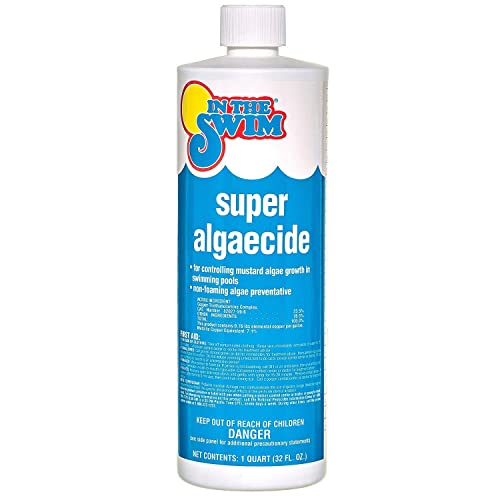
Maintaining a bottle of specialized preventative algaecide also stops growth before it attaches to internal hose corrugation. When shopping for maintenance formulas, choose non-foaming liquids so return jets do not produce bubbling lather on your water surface. Always verify that the treatment matches your pool type, especially if you manage a vinyl liner pool where metal-based formulas must be dosed carefully to prevent surface staining.

- VC Score9.4
BCP Score is a ranking system developed by bestcleanerproducts.com. BCP Score has no relationship or impact from any manufacturers or sales agent websites. Learn more
- BrandRegal
- VC Score9.2
BCP Score is a ranking system developed by bestcleanerproducts.com. BCP Score has no relationship or impact from any manufacturers or sales agent websites. Learn more
- BrandIn The Swim

- VC Score9.0
BCP Score is a ranking system developed by bestcleanerproducts.com. BCP Score has no relationship or impact from any manufacturers or sales agent websites. Learn more
- BrandUnited Chemical

- VC Score9.0
BCP Score is a ranking system developed by bestcleanerproducts.com. BCP Score has no relationship or impact from any manufacturers or sales agent websites. Learn more
- Brandpoolrx

- VC Score9.0
BCP Score is a ranking system developed by bestcleanerproducts.com. BCP Score has no relationship or impact from any manufacturers or sales agent websites. Learn more
- BrandIMPRESA

- VC Score8.6
BCP Score is a ranking system developed by bestcleanerproducts.com. BCP Score has no relationship or impact from any manufacturers or sales agent websites. Learn more
- BrandIMPRESA

- VC Score8.2
BCP Score is a ranking system developed by bestcleanerproducts.com. BCP Score has no relationship or impact from any manufacturers or sales agent websites. Learn more
- BrandPOOLWHALE

- VC Score7.8
BCP Score is a ranking system developed by bestcleanerproducts.com. BCP Score has no relationship or impact from any manufacturers or sales agent websites. Learn more
- BrandPool Supply Town

- VC Score7.8
BCP Score is a ranking system developed by bestcleanerproducts.com. BCP Score has no relationship or impact from any manufacturers or sales agent websites. Learn more
- BrandSuck It Spa Vac
Last update on 2026-10-08 / Affiliate links / Images, Product Titles, and Product Highlights from Amazon Product Advertising API


How to Refinish a Fiberglass Pool

How Do You Keep Raccoons Out of Your Pool?

How to Fix Cyanuric Acid in Your Pool

How to Shape a Pool Cue Tip to Stop Miscues

12 Best Automatic Vacuum For Intex Above Ground Pool of 2026 To Keep Vinyl Floors Spotless

10 Best Automatic Pool Vacuum For Above Ground Pool of 2026 To End Manual Scrubbing

How Much Pool Clarifier Should You Use for Your Pool Size?

How Much Does a Pebble Tec Pool Cost to Build or Resurface?


