
How Much Pool Salt Should You Add to Your Pool?

Most pool owners assume a blinking low-salt light means dumping five or six heavy bags straight into the deep end. In reality, guessing often overshoots the mark, and the safe dose is about 30 pounds of salt for every 10,000 gallons of water to lift your salinity by 300 ppm (parts per million, the basic measurement for salt concentration). That equals roughly three-quarters of a standard 40-pound bag.
The exact number of bags depends on your pool volume in gallons, your starting water measurement, and the target range required by your chlorine-making cell. Adding too much can shut down the system entirely, which forces you to drain and refill fresh water to fix it. Taking a minute to match your numbers first keeps your equipment running smoothly and saves you from a messy headache.
Calculate Your Salt Needs Using The Ten-Thousand-Gallon Rule
To get your salt level right, you need two basic measurements: your total pool volume in gallons and your current salinity (the salt level in the water). Salt is measured in ppm, which stands for parts per million. You can think of ppm as a salt count measurement that shows how many grains of salt exist for every million drops of water.
Most chlorine-making units (the chlorinator cell attached to your plumbing) run best when the salinity sits between 3,000 and 3,400 ppm. Check your equipment manual to confirm your target number, because some brands prefer 2,800 ppm while others run happily up to 3,600 ppm. Aiming for 3,200 ppm usually puts your pool right in the sweet spot.
The standard dosing rule is simple: to raise salinity by roughly 300 ppm, add 30 pounds of salt for every 10,000 gallons of water. Because standard pool salt comes in 40-pound bags, 30 pounds equals three-quarters of a bag. If you need to raise salinity by 600 ppm in a 10,000-gallon pool, you will need 60 pounds of salt, or one and a half bags.
Here is how that basic formula looks for common pool sizes when you need to raise salinity by 600 ppm:
- 10,000 gallons: Add 60 pounds of salt, which is one and a half 40-pound bags.
- 15,000 gallons: Add 90 pounds of salt, which is two and a quarter 40-pound bags.
- 20,000 gallons: Add 120 pounds of salt, which is three full 40-pound bags.
- 25,000 gallons: Add 150 pounds of salt, which is three and three-quarters 40-pound bags.
- 30,000 gallons: Add 180 pounds of salt, which is four and a half 40-pound bags.
If you have just filled a brand-new pool with fresh tap water, your starting salt level is close to zero. To build a baseline salinity of 3,200 ppm from scratch in a 10,000-gallon pool, you will need roughly 320 pounds of salt, or eight 40-pound bags. A 20,000-gallon fresh fill requires about 640 pounds, or sixteen bags. If you are starting fresh after a complete drain, planning your chemical budget alongside how much it costs to fill a pool will help keep your seasonal setup expenses predictable.
Always add less salt than your rough math suggests. It is simple to pour another half bag into the deep end tomorrow if your reading stays low. Removing salt, on the other hand, requires draining water and refilling the pool with a garden hose. Start by adding 70 to 80 percent of your calculated target, let the water circulate, and check your numbers before dumping in the rest.
Check Your Current Water Level Before Adding A Single Bag
Never buy or dump salt based solely on a blinking warning light on your chlorinator control box. Saltwater systems monitor electrical flow between metal plates to estimate salinity. When something disrupts that electrical flow, the unit often sounds an alarm or shows a "Low Salt" message even when your water has plenty of salt.
Cold water is the most common reason for a false low-salt warning. When pool water drops below 60 degrees Fahrenheit, the water conducts electricity poorly. The sensor misinterprets this cold condition as a lack of salt. If you dump four bags of salt into chilly water during early spring, your salinity will skyrocket the moment the water warms up in summer.
Before adding salt, follow this checklist to verify your true baseline:
- Check the water temperature: Use a standard floating thermometer. If the water is colder than 60 degrees Fahrenheit, wait until it warms up or trust a manual drop kit rather than the control screen.
- Inspect the chlorinator cell for mineral crust: Turn off the equipment, unscrew the chlorine-making cell, and look inside at the titanium plates. If you see white, flaky calcium scale, clean the cell with a garden hose or a diluted acid wash. Scaled plates cannot measure salt accurately.
- Measure with an independent tool: Use a handheld digital salinity meter or salinity dip strips designed specifically for saltwater pools. Do not rely on standard chlorine strips, which do not measure sodium chloride.
- Sample water correctly: Reach down elbow-deep (about 12 to 18 inches below the surface) to gather your water sample. Take the sample away from return jets, steps, and skimmer openings where the water might not represent the whole pool.
- Confirm your total pool volume: Check your original pool construction paperwork or calculate your volume. For a rectangle, multiply length by width by average depth in feet, then multiply that result by 7.5 to get gallons. Overestimating your pool size leads straight to oversalting.
Scatter The Salt In The Deep End And Brush It Right Away
How you add the salt matters just as much as how many bags you buy. Dumping several bags into a single pile or pouring salt directly into the pool skimmer can damage your expensive equipment and ruin your pool surfaces.
Never dump pool salt directly into your skimmer. When undissolved salt enters the skimmer throat, it travels through your underground pipes in an extremely concentrated stream. That super-salty slurry hits your pool pump, filter, and pool heater before it can dilute. Highly concentrated saltwater can corrode copper heat exchangers, pit metal heater elements, and shorten the lifespan of your pump seals.
Pouring salt in one spot on the pool floor is equally risky. Salt sitting in a heavy mound can etch concrete or plaster, stain pebble aggregate finishes, and bleach the pattern on a vinyl liner. Follow these numbered steps to distribute your salt safely:
- Switch on your pool pump: Turn the pump on to high speed before lifting a single bag. Understanding how a pool pump works makes it clear why heavy circulation is vital: moving water continuously pulls from the bottom main drain and mixes dissolving minerals evenly throughout the pool.
- Carry the bags to the deep end: Walk to the deep end of the pool where the water volume is greatest. Cut open the corner of a 40-pound bag.
- Scatter the salt along the perimeter: Walk slowly along the deep-end edge, pouring the salt into the water roughly two to three feet out from the pool wall. Creating a wide ribbon of salt across the deep end allows water to reach each grain quickly.
- Brush the pool floor immediately: Pick up a standard nylon pool brush attached to a telescoping pole. Push the salt grains across the floor in broad, sweeping motions. Keep moving the salt until the grains dissolve into the water. Focus on corners and dips in the floor where granules like to settle.
- Keep the circulation pump running: Leave your pool pump running continuously for at least 24 hours so the dissolved salt spreads through every gallon of water.
Keep The Chlorinator Cell Off For At Least Twenty-Four Hours
While your pool pump must run at full speed to circulate the salt, your chlorinator cell must remain completely powered off. The chlorine-making unit uses electrical current passing across delicate titanium plates to turn salt into sanitizing chlorine. If dense, undissolved salt clouds drift through the cell, the sudden spike in electrical conductivity can trigger power surges, trip your circuit breakers, or burn out the control board.
Switch your chlorinator setting to "Off" or turn the production output down to zero percent right before you pour in the salt. Leave the unit turned off while the salt dissolves and mixes. Follow this short checklist before turning the system back on:
- Confirm zero visible grains: Walk around the pool edge and look straight down into the deep end. Make sure no white sand-like piles remain on the plaster, pebble aggregate, or vinyl floor.
- Wait out the clock: Let your circulation pump run for a minimum of 24 hours in warm water, or 48 hours if the water temperature is below 65 degrees Fahrenheit. Cold water dissolves salt much slower than warm summer water.
- Take a fresh salinity reading: Dip a salinity strip or insert your digital meter to measure the water again. Check that your reading matches your manual's recommended range (around 3,200 ppm).
- Turn on the chlorine generator: Switch your chlorinator back on and set your dial to your normal daily chlorine production percentage. The "Low Salt" indicator light should now remain off.
- Verify swim safety: Swimmers can safely jump in as soon as all the salt grains have dissolved and circulated, provided your water pH (between 7.2 and 7.8) and free chlorine levels are in balance. Swimming in water with undissolved salt on the bottom is not dangerous, but the granules feel rough on bare feet and can cause minor skin irritation.
Dilute The Pool With Fresh Water If You Add Too Much
Adding too much salt is every saltwater pool owner's biggest worry, and for good reason: salt does not evaporate. When summer heat causes pool water to evaporate into the air, only pure water leaves the pool. The salt stays behind, which actually causes the salinity concentration to creep higher over time.
If your salinity climbs past 4,000 or 4,500 ppm, most chlorinators will automatically shut down and display a "High Salt" error code. The manufacturer designs this safety shutoff to protect the internal electrical components from overheating. At very high levels, the water will also taste noticeably salty, feel sticky on skin, and increase the risk of corrosion on stainless steel handrails, light rings, and ladder hardware.
The only way to lower your pool salt level is physical dilution: you must remove some of the salty water and replace it with fresh water from your garden hose. Use this simple calculation to determine how much water to drain:
Subtract your target salinity from your current reading, then divide that difference by your current reading. For example, if your meter reads 4,000 ppm and your target is 3,200 ppm, you are 800 ppm too high. Divide 800 by 4,000 to get 0.20, or 20 percent. This means you must drain 20 percent of your pool volume and refill it with fresh tap water to bring the salt back into balance.
Always drain pool water carefully. Never empty an in-ground pool completely without professional help. Concrete or gunite pools can pop out of the ground if the local water table is high, vinyl liners can wrinkle and shrink away from walls, and fiberglass shells can buckle. Use your filter waste line or drop a small submersible pump into the deep end to lower the water level by just a foot or two, then refill the pool slowly.
Pick High-Purity Pool Salt And A Dedicated Digital Meter
Keeping your saltwater pool balanced requires the right maintenance gear. When shopping for pool salt, purity is the single most important factor. Always look for bags marked as 99 percent pure evaporated salt or food-grade pool salt. High-purity salt dissolves rapidly and leaves no residue behind.
Avoid cheap rock salt or driveway ice-melt products. Those salts contain dirt, insoluble minerals, and heavy metals that stain pool plaster and ruin liners. Also check the bag label to ensure the salt contains no anti-caking additives, such as yellow prussiate of soda (sodium ferrocyanide). Anti-caking chemicals can react with chlorine to produce stubborn yellow or iron-like surface stains.
Invest in an independent measuring tool to protect your investment. While dip strips work well for quick checks, a dedicated handheld digital salinity meter gives you an exact numeric reading within seconds. Look for a digital meter that features automatic temperature compensation, which adjusts the reading based on water temperature so you never get tricked by early spring chills.
Keep your cleaning equipment in mind during this process. While manual pool brushes are essential for sweeping salt across the floor, automated cleaners should take a back seat. Understanding how pool robots work shows why their internal drive wheels and tight collection canisters are designed for leaves and silt rather than heavy piles of unmixed chemical crystals. Use a standard nylon wall brush to dissolve the salt first, saving your automated cleaners for everyday maintenance once the water is completely clear and blended.

- VC Score10.0
BCP Score is a ranking system developed by bestcleanerproducts.com. BCP Score has no relationship or impact from any manufacturers or sales agent websites. Learn more
- BrandGeneric

- VC Score9.6
BCP Score is a ranking system developed by bestcleanerproducts.com. BCP Score has no relationship or impact from any manufacturers or sales agent websites. Learn more
- BrandFreshwater

- VC Score9.4
BCP Score is a ranking system developed by bestcleanerproducts.com. BCP Score has no relationship or impact from any manufacturers or sales agent websites. Learn more
- BrandHTH
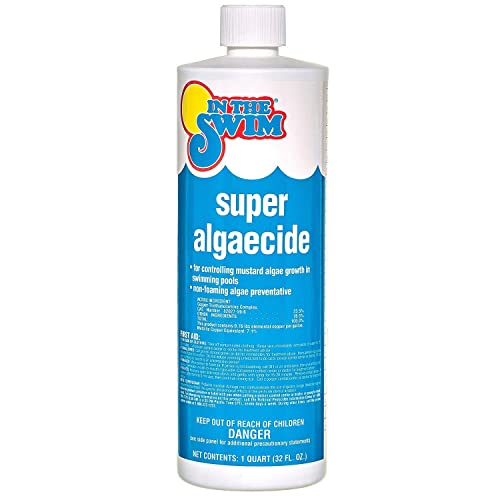
- VC Score9.2
BCP Score is a ranking system developed by bestcleanerproducts.com. BCP Score has no relationship or impact from any manufacturers or sales agent websites. Learn more
- BrandIn The Swim

- VC Score9.2
BCP Score is a ranking system developed by bestcleanerproducts.com. BCP Score has no relationship or impact from any manufacturers or sales agent websites. Learn more
- BrandAQUASALT

- VC Score9.0
BCP Score is a ranking system developed by bestcleanerproducts.com. BCP Score has no relationship or impact from any manufacturers or sales agent websites. Learn more
- BrandEasyGoProducts

- VC Score9.0
BCP Score is a ranking system developed by bestcleanerproducts.com. BCP Score has no relationship or impact from any manufacturers or sales agent websites. Learn more
- BrandMerkia

- VC Score9.0
BCP Score is a ranking system developed by bestcleanerproducts.com. BCP Score has no relationship or impact from any manufacturers or sales agent websites. Learn more
- BrandSEWANTA

- VC Score8.8
BCP Score is a ranking system developed by bestcleanerproducts.com. BCP Score has no relationship or impact from any manufacturers or sales agent websites. Learn more
- BrandPeach Country
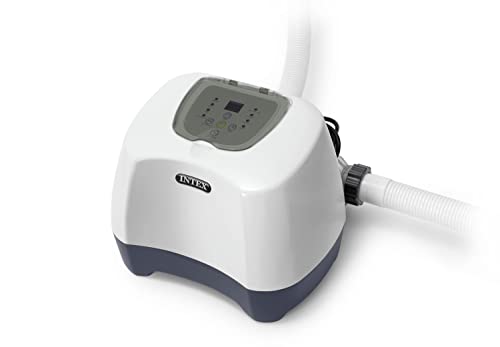
- VC Score8.8
BCP Score is a ranking system developed by bestcleanerproducts.com. BCP Score has no relationship or impact from any manufacturers or sales agent websites. Learn more
- BrandIntex

- VC Score8.6
BCP Score is a ranking system developed by bestcleanerproducts.com. BCP Score has no relationship or impact from any manufacturers or sales agent websites. Learn more
- BrandBraxlee

- VC Score8.2
BCP Score is a ranking system developed by bestcleanerproducts.com. BCP Score has no relationship or impact from any manufacturers or sales agent websites. Learn more
- BrandVivlly
Last update on 2026-10-08 / Affiliate links / Images, Product Titles, and Product Highlights from Amazon Product Advertising API
FAQs
Can I use water softener salt in my swimming pool?
You can use pure solar salt or water softener salt crystals in an emergency, but only if the bag states 99.5 percent purity with zero additives. Never use water softener pellets that contain rust-defense additives, iron-cleaning chemicals, or binding agents. High-purity pool-grade salt remains the better choice because its fine granules dissolve in minutes, while thick softener crystals can sit on the floor for hours and risk surface staining.
How often do I need to add salt to my pool?
Salt does not break down or get consumed during the chlorine-generation cycle, so you do not need to add salt on a weekly basis. You only lose salt when water physically leaves the pool through heavy splashing, backwashing the filter, or winterizing drains. Most pool owners only need to add one or two top-off bags once or twice per swimming season after testing their water.
Does heavy rain lower my pool salt level?
Heavy rain adds pure fresh water to your pool, which temporarily dilutes the salt concentration and lowers your ppm reading. In most cases, the salt level returns to normal once the excess water evaporates. But if severe rain storms force you to drain water out through your waste line to prevent pool overflow, you will lose salt that you must replace.
Can I swim immediately after adding pool salt?
Wait to swim until all the salt granules have completely dissolved and you have brushed the pool floor clean. Dissolving usually takes between two and four hours with the circulation pump running on high. While dissolved salt water is gentle on the eyes and skin, wading through undissolved salt piles feels like walking on rough gravel and can irritate sensitive feet.


How to Refinish a Fiberglass Pool

How Do You Keep Raccoons Out of Your Pool?

How to Fix Cyanuric Acid in Your Pool

How to Shape a Pool Cue Tip to Stop Miscues

12 Best Automatic Vacuum For Intex Above Ground Pool of 2026 To Keep Vinyl Floors Spotless

10 Best Automatic Pool Vacuum For Above Ground Pool of 2026 To End Manual Scrubbing

How Much Pool Clarifier Should You Use for Your Pool Size?

How Much Does a Pebble Tec Pool Cost to Build or Resurface?


