
How Long Does Pool Plaster Last and When to Replaster?

Most pool plaster lasts seven to ten years. Traditional white plaster gives you seven to ten years before it wears thin and feels rough on your feet. Upgraded finishes with quartz or smooth pebbles mixed in can easily reach fifteen to twenty years. Rough patches or dark stains can look alarming, but they do not always mean you need a costly resurfacing job right away.
How long your plaster actually holds up depends on water balance and routine upkeep. Water that turns acidic will slowly eat away at the finish, while low calcium pulls minerals straight out of the walls. A solid troweling job during installation gives a pool a great start, but weekly brushing and balanced chemicals protect that investment over time. Here is how to tell whether your surface needs simple spot maintenance or a full refresh.
The Short Version
- Standard white pool plaster usually lasts 7 to 10 years before the surface roughens, thins out, or begins to flake away.
- Upgraded aggregate finishes, such as quartz blends or pebble surfaces, typically survive 15 to 20 years or longer because hard stones resist chemical wear far better than soft marble dust.
- Water balance decides the lifespan: water with low pH or low calcium hardness (dissolved minerals that stop water from eating plaster) will chew through a new finish in half its normal life.
- Small chips and hairline cracks can be patched underwater with DIY repair kits, but widespread flaking, hollow areas, or bare gray concrete mean the pool needs a full replaster.
Typical Lifespan by Finish Type
Pool plaster is not just decorative paint. It forms a watertight seal over gunite (the rough concrete shell under the plaster). Without that protective layer, pool water would soak right into the porous shell and eventually rust the reinforcing steel cage inside the pool structure. How long that watertight seal holds up depends heavily on the materials mixed into the plaster coat.
Traditional white plaster remains the most common and budget-friendly choice. It is made from white Portland cement mixed with fine marble dust. Because marble is a soft limestone, it reacts quickly with pool chemicals. A well-maintained white plaster finish gives you 7 to 10 years of reliable service. In softer water or pools where chemicals swing wildly, that lifespan often drops closer to 5 or 6 years before the plaster feels like coarse sandpaper against your feet.
Quartz finishes upgrade the classic mix by blending small quartz granules into the white cement. Quartz is much harder than marble dust, meaning acidic water cannot dissolve it easily. You can expect a quartz aggregate finish to last between 10 and 15 years. It costs more upfront than plain white plaster, but it resists light chemical mistakes and normal brushing much better over time.
Pebble aggregate surfaces (such as Pebble Tec) sit at the top of the lifespan chart. These finishes embed tiny river pebbles or smooth glass beads into colored cement. The hard stones cover the vast majority of the pool surface, leaving very little cement exposed to the pool water. A pebble finish commonly lasts 15 to 20 years, and many pool owners see them last well past two decades with disciplined water care. The surface has a distinct texture, but for long-term durability against wear and tear, natural stone is difficult to beat.
Clear Signs Your Plaster Needs Help
Plaster rarely fails overnight. It breaks down in stages as water slowly pulls minerals out of the surface. Spotting these changes early lets you decide whether you have an ugly stain that scrubs away or structural damage that needs immediate attention.
- Roughness and Etching: Run your hand along the pool steps or shallow end floor. Etching (rough pitted spots eaten out by acidic water) feels sharp, similar to heavy-grit sandpaper. While mild roughness is normal as plaster ages past year seven, deep pits trap dirt and green algae that brushing cannot dislodge.
- Spalling: Spalling (thin flakes popping off the top surface) often leaves small, paper-thin craters across the floor or benches. It happens when troweling errors during original installation trap water under a smooth top crust. When that thin crust pops off, it exposes the rougher, weaker plaster layer below.
- Hollow Spots and Delamination: Delamination (plaster peeling away from the concrete shell) is a serious structural issue. Take a golf ball, wooden broom handle, or small coin and gently tap the plaster underwater. A solid bond creates a sharp, dull click. A hollow, echoing drum sound means the plaster has detached from the underlying gunite shell and will eventually crack and lift off in large plates.
- Exposed Gunite: If you see dark gray or brownish rough patches poking through your white or blue plaster, your surface layer has worn completely through. That gray material is the structural concrete shell. Concrete is porous, so letting water sit against bare gunite risks structural leaks and rusting rebar.
- Rust Weeps and Persistent Cracks: A hairline surface crack smaller than a credit card edge is often harmless cosmetic shrinkage. But wide cracks, or cracks that weep brown rust, indicate that water has reached the steel reinforcement bars. If you suspect water is escaping through these fissures, checking how much pool leak detection costs will help you confirm whether you face an active leak or a simple surface repair.
Habits That Ruin Plaster Fast
The single biggest killer of pool plaster is unbalanced water. Water is a natural solvent that constantly seeks balance. If your pool water lacks calcium, it will satisfy its hunger by pulling calcium directly out of your plaster walls. This chemical pulling weakens the cement matrix and creates microscopic holes that make the entire surface rough and fragile.
Allowing pH to stay low is another fast path to surface failure. Water with a pH below 7.2 turns acidic. Acid eats through marble plaster like vinegar eating chalk. Many owners run their water acidic without realizing it, often by using excessive chlorine tablets without monitoring total alkalinity. Within two or three seasons of acidic water, a ten-year plaster coat can thin down until the underlying concrete shows through.
Dumping granular chemicals directly onto the pool floor causes localized chemical burns. When dry shock, calcium chloride, or dry acid crystals settle on plaster instead of dissolving in the water column, they create bleached rings and crumbly divots. Always predissolve dry pool chemicals in a bucket of clean pool water before pouring them around the deep end jets.
Neglecting mineral stains and algae blooms also cuts years off a finish. When metals like iron or copper settle into soft plaster, getting them out often requires harsh acid washes. An acid wash strips away a thin micro-layer of plaster to expose clean material underneath. Every acid wash removes roughly one to two years of plaster life. If you acid-wash a pool every three years to hide neglected stains, your finish will wear out years ahead of schedule.
Draining a concrete pool in hot weather poses another major risk. Pool plaster needs water pressure and moisture to remain stable. Leaving an empty pool exposed to baking summer sun causes the plaster to dry out, shrink, bubble, and pull away from the shell in huge sheets within days. Never drain a plaster pool without clear guidance from a pool professional.
Spot Repairs Versus Full Replastering
Finding a problem does not automatically mean you need to spend thousands of dollars on a full resurfacing crew. In many cases, you can save money by matching the fix to the actual size of the damage.
Spot repairs work wonderfully for isolated issues. If you drop a heavy pool pole and chip a coin-sized divot out of the shallow end step, a simple patch kit is the right fix. The same applies to short hairline cracks along an otherwise smooth wall, or small spalling spots on a single bench. You can mix underwater-curing putty or cement patch material and press it directly into the chipped area with a putty knife without draining a single gallon of water.
Full replastering becomes necessary when damage spreads across entire sections of the pool. If more than 20 percent of your surface shows hollow spots, flaking, or bare concrete, patch kits will not save it. Patching dozens of separate spots leaves your pool looking like a checkerboard, because fresh white patch plaster never matches the weathered shade of old plaster. More importantly, widespread delamination means the adhesive bond across the entire pool has failed. Patching one spot will only be followed by a new failure two feet away next month.
When you replaster, a professional crew will chip away the loose material, cut relief grooves around the tile and light niches, apply an adhesive bond coat, and trowel a fresh half-inch layer of plaster across the entire pool. This resets your pool clock completely, giving you a fresh, clean surface that protects your pool structure for another decade or more.
Everyday Habits to Extend Plaster Life
Taking care of pool plaster requires simple consistency rather than complicated chemistry. Adding a few straightforward habits to your pool routine will protect your investment and keep the surface silky smooth underfoot.
- Check and Balance Water Chemistry Weekly: Keep your pH between 7.4 and 7.6, and your total alkalinity between 80 and 120 parts per million. Maintain calcium hardness between 200 and 400 parts per million. Balanced calcium stops water from eating your walls while preventing chalky white scale from building up along your waterline tile.
- Brush the Walls and Floor Once a Week: Even if you run an automatic pool cleaner, manual brushing with a nylon-bristle wall brush is critical. Brushing removes slippery biofilm, disrupts algae spores, and sweeps away settling mineral dust before it hardens into rough scaling on the plaster.
- Keep Your Filter Running Clean: A clogged filter causes water circulation to stall, leading to dead chemical zones where algae thrives and acids settle to the bottom. Understanding how a sand pool filter works or learning how often to clean a DE pool filter helps you maintain continuous water movement across every square foot of plaster.
- Dissolve Chemicals Before Adding Them: Never throw powdered chlorine or shock granules straight onto the pool floor. Mix dry chemicals thoroughly in a bucket of pool water first, then pour the dissolved liquid slowly near the return jets while the circulation pump is running.
- Treat Metal Stains Quickly: If you fill your pool from a well or use copper-based algaecides, keep a sequestrant or metal-control treatment in the water. Trapping dissolved metals in solution keeps them from oxidizing and leaving unsightly black, brown, or turquoise stains that require destructive acid washing to remove.
Choosing Surface Repair and Maintenance Supplies
When you notice small chips, sharp edges, or mineral scale starting to form, having the right surface supplies on hand prevents minor flaws from spreading. You do not need commercial machinery to tackle routine spot maintenance.
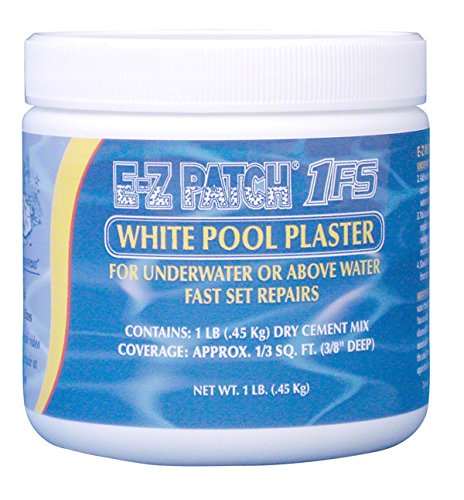
For chips, divots, and isolated cracks, look for two-part underwater epoxy putties or fast-setting cement patch kits designed specifically for pool interiors. Epoxy putty mixes easily by hand like modeling clay and cures underwater without shrinking, making it ideal for filling coin-sized chips around main drains, lights, and step edges. Cement-based patch kits match white or gray plaster better over slightly larger areas, but they require careful mixing and curing according to the package instructions.
For mineral buildup and stubborn waterline scale, soft pumice stones designed for pool tile and concrete work well. Natural pumice is abrasive enough to scrape away white calcium scale and mineral crusts without scratching durable pool plaster or glazed ceramic tile when used wet. Combine manual spot cleaning with regular scale and metal-control treatments in your water to keep hard minerals dissolved rather than bonding to your finish.

- VC Score9.2
BCP Score is a ranking system developed by bestcleanerproducts.com. BCP Score has no relationship or impact from any manufacturers or sales agent websites. Learn more
- BrandEpoxybond Pool Putty

- VC Score9.2
BCP Score is a ranking system developed by bestcleanerproducts.com. BCP Score has no relationship or impact from any manufacturers or sales agent websites. Learn more
- BrandClorox

- VC Score8.8
BCP Score is a ranking system developed by bestcleanerproducts.com. BCP Score has no relationship or impact from any manufacturers or sales agent websites. Learn more
- BrandLFUTARI

- VC Score8.8
BCP Score is a ranking system developed by bestcleanerproducts.com. BCP Score has no relationship or impact from any manufacturers or sales agent websites. Learn more
- BrandSIKA

- VC Score8.6
BCP Score is a ranking system developed by bestcleanerproducts.com. BCP Score has no relationship or impact from any manufacturers or sales agent websites. Learn more
- BrandBio-Dex

- VC Score8.6
BCP Score is a ranking system developed by bestcleanerproducts.com. BCP Score has no relationship or impact from any manufacturers or sales agent websites. Learn more
- BrandE-Z Products

- VC Score8.4
BCP Score is a ranking system developed by bestcleanerproducts.com. BCP Score has no relationship or impact from any manufacturers or sales agent websites. Learn more
- BrandIn The Swim

- VC Score8.4
BCP Score is a ranking system developed by bestcleanerproducts.com. BCP Score has no relationship or impact from any manufacturers or sales agent websites. Learn more
- BrandN/A

- VC Score7.8
BCP Score is a ranking system developed by bestcleanerproducts.com. BCP Score has no relationship or impact from any manufacturers or sales agent websites. Learn more
- BrandBILLY BUCKSKIN HOME & BEAUTY
- VC Score7.8
BCP Score is a ranking system developed by bestcleanerproducts.com. BCP Score has no relationship or impact from any manufacturers or sales agent websites. Learn more
- BrandEZ Brand
Last update on 2026-10-08 / Affiliate links / Images, Product Titles, and Product Highlights from Amazon Product Advertising API
FAQs
Can you put new plaster over old pool plaster?
Yes, a crew can apply a fresh plaster layer over old plaster, but only if the original surface remains solid. The installers must sound out the entire shell with a hammer, chip away all hollow or peeling areas, and roll on an adhesive bond coat. If the old plaster is hollow, crumbling, or already consists of two layered coats, the entire surface must be stripped down to bare gunite before applying the new finish.
Can you swim in a pool with failing plaster?
Swimming in a pool with old plaster is generally safe as long as the water chemistry remains balanced and sanitized. The primary risks are physical rather than chemical: sharp etched pits and spalling edges can scrape bare feet, snag swimsuits, or cut fingers. If plaster has worn away to bare gunite, rough concrete can cause painful scrapes, so swimming shoes are recommended until you make repairs.
How long does the replastering process take?
A professional crew typically completes the physical replastering in two to three days once the pool is drained. Chipping out old hollow plaster and preparing the shell takes one day, while applying and troweling the fresh plaster takes another. After troweling, the pool must be filled with water immediately without interruption, followed by two to four weeks of daily brushing and close chemical balancing to cure the new surface properly.
Does a saltwater pool shorten plaster lifespan?
Saltwater itself does not harm pool plaster, but the salt chlorine generator naturally causes water pH to climb over time. When pH runs high, calcium scales out of the water and forms rough crusts on plaster. As long as you check your water weekly and add acid regularly to keep pH near 7.5, a plaster finish in a saltwater pool will last just as long as one in a traditional chlorine pool.

How to Refinish a Fiberglass Pool

How Do You Keep Raccoons Out of Your Pool?

How to Fix Cyanuric Acid in Your Pool

How to Shape a Pool Cue Tip to Stop Miscues

12 Best Automatic Vacuum For Intex Above Ground Pool of 2026 To Keep Vinyl Floors Spotless

10 Best Automatic Pool Vacuum For Above Ground Pool of 2026 To End Manual Scrubbing

How Much Pool Clarifier Should You Use for Your Pool Size?

How Much Does a Pebble Tec Pool Cost to Build or Resurface?


