
How Often Should You Clean Your DE Pool Filter?

Backwash every one to three months. That quick flush pushes out trapped dirt, but the system also needs a full teardown once or twice a year. Flushing reverses the water flow to clear out dirty powder, while opening the tank lets you wash the fabric filter frames directly. Staying on top of both jobs keeps your water clear and prevents heavy strain on the pump motor.
The exact timing still changes with your backyard conditions. The pressure gauge on your tank tells the real story: a rise of eight to ten psi over your clean baseline calls for an immediate flush. Nearby trees, windy dust storms, heavy swimmer use, and summer algae can clog the fabric weeks early. Pools running all year round also gather more waste than pools closed for winter. Here is how to read your pressure gauge and keep the filter running cleanly.
The Standard Schedule: Routine Backwashing Versus Deep Cleaning
Caring for a diatomaceous earth pool filter involves two completely different maintenance jobs. The first job is backwashing, which means reversing the water flow through the plumbing to flush dirty powder out through your waste line. The second job is a deep manual wash, which requires turning off the equipment, opening the filter tank, and hosing off the fabric-covered filter frames by hand. Confusing these two chores is where many pool owners run into trouble.
As a general rule, plan to backwash your filter every one to three months during active swimming weather. This quick flush takes ten minutes and refreshes the filter media so water moves freely again. Deep cleaning, on the other hand, should happen once or twice a year. Most owners do a full teardown midway through summer or right when closing the pool for the winter. If you keep your pool open all twelve months in a warmer climate, doing a full teardown every six months is a smart habit.
A calendar date alone should never make the final decision. Several common conditions force you to clean much earlier than your regular schedule suggests:
- Heavy swimmer traffic: Sunscreen, body oils, and cosmetics wash off swimmers and coat the filter cloth, forming a greasy film that backwashing cannot fully dislodge.
- Severe weather: Rainstorms wash garden dirt into the pool, while strong windstorms blow fine dust and pollen across the surface.
- Nearby trees and landscaping: Dropping leaves, pine needles, and blossoms quickly overload the skimmer baskets and send fine organic waste into the filter tank.
- Algae blooms: Clearing an active green, mustard, or black algae bloom will coat the filter cloth within a few hours, causing rapid pressure spikes.
The 10-PSI Rule and Finding Your Normal Pressure
The round pressure gauge on top of your filter tank is your most reliable guide. It measures water resistance inside the tank in pounds per square inch, or psi. When the filter is clean, water passes through the fabric frames with very little effort. As the powder traps dirt, microscopic debris blocks the water passages, and the internal pressure builds up.
To use this dial correctly, you need to know your clean baseline reading. Your baseline is the exact pressure number shown on the dial right after you have thoroughly washed the internal frames and coated them with fresh white filter powder. For many residential pool setups, this starting number sits somewhere between 10 and 15 psi, but every equipment pad is different. Long plumbing runs, solar heating panels, and high-efficiency pumps can make a normal baseline higher or lower.
Whenever your pressure gauge climbs 8 to 10 psi above your clean baseline, it is time to clean the filter immediately. Letting the pressure climb higher chokes the circulation of your pool, leaving water cloudy and chemical treatments poorly mixed. It also puts massive backpressure on your equipment. Understanding how a pool pump works makes it clear that forcing a motor to push water against a clogged filter leads to overheating, increased electric draw, and premature pump seal failure.
Keep these checks in mind when monitoring your tank pressure:
- Note the baseline on the gauge: Use a permanent marker, a grease pencil, or a piece of waterproof tape on the brass rim of the gauge to mark your clean starting point.
- Tap the gauge glass gently: Older pressure dials sometimes stick. A gentle tap with your index finger settles the internal needle on the true reading.
- Observe the return jets: If the bubbles and water flow coming out of the wall fittings inside the pool feel weak, high filter pressure is usually the culprit.
- Check the gauge when the pump is off: If the pump motor shuts off and the needle does not drop all the way to zero, the gauge is broken and needs replacement.
Step-by-Step Guide to Backwashing and Recharging
Backwashing is the quickest way to restore water flow when the tank gauge rises 8 to 10 psi above normal. Here is the safest way to flush out old powder and recharge the system.
- Turn off the pool pump at the breaker or switch. Moving the control valve handle while the pump runs will tear the delicate rubber spoke gasket inside the valve, causing permanent water leaks into your waste line.
- Roll out the backwash hose or open the waste line valve. Reversing the water flow releases several dozen gallons of water and powdery sludge within minutes, so make sure the waste line empties into a safe drainage area.
- Press down on the valve handle and turn it to Backwash. Moving the handle into this position changes internal ports so water enters the filter tank in reverse, dislodging the dirt and old powder from the fabric frames.
- Turn the pump back on and let it run for two to three minutes. Watch the clear sight glass on the side of the valve or the water exiting the hose, running the pump until the cloudy white or brown water turns completely clear.
- Turn off the pump and turn the valve handle to Rinse. Running the rinse cycle for 30 seconds repacks the internal components and sweeps stray dirt down the waste line instead of blowing it straight back into your pool.
- Shut the pump off, switch the valve handle back to Filter, and restart the motor. This resets the system back to normal circulation mode so water passes through the filter elements toward the pool return jets.
- Open the manual air relief valve on top of the tank. Trapped air inside the dome compresses under pressure; keep this small valve open until a solid, steady stream of water shoots out, then close it tight.
- Mix fresh white filter powder with pool water in a bucket and pour it into the skimmer. Never run a freshly flushed filter without adding new powder right away, because raw pool dirt will plug the bare fabric pores and permanently ruin the grids within days.
When and How to Open the Tank for a Full Grid Wash
While backwashing keeps water moving during the swimming season, it only removes about 70 to 80 percent of the old powder. Over several months, leftover powder combines with body oils, hair, and fine silt to form heavy, hardened clumps that settle into the bottom folds of the fabric frames. Backwashing cannot lift this heavy sludge out. When backwashing only lowers your pressure by 2 or 3 psi, or when your gauge climbs right back up within two days, you need a full manual wash.
Opening the tank requires care, as pool filter tanks operate under significant pressure. Follow these steps to complete the job safely:
- Cut power completely: Turn off the pump motor and flip the circuit breaker at the subpanel. You must ensure the pump cannot automatically turn on via a digital timer while the tank is open.
- Relieve the internal pressure: Open the air relief valve on top of the filter dome until you hear all hissing stop. Next, remove the drain plug at the bottom base of the tank to let all resting water drain out.
- Loosen the belly band clamp: Use a socket wrench to loosen the brass nut on the heavy metal clamp holding the two tank halves together. Carefully pull the clamp ring away and lift the top dome off the base.
- Remove the top manifold and grid assembly: The manifold is the heavy plastic bracket holding the tops of all the fabric frames together. Carefully slide the entire grid cluster or the top manifold straight up off the internal standpipe.
- Wash each frame with a garden hose: Set your garden hose nozzle to a concentrated spray pattern. Spray between every fabric frame, working from the top down to flush all caked powder and dark debris away. Never use a high-pressure washer here, because intense water jets can slice right through the nylon fabric.
- Inspect and reinstall: Check the plastic manifold for hairline cracks and verify that the rubber O-ring around the tank belly is clean and lubricated with silicone pool lubricant. Set the grid assembly back onto the standpipe, replace the dome, tighten the clamp securely to manufacturer tightness, and add a full fresh dose of white filter powder through the skimmer.
Warning Signs That Your Filter Grids Need Replacement
Cleaning fabric frames extends their working life, but the cloth and plastic parts do not last forever. Most grid assemblies hold up well for three to five years before normal wear breaks them down. Watch for these clear warning signs that tell you it is time to buy new filter elements rather than washing your old ones again:
- Powder returning to the pool floor: If you add white filter powder through your skimmer and notice clouds of white dust shooting out of the return jets into the pool, one or more fabric frames have a hole or a split seam.
- Cracked top manifold: Inspect the hard plastic bracket that binds the frames together. Hairline cracks near the center port let dirt bypass the fabric entirely and travel straight back into your swimming water.
- Torn stitching or frayed fabric: Small pinholes or ripped seams along the edges of the frames allow powder to escape into the pool. If the fabric feels brittle and papery, it can split open under normal pump pressure.
- Crushed or warped internal ribs: The inner plastic skeleton keeps the fabric spread open so water flows across the entire surface. If the plastic ribs have snapped or warped inward, the cloth collapses on itself, severely restricting water circulation.
- Persistent high pressure: If you have thoroughly washed the frames and soaked them to remove oil, but the tank pressure still sits 8 psi above normal right after restarting, the microscopic pores of the fabric are permanently clogged with mineral scale.
What to Look for When Choosing Replacement Grids and Cleaning Tools
When filter fabric rips or scale buildup ruins water flow, shopping for the right replacement hardware gets your pool filtration back to peak performance. Complete grid assemblies and specialized cleaning attachments make routine care much easier.
Before purchasing replacement parts, check the data plate on the side of your metal or fiberglass filter tank. Note the exact square footage rating, which commonly ranges between 24, 36, 48, and 60 square feet. Full replacement assemblies usually consist of seven full-sized curved frames and one slightly narrower partial frame that leaves room for the internal plumbing pipe. Confirm that the total height and width match your tank model, as different equipment lines use distinct grid lengths.
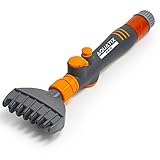
To speed up your semi-annual washouts, look into specialized hose wand attachments designed for pool elements. These wands connect directly to a standard garden hose thread and split the water into multiple targeted spray jets. They slide between the narrow gaps of the frames, stripping caked powder off both sides at once without the risk of tearing the fabric that comes with commercial pressure washers. For homes where local regulations forbid draining white filter powder into city storm sewers, a heavy-duty fabric separation bag attached to your backwash pipe catches the chalky residue while letting clean water soak into the ground.

- VC Score9.4
BCP Score is a ranking system developed by bestcleanerproducts.com. BCP Score has no relationship or impact from any manufacturers or sales agent websites. Learn more
- BrandPleatco

- VC Score9.4
BCP Score is a ranking system developed by bestcleanerproducts.com. BCP Score has no relationship or impact from any manufacturers or sales agent websites. Learn more
- BrandIntex

- VC Score9.2
BCP Score is a ranking system developed by bestcleanerproducts.com. BCP Score has no relationship or impact from any manufacturers or sales agent websites. Learn more
- BrandSEWANTA

- VC Score9.0
BCP Score is a ranking system developed by bestcleanerproducts.com. BCP Score has no relationship or impact from any manufacturers or sales agent websites. Learn more
- BrandPentair

- VC Score8.8
BCP Score is a ranking system developed by bestcleanerproducts.com. BCP Score has no relationship or impact from any manufacturers or sales agent websites. Learn more
- BrandIntex
- VC Score8.6
BCP Score is a ranking system developed by bestcleanerproducts.com. BCP Score has no relationship or impact from any manufacturers or sales agent websites. Learn more
- BrandPOOLPURE

- VC Score8.2
BCP Score is a ranking system developed by bestcleanerproducts.com. BCP Score has no relationship or impact from any manufacturers or sales agent websites. Learn more
- BrandPoolzilla
- VC Score8.2
BCP Score is a ranking system developed by bestcleanerproducts.com. BCP Score has no relationship or impact from any manufacturers or sales agent websites. Learn more
- BrandAquatix Pro

- VC Score8.0
BCP Score is a ranking system developed by bestcleanerproducts.com. BCP Score has no relationship or impact from any manufacturers or sales agent websites. Learn more
- BrandU.S. Pool Supply

- VC Score-
BCP Score is a ranking system developed by bestcleanerproducts.com. BCP Score has no relationship or impact from any manufacturers or sales agent websites. Learn more
- BrandUniversal Filtration
Last update on 2026-10-08 / Affiliate links / Images, Product Titles, and Product Highlights from Amazon Product Advertising API
FAQs
Can I run my pool pump without adding fresh filter powder?
No, you should never run your pool pump with a DE filter unless the fabric frames are fully coated with fresh filter powder. Without that protective powder barrier, raw dirt, hair, and swimmer oils get sucked directly into the fabric pores. This permanently clogs the cloth elements within a few hours and usually forces you to replace the entire grid assembly.
Why does my pool pressure stay high even after backwashing?
If backwashing fails to drop your gauge back near its baseline, hardened powder and organic grease have likely accumulated deep inside the fabric folds. Reversing the water flow cannot dislodge this heavy sludge. You will need to shut off the equipment, unbolt the tank clamp, and wash the fabric frames manually using a garden hose nozzle.
Can I use a pressure washer to clean my DE filter grids?
You should never use a high-powered pressure washer on your filter frames. The intense, focused stream of water from a pressure washer can easily cut through the fine nylon fabric, split the glued seams, or snap the internal plastic support ribs. A standard garden hose equipped with a multi-pattern hand sprayer provides plenty of force to wash away caked powder safely.
How much powder should I add after a routine backwash?
Because routine backwashing leaves about 20 percent of the original powder trapped inside the tank, you should only add roughly 80 percent of the manufacturer's recommended full fresh dose. If your tank manual calls for five pounds of powder from a completely dry, empty state, use around four pounds after a routine backwash to avoid overfilling the tank dome.
How do I know if my filter pressure gauge is broken?
The easiest way to check your pressure gauge is to shut off the pool pump completely. With the pump off and water circulation stopped, the needle on the gauge must drop down to zero psi. If the needle remains stuck on a higher number while the system is powered down, the internal mechanism is jammed and you need to screw in an inexpensive new gauge.


How to Refinish a Fiberglass Pool

How Do You Keep Raccoons Out of Your Pool?

How to Fix Cyanuric Acid in Your Pool

How to Shape a Pool Cue Tip to Stop Miscues

12 Best Automatic Vacuum For Intex Above Ground Pool of 2026 To Keep Vinyl Floors Spotless

10 Best Automatic Pool Vacuum For Above Ground Pool of 2026 To End Manual Scrubbing

How Much Pool Clarifier Should You Use for Your Pool Size?

How Much Does a Pebble Tec Pool Cost to Build or Resurface?


