
How Long Do Intex Pools Last in 2026?

A parent stands in the backyard smoothing out a stiff vinyl liner, wondering how many seasons of splashing it can realistically handle. A temporary above-ground pool typically lasts between one and seven years. Simple inflatable ring models usually hold up for one to three summers, while sturdy steel frame setups can easily reach five years or more.
The real lifespan comes down to daily care and off-season storage. Setting the bottom on a smooth, padded ground cloth protects the vinyl from hidden rocks and twigs. Keeping the water chemistry balanced stops the flexible fabric from turning brittle in the sun, and packing the dry pool indoors shields it from winter freezes. Here is a clear look at what ruins these pools early and how to keep yours leak-free for years.
Expected Lifespan: Easy Set Versus Metal Frame Pools
The realistic lifespan of an Intex pool depends on the frame style you pick and how you maintain it. While some families get only one summer before a leak ends the fun, others use the same pool for five or six years. In general, an Intex pool lasts between 1 and 7 years. Knowing how different models are built helps you set realistic expectations for your backyard.
Intex Easy Set pools, which feature an inflatable ring around the top edge, typically last 1 to 3 summers. The body uses multi-layered vinyl pool fabric that handles splashing well. But that inflatable collar is the weak link. Because the ring sits in direct sunlight all day, the plastic bakes and dries out faster than the lower walls. Stray neighborhood cats, perching birds, tree twigs, or kids leaning on the edge can punch tiny holes in it. When that top ring loses air, the pool loses its shape and spills water over your lawn. Patching air leaks on curved vinyl is tricky, which is why many families replace these pools after two summers.
Intex metal frame pools and Prism Frame pools usually last 3 to 7 summers. Instead of relying on air pressure, these pools use powder-coated steel pipes that snap together to support the vinyl pool fabric. Steel takes the physical weight off the vinyl walls, keeping the structure stable even when multiple swimmers splash at once. Modern frame kits also use composite T-joints that do not rust or freeze together, solving one of the biggest failure points older metal pools faced.
With good seasonal care, a metal frame pool easily reaches year four or five. The vinyl pool fabric on frame models is thicker and reinforced with tough polyester mesh. When a frame pool finally fails, it is rarely from a huge burst. Instead, pinholes form along floor seams, or water trapped in horizontal pipes causes corrosion (rust on frame pipes). If you keep the steel dry between seasons and protect the liner from sharp objects, getting six or seven summers from a metal frame pool is very realistic.
The Four Main Culprits That Ruin Intex Pools Early
Above ground pools rarely fail without warning. When an Intex pool leaks, tears, or buckles after only one or two seasons, the cause usually traces back to four hazards that wear down the vinyl pool fabric and frame parts over time.
The first culprit is direct ultraviolet sunlight. Sunlight breaks down PVC plastic by drying out the oils that keep vinyl soft and flexible. When vinyl loses those oils, it turns stiff and brittle. Instead of flexing as water moves, brittle vinyl cracks under pressure. Sun rot hits the top inflatable ring of an Easy Set pool first, but it also degrades the exposed top rim and outer walls of frame pools over several hot months.
The second culprit is unbalanced water chemistry. Dumping excess shock into the pool destroys vinyl liners. High chlorine levels bleach the vinyl pool fabric, weaken seam adhesives, and make the floor brittle. Knowing how much chlorine to add keeps algae away without stripping oils from the vinyl. Meanwhile, water with low pH turns acidic. Acidic water attacks steel frame pieces, eating away protective paint and causing corrosion (rust on frame pipes) inside pipe connections. Learning how often to check pool chemicals lets you fix balance issues before acidic water ruins your pool.
The third culprit is friction from poor ground contact. Water is heavy, weighing over eight pounds per gallon. A ten-foot pool holds thousands of pounds of water that press the vinyl pool fabric directly against the dirt. If sharp gravel, roots, or tough grass sit underneath, swimmers' feet grind the heavy vinyl against those sharp edges. Within weeks, tiny friction pinholes appear on the bottom.
The fourth culprit is winter freezing. Leaving an Intex pool outside in freezing weather is the fastest way to ruin it. Freezing water expands and splits steel frame pipes and liner seams. Freezing temperatures also make vinyl so brittle that heavy snow can snap the fabric. Storing the pool damp in an unheated shed also breeds mildew, which breaks down waterproof vinyl coatings.
Essential Ground Prep and Winter Storage to Extend Pool Life
How you prepare your yard in late spring and pack your pool away in late summer determines how many years your setup will survive. Taking time during assembly and teardown protects both the vinyl pool fabric and the steel frame from premature damage.
Follow these ground preparation steps before adding any water:
- Pick a flat, level site. Check the ground with a carpenter level in several directions. Never set up on a slope, and never pile loose dirt on the low side to level it. Shifting mud will cause pool legs to sink, tilting the pool and bending the frame.
- Clear out sharp debris. Walk the entire area and remove rocks, twigs, pinecones, and roots. Dig out nutgrass and prickly weeds completely, as tough weeds can push straight through vinyl pool fabric once warm water covers the ground.
- Tamp the ground flat. Use a hand tamper to pack down loose soil. Firm ground stops metal pool legs from sinking into the lawn after a heavy summer rain.
- Lay down a durable ground cloth (protective tarp under the pool). A thick ground cloth or interlocking foam tiles create a soft cushion under the vinyl pool fabric. This barrier prevents friction and keeps stray pebbles from wearing holes through the bottom.
- Smooth bottom wrinkles with an inch of water. Fill the pool with just one inch of water, step inside barefoot, and push floor wrinkles toward the edges. Once thousands of pounds of water fill the pool, you cannot flatten those wrinkles, and raised ridges wear out quickly under swimmers' feet.
When summer ends, follow this packing routine to keep your pool safe until next year:
- Drain the water completely. Use the drain valve and a garden hose routed away from your home foundation.
- Clean the liner. Use warm water, mild dish soap, and a soft sponge. Wash off the greasy waterline and any algae clinging to the walls. Avoid abrasive scrubbers that scratch the vinyl surface.
- Dry the vinyl completely in the sun. Flip the liner over several times to let both sides air out. Moisture trapped in folded vinyl leads to mold and seam rot during winter storage.
- Sprinkle pure talcum powder or cornstarch over the dry vinyl pool fabric. Powder stops the vinyl from sticking to itself and peeling its waterproof coating when you unfold it next spring.
- Fold the liner loosely. Make wide folds rather than sharp creases. Place the liner, frame pipes, and hoses into a heavy-duty plastic storage tub with a tight lid, and store it indoors away from mice and freezing rooms.
Use this quick maintenance checklist to keep your pool in top shape all season:
- Place flat wooden blocks or concrete pavers under each metal frame leg to distribute weight and prevent sinking into soft dirt.
- Wipe down metal frame joints when pool water splashes over the sides to prevent corrosion (rust on frame pipes) around the connection pins.
- Keep pets with sharp claws away from pool walls and the top inflatable ring.
- Inspect the pool floor weekly for small leaks, and use a waterproof repair patch kit immediately before a pinhole turns into a tear.
How Cleaning Tools and Skimmers Protect Your Liner
Keeping your pool clean does more than keep the water clear; it directly extends the physical life of the vinyl pool fabric. Fine sand, tiny dirt pebbles, and windblown grit act like sandpaper on the pool floor. Swimmers stepping on that grit grind it into the liner seams, creating thin spots that eventually leak.
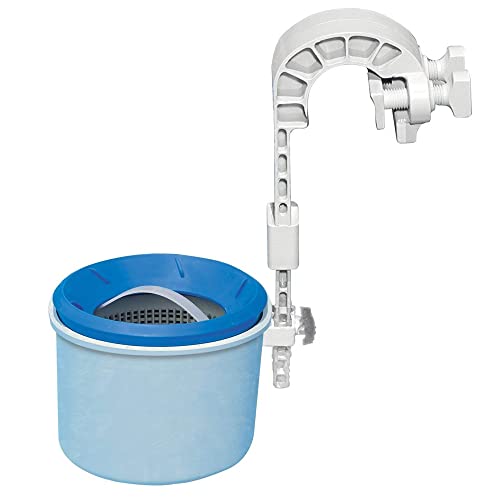
A surface skimmer catches leaves, bugs, and organic yard debris before they sink. When organic debris sits on the floor for days, it decomposes and creates acidic spots that stain and weaken the vinyl coating. Skimming keeps the surface clear so debris never has the chance to settle.
For dirt that sinks, using a gentle pool vacuum removes abrasive grit without tearing the vinyl pool fabric. When shopping for pool cleaners for an Intex pool, check the suction requirements and brush materials. Heavy robotic cleaners or automatic suction units built for inground plaster pools can be too aggressive for soft above ground vinyl. Instead, look for compact above ground vacuums with soft nylon bristles and smooth rubber wheels that roll over liner seams without catching. Make sure your pool filter pump has enough flow rate to power the vacuum, or choose a battery-powered handheld cleaner that operates independently from your pump system.

- VC Score9.0
BCP Score is a ranking system developed by bestcleanerproducts.com. BCP Score has no relationship or impact from any manufacturers or sales agent websites. Learn more
- BrandIntex

- VC Score9.0
BCP Score is a ranking system developed by bestcleanerproducts.com. BCP Score has no relationship or impact from any manufacturers or sales agent websites. Learn more
- BrandIntex

- VC Score9.0
BCP Score is a ranking system developed by bestcleanerproducts.com. BCP Score has no relationship or impact from any manufacturers or sales agent websites. Learn more
- BrandIntex

- VC Score8.8
BCP Score is a ranking system developed by bestcleanerproducts.com. BCP Score has no relationship or impact from any manufacturers or sales agent websites. Learn more
- BrandIntex
- VC Score8.6
BCP Score is a ranking system developed by bestcleanerproducts.com. BCP Score has no relationship or impact from any manufacturers or sales agent websites. Learn more
- BrandIntex

- VC Score8.4
BCP Score is a ranking system developed by bestcleanerproducts.com. BCP Score has no relationship or impact from any manufacturers or sales agent websites. Learn more
- BrandIntex

- VC Score8.4
BCP Score is a ranking system developed by bestcleanerproducts.com. BCP Score has no relationship or impact from any manufacturers or sales agent websites. Learn more
- BrandIntex

- VC Score8.4
BCP Score is a ranking system developed by bestcleanerproducts.com. BCP Score has no relationship or impact from any manufacturers or sales agent websites. Learn more
- BrandIntex

- VC Score8.2
BCP Score is a ranking system developed by bestcleanerproducts.com. BCP Score has no relationship or impact from any manufacturers or sales agent websites. Learn more
- BrandJambo

- VC Score8.0
BCP Score is a ranking system developed by bestcleanerproducts.com. BCP Score has no relationship or impact from any manufacturers or sales agent websites. Learn more
- BrandCarrie Box
Last update on 2026-10-08 / Affiliate links / Images, Product Titles, and Product Highlights from Amazon Product Advertising API
FAQs
Can you leave an Intex pool outside during the winter?
You should not leave an Intex pool outside where temperatures drop below freezing. Freezing water expands into ice sheets that easily split vinyl pool fabric, tear corner seams, and bend metal frame pipes. Taking the pool down, drying it completely, and storing it indoors ensures it survives multiple seasons.
Is it worth patching a small leak in an Intex pool?
Yes, patching a pinhole or small puncture is simple, inexpensive, and can save your pool for another season. Waterproof vinyl repair patches work well on flat floor sections and side walls, even when applied underwater. But if you have a long tear along a structural seam or around the drain fitting, patches will not hold water pressure, and the liner must be replaced.
Why do Intex metal frame pipes rust and how can you prevent it?
Metal frame pipes rust when water gets trapped inside the joints where the protective powder-coat paint chips during assembly. Chemical splashes from pool water accelerate corrosion (rust on frame pipes) inside the hollow tubing. To prevent rust, apply a light coat of silicone lubricant or marine grease to pipe ends during setup and wipe the joints dry if water splashes over the top.


How to Refinish a Fiberglass Pool

How Do You Keep Raccoons Out of Your Pool?

How to Fix Cyanuric Acid in Your Pool

How to Shape a Pool Cue Tip to Stop Miscues

12 Best Automatic Vacuum For Intex Above Ground Pool of 2026 To Keep Vinyl Floors Spotless

10 Best Automatic Pool Vacuum For Above Ground Pool of 2026 To End Manual Scrubbing

How Much Pool Clarifier Should You Use for Your Pool Size?

How Much Does a Pebble Tec Pool Cost to Build or Resurface?


