
How Does a Pool Skimmer Work?

Most pool owners assume that the wall opening has its own motor to swallow up floating leaves. In reality, the main pump does all the work from across the yard, drawing surface water through the skimmer mouth where a floating flap speeds up the flow and traps trash inside a plastic basket. The water then slips through the basket holes and travels safely down the pipe into the filter system.
That smooth flow depends on keeping three things in balance. The pool water must sit halfway up the wall opening, the pump needs solid suction, and the little swinging door must float freely without catching on the sides. When the water level drops too low or leaves plug the basket completely, the system starts sucking air instead of water, which can quickly damage the pump motor. Here is how every piece inside the skimmer works together to keep your pool surface clean.
The Short Version
- Your pool pump pulls surface water through the rectangular opening in your pool wall, drawing in floating leaves, bugs, and oils before they sink to the bottom.
- A floating flap at the skimmer opening tilts inward as water flows over it, speeding up the surface draw and keeping trapped debris from floating back out when the pump stops.
- A removable plastic strainer cup catches leaves and large trash inside the box, allowing water to flow down into the pipe hole at the bottom of the box and on toward the pump and filter.
- Your pool water line must sit halfway up the skimmer opening, because low water causes the pump to suck air and run dry, which can overheat and ruin the pump motor.
The Water Path: How Your Skimmer Pulls in Water
Your pool skimmer works like a gentle surface drain powered by your pool pump. When the pump turns on, it draws water out of the pool through pipes buried under the deck. The easiest place for the pump to pull that water is from the skimmer box built into the top edge of your pool wall. As the pump pulls water through the plumbing, it creates low pressure inside the skimmer box, and the pool water rushes in to fill the empty space.
Most floating debris naturally drifts along the top inch of the pool. Wind, return jets, and natural water movement push leaves, pollen, and insects across the surface. Because the skimmer sits right at the waterline (the tile border where water meets the pool wall), it only pulls from this top layer. Instead of pulling heavy water from the bottom of the pool, the skimmer skims the very top skin of the water where all the light trash gathers.
As that surface water enters the skimmer throat, it drops over a small floating barrier. This drop creates a miniature waterfall inside the skimmer box. That tiny drop is critical because it speeds up the surface current right at the mouth of the skimmer. Floating debris gets pulled quickly over the edge, falls into the box, and cannot easily drift backward against the current.
Once inside the skimmer box, the water passes straight through the holes of a strainer basket. The leaves and bugs stay trapped in the basket while the water drops down through a pipe hole at the bottom of the box (the suction port). That pipe carries the water to the pump basket, pushes it through your pool filter to remove fine dust, and sends it back to the pool through the return jets. If you use an automatic schedule, learning how pool timers work to control your pump helps you run this cycle during the windiest hours of the day when debris drops most heavily.
The Four Key Parts Inside the Skimmer Box
Every standard in-ground or above-ground skimmer relies on four simple parts working together. If any one of these parts breaks, sticks, or goes missing, the skimmer stops collecting debris and can put your pool equipment in danger.
1. The Floating Flap (Weir Door)
The floating flap at the skimmer opening is a plastic swinging gate located right in the mouth of the skimmer. It has a piece of foam or an air pocket on the back that allows it to float on top of the water. When the pump turns on and pulls water inward, the flap tilts down into the skimmer box. This flap narrows the gap through which water enters, speeding up the flow like putting your thumb over the end of a garden hose.
When the pump turns off, the floating flap pops back upright against the rim of the skimmer opening. This creates a physical wall that traps leaves and bugs inside the basket. Without this flap, whenever the pump shuts down, the water in the skimmer box sloshes back into the main pool, releasing all the collected trash back onto your pool surface.
2. The Removable Plastic Strainer Cup (Skimmer Basket)
Inside the skimmer box sits a perforated plastic bucket. This basket acts as the first physical defense line for your entire pool circulation system. It catches big items such as twigs, leaves, pine needles, large beetles, and stray pool toys before they can enter the underground plumbing.
The basket must stay whole and seated flat on the bottom of the skimmer housing. If the basket cracks or floats out of place, debris will get sucked directly into the underground pipe. That debris will jam the pump impeller (the spinning wheel inside the pump that pulls water), which stops water flow and can cause the pump motor to burn out.
3. The Pipe Hole at the Bottom of the Box (Suction Port)
At the bottom of the skimmer well, you will see one or two round pipe openings. This pipe hole at the bottom of the box connects directly to the suction side of your pool pump. Water that has passed through the strainer basket gets sucked down this hole and travels through underground pipes directly to the equipment pad.
In pools with two holes at the bottom, one hole leads to the pump while the other often connects to the pool main drain at the deep end, or acts as an equalizer line to prevent the skimmer from running dry if the water level drops. A small plastic flap or diverter plate often sits over these holes to balance how much water the pump draws from the surface versus the pool floor.
4. The Deck Lid (Access Cover)
The round or square plastic plate set flush into your pool deck or patio is the skimmer lid. This cover protects swimmers from stepping into the open skimmer well, which could cause bad falls or twisted ankles. It also keeps large outdoor items, lawn clippings, and curious pets from falling directly into the basket area. You lift this lid off whenever you need to empty debris or inspect the water level.
The Waterline Sweet Spot: Keeping the Level Right
A skimmer cannot work properly if the water level in the pool is incorrect. The water line must sit between one-half and two-thirds of the way up the skimmer mouth. Keeping the water at this exact height ensures a steady flow of water without putting your equipment at risk.
If your pool water drops below the bottom edge of the skimmer opening, serious damage can happen fast. The pump will pull in air instead of water. When a pool pump sucks air and runs dry (a problem called cavitation), the pump loses its prime. Water acts as a natural coolant and lubricant for the pump seals and moving parts. Without water, the plastic pump basket can melt, the shaft seals will burn out, and the electric motor will overheat and shut off permanently.
If the water level rises too high, such as after a heavy rainstorm, the problem is different but still frustrating. When the water completely covers the top of the skimmer opening, the floating flap stays submerged and cannot tilt. The water no longer creates that tiny waterfall effect across the surface. Instead of pulling in floating leaves, the water moves sluggishly, and debris will simply drift right past the skimmer mouth and sink to the pool floor.
Keep your water level right by using this simple checklist:
- Target the midpoint: Look at the skimmer frame from inside the pool. The water line should rest squarely in the center of the opening.
- Check before swimming: Heavy cannonballs and splashing can drop water levels temporarily, so take a quick look at the skimmer mouth before running long filter cycles.
- Top off during dry spells: In hot summer weather, normal evaporation can drop pool levels by an inch or more each week. Add water with a garden hose before the level reaches the lower third of the opening.
- Drain after heavy rain: If a storm fills the pool above the top of the skimmer opening, use your filter backwash line or a small submersible pump to lower the water level back to the midpoint. Maintaining this balance is also an essential step in how to get your pool water sparkling blue and clear.
Why Suction Feels Weak (and How to Fix It)
If you look into your skimmer and notice that floating leaves are resting still on the surface or drifting away from the mouth, your skimmer suction is compromised. Weak surface pull is usually caused by simple mechanical blocks rather than broken pipes. Follow these steps to find and fix the issue.
- Inspect the floating flap: Look closely at the swinging door at the opening. Plastic flap doors can get jammed sideways against the skimmer walls, or small stones can get wedged into the hinge pins. If the flap gets stuck in the upright position, water cannot enter the box, and the pump will starve for water. Push the flap gently with your hand to make sure it swings freely back and forth.
- Pull and empty the plastic strainer cup: Turn off your pool pump switch for safety before reaching into the skimmer. Lift the deck lid and pull out the skimmer basket. If the basket is packed full of pine needles, leaves, or heavy oak pollen, water cannot pass through the mesh holes. Tap the basket against a trash can, hose it clean, and drop it back into place.
- Verify pool water level at the waterline: Check that the water is not sitting below the opening. If the water is too low, you may hear a sucking or slurping sound like someone drinking through an empty straw. This noise means air is entering the line. Turn off the pump immediately and add fresh water to the pool before restarting the motor.
- Inspect the pump strainer basket: Walk over to your equipment pad and look through the clear plastic lid on your pool pump. If the pump strainer basket inside that housing is packed with fine debris that slipped past the skimmer, suction will drop throughout the entire system. Turn off the power, remove the pump lid, clean that basket, and replace the lid securely.
- Check for an air leak at the pump lid: If your pump lid has a cracked rubber O-ring or is not tightened down firmly, air will get sucked into the pump housing instead of pulling water through the skimmer pipe. Coat the clean rubber ring with pool lubricant and seal the lid down tight.
If you clear the baskets, free the flap, fill the pool, and still have zero suction, there may be a hard clog of leaves or twigs wedged inside the underground pipe. If using a drain-flushing bladder on a garden hose does not push the clog through, call a licensed pool professional to snake or blow out the suction line before your pump motor suffers heat damage.
Basic Weekly Care Checklist
Taking care of your skimmer takes less than five minutes each week, but it saves thousands of dollars in pump repairs and liner replacements. Put these four basic tasks into your regular maintenance routine:
- Empty the basket twice a week: Empty the removable plastic strainer cup every three or four days during peak swimming season, and daily during autumn when leaves drop. A packed basket can crack under heavy pump suction, allowing dangerous debris to reach the pump impeller.
- Wipe the waterline inside the throat: Body oils, sunscreens, and pollen form a dark sticky ring along the throat of the skimmer. Wipe this smooth plastic area with a soft sponge to keep debris from sticking to the walls.
- Check flap hinges for wear: Skimmer flaps take constant beating from water waves. Check the small plastic tabs on the sides of the flap once a month to ensure the door has not popped out of its track. Replace broken flaps promptly because running without one cuts your skimming performance in half.
- Inspect the basket for hairline cracks: Hold the basket up to the sunlight when emptying it. If you see cracks across the bottom grid, throw it away and buy a replacement basket immediately. A cracked basket will let twigs slide through, which can wedge into underground pipe joints.
- Shut down power before deep cleaning: Never stick your fingers down into the suction pipe hole at the bottom of the skimmer well while the pool pump is running. Strong pump suction can create a powerful vacuum that can trap fingers or hands, causing severe injury. Always turn off the breaker or switch first.
Tools and Cleaners That Help Your Skimmer
While the built-in wall skimmer does the heavy lifting, high winds, heavy tree cover, and active swimming can overwhelm a single wall opening. Using supplemental tools helps catch surface dirt before it ever reaches the wall box, keeping your circulation system running at peak capacity.
Fine mesh skimmer socks are thin elastic covers that slide right over your skimmer basket like a hairnet. These socks trap fine pollen, hair, dog fur, and oily scum that normally pass right through the standard basket holes. By catching this microscopic grit in the skimmer box, you prevent it from clogging your main filter tank, which cuts down how often you need to backwash or rinse filter cartridges.
Robotic surface skimmers are another helpful option for pools surrounded by large shade trees. These independent units float along the top of the pool, powered by internal rechargeable batteries or solar panels, and gather leaves into their own internal collection trays. Because they pick up leaves while they are still floating anywhere across the pool surface, they keep your wall skimmer basket from filling up while you are away from home.
When shopping for extra cleaning accessories, always measure your skimmer basket opening first. Skimmer baskets, weir doors, and vacuum plates come in several different dimensions depending on whether your pool is in-ground or above-ground. Making sure parts fit tightly against your specific skimmer housing ensures no water or debris sneaks around the edges.
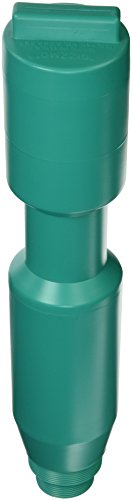
- VC Score9.2
BCP Score is a ranking system developed by bestcleanerproducts.com. BCP Score has no relationship or impact from any manufacturers or sales agent websites. Learn more
- BrandGizzmo
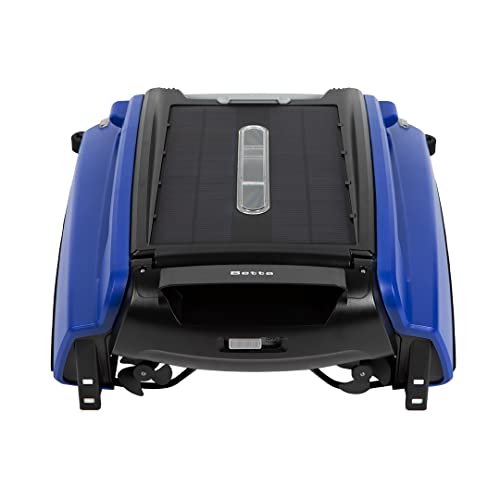
- VC Score9.0
BCP Score is a ranking system developed by bestcleanerproducts.com. BCP Score has no relationship or impact from any manufacturers or sales agent websites. Learn more
- BrandBetta

- VC Score9.0
BCP Score is a ranking system developed by bestcleanerproducts.com. BCP Score has no relationship or impact from any manufacturers or sales agent websites. Learn more
- BrandJED Pool Tools

- VC Score9.0
BCP Score is a ranking system developed by bestcleanerproducts.com. BCP Score has no relationship or impact from any manufacturers or sales agent websites. Learn more
- BrandSEWANTA
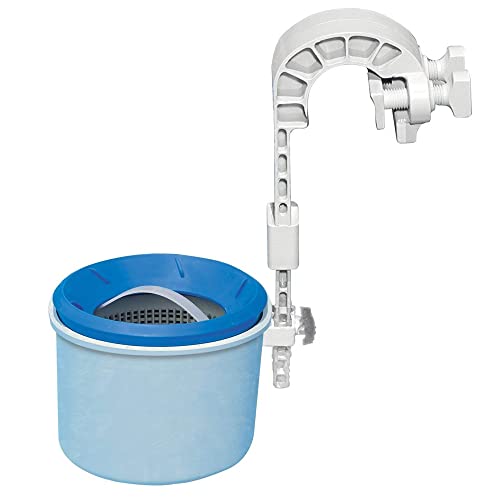
- VC Score8.6
BCP Score is a ranking system developed by bestcleanerproducts.com. BCP Score has no relationship or impact from any manufacturers or sales agent websites. Learn more
- BrandIntex

- VC Score8.6
BCP Score is a ranking system developed by bestcleanerproducts.com. BCP Score has no relationship or impact from any manufacturers or sales agent websites. Learn more
- BrandUNCO

- VC Score8.6
BCP Score is a ranking system developed by bestcleanerproducts.com. BCP Score has no relationship or impact from any manufacturers or sales agent websites. Learn more
- BrandEpesl

- VC Score8.4
BCP Score is a ranking system developed by bestcleanerproducts.com. BCP Score has no relationship or impact from any manufacturers or sales agent websites. Learn more
- BrandSunnyglade

- VC Score7.8
BCP Score is a ranking system developed by bestcleanerproducts.com. BCP Score has no relationship or impact from any manufacturers or sales agent websites. Learn more
- BrandGKanMore

- VC Score7.6
BCP Score is a ranking system developed by bestcleanerproducts.com. BCP Score has no relationship or impact from any manufacturers or sales agent websites. Learn more
- BrandU.S. Pool Supply

- VC Score7.0
BCP Score is a ranking system developed by bestcleanerproducts.com. BCP Score has no relationship or impact from any manufacturers or sales agent websites. Learn more
- BrandSkimmer Vortex
Last update on 2026-10-08 / Affiliate links / Images, Product Titles, and Product Highlights from Amazon Product Advertising API
Frequently Asked Questions
Why is floating debris drifting right past the skimmer mouth?
Debris usually drifts past because your pool water level is too high, drowning the floating flap and stopping the tiny waterfall effect that pulls water inward. It can also happen if your return jets on the pool wall are pointed toward the skimmer opening, creating competing currents that push leaves away. Angle your return jets downward and slightly away from the skimmer so water circulates in a gentle whirlpool around the pool walls.
Where does water go after passing through the skimmer basket?
Water drops through the pipe hole at the bottom of the skimmer box and travels through underground PVC plumbing straight to your pool pump. From the pump, the water gets pushed through your main filter (sand, cartridge, or diatomaceous earth) to strip out microscopic dirt. Once clean, the water passes through your pool heater or chlorinator and gets pumped back into the pool through the return jets.
Can I run my pool pump without a skimmer basket in place?
Never run your pool pump without a skimmer basket. Without the basket, leaves, twigs, insects, and pebbles will get sucked directly into the underground suction pipes. These items can lodge in pipe elbows or jam into the spinning pump impeller, which will starve the motor of water and ruin the pump within minutes.
How often should I empty the skimmer basket?
Empty your skimmer basket at least once or twice a week under normal summer conditions. During windy spring days or autumn when heavy leaves drop, check and empty the basket every single day. If you notice heavy pine needles or grass clippings after mowing the lawn, clear the basket immediately to keep water flowing freely to the pump.


How to Refinish a Fiberglass Pool

How Do You Keep Raccoons Out of Your Pool?

How to Fix Cyanuric Acid in Your Pool

How to Shape a Pool Cue Tip to Stop Miscues

12 Best Automatic Vacuum For Intex Above Ground Pool of 2026 To Keep Vinyl Floors Spotless

10 Best Automatic Pool Vacuum For Above Ground Pool of 2026 To End Manual Scrubbing

How Much Pool Clarifier Should You Use for Your Pool Size?

How Much Does a Pebble Tec Pool Cost to Build or Resurface?


