
How Often Should You Drain Your Pool?

Most pool owners assume that murky water or seasonal closing calls for draining the entire basin. That common habit is a mistake, because an inground plaster pool usually needs to be emptied only every three to five years. Normal sanitation handles almost everything else, so starting over with fresh water is an occasional fix rather than an annual routine.
The right timing depends on the specific pool build, chemical buildup, and underground water. Vinyl liners can wrinkle or tear without water weight, while fiberglass shells can shift, meaning neither surface should ever sit completely dry. Over several summers, dissolved minerals and chlorine stabilizer (a compound that shields chlorine from sunlight) accumulate until chemicals stop clearing the water. Saturated soil also creates upward water pressure that can crack or lift an empty structure out of the ground. Understanding these limits protects your investment before running a drain hose.
Most Inground Pools Only Need Draining Every Few Years
A standard inground concrete or gunite pool usually needs to be drained only once every three to five years. Pool water does not go bad like milk, but it does collect minerals and chemicals that never evaporate. Over several swimming seasons, these dissolved compounds build up until routine pool chemicals stop working properly. When that happens, draining the old water and refilling the pool with fresh tap water resets your water balance.
How often you should drain depends heavily on the specific construction of your pool. Different pool surfaces react differently when you remove the water:
- Concrete and gunite pools: These sturdy plaster-finished pools handle draining every three to five years. The heavy structure can sit empty for a short time during mild weather, making full water refreshes or plaster repairs possible. Proper surface care also plays a direct role in how long an inground pool lasts before needing major resurfacing.
- Fiberglass pools: You should rarely drain a fiberglass pool completely. Fiberglass pools are built as a single flexible shell. Without the weight of water holding the shell in place, pressure from the surrounding soil can cause the walls to bulge inward or bow out of shape.
- Vinyl liner pools: Never drain a vinyl liner pool completely unless you are replacing the liner. Water weight is the only force holding a vinyl liner smooth against the pool floor and walls. If you pull the water out, the liner shrinks, forms permanent wrinkles, and can tear away from the top tracking.
- Seasonal above-ground pools: Small, portable above-ground pools with metal frames or inflatable rings are designed to be emptied annually. Draining them at the end of every summer lets you clean the material, fold the pool up, and store it safely away from winter frost.
Many pool owners wonder if they need to drain their inground pool completely every autumn for the winter. The simple answer is no. Complete winter draining is a dangerous myth that ruins pool surfaces. During winterizing, you only lower the water level four to six inches below the skimmer mouth so water does not freeze inside the plumbing lines. The rest of the water stays in the pool all winter long to protect the structure.
High Stabilizer And Mineral Levels Tell You When To Drain
Cloudy water or a sudden bloom of green algae does not mean you should drain your pool. Most water clarity problems clear up quickly with thorough filtration, brushing, and standard pool shock. You only need to drain when the chemical foundation of the water becomes saturated with dissolved solids that no chemical can fix.
The primary culprit is cyanuric acid (chlorine stabilizer). Chlorine stabilizer shields your chlorine from being destroyed by hot summer sunlight. Most pool owners use three-inch chlorine tablets in floating dispensers or automatic chlorinators. These tablets contain both chlorine and stabilizer. While chlorine gets used up killing bacteria, the stabilizer stays behind in the water forever. As you add more tablets week after week, the stabilizer level creeps higher.
When chlorine stabilizer rises above 100 parts per million, it causes a problem known as chlorine lock. The stabilizer binds tightly to the free chlorine molecules and stops them from sanitizing the water. You can dump bucket after bucket of pool shock into the deep end, yet the water stays cloudy and algae keeps spreading. Because stabilizer does not break down or evaporate, draining off old water is the only practical way to lower it.
A second major factor is total dissolved solids (buildup of dissolved minerals and spent chemicals). Every bag of shock, dose of balancer, and gallon of liquid chlorine leaves microscopic mineral salts in the pool. When total dissolved solids climb higher than 2,500 parts per million above your source tap water, the water feels hard, looks dull, and can leave stubborn white mineral scale along the waterline tiles.
Use this quick checklist to decide if your water is ready for a drain:
- Your chlorine stabilizer level reads above 100 parts per million on a reliable water test.
- Your total dissolved solids level climbs above 2,500 parts per million over your tap water baseline.
- Your free chlorine readings remain near zero despite adding regular shock doses.
- Stiff white calcium crust builds up along the waterline tiles and inside the filter lines.
- The water has not been refreshed in more than five years and feels slick or sticky.
Routine maintenance tasks like backwashing your filter flush out small amounts of water during the season. For instance, understanding how a sand pool filter works helps explain how backwashing sends dirty water down the waste line, which you then replace with fresh hose water. But that small top-off is rarely enough to offset years of stabilizer buildup.
Empty Pools Can Pop Upward Or Crack Under Pressure
Draining an inground pool carries serious structural risks that every homeowner must understand. The greatest hidden danger is hydrostatic pressure (underground water pushing upward against the pool floor). Moisture in the soil creates constant upward pressure under your pool. When your pool is filled, thousands of gallons of heavy water push down against the soil, balancing that pressure out.
When you pump all the water out, you remove that counterweight. If the surrounding soil is damp from seasonal rain or a high natural water table, the underground water can lift the entire concrete or fiberglass shell right out of the ground like a boat. This disaster, known as a popped pool, shatters underground plumbing lines, lifts the concrete patio, and destroys the pool shell beyond simple repair.
Direct sunlight creates another severe hazard for an empty plaster pool. Plaster is formulated to stay submerged under water. When exposed to hot summer air and direct sun, damp plaster dries out unevenly within hours. The surface can bubble, develop hairline spider cracks, or peel away from the rough gunite backing underneath. Plaster repairs can be costly, and reviewing how much a pool remodel costs shows why protecting your existing plaster finish is so important.
Vinyl liner pools face instant ruin if left dry. Once you drain the water, the thin vinyl material loses its elasticity quickly under the sun. It shrinks, pulls away from the wall steps, and tears around the skimmer box and return jets. Even if the liner does not rip immediately, refilling an empty vinyl pool almost always leaves dozens of ugly, permanent wrinkles across the bottom.
If you suspect your yard has high groundwater, or if you live near a creek, lake, or low-lying coastal area, never drain your pool completely without advice from a local professional. Experienced pool builders can open hydrostatic relief valves in the main drain to let ground water equalize safely, preventing shell damage.
Partial Drains Solve Water Problems Much Safer Than Full Drains
In most residential situations, you do not need to empty your pool completely to fix bad water chemistry. A partial drain, also called the dilution method, is far safer and accomplishes the exact same goal without exposing your pool shell to catastrophic damage.
During a partial drain, you pump out one-third to one-half of your pool water, leaving the deep end floor completely covered. Then you refill the pool with fresh water from your garden hose. If your stabilizer level is reading at an unworkable 120 parts per million, draining half the pool and refilling it cuts that number in half, landing you at a clean, manageable 60 parts per million.
A partial drain keeps thousands of gallons of water in the deep end, which maintains enough downward weight to stop underground water from lifting the structure. It also keeps your plaster wet and shielded from baking summer heat. For vinyl liner pools, keeping at least a foot of water in the shallow end prevents the liner from shifting, shrinking, or tearing off its tracking.
Full drains should be reserved strictly for major structural renovations, such as replastering concrete, repairing cracks, or replacing a ruined vinyl liner. For routine chemical resets, draining off thirty to fifty percent of your water volume is the gold standard for pool safety.
Draining Water Safely Requires A Portable Pump And Careful Planning
When you are ready to lower your pool water, follow these steps to protect your pool equipment, your yard, and your pool surface.
- Check the weather and ground conditions: Never drain pool water during rainy weeks or immediately after heavy storms when the soil is soaked. Choose a dry stretch of mild weather when temperatures are below eighty-five degrees so direct sun does not bake exposed plaster.
- Shut down your main pool equipment: Turn off your circulation pump, chlorinator, and automated timers at the breaker box. Never use your main pool filter pump to empty the pool. Once the water level drops below the skimmer door, the pump will suck air into the pipes, lose its prime, and burn out the motor in minutes.
- Set up a submersible pump: Lower a submersible pump (a portable electric pump placed directly into pool water) into the deepest area of the pool floor. Rest the pump on a flat rubber mat or an old plastic lid so the suction intake does not scratch your plaster or pinch your vinyl liner.
- Route the discharge hose responsibly: Run a heavy drain hose from the pump to an approved drainage location. The safest spot is usually your home sewer cleanout port, which sends the water directly into the municipal waste system. If you drain onto your lawn, verify that local town ordinances allow it, and test your water first to ensure the chlorine level has dropped to zero so you do not kill your grass.
- Plug into a protected electrical outlet: Plug the pump cord into an outdoor GFCI outlet (a protected ground-fault outlet with a weatherproof cover). Keep all extension cord connections elevated on dry chairs or buckets away from puddles. Never swim, wade, or touch the water while an electric pump is plugged in and running.
- Monitor the water level constantly: Check the pump every hour. Make sure the discharge hose has not kinked, slipped out of place, or flooded your basement or your neighbor's yard. As soon as the water reaches your target depth, unplug the pump right away so it does not run dry.
- Refill the pool immediately: Do not leave the pool sitting dry while you run errands or wait for the weekend. Drop garden hoses into the deep end right away and turn the water on. Rapid refilling keeps plaster hydrated, restores anchoring weight, and gets your filtration system back online fast.
Choose A Dedicated Submersible Pump To Remove Water Safely
Attempting to drain a pool using your existing filtration equipment is a fast way to ruin expensive pool machinery. Dedicated submersible utility pumps and pool cover pumps are designed specifically to operate completely underwater and pull water from the very bottom of the basin without losing prime.
When selecting a pump for draining or lowering your pool water, focus on motor power and vertical lift capacity. A pool pump must push water upward out of an eight-foot or ten-foot deep end and across your yard to a sewer port. Look for utility pumps with durable thermoplastic bodies that resist pool chemicals, along with built-in thermal overload protection that shuts the motor off safely if it gets too hot.
Cord length is another critical feature to verify before purchasing. Because electrical safety requires plugging directly into an outdoor GFCI outlet without daisy-chaining risky indoor extension cords, choosing a pump with a generous power cord makes setup much simpler. Make sure the discharge fitting accepts standard garden hose threads or wider drainage flat-hoses so water exits quickly without bottlenecking the motor.
If you manage an above-ground pool, specialized garden hose drain plug adapters are also helpful tools. These small fittings screw directly into the manufacturer drain valve on the lower wall of round metal-frame or soft-sided pools, allowing you to connect a regular hose and direct runoff away from the pool foundation without buying an electric motor.

- VC Score9.2
BCP Score is a ranking system developed by bestcleanerproducts.com. BCP Score has no relationship or impact from any manufacturers or sales agent websites. Learn more
- BrandSuperior Pump

- VC Score9.0
BCP Score is a ranking system developed by bestcleanerproducts.com. BCP Score has no relationship or impact from any manufacturers or sales agent websites. Learn more
- BrandFibroPool
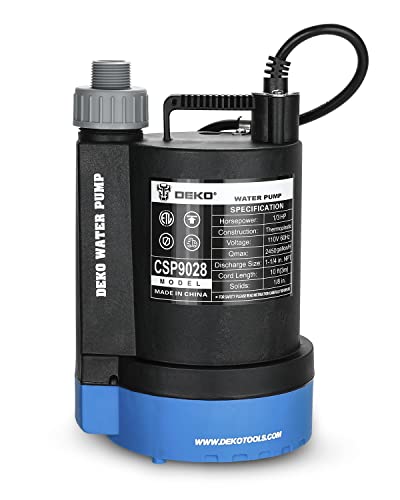
- VC Score8.8
BCP Score is a ranking system developed by bestcleanerproducts.com. BCP Score has no relationship or impact from any manufacturers or sales agent websites. Learn more
- BrandDEKOPRO

- VC Score8.8
BCP Score is a ranking system developed by bestcleanerproducts.com. BCP Score has no relationship or impact from any manufacturers or sales agent websites. Learn more
- BrandAgiiMan

- VC Score8.6
BCP Score is a ranking system developed by bestcleanerproducts.com. BCP Score has no relationship or impact from any manufacturers or sales agent websites. Learn more
- BrandLnicez

- VC Score8.6
BCP Score is a ranking system developed by bestcleanerproducts.com. BCP Score has no relationship or impact from any manufacturers or sales agent websites. Learn more
- Brand6699

- VC Score7.8
BCP Score is a ranking system developed by bestcleanerproducts.com. BCP Score has no relationship or impact from any manufacturers or sales agent websites. Learn more
- BrandRO6G

- VC Score6.8
BCP Score is a ranking system developed by bestcleanerproducts.com. BCP Score has no relationship or impact from any manufacturers or sales agent websites. Learn more
- BrandXimoon

- VC Score6.8
BCP Score is a ranking system developed by bestcleanerproducts.com. BCP Score has no relationship or impact from any manufacturers or sales agent websites. Learn more
- BrandTxdiyifu

- VC Score6.8
BCP Score is a ranking system developed by bestcleanerproducts.com. BCP Score has no relationship or impact from any manufacturers or sales agent websites. Learn more
- BrandPokin
Last update on 2026-10-08 / Affiliate links / Images, Product Titles, and Product Highlights from Amazon Product Advertising API


How to Refinish a Fiberglass Pool

How Do You Keep Raccoons Out of Your Pool?

How to Fix Cyanuric Acid in Your Pool

How to Shape a Pool Cue Tip to Stop Miscues

12 Best Automatic Vacuum For Intex Above Ground Pool of 2026 To Keep Vinyl Floors Spotless

10 Best Automatic Pool Vacuum For Above Ground Pool of 2026 To End Manual Scrubbing

How Much Pool Clarifier Should You Use for Your Pool Size?

How Much Does a Pebble Tec Pool Cost to Build or Resurface?








