
How Do Automatic Pool Vacuums Work?

Keeping swimming pool water clean does not require complicated mechanical knowledge. In plain terms, automatic vacuums drive across the pool floor using water flow or small electric motors, pulling dirt and leaves into a collection zone before gunk settles. Some glide gently on wheels, while others crawl on rubber treads to scrub surfaces and climb walls.
How a vacuum does this work depends on three simple factors: its cleaner style, its power source, and where it catches debris. Skimmer-connected models rely on the suction from your existing pool pump, pressure-style units feed on returning water streams, and robotic cleaners work completely independently with internal motors and onboard filter baskets. Here is a clear look at how each system gets the job done.
Understand Where Your Cleaner Gets Its Power Before You Connect Anything
An automatic pool vacuum drives across the pool floor to collect dirt so you do not have to push a manual vacuum pole every weekend. While every model serves that same basic purpose, the way they move and gather dirt comes down to their power source. Every cleaner requires two things to clean your pool: physical force to push it across the pool surface and suction to pull debris off the floor. Automatic pool cleaners fall into three mechanical families based on where they get that energy.
The first family consists of suction-side cleaners, which connect directly to your pool skimmer (the pool wall basket that catches floating debris) or a dedicated suction port. These cleaners use the pulling power created by your main pool filter pump. The second family consists of pressure-side cleaners, which attach to the return jets where clean water shoots back into the pool. These units use the outgoing force of rushing water, often boosted by an auxiliary pump, to push dirt into an attached bag. The third family consists of electric robotic cleaners, which do not plug into your pool plumbing at all. Instead, they use small, sealed electric motors powered by an outdoor electrical outlet or an onboard rechargeable battery pack.
Deciding which setup works best in your backyard depends directly on how your pool plumbing is built and how you operate your equipment. When you choose a cleaner that relies on your pool pump, its cleaning cycle is tied to your daily filtration schedule. You can learn more about balancing cleaner runtimes by checking how often to run your pool pump during the swimming season. Choosing a self-contained robot, on the other hand, shifts that mechanical strain entirely away from your pool plumbing.
Hook Up Suction Cleaners Through Your Skimmer Like a Giant Drinking Straw
A suction-side cleaner is the simplest mechanical system you can add to a pool. To set one up, you assemble sectional plastic hoses, fill them completely with pool water so you do not push trapped air into your equipment, and push the hose cuff into your skimmer suction hole. Once your pool pump turns on, it draws water through the vacuum body just like someone sipping through a long plastic straw.
The vacuum body glides across the floor while drawing water through a narrow intake opening on its underside. As water rushes into that gap, it pulls loose sand, dead algae, and small leaves off the floor. To turn that continuous rush of water into physical forward movement, suction cleaners use one of two internal drive systems:
- Mechanical flapper valves or rubber diaphragms: Many classic suction cleaners contain a flexible rubber diaphragm or a swinging plastic flapper inside their throat. As water rushes past, the rubber diaphragm rapidly collapses and snaps open again. This rapid pulsing action breaks the suction for a split second, allowing the vacuum to jerk forward a fraction of an inch at a time across the plaster or vinyl.
- Internal turbine drive wheels: Other suction models direct incoming water across the blades of an internal plastic turbine. The spinning turbine turns small drive gears connected to rubber tracks or drive wheels, rolling the machine smoothly across the floor instead of hopping.
The main trade-off with suction cleaners is where the collected dirt ends up. Every speck of debris pulled from your pool floor travels straight through the hose, through your underground pipes, and into your pump strainer basket or pool filter. If your pool collects large oak leaves or heavy twigs, your skimmer basket or pump pot can choke quickly. When water flow drops because of a full basket, your pump can suffer from cavitation (the pump running dry or sucking air). Running dry causes pool pump seals to overheat and warp. Always turn off the circulation pump before disconnecting suction hoses to protect your hands and prevent suction entrapment.
Harness Return Jets and Booster Pumps for Pressure-Side Sweeping
A pressure-side cleaner works in the exact opposite direction of a suction cleaner. Instead of pulling water into the pool plumbing, this cleaner plugs into a threaded return line on the pool wall where clean, filtered water is pushed back into the pool. Because normal circulation flow is often too gentle to drive a heavy cleaner, many pressure systems require a dedicated booster pump plumbed beside your main filter pump at the equipment pad.
Water enters the vacuum through a high-pressure hose and splits into distinct streams inside the machine body. One stream turns an internal water turbine connected to drive axles, spinning large rubber wheels that propel the unit across the pool floor. Another stream shoots out the back through a flexible sweep tail, a hose that whips rhythmically across the floor to kick up fine dust so the main pool drains can pull it out.
To pick up debris, pressure cleaners rely on a physical principle called the Venturi effect. High-speed water shoots upward through a narrow nozzle into an upright vacuum throat. As this concentrated jet of water speeds upward, it creates a sudden drop in air pressure around the opening beneath the cleaner. That pressure drop pulls a massive volume of surrounding pool water and heavy debris straight up from the floor, depositing it into an attached mesh collection bag mounted on top of the cleaner.
Because all leaves, acorns, and pebbles collect directly inside that top mesh bag, debris never enters your skimmer, underground pipes, or main filter. This makes pressure cleaners exceptionally reliable for yards with heavy overhanging trees. You can let the cleaner run its cycle without worrying about clogging your main pump basket or choking your pool filter.
Drop In an Independent Robotic Cleaner to Run on Its Own Electric Power
A robotic pool vacuum operates completely detached from your pool plumbing, skimmer, and filter equipment. You simply drop the machine into the water, let the air escape from its internal body so it sinks to the bottom, and plug the power cord into a specialized control box or power supply unit sitting beside the pool deck. Cordless robotic models drop the floating cord entirely, running on sealed internal lithium-ion battery packs that you recharge between uses.
Inside the waterproof chassis of the robot, you will find two separate motor systems working together:
- The water pump motor: A high-speed electric motor spins an internal water impeller. This fan pulls water in through the bottom of the cleaner at high volume and blasts it out through an exhaust port on the top of the casing.
- The drive motors: One or two low-voltage drive motors turn rubber tracks or drive wheels. These motors roll the cleaner along the floor while rotating high-speed front scrub brushes that peel stuck algae and fine dust off the surface before the intake passes over it.
As the impeller pulls pool water through the bottom of the vacuum, the water passes through an onboard filter basket or collection canister before shooting out the top exhaust. Fine silt, bugs, sand, and hair get trapped in the robot filter panels, which you rinse clean with a garden hose after each cycle. The strong downward push created by the top exhaust vent forces the robot tightly against the pool surface. This downward force allows the rubber tracks to climb vertical walls all the way to the waterline (the tile border where water meets the pool wall), scrubbing away scum lines.
Electrical safety is built directly into modern corded pool robots. The power supply unit steps down standard 120-volt household power to a safe low-voltage direct current before sending it down the floating cord. Always plug the control box into an outdoor GFCI outlet (a protected ground-fault outlet with a weatherproof cover) and place the power box at least 10 feet back from the water edge. Never allow anyone to swim while any cleaner or power cord is inside the pool.
Watch How Your Cleaner Steers to Prevent It From Getting Trapped
A pool vacuum cannot clean your entire pool if it gets stuck running back and forth over the same three feet of plaster. Because automatic cleaners do not have a human hand guiding them, manufacturers use specific steering designs to help them navigate drains, steps, ladders, and tight corners.
- Hose swivels and bumper wheels: Suction-side cleaners use rotating hose joints and rounded front bumpers. When the vacuum hits a pool wall or stair riser, the mechanical resistance causes the body to pivot on its swivel joint, redirecting it across the floor in a brand-new direction.
- Mechanical backup valves: Many pressure-side cleaners have a small plastic backup valve spliced into their feed hose. Every few minutes, an internal gear mechanism temporarily diverts water through a side nozzle on the valve. This water jet lifts the cleaner off the pool floor and pulls it backward into open water, freeing it from corners or drain covers.
- Computer sensors and internal gyroscopes: Robotic cleaners rely on electronic navigation systems. Tilt sensors and gyroscopes detect when the robot has climbed a wall, reached the waterline, or gotten stuck on a raised main drain cover. The onboard computer stops one drive track and spins the other, turning the robot 90 degrees before it resumes cleaning along a new line.
If your vacuum begins wandering in small circles or stops covering the shallow end, you can usually track the problem down to three simple mechanical issues. Check that the hose swivel rotates freely without grit jamming the joint. Inspect the underside drive tracks or rubber skirts to confirm they have not worn down flat against the pool floor. Finally, confirm your cleaner is getting proper water flow or adequate battery charge, as weak power prevents cleaners from climbing out of the deep end.
Match the Drive System to Your Pool Surface and Daily Cleaning Needs
Picking the right automatic cleaner requires matching the drive mechanism to your pool size, your pool finish, and the type of dirt that falls into your yard. Understanding how these machines move helps prevent common problems like torn liners, stripped gears, or underpowered pumps.
Start by looking closely at your pool interior. A vinyl liner pool has slick walls and a delicate bottom sheet that can tear if subjected to aggressive plastic edges. In these pools, look for cleaners equipped with soft rubber drive wheels or smooth bumper skirts that glide gently over seams. Understanding these surface limits is essential when planning how long above-ground pools last under normal seasonal use. Rough concrete or gunite plaster requires thick, durable rubber tracks that can handle heavy friction without wearing through. Slick fiberglass pools and glassy waterline tiles need specialized climbing rings or ultra-soft foam rollers, which give drive wheels enough grip to climb vertical slopes without sliding back down.
Next, evaluate your plumbing and pump setup. If your pool has a smaller filtration pump with limited horsepower, connecting a heavy suction cleaner might reduce circulation to a crawl. In that situation, an independent robotic cleaner is the safest option because it cleans the floor without stealing water pressure from your filter. If your pool is surrounded by heavy trees dropping thick twigs and leaves, a pressure cleaner with a wide sweep bag prevents your underground plumbing pipes from clogging. Measure your pool dimensions in feet from the skimmer to the furthest corner to ensure your cleaner hose or power cable has enough slack to reach every corner without pulling tight.

- VC Score8.8
BCP Score is a ranking system developed by bestcleanerproducts.com. BCP Score has no relationship or impact from any manufacturers or sales agent websites. Learn more
- BrandBaopilong

- VC Score8.4
BCP Score is a ranking system developed by bestcleanerproducts.com. BCP Score has no relationship or impact from any manufacturers or sales agent websites. Learn more
- BrandAIRROBO
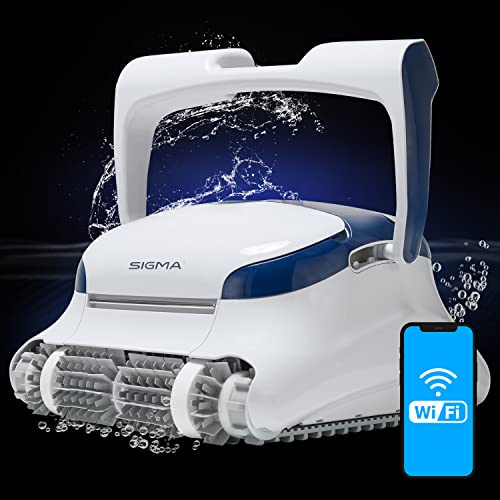
- VC Score8.4
BCP Score is a ranking system developed by bestcleanerproducts.com. BCP Score has no relationship or impact from any manufacturers or sales agent websites. Learn more
- BrandDolphin

- VC Score8.2
BCP Score is a ranking system developed by bestcleanerproducts.com. BCP Score has no relationship or impact from any manufacturers or sales agent websites. Learn more
- BrandSMOROBOT

- VC Score8.2
BCP Score is a ranking system developed by bestcleanerproducts.com. BCP Score has no relationship or impact from any manufacturers or sales agent websites. Learn more
- BrandAIPER

- VC Score7.8
BCP Score is a ranking system developed by bestcleanerproducts.com. BCP Score has no relationship or impact from any manufacturers or sales agent websites. Learn more
- BrandAIPER

XtremepowerUS Premium Automatic Suction Vacuum-generic Climb Wall Pool Cleaner Sweeper
View on Amazon- VC Score7.8
BCP Score is a ranking system developed by bestcleanerproducts.com. BCP Score has no relationship or impact from any manufacturers or sales agent websites. Learn more
- BrandXtremepowerUS

- VC Score7.6
BCP Score is a ranking system developed by bestcleanerproducts.com. BCP Score has no relationship or impact from any manufacturers or sales agent websites. Learn more
- BrandAIPER

- VC Score7.6
BCP Score is a ranking system developed by bestcleanerproducts.com. BCP Score has no relationship or impact from any manufacturers or sales agent websites. Learn more
- BrandU.S. Pool Supply

- VC Score7.6
BCP Score is a ranking system developed by bestcleanerproducts.com. BCP Score has no relationship or impact from any manufacturers or sales agent websites. Learn more
- BrandWYBOT

- VC Score7.0
BCP Score is a ranking system developed by bestcleanerproducts.com. BCP Score has no relationship or impact from any manufacturers or sales agent websites. Learn more
- BrandGrennix
Last update on 2026-10-08 / Affiliate links / Images, Product Titles, and Product Highlights from Amazon Product Advertising API
FAQs
Do automatic pool vacuums use electricity underwater?
Robotic pool cleaners use electricity, but they are engineered to be completely safe in swimming pools. The power supply unit stays on the dry pool deck and converts standard household power into low-voltage direct current before sending it down the water-sealed cord. Cordless models run on self-contained, watertight battery packs. Suction-side and pressure-side cleaners use no electricity underwater at all, moving entirely through the hydraulic force of circulating pool water.
Can an automatic pool vacuum run while people are swimming?
You should never allow anyone to swim while an automatic pool vacuum is operating in the pool. Floating cables and long vacuum hoses present serious entanglement hazards for swimmers, especially children playing underwater. In addition, suction cleaners create strong intake force near their base, which can create a suction entrapment risk. Always turn off the equipment, lift the vacuum out of the pool, and store it on the deck before swimming.
Why does my suction pool vacuum keep getting stuck on the main drain?
A suction cleaner usually gets stuck on a main drain because the pool pump is pulling water through both the vacuum and the floor drain at the same time. When the vacuum rolls over the drain cover, the downward suction from the drain pulls the cleaner body tight against the bottom grate. You can usually solve this by turning the valve at your equipment pad to direct more suction to the skimmer line and less suction to the main drain. Worn underside skirts or rounded bumper wings on the cleaner can also let it drop too low over drain edges.
Will an automatic vacuum replace the need to scrub and brush my pool?
An automatic vacuum handles daily floor sweeping and leaf pickup, but it cannot completely replace manual brushing. Automatic vacuums rarely clean tight stair corners, shallow swim-out ledges, or the spaces tucked behind pool ladders. Furthermore, clinging microscopic algae must be scrubbed loose from plaster pores with a pool wall brush so the water circulation can carry it away. Think of an automatic pool cleaner as your daily maintenance helper, while manual brushing remains an essential weekly task.


How to Refinish a Fiberglass Pool

How Do You Keep Raccoons Out of Your Pool?

How to Fix Cyanuric Acid in Your Pool

How to Shape a Pool Cue Tip to Stop Miscues

12 Best Automatic Vacuum For Intex Above Ground Pool of 2026 To Keep Vinyl Floors Spotless

10 Best Automatic Pool Vacuum For Above Ground Pool of 2026 To End Manual Scrubbing

How Much Pool Clarifier Should You Use for Your Pool Size?

How Much Does a Pebble Tec Pool Cost to Build or Resurface?


