
How to Use a Robotic Pool Cleaner Safely

Running a pool robot for the first time can feel intimidating around water and power, but there is nothing to worry about. The basic routine is simple: lower the machine into the water by its handle, rock it gently until trapped air escapes, let it sink to the floor, and start the cycle. When cleaning ends, guide it to the waterline and lift it out using the handle instead of pulling the cord.
A few details change your exact routine. Corded models need their outdoor control box placed safely away from the pool edge, while battery units charge on dry land first. Never drop the cleaner into water that was just shocked, since high chlorine wears down rubber seals. Yards with heavy leaves may also need a quick basket rinse mid-cycle. The walk-through below covers every step from launch to cleanup.
What should you check before putting it in the pool?
A common doubt when unboxing a robotic cleaner is whether you need to connect hoses to your skimmer or pool pump. You do not. Robotic cleaners operate independently from your pool plumbing. They have their own electric motor, internal pump, and debris basket. Knowing how to choose the right pool pump helps with general circulation, but your robot runs without touching your suction lines.
Before placing the robot in the water, check these key items:
- Water chemistry: Check your sanitizer levels. Never run a cleaner right after adding pool shock (a concentrated dose of chlorine used to sanitize water quickly). High chlorine burns out rubber seals, discolors plastics, and weakens drive belts. Wait until chlorine returns to normal swimming levels.
- Water temperature: Confirm your water is within normal operating temperatures. Running an electric cleaner in near-freezing water makes plastic brittle and strains the motor.
- Large debris and toys: Scoop out tree branches and toys by hand. Large twigs can jam the impeller (the small water-pumping fan on top) and shut down the machine.
- Power supply setup: Plug corded units into an outdoor GFCI outlet (a safety wall outlet that cuts power instantly if moisture is detected). Keep the outdoor control box at least 10 feet back from the pool edge. Never use an extension cord poolside, as voltage drops can overheat the motor.
- Swimmer safety: Never allow people or pets to swim while an electric cleaner or power cord is inside the pool.
How do you submerge and start the cleaner properly?
Lowering the robot into the water correctly stops it from floating or tipping over. If you simply drop it in, air gets trapped inside the chassis, leaving the robot bobbing at the surface like a pool raft.
Follow these steps to sink and launch your cleaner:
- Untangle the cord: For corded models, lay the tangle-free cord out straight along the pool deck in the sun to soften any kinks. Place the outdoor control box near the midpoint of the pool's longest side so the cord reaches both ends evenly.
- Lower by the handle: Grab the machine by its built-in carry handle. Never lift or swing it by the power cord. Place the cleaner in the water at the pool edge, holding it just under the surface.
- Release trapped air: Slowly tilt the machine forward, backward, and side to side underwater. You will see air bubbles rush out around the impeller fan and the internal debris chamber.
- Let it sink: Once the bubbling stops completely, release the handle. The cleaner will sink straight down and land flat on its rubber tracks or drive wheels.
- Feed only necessary cord: For corded units, feed just enough floating cord into the pool to reach the furthest corner. Keep excess cord loosely looped on the deck. Dumping all the cord into the water causes tangles as the machine turns.
- Start the cycle: Plug the cleaner cord into the outdoor control box and press the power button. For cordless battery cleaners, switch the power on right before lowering the machine into the water.
What is the safest way to pull it out?
Pulling a robotic cleaner out incorrectly can damage the machine or strain your back. Full of water, a robot can weigh thirty pounds or more.
Follow these steps to retrieve and drain your cleaner safely:
- Shut off power: Turn off the outdoor control box or confirm the cycle has finished before reaching for the cleaner. Never retrieve a machine while the motor is spinning.
- Guide it to the edge: For corded units, take hold of the floating cord and pull gently hand-over-hand until the robot reaches the poolside. Stop pulling the cord once the robot reaches the wall. For cordless models, hook the handle using a pole hook and bring it to the edge.
- Switch grip to the handle: Reach down and firmly grasp the rigid carry handle. Never hoist the robot out of the water by its cord. Pulling the cord stretches internal wiring and ruins watertight motor seals.
- Drain at the waterline: Lift the unit halfway out of the water and hold it against the pool edge for 15 to 20 seconds. Water will empty quickly through the rear drain flaps.
- Set it on the deck: Once the water drains and the machine feels light, lift it with both hands onto the deck, clear of walkways.
How do you clean the filter and store the machine?
Leaving dirt inside your cleaner reduces suction, stains parts, and makes the motor work harder on its next run. Cleaning the filter right after a cycle takes only minutes.
Open the top lid or release the bottom latch to remove the filter basket or collection canister. If your cleaner uses a cartridge (a removable fine-mesh filter panel), slide the panels out from their frame. Dump loose leaves, bugs, and sand into the trash.
Rinse the filter material with a garden hose nozzle from the outside in. This washes dirt out of the mesh without pushing it deeper into the fabric. Avoid using a pressure washer, which can tear fine mesh. Rinse the empty bay inside the body to flush out grit, then click the filters back into place.
Never leave your robotic cleaner in the pool full time. Constant chlorine and sun exposure degrade plastics, wear out rubber belts, and bleach exterior housings. Store the machine on a caddy or flat on the floor in a shaded, covered space like a garage or shed.
Why is your cleaner floating or getting stuck on drains?
Small hiccups can occasionally interrupt a cleaning cycle. Here is what causes common operational problems and how to solve them:
- The robot floats instead of sinking: Air is trapped inside the body. Pull the unit up, tilt it underwater until all bubbles escape, and lower it again. If your model has foam climbing rings on the brush rollers, squeeze the dry foam underwater by hand until it absorbs water like a sponge. Clogged filter panels can also trap air, so rinse them clean.
- The robot catches on the main drain: High-profile drain covers can high-center the robot. Dial back pool pump suction to the bottom drain so the robot is not sucked downward. You can also add a drain ramp ring to help wheels roll over smoothly.
- The cleaner gets stuck behind ladders: Tight gaps behind pool ladders can wedge a cleaner in place. If you are building or securing a sturdy pool ladder that will not float, ensure clearance allows the robot to pass freely, or install a ladder shield.
- The cord twists into knots: Too much floating cord in the water causes tangles. Only give the robot enough cord to reach the furthest corner. Also check your pool return jets; if they push water across the surface, point them downward so they do not spin the cord in circles.
- The cleaner slips while climbing walls: A robot that struggles to reach the waterline (the tile border where water meets the pool wall) often has dirty filter panels. Restricted water flow reduces downforce. Clean the baskets and inspect the drive tracks for wear.
What features should you look for in a cleaner?
Matching a robotic cleaner to your pool layout ensures simple operation and fewer headaches down the road.
Start by weighing corded versus cordless designs. Corded electric models connect to an outdoor control box, providing continuous cleaning power and programmable scheduling so you can run cleaning cycles automatically. Cordless battery units eliminate cords across your deck and park automatically near a wall when finished, but they require regular recharging on land and run for limited cycle times.
Next, look at your pool surface. Smooth fiberglass and slick tile require cleaners with soft foam climbing rings for proper traction. Rough plaster, concrete, gunite, and pebble aggregate pools work best with durable rubber tracks that handle textured surfaces without slipping. For a vinyl liner, make sure the unit uses soft rubber brushes that clean thoroughly without catching on seams.
Finally, evaluate debris needs and cleaning coverage. Yards with heavy leaves need large top-access baskets, while pools with fine sand or pollen benefit from ultra-fine filter panels. If you only need floor cleaning, basic models suffice. If you want spotless walls and tile lines, choose a machine designed for full wall climbing and waterline scrubbing.

- VC Score9.0
BCP Score is a ranking system developed by bestcleanerproducts.com. BCP Score has no relationship or impact from any manufacturers or sales agent websites. Learn more
- BrandDolphin
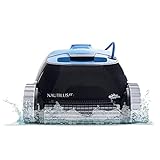
- VC Score8.8
BCP Score is a ranking system developed by bestcleanerproducts.com. BCP Score has no relationship or impact from any manufacturers or sales agent websites. Learn more
- BrandDolphin
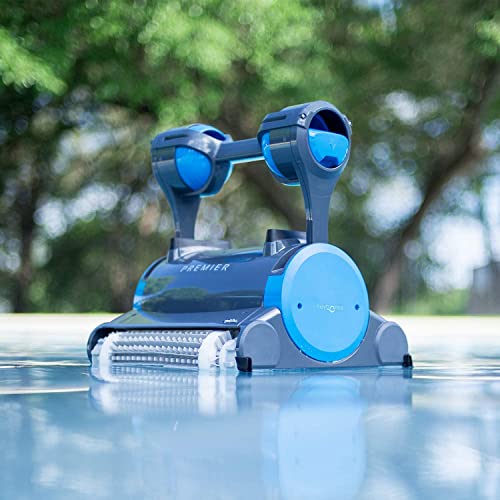
- VC Score8.8
BCP Score is a ranking system developed by bestcleanerproducts.com. BCP Score has no relationship or impact from any manufacturers or sales agent websites. Learn more
- BrandDolphin
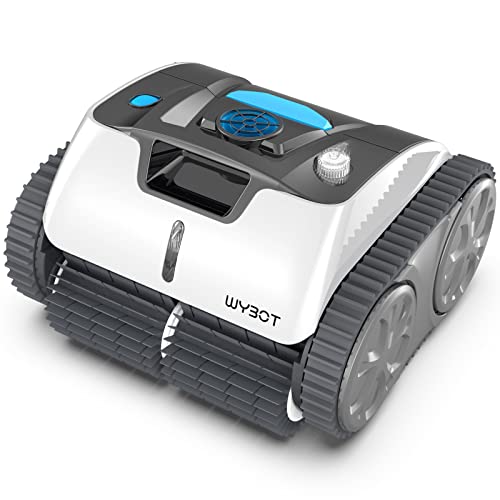
- VC Score8.0
BCP Score is a ranking system developed by bestcleanerproducts.com. BCP Score has no relationship or impact from any manufacturers or sales agent websites. Learn more
- BrandWYBOT
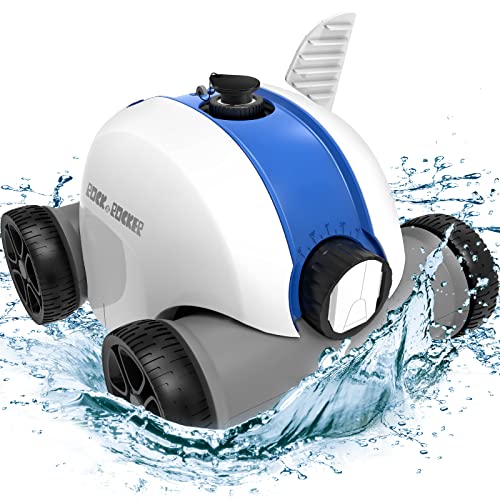
- VC Score7.8
BCP Score is a ranking system developed by bestcleanerproducts.com. BCP Score has no relationship or impact from any manufacturers or sales agent websites. Learn more
- BrandPAXCESS

- VC Score7.6
BCP Score is a ranking system developed by bestcleanerproducts.com. BCP Score has no relationship or impact from any manufacturers or sales agent websites. Learn more
- BrandRock&Rocker

- VC Score7.6
BCP Score is a ranking system developed by bestcleanerproducts.com. BCP Score has no relationship or impact from any manufacturers or sales agent websites. Learn more
- BrandWYBOT

- VC Score5.8
BCP Score is a ranking system developed by bestcleanerproducts.com. BCP Score has no relationship or impact from any manufacturers or sales agent websites. Learn more
- BrandHDPEAK
Last update on 2026-10-08 / Affiliate links / Images, Product Titles, and Product Highlights from Amazon Product Advertising API
FAQs
Can you swim while the robotic pool cleaner runs?
No, never swim while a robotic cleaner is in the pool. Floating cords pose entanglement risks, and swimmers disrupt the machine's cleaning path. Even with low-voltage systems and GFCI safety outlets, keeping people out of the pool while electrical equipment operates is standard safety practice.
How often should you run a robotic pool cleaner?
Running your cleaner two to three times per week keeps floors clean and cuts down on algae growth during swimming season. After storms or heavy yard fall, running it daily prevents leaves from decaying on pool surfaces. In winter or when the pool is covered, once every week or two is usually plenty.
Does a robotic cleaner replace manual vacuuming completely?
A robotic cleaner handles the vast majority of regular floor and wall cleaning, eliminating most manual vacuum sessions. However, you will still need a manual brush for tight corners, shallow steps, and narrow areas around ladders where the robot cannot fit.
Why does the cleaner stop before finishing its cycle?
Robotic cleaners usually halt mid-cycle if the filter basket fills completely or debris jams the drive system. Twigs or acorns caught in the impeller fan will trigger an automatic shutoff to protect the motor. Unplug the machine, inspect the impeller opening, empty the basket, and restart the cycle.


How to Refinish a Fiberglass Pool

How Do You Keep Raccoons Out of Your Pool?

How to Fix Cyanuric Acid in Your Pool

How to Shape a Pool Cue Tip to Stop Miscues

12 Best Automatic Vacuum For Intex Above Ground Pool of 2026 To Keep Vinyl Floors Spotless

10 Best Automatic Pool Vacuum For Above Ground Pool of 2026 To End Manual Scrubbing

How Much Pool Clarifier Should You Use for Your Pool Size?

How Much Does a Pebble Tec Pool Cost to Build or Resurface?








