
How to Safely Use Liquid Chlorine in a Pool

Switch on the filter pump at dusk and pour liquid chlorine slowly into the deep end right in front of a running water jet. Doing this after sunset keeps daylight from burning off the chemical before it cleans the pool water. The rushing stream sweeps the heavy sanitizer across the deep basin, keeping the strong liquid from sinking and bleaching your pool floor.
The exact dose changes with the total size of your pool and your current chemical readings. Water lacking chlorine stabilizer, the compound that acts like a sun shield, will also lose sanitizer much faster. Swimmer traffic and warm weather bump up the required amount as well. Getting the numbers right protects both your pool surfaces and your family, starting with a quick check of the water.
Checking Your Water and Calculating the Right Dose
Before you open a bottle of liquid chlorine, you need to know two simple numbers: how much water your pool holds and your current chemical balance. Pouring chlorine without knowing these numbers leads to guessing, which either leaves your pool full of cloudy algae or wastes money on chemicals you do not need.
Calculating your pool water volume is simple math based on pool shape. For a standard rectangular pool, multiply the length in feet by the width in feet, multiply that by the average depth in feet, and multiply the final number by 7.5. For a round above-ground pool, multiply the diameter by the diameter, multiply by the average depth, and multiply by 5.9. If you have an irregular freeform pool, check your original builder documents or pool permit to find the exact gallon rating.
Next, grab your measuring strips or liquid drop kit to measure three key readings:
- Active Sanitizing Chlorine: Your goal is to keep this between 1 and 4 parts per million (ppm). If your water reads below 1 ppm, your pool is unprotected against bacteria and algae.
- Water pH: Keep your pH reading between 7.4 and 7.6. If your pH climbs above 7.8, liquid chlorine loses more than half of its sanitizing strength before it can kill anything.
- Chlorine Stabilizer (Sun Shield): This chemical protects active chlorine from breaking down under direct sun. Your pool water needs a stabilizer reading between 30 and 50 ppm. Without stabilizer, the midday sun can destroy up to ninety percent of your liquid chlorine in less than three hours.
Once you know your water volume and your current chlorine level, you can measure your dose. Standard commercial pool shock usually contains 12.5% sodium hypochlorite, which is about twice as strong as household laundry bleach. As an everyday rule of thumb, adding 10 to 12 fluid ounces of 12.5% liquid chlorine to a 10,000-gallon pool raises your active chlorine reading by 1 ppm. For example, if you own a 20,000-gallon pool sitting at 0 ppm and you want to bring it to a healthy 3 ppm, you need about 64 to 72 fluid ounces, which is roughly half of a standard one-gallon jug.
How to Pour Liquid Chlorine Safely: Step-by-Step
Pouring concentrated chemicals requires steady hands and a deliberate order of operations. Follow these numbered steps to add liquid chlorine to your water without splashing your clothes, staining your deck, or damaging your pool surface.
- Put on protective gear before opening the container. Wear wraparound safety glasses and thick chemical-resistant rubber gloves. Reason: Liquid chlorine contains concentrated sodium hypochlorite at 12.5% strength, which can cause severe skin burns and immediate eye damage if a drop splashes upward.
- Turn on your pool pump and adjust the return jets. Make sure the circulation pump is running on high and angle your return jet (the wall nozzle pushing clean water into the pool) slightly downward toward the middle of the basin. Reason: Active water circulation immediately grabs the chemical and mixes it through the entire pool rather than letting it sit in one spot.
- Wait until dusk or after the sun goes down. Check the sky and wait until the sun drops below the tree line before uncapping your jugs. Reason: Ultraviolet rays from direct sunlight destroy fresh liquid chlorine within hours, so adding it at night gives the chemical eight hours of darkness to sanitize without interference.
- Walk directly to the deep end of the pool. Stand along the edge of the deepest section of your pool, keeping your back to the wind so any chemical fumes blow away from your face. Reason: Deeper water provides a massive cushion of volume that dilutes the heavy chemical instantly before it can touch the pool bottom.
- Hold the jug close to the water surface and pour slowly. Kneel safely on the pool edge, lower the spout within two or three inches of the water line, and pour the liquid directly into the stream from a return jet. Reason: Pouring from high up creates splashes that bleach clothes and ruin concrete decks, while pouring right into the water jet immediately sweeps the liquid into deep circulation.
- Rinse the empty jug in the pool water. Dip the rim of the empty jug and its cap carefully into the pool surface to wash away stray droplets before sealing the cap tightly. Reason: Unrinsed jugs drip corrosive fluid onto pool decks, car trunks, or garage shelves during storage and disposal.
- Run the filtration pump continuously for at least eight hours. Leave your pool pump running overnight after adding your chemical dose. Reason: Long circulation cycles ensure every gallon of water mixes with the chlorine, leaving no dead pockets where bacteria or algae can survive.
Why You Should Never Pour Liquid Chlorine Straight into the Skimmer
Pouring liquid chlorine directly into the skimmer (the surface suction box that pulls water into the filter) is one of the most destructive habits in pool maintenance. While it might seem convenient to let the suction box swallow the liquid, you are sending raw, undiluted chemical straight into your mechanical plumbing.
When you pour 12.5% sodium hypochlorite into a skimmer, that ultra-concentrated chemical passes directly through your pool pump, rubber O-rings, pump seals, heater heat exchanger, and filter tank before it ever reaches the pool water. High concentrations of chlorine make flexible rubber seals hard and brittle, leading to pump leaks and motor failure. Inside pool heaters, concentrated chlorine eats away at delicate copper or cupronickel tubing, causing expensive leaks inside the heater cabinet.
There is also an immediate safety hazard. Many pool owners keep solid chlorine pucks inside their skimmer baskets. Pouring liquid chlorine directly onto different types of dry chlorine pucks can trigger rapid chemical reactions, release dangerous chlorine gas, or even cause plastic housing to crack from sudden heat. Always pour liquid chlorine directly into the open pool water in front of a return jet. For instance, when you open a pool with a sand filter in the spring, protecting your sand valve and pump seals starts by keeping raw chemicals out of your suction box.
How Long to Wait Before Swimming
The time you must wait before swimming depends on whether you added a routine maintenance dose or a heavy shock dose to clear algae. You should never guess when the water is safe. Rely on measured chemical numbers rather than the clock.
If you added a small maintenance dose of liquid chlorine to raise your levels by 1 or 2 ppm, you can usually swim after two to four hours, provided your pump has been running continuously. This window gives the water enough time to disperse the chemical evenly across the shallow and deep ends. Before anyone jumps in, confirm that your active sanitizing chlorine reads between 1 and 4 ppm and your pH is between 7.4 and 7.6.
If you added several gallons of liquid chlorine to shock the pool and kill green algae, you must stay out of the water much longer. Shocking drives chlorine levels up to 10, 15, or even 20 ppm. Swimming in water with chlorine above 5 ppm causes burning eyes, itchy skin, and faded swimwear. In most cases, you must wait twelve to twenty-four hours for the chemical to sanitize the pool and naturally drop back under 4 ppm. If you accidentally overdosed the pool and need it ready for an event, adding a sodium thiosulfate chlorine neutralizer can quickly lower excessive levels.
Common Mistakes That Waste Your Chlorine
Liquid chlorine is an outstanding sanitizer, but it degrades quickly if handled incorrectly. Avoiding a few common mistakes will save you money and keep your pool sparkling clean all season.
- Adding chlorine under direct midday sun: Liquid sodium hypochlorite contains no built-in stabilizer. If you pour it at noon on a clear summer day, sunlight destroys the chemical before it finishes sanitizing your water. Always dose at dusk.
- Storing jugs in hot spaces: Liquid chlorine loses its active strength rapidly when exposed to heat. Leaving jugs in a sunbaked shed, a hot garage, or the bed of a truck can cut the chlorine concentration in half within a few weeks. Store bottles in a cool, dark, and well-ventilated space.
- Pouring in one spot with the pump turned off: Liquid chlorine is denser and heavier than pool water. If you pour it into still water, it sinks directly to the floor. On a vinyl liner or colored plaster finish, this pooling creates permanent bleached spots. Always verify the pump is running before pouring.
- Splashing chemical onto plastic stairs or decks: Dripping chlorine onto textured deck coatings or colored drop-in stairs can cause immediate discoloration. If you notice buildup around steps, follow safe cleaning techniques like those covered in our guide on how to clean pool stairs and remove tough stains rather than dumping raw chemicals directly onto the plastic treads.
- Neglecting your chlorine stabilizer levels: Adding liquid chlorine to water with zero stabilizer is like trying to fill a bucket with a hole in the bottom. Check your stabilizer reading monthly to maintain a protective shield between 30 and 50 ppm.
Choosing the Right Sanitizing Products and Cleaners
Keeping pool water healthy requires both chemical sanitation to kill bacteria and mechanical cleaning to remove physical dirt. Choosing the right products makes this daily routine straightforward and predictable.
When selecting liquid chlorine, check the label for 12.5% sodium hypochlorite concentration. While basic household bleach contains around 5% to 6% sodium hypochlorite, commercial pool shock gives you double the sanitizing power per jug, meaning you carry fewer heavy containers. Liquid chlorine dissolves instantly upon contact with water, leaves no white chalky residue, and will not raise your calcium hardness levels, making it ideal for vinyl liner and fiberglass pools.
Alongside liquid sanitizers, keeping an automated cleaner in your pool reduces your overall chlorine consumption. Organic debris like leaves, pollen, and sunken bugs consume chlorine rapidly as they decay on the pool floor. A robotic cleaner (a self-powered unit with its own internal debris basket) scrubs floors and collects physical dirt before it rots, leaving your liquid chlorine free to sanitize the water. If you choose a suction-side cleaner that connects to your skimmer, always disconnect it and let the water circulate freely for thirty minutes after adding liquid chemicals to avoid drawing high chemical concentrations into the cleaner hose.

- VC Score10.0
BCP Score is a ranking system developed by bestcleanerproducts.com. BCP Score has no relationship or impact from any manufacturers or sales agent websites. Learn more
- BrandLEISURE POOL & SPA SUPPLY INC. LP

- VC Score9.4
BCP Score is a ranking system developed by bestcleanerproducts.com. BCP Score has no relationship or impact from any manufacturers or sales agent websites. Learn more
- BrandClorox

- VC Score9.2
BCP Score is a ranking system developed by bestcleanerproducts.com. BCP Score has no relationship or impact from any manufacturers or sales agent websites. Learn more
- BrandHTH

- VC Score9.0
BCP Score is a ranking system developed by bestcleanerproducts.com. BCP Score has no relationship or impact from any manufacturers or sales agent websites. Learn more
- BrandCPDI
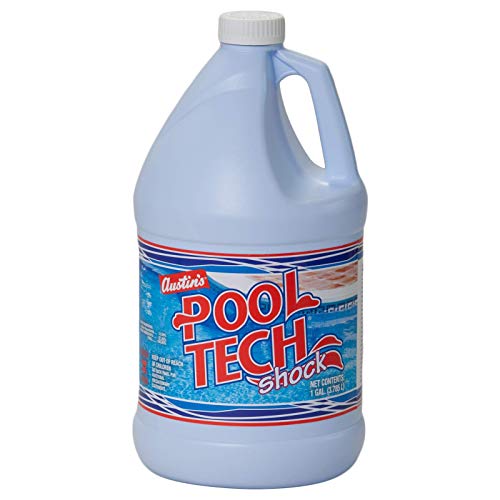
- VC Score9.0
BCP Score is a ranking system developed by bestcleanerproducts.com. BCP Score has no relationship or impact from any manufacturers or sales agent websites. Learn more
- BrandAustin's Pool Tech Pool Shock
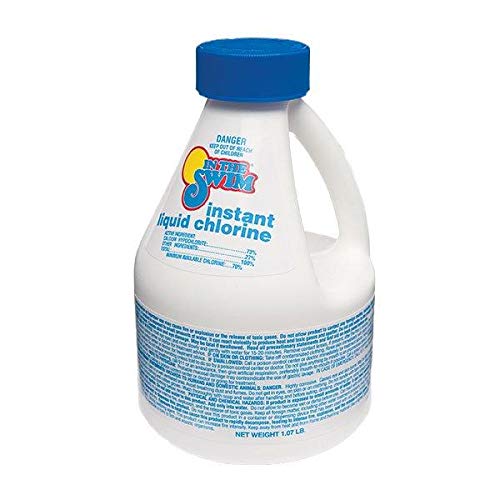
- VC Score8.4
BCP Score is a ranking system developed by bestcleanerproducts.com. BCP Score has no relationship or impact from any manufacturers or sales agent websites. Learn more
- BrandIn The Swim

- VC Score8.0
BCP Score is a ranking system developed by bestcleanerproducts.com. BCP Score has no relationship or impact from any manufacturers or sales agent websites. Learn more
- BrandCPDI

- VC Score7.8
BCP Score is a ranking system developed by bestcleanerproducts.com. BCP Score has no relationship or impact from any manufacturers or sales agent websites. Learn more
- BrandDoheny's
Last update on 2026-10-08 / Affiliate links / Images, Product Titles, and Product Highlights from Amazon Product Advertising API
FAQs
Can I pour liquid chlorine directly into the shallow end?
You should avoid pouring concentrated chlorine into shallow water. The shallow end holds a smaller volume of water, meaning the heavy liquid chemical takes longer to dilute and can sink directly onto the floor, increasing the risk of bleaching a vinyl liner or plaster finish. Always pour in the deep end directly over a running return jet.
Does liquid chlorine raise my pool pH level?
Liquid chlorine has a naturally high pH of around 11 to 13, so adding it causes a temporary rise in water pH at the pour site. However, as the active chlorine sanitizes the water, breaks down contaminants, and evaporates under sunlight, the pH naturally drops back down. Regular maintenance dosing generally has a neutral effect on overall pH over a full week.
Can I leave my robotic pool cleaner in the pool while adding liquid chlorine?
You should remove your robotic pool cleaner before adding liquid chlorine. Highly concentrated chemicals sinking through the water can degrade the cleaner rubber tracks, plastic collection canister, and electrical cable seals. Wait at least two hours after dosing and confirm your chlorine is below 4 ppm before placing the cleaner back into the water.
How can I tell if my liquid chlorine has lost its strength?
Fresh liquid chlorine has a bright, clear yellowish-green color and a strong bleach scent. If your stored container turns clear like plain tap water, or if it has been stored in a hot shed for more than three months, it has likely degraded into saltwater and lost its sanitizing strength.


How to Refinish a Fiberglass Pool

How Do You Keep Raccoons Out of Your Pool?

How to Fix Cyanuric Acid in Your Pool

How to Shape a Pool Cue Tip to Stop Miscues

12 Best Automatic Vacuum For Intex Above Ground Pool of 2026 To Keep Vinyl Floors Spotless

10 Best Automatic Pool Vacuum For Above Ground Pool of 2026 To End Manual Scrubbing

How Much Pool Clarifier Should You Use for Your Pool Size?

How Much Does a Pebble Tec Pool Cost to Build or Resurface?








