
How to Safely Start and Run a Hayward Pool Pump

Operating a pool pump safely starts with flooding the strainer chamber with water, securing the clear lid, opening the filter air valve, and turning the power switch on. The time it takes for water to catch depends on whether the pump sits above or below the pool surface. Letting air escape through the valve ensures the unit catches a full prime without running dry and overheating the motor.
Daily run times also vary based on the controls and water line. Basic single-speed units run on a simple switch or mechanical timer, while variable-speed models use a digital keypad to program different speeds throughout the day. Pool water must also reach halfway up the skimmer mouth so the plumbing never pulls in air. Here is how to start the system, bleed trapped air, and handle routine maintenance with confidence.
How do you prime and start the pump from scratch?
Starting a pool pump when the housing is empty requires adding water by hand. Your Hayward pump cannot pull air out of empty pipes on its own. If you turn on the motor while the pump chamber is dry, the internal parts spin without lubrication. Water acts as a coolant for the motor shaft seal. Without water, that seal overheats, softens, and melts within two to three minutes. Once that happens, water leaks straight into the electric motor bearings, causing permanent motor damage.
To safely fill and start your pump, follow these steps in order:
- Shut off the electrical power completely. Flip the circuit breaker or turn off the outdoor timer switch at your equipment pad. Never reach into the pump or twist valves while the motor has live power running to it.
- Check the water level in your pool. Walk over to the pool edge and look at the skimmer mouth. The water must sit at least halfway up the skimmer opening. If the pool water is too low, air will get sucked straight into the pipes, and the pump will lose its prime the moment you start it.
- Open the filter relief valve. Find the small twist knob on top of your pool filter tank. Turn it counterclockwise one or two turns. This valve lets trapped air escape while water fills the system.
- Remove the pump lid. Twist the lock ring counterclockwise or loosen the two hand knobs on the sides of the strainer housing (the plastic pot with the clear lid holding the basket). Lift the clear lid straight off and set it aside on a clean towel or grass patch.
- Fill the strainer housing with water. Grab a five-gallon bucket of pool water or run a garden hose straight into the pump pot. Pour water in until it fills to the brim and spills into the incoming suction pipe. Letting water soak into the suction line makes it much easier for the pump to grab hold of the water column.
- Inspect and reseat the lid. Wipe away any pine needles, sand, or grit from the rubber O-ring (the rubber sealing ring under the pump lid). Put the lid back in place and tighten the lock ring or hand knobs securely by hand. Do not use tools, hammers, or wrenches, which can crack the clear plastic.
- Turn the power back on. Flip the breaker or switch. The motor will spin up immediately. Look through the clear lid. You will see churning air and splashing water for thirty to sixty seconds. As long as water levels inside the basket rise steadily, the pump is catching prime.
How do you bleed air from the filter tank?
Whenever you start a pump that had air inside its lines, that air gets pushed downstream into your filter tank. Air inside a closed filter tank acts like a compressed spring. If pressure builds up without an escape route, it strains the tank clamp and can cause fittings to pop loose. Bleeding this air out is a quick, essential safety task every time you restart your system.
Keep this short safety checklist in mind while clearing air from the tank:
- Stand back from the filter lid. When you flip the pump switch on, never stand directly over the top of the filter tank. Position yourself to the side where you can easily reach the air relief knob.
- Keep the relief valve open during startup. The air relief valve (the small twist knob on top of the filter tank that releases trapped air) should stay cracked open while the pump begins pulling water.
- Listen for the air hiss. You will hear a loud, steady hissing sound as pressurized air shoots out of the valve port.
- Watch for a solid stream of water. The hissing will turn into sputtering water drops, followed by a continuous, steady stream of solid pool water spraying out.
- Close the valve by hand. As soon as a solid stream shoots out without spitting air, twist the relief valve clockwise until it seals tight.
- Check the pressure gauge. Glance at the dial right next to the relief knob. It should settle into your pool's normal operating range, which is usually between 10 and 20 pounds per square inch depending on your filter type and pipe setup.
How long should you run your pump each day?
Your pool pump needs to run long enough each day to push all the water in your pool through the filter at least once. This full cycle is called a turnover. For most residential pools, running a single-speed pump for eight to ten hours a day during warm summer months keeps the water clear and prevents algae from taking hold. In cooler spring or autumn weather, dropping that run time down to five or six hours a day is usually plenty.
The type of pump motor you own changes how you set your daily schedule:
- Single-speed pumps: These run at one fixed rate, usually around 3,450 revolutions per minute. Because they draw significant electrical power, most owners run them on a mechanical timer in two separate blocks, such as four hours in the morning and four hours in the late afternoon.
- Variable-speed pumps: These allow you to pick custom motor speeds for different times of day. A variable-speed model can run at a very low speed for sixteen to twenty-four hours a day. Running at a lower speed uses a fraction of the electricity, keeps the equipment whisper-quiet, and provides constant water filtration without raising your power bill.
Always run your pump during the hottest daylight hours when the sun beats down on the water. Sunlight eats up chlorine quickly, and active water circulation distributes sanitizer across the entire pool surface when it is needed most. Also make sure your equipment pad is properly grounded and bonded. If you want to know more about pool electrical safety, learning how to bond an inground pool to prevent electrical shock helps you understand why that bare copper wire connects to your pump motor.
How do you clean the pump basket without losing prime?
The pump strainer basket catches large leaves, twigs, bugs, and hair before they can reach the spinning impeller wheel inside the motor. If this basket packs full of debris, it starves the pump of water. You will notice the water level dropping under the clear lid, and the motor may make a strained, buzzing noise. Cleaning the basket once a week keeps water moving freely.
You can empty the basket without draining the pipes if you follow these steps:
- Turn off the motor switch. Always make sure the pump is completely still before touching the lid knobs.
- Turn the suction valves off if your pump sits below pool level. If your equipment pad sits lower than the pool water surface, gravity will push water out of the pot as soon as you open the lid. Turn your suction intake valves to the closed position to stop the flow. If your pump sits higher than the pool, leaving the valves open is fine, but closing them can help keep water trapped in the suction pipe so you do not have to re-prime from scratch.
- Relieve the tank pressure. Twist open the air relief valve on your filter tank until the pressure gauge drops to zero. Opening the pump lid while the system holds pressure will spray water all over your clothes and equipment pad.
- Open the strainer lid and pull the basket. Remove the lid and lift the plastic basket straight up. Knock the leaves and debris into a trash can. Rinse the basket thoroughly with a garden hose to clear fine dirt from the plastic mesh.
- Check the basket orientation. Slide the clean basket back down into the housing pot. Most baskets have a notch or flat opening that must point directly toward the incoming suction pipe. If you insert it backward, the lid will not seat properly and debris can slip around the basket edges.
- Seal the lid and restore water flow. Reopen any intake valves you closed. Top off the strainer housing with water if the level dropped. Wipe the lid O-ring clean, screw the lid on hand-tight, start the motor, and bleed the air from the filter relief valve until water shoots out.
Why is air bubbling under the pump lid?
Under normal conditions, the strainer housing pot should be completely full of solid, clear water. You might see a tiny air pocket the size of a coin right under the center of the lid, which is harmless. But if you see violent bubbling, frothing water, or a chamber that is only half full, air is being sucked into the intake pipes. Pool professionals call this a suction-side leak. It causes cavitation (bubbling and sputtering caused by lack of water), which shakes the pump parts and strains the motor.
You can track down and fix common suction air leaks using simple checks:
Start at the pool skimmer. Check that the pool water level has not dropped below the middle of the skimmer mouth. If the water is low, or if the plastic flap door (weir door) gets stuck in an upright position, the pump will suck a whirlpool of air straight into the pipe. Adding water to the pool fixes this issue immediately.
Next, inspect the pump lid O-ring. Turn off the pump, remove the lid, and slide the rubber ring off. Check it for cracks, flat spots, or embedded sand grains. A dried-out rubber ring allows air to slip past under high suction. Coat the ring with a thin layer of pool-grade silicone lubricant before reinstalling it. Never use petroleum jelly, because petroleum products break down pool rubber over time.
Look at the drain plugs on the bottom sides of the pump housing. Hayward pumps have one or two small threaded plugs near the base used for winter draining. If these plugs are loose, or if their tiny rubber O-rings are missing, air gets pulled in right at the pump base. Tighten them hand-tight.
You can locate hidden pipe leaks with a garden hose. With the pump running, run a gentle stream of tap water over the pipe fittings entering the front of the pump and around the lid. If air bubbles inside the clear pot suddenly vanish while water flows over a specific fitting, you have found the leak. The cold water temporarily seals the tiny gap, showing you exactly where a threaded union or pipe joint needs fresh thread sealant.
What equipment helps protect your pump and water flow?
Keeping a pool pump running smoothly year after year comes down to shielding the motor from blockages and minimizing physical strain. Several simple accessories and equipment upgrades make daily operation much easier while protecting the system from early failure.
Fine mesh skimmer basket socks provide exceptional protection for your pump strainer basket and motor impeller. These elastic fabric socks slip directly over your pool skimmer baskets. They catch tiny pine needles, hair, pollen, sand, and fine seeds before those items ever travel down the plumbing pipes. By stopping fine debris at the pool edge, your pump basket stays clean longer, and the motor impeller wheel never gets jammed by trapped twigs.
If your existing pump is loud, leaks constantly, or drives up your monthly electric bills, upgrading to an ultra-high efficiency replacement pump or a modern variable-speed unit makes a massive difference. Modern pumps move water using significantly less electrical power while running at whisper-quiet sound levels. If your current motor screams or overheats frequently, reading about how long pool pumps last and when to replace them can help you decide whether rebuilding an old motor or installing a modern replacement is your best choice.
When selecting accessories or planning an equipment replacement, verify a few key details at your pad:
- Measure your plumbing pipe diameter (usually 1.5 inches or 2 inches) to ensure any new fittings or replacement pump ports match without restrictive adapters.
- Check the electrical voltage supplied to your equipment pad, confirming whether your timer switch delivers 115 volts or 230 volts.
- Make sure any basket liners or filter socks do not restrict water flow so much that they starve the pump when heavy debris falls into the pool.

- VC Score10.0
BCP Score is a ranking system developed by bestcleanerproducts.com. BCP Score has no relationship or impact from any manufacturers or sales agent websites. Learn more
- BrandKLOLKUTTA

- VC Score9.2
BCP Score is a ranking system developed by bestcleanerproducts.com. BCP Score has no relationship or impact from any manufacturers or sales agent websites. Learn more
- BrandMadayFormula
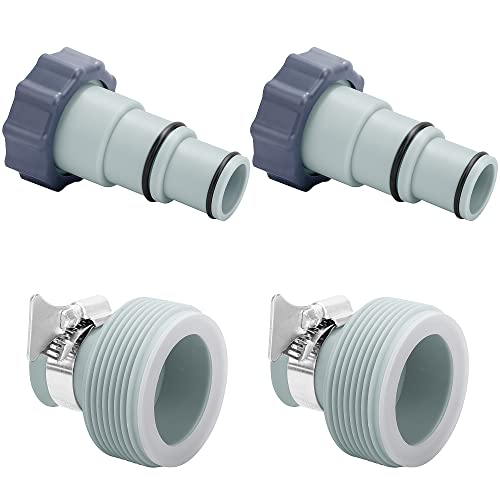
- VC Score9.0
BCP Score is a ranking system developed by bestcleanerproducts.com. BCP Score has no relationship or impact from any manufacturers or sales agent websites. Learn more
- BrandLFUTARI

- VC Score9.0
BCP Score is a ranking system developed by bestcleanerproducts.com. BCP Score has no relationship or impact from any manufacturers or sales agent websites. Learn more
- BrandAMI PARTS

- VC Score8.8
BCP Score is a ranking system developed by bestcleanerproducts.com. BCP Score has no relationship or impact from any manufacturers or sales agent websites. Learn more
- BrandHayward

- VC Score8.8
BCP Score is a ranking system developed by bestcleanerproducts.com. BCP Score has no relationship or impact from any manufacturers or sales agent websites. Learn more
- BrandATIE

- VC Score8.8
BCP Score is a ranking system developed by bestcleanerproducts.com. BCP Score has no relationship or impact from any manufacturers or sales agent websites. Learn more
- Brandownwhim

- VC Score8.8
BCP Score is a ranking system developed by bestcleanerproducts.com. BCP Score has no relationship or impact from any manufacturers or sales agent websites. Learn more
- BrandIMPRESA

- VC Score8.0
BCP Score is a ranking system developed by bestcleanerproducts.com. BCP Score has no relationship or impact from any manufacturers or sales agent websites. Learn more
- BrandPURELINE

- VC Score6.2
BCP Score is a ranking system developed by bestcleanerproducts.com. BCP Score has no relationship or impact from any manufacturers or sales agent websites. Learn more
- BrandEvil Inc
Last update on 2026-10-08 / Affiliate links / Images, Product Titles, and Product Highlights from Amazon Product Advertising API
FAQs
Can a Hayward pool pump run dry for a few minutes?
No, running a pool pump without water inside the housing for even two or three minutes can cause serious damage. The spinning shaft seal depends on water for cooling and lubrication. When operated dry, the friction generates intense heat that melts the plastic housing and ruins the mechanical seal, causing leaks that can ruin the motor bearings.
What should you do if the pump motor hums but will not start?
A humming motor that refuses to spin usually indicates a jammed impeller or a failing start capacitor. Turn off the power breaker immediately to prevent the motor windings from overheating. Check through the pump basket housing to see if small stones, acorns, or palm seeds have wedged into the impeller vanes, and call a qualified professional if the motor hums while completely free of debris.
Should your pump strainer pot be completely full of water?
Yes, under normal operating conditions, the strainer pot should be completely flooded with solid water. Seeing a tiny pocket of air the size of a coin right beneath the clear lid is normal, but large churning air pockets mean air is leaking into the suction plumbing. Solid water ensures proper cooling and optimal circulation pressure throughout your pool system.
Why does the pump lose its prime every time it shuts off?
A pump that drains empty whenever the motor turns off has an air leak on the suction side of the plumbing or a failing check valve. When the motor stops pulling suction, gravity pulls the water column backward toward the pool, drawing air in through a loose lid O-ring, loose drain plug, or cracked pipe joint. Finding and sealing that air leak will keep the pump primed between scheduled run cycles.


How to Refinish a Fiberglass Pool

How Do You Keep Raccoons Out of Your Pool?

How to Fix Cyanuric Acid in Your Pool

How to Shape a Pool Cue Tip to Stop Miscues

12 Best Automatic Vacuum For Intex Above Ground Pool of 2026 To Keep Vinyl Floors Spotless

10 Best Automatic Pool Vacuum For Above Ground Pool of 2026 To End Manual Scrubbing

How Much Pool Clarifier Should You Use for Your Pool Size?

How Much Does a Pebble Tec Pool Cost to Build or Resurface?








