
How Long Do Pool Pumps Last and When to Replace Them?

A strange hum or a small drip by the equipment pad is rarely an emergency that ruins pool water overnight. Most standard pool pumps reliably last 8 to 12 years with basic care. Sturdy inground models that run at lower speeds can even push past 15 years, meaning a noisy afternoon does not immediately signal total mechanical failure.
That working lifespan changes based on your local climate, daily run time, and regular maintenance. Motors running non-stop through blazing southern summers burn out far quicker than equipment resting through winter freeze. Forgetting to empty clogged leaf baskets or ignoring a leaking seal also starves the motor of water and cooling air, shortening its life by years. Here is how to tell what those strange noises mean, what is actually worth fixing, and when it makes sense to install a fresh pump.
How Many Years Should a Pool Pump Last?
A standard pool pump generally lasts between 8 and 12 years when it receives regular care. Some pumps break down after only 4 or 5 seasons, while others run smoothly for 15 years. The difference almost always comes down to the motor style, your local climate, and how many hours the equipment runs each day.
Inground pool pumps usually last longer than above-ground setups. Inground models use heavier components and larger housings designed to handle higher water pressure. High-efficiency and variable-speed models often reach 10 to 15 years because their motors run at lower speeds during most of the filtration cycle. Lower speeds generate far less heat, and heat is the primary enemy of electric motor windings.
Above-ground pool pumps often have a shorter lifespan of 4 to 8 years. These pumps typically feature smaller, single-speed motors that run at full speed whenever they are on. They also sit exposed to direct sunlight and weather near ground level, which can degrade plastic parts and motor seals much faster.
Your geographic location plays an equally large role. In warm southern regions like Florida, Texas, or Arizona, swimming pools stay open all twelve months. A pump running 8 to 10 hours a day every single day logs thousands of operating hours each year. In northern climates where pools close from October through April, the pump rests for half the year, allowing the same motor to survive across more calendar years.
How Do You Know If Your Pump Is Dying?
Pool pumps rarely stop working without giving you clear warning signs first. Paying attention to unusual sounds, drips, and pressure drops can help you catch a failing component before the motor burns out completely and leaves your water stagnant.
- Loud screeching or grinding: If your pump sounds like a metal screech or a jet engine taking off, the motor bearings are worn down. Bearings are small steel rings inside the motor that allow the drive shaft to spin smoothly. When water or age strips their grease, metal grinds against metal.
- Water leaking beneath the pump body: A puddle directly between the plastic pump housing and the metal motor points to a failing mechanical shaft seal (a spring-loaded ring keeping water out of the electric motor). If you ignore this leak, water travels down the motor shaft and ruins the internal electrical coils.
- Humming without pumping water: When the pump turns on, makes a low electrical hum, and then clicks off without spinning, the motor is jammed or lacking starting power. This often means you have a bad capacitor (a small metal cylinder that gives the motor a kick to start spinning), or debris is wedged inside the impeller (a small spinning fan wheel that pulls the water).
- Constantly tripping the electrical breaker: A pump that trips your breaker the second it kicks on usually has an internal electrical short. Old wiring insulation can melt over time, causing bare wires to touch and ground out.
- Loss of water flow and persistent air bubbles: If the pump struggles to pull water, or if you constantly see air churning under the clear lid, the pump may have cracked housing threads or warped plastic from overheating.
Should You Repair Your Pump or Replace It?
Deciding whether to call a technician for repairs or buy a brand-new pump comes down to three factors: the age of the unit, the cost of the repair, and the overall condition of the plastic wet end.
A practical guideline is the 50 percent rule. If fixing the current issue costs more than half the price of a modern replacement, buying a new pump is the wiser choice. Spending several hundred dollars to rebuild an eight-year-old motor often leads to regret when the main housing or electrical switches fail a few months later.
Small, low-cost repairs are almost always worth doing yourself or with a quick service visit. Replacing a swollen capacitor, installing fresh rubber lid gaskets, or swapping out a worn mechanical shaft seal costs very little money. These minor fixes can easily give a healthy five-year-old motor another four years of dependable service.
Total replacement makes the most sense when the pump is over eight years old and suffers a major motor failure. If the internal copper coils have burned out or the motor has completely seized from rusted bearings, repairing it is rarely cost-effective. Replacing the entire unit also lets you switch to a modern, energy-efficient model that consumes significantly less electricity every month.
What Causes a Pool Pump to Burn Out Early?
While mechanical parts naturally wear out over time, several common pool problems can destroy an otherwise healthy pump in just a few days or weeks.
Running dry is the fastest way to ruin a pump. Pool pumps rely on the flowing water to cool down internal components and lubricate rubber seals. When the pool water drops below the skimmer line, the pump begins pulling air instead of water. Within minutes, the spinning mechanical shaft seal overheats, melts its plastic seat, and allows pool water to flood straight into the electric motor.
Air leaks on the suction side are another silent killer. If you have cracked intake plumbing or need to replace a pool skimmer that draws air through cracked joints, the pump cannot stay fully primed. This condition triggers cavitation (water starvation that starves the pump and shakes it violently). Cavitation creates tiny collapsing vapor bubbles that pit the plastic impeller, bend the drive shaft, and shake motor bearings loose.
Restricted water flow from neglected baskets puts enormous strain on the motor. When the skimmer or pump strainer basket fills with leaves, twigs, and dirt, the motor must pull significantly harder to move water. This extra resistance forces the motor to draw higher electrical current, causing the internal windings to overheat and degrade prematurely.
Poor ventilation around the equipment pad also cuts motor life short. Electric motors have cooling fans and intake vents at the rear. When pool owners allow tall grass, weeds, mulch, or autumn leaves to pile up against the motor casing, airflow is cut off. The internal temperature spikes, melting the protective varnish on the motor windings and leading to sudden burnout.
How Can You Make Your Pool Pump Last Longer?
You do not need mechanical training to protect your pool pump from premature failure. Practicing a few simple maintenance habits will keep the motor cool, protect delicate seals, and help you get maximum value out of your equipment.
- Clear the strainer baskets every week: Empty both the pool skimmer baskets and the clear pump pot basket regularly. Removing leaves, pine needles, and insects ensures steady water flow, which keeps your motor running at its normal operating temperature.
- Keep the pool water at the proper level: Check your water level weekly, especially during hot summer weeks. Water should always reach the middle of the skimmer opening. If the level drops too low, add water from a garden hose before turning the pump on so it never runs dry.
- Lubricate the lid O-ring each season: Inspect the thick rubber ring under the clear pump lid whenever you clean the basket. Clean away grit and apply a light coat of pool-grade silicone lubricant. This keeps the rubber pliable and prevents air leaks that cause suction loss. Never use petroleum jelly, as it deteriorates rubber seals.
- Keep the area around the motor clean and dry: Clear away leaves, dirt piles, and overgrown bushes within two feet of the equipment pad. Ensure lawn sprinklers do not spray water directly at the back vents of the motor. Motors are built to resist falling rain, but continuous pressurized spray from irrigation heads forces water past the end bells and rusts internal bearings.
- Shut down and clear the pump if you hear strange noises: Never ignore a new buzzing, clicking, or rattling sound. If the pump starts humming, shut off power immediately at the circuit breaker. Clear out any pine needles or debris caught in the impeller before restoring power. Letting a jammed motor sit and hum will melt the starting capacitor and burn out the motor coils in a matter of minutes.
- Winterize thoroughly before hard freezes: In cold climates, drain the water out of the pump casing before winter. Remove the two drain plugs at the bottom of the plastic housing, let all trapped water spill out, and store the plugs safely in the strainer basket. Water left inside an unheated pump freezes, expands, and cracks the heavy plastic housing beyond repair.
What Should You Look for in a Replacement Pump?
When an aging pump finally reaches the end of its working life, finding the correct replacement ensures your pool water stays clean without running up high utility bills. You do not need an identical duplicate of your old machine, but the new unit must match your pool plumbing and electrical setup.
First, verify whether your pool is inground or above-ground. Above-ground units sit below the pool water level and use gravity to fill the strainer pot. Inground pools require self-priming pumps, which can pull water upward from several feet below ground level. Installing an above-ground unit on an inground pool will quickly burn out the motor because it cannot lift the water column.
Next, confirm your electrical supply and pipe size. Some residential pool pads run on standard 115-volt household power, while larger inground pools use 230-volt connections. Look for dual-voltage models if you want flexibility, or check the label on your existing motor to see your current electrical supply. You will also want to measure your plumbing lines, which are typically 1.5 inches or 2 inches in diameter, so your new pump connects without complicated plumbing adaptors.
Finally, check local energy standards. Many states require high-efficiency or multi-speed motors for inground pool filtration to cut down on energy consumption. Choosing an ultra-efficient pump with lower operating speeds can dramatically reduce your monthly electric bill while keeping your pool clean and silent throughout the swimming season.

- VC Score9.2
BCP Score is a ranking system developed by bestcleanerproducts.com. BCP Score has no relationship or impact from any manufacturers or sales agent websites. Learn more
- BrandTONGCHANT

- VC Score8.8
BCP Score is a ranking system developed by bestcleanerproducts.com. BCP Score has no relationship or impact from any manufacturers or sales agent websites. Learn more
- BrandHayward
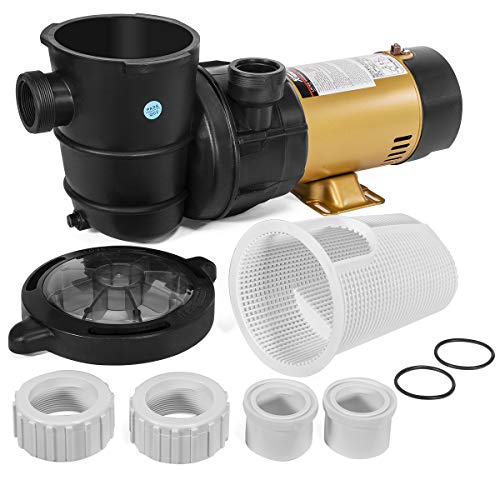
- VC Score8.8
BCP Score is a ranking system developed by bestcleanerproducts.com. BCP Score has no relationship or impact from any manufacturers or sales agent websites. Learn more
- BrandXtremepowerUS

- VC Score8.6
BCP Score is a ranking system developed by bestcleanerproducts.com. BCP Score has no relationship or impact from any manufacturers or sales agent websites. Learn more
- BrandAnbull

- VC Score8.6
BCP Score is a ranking system developed by bestcleanerproducts.com. BCP Score has no relationship or impact from any manufacturers or sales agent websites. Learn more
- BrandALLYLANG

- VC Score8.6
BCP Score is a ranking system developed by bestcleanerproducts.com. BCP Score has no relationship or impact from any manufacturers or sales agent websites. Learn more
- BrandXtremepowerUS

- VC Score8.4
BCP Score is a ranking system developed by bestcleanerproducts.com. BCP Score has no relationship or impact from any manufacturers or sales agent websites. Learn more
- BrandAcquaer

- VC Score8.2
BCP Score is a ranking system developed by bestcleanerproducts.com. BCP Score has no relationship or impact from any manufacturers or sales agent websites. Learn more
- BrandAquaMiracle

- VC Score8.2
BCP Score is a ranking system developed by bestcleanerproducts.com. BCP Score has no relationship or impact from any manufacturers or sales agent websites. Learn more
- BrandALLYLANG

- VC Score7.6
BCP Score is a ranking system developed by bestcleanerproducts.com. BCP Score has no relationship or impact from any manufacturers or sales agent websites. Learn more
- BrandEDOU

- VC Score7.4
BCP Score is a ranking system developed by bestcleanerproducts.com. BCP Score has no relationship or impact from any manufacturers or sales agent websites. Learn more
- BrandPipopa
Last update on 2026-10-08 / Affiliate links / Images, Product Titles, and Product Highlights from Amazon Product Advertising API
FAQs
Can a pool pump motor get wet in heavy rain?
Yes, standard pool pump motors are designed to withstand outdoor rain and humidity. The metal casing sheds falling water to keep internal electrical parts dry. However, the motor cannot survive being submerged in standing water, so your equipment pad must have adequate drainage to prevent puddles from rising around the base.
Why does the pump motor shut off after several minutes?
Most pump motors include an internal thermal overload switch that turns the unit off when it gets dangerously hot. If your pump starts normally but shuts off after 10 or 15 minutes, it is likely overheating due to blocked air vents, worn internal bearings, a clogged impeller, or an air leak that starves the unit of cooling water.
How long can a pool survive without a working pump?
A swimming pool can usually go two to four days without circulation before the water turns cloudy and algae begins to bloom. In hot summer weather, understanding how long chlorine lasts in a pool becomes vital, because stagnant water depletes chlorine quickly and allows green algae to spread across the pool floor in less than 48 hours.
Is it safe to run a pump that makes a screeching noise?
It is safe for a very short period, but you should address the issue promptly. That screeching noise indicates failing motor bearings that create extreme friction and heat. Running the pump continuously with bad bearings will eventually cause the drive shaft to seize, which overloads the electrical motor and destroys it completely.


How to Refinish a Fiberglass Pool

How Do You Keep Raccoons Out of Your Pool?

How to Fix Cyanuric Acid in Your Pool

How to Shape a Pool Cue Tip to Stop Miscues

12 Best Automatic Vacuum For Intex Above Ground Pool of 2026 To Keep Vinyl Floors Spotless

10 Best Automatic Pool Vacuum For Above Ground Pool of 2026 To End Manual Scrubbing

How Much Pool Clarifier Should You Use for Your Pool Size?

How Much Does a Pebble Tec Pool Cost to Build or Resurface?


