
How to Store a Pool for Winter Without Mold or Damage

Most owners assume every backyard pool must be taken down and boxed up before freezing weather arrives. That is only half true. Portable soft-sided pools do best when you drain, dry, and store the liner indoors. Larger permanent pools, however, survive freezing temperatures far better when left full, treated, and protected under a tight winter cover.
The right route depends on your pool build, your local winter weather, and your indoor storage space. Thin vinyl cracks easily during sub-zero freezes, but packing away a liner with any trapped moisture guarantees rotten mildew by spring. Storing gear in an outdoor shed also risks mice chewing through folded walls. Here is how to handle your setup safely so everything stays intact until summer.
The Short Version
- Pick your method based on pool construction: Portable soft-sided pools with thin PVC walls need to be drained, cleaned, dried, and packed indoors. Permanent steel-walled above-ground pools and inground pools should stay filled with treated water and covered outdoors.
- Dry the vinyl liner completely before folding: Even a cup of trapped moisture inside folded vinyl will breed dark, foul-smelling mold by spring. Dusting dry vinyl with baby powder or cornstarch stops sticky seams from tearing.
- Protect your equipment from freezing: Water expands by roughly nine percent when it turns into ice. Pull every drain plug on your circulation pump, filter tank, and heater, then bring fragile plastic gear indoors to a warm, dry room.
- Use an air pillow if winterizing outside: Float an inflatable cushion in the center of an outdoor pool to absorb the crushing inward squeeze of freezing surface ice and stop it from splitting pool walls.
Pack Away or Leave Up: Choosing the Right Option by Pool Type
Deciding whether to disassemble your pool or leave it standing comes down to how the pool is built, your local winter weather, and where you can store bulky materials. Trying to leave the wrong pool outdoors will destroy it, but draining the wrong pool completely can cause just as much damage.
Portable soft-sided pools use flexible vinyl hung on metal frame poles or supported by an inflatable top ring. These pools are not built to survive freezing weather. When temperatures drop below freezing, thin vinyl becomes stiff and brittle. If snow piles onto the pool or surface water turns to ice, the shifting weight puts intense stress on frozen vinyl seams, causing tears. Sharp ice sheets can also slice through thin pool walls, while freezing soil shifts the light metal support legs. If you own a portable soft-sided pool and live where temperatures drop below freezing, packing it away indoors is the safest choice.
Permanent above-ground pools feature heavy steel or resin sidewalls anchored to ground tracks. Inground pools use concrete, fiberglass, or thick custom liners set into the earth. You should never take down or completely drain these structures for winter. Soil surrounding an inground pool swells when it freezes, creating intense inward pressure. Without the weight of water inside pushing back, empty pool walls can buckle or crack, and empty fiberglass shells can even float out of the ground from high groundwater. The same principle applies to steel-walled above-ground setups. When you buy the right above ground pool for your yard, the manufacturer design expects water to stay inside year-round to give the frame its structural strength.
Your storage area also matters. A soft-sided pool liner needs to live in a dry space away from sharp tools and rodents. If your only indoor option is an unheated shed where field mice build winter nests, you must pack the pool inside a thick, chew-proof storage tote rather than leaving it in an open cardboard box.
Draining and Cleaning: Emptying Water and Clearing Residue
Emptying your pool properly prevents backyard flooding and gives you a smooth surface to scrub clean before storage. Follow these steps in order to empty and wash your pool without damaging the vinyl.
- Plan your drainage path: Check local city rules on draining pool water into storm drains or your yard. Never aim your drainage hose toward your home foundation, a septic drain field, or a neighbor property line. Choose a clear, sunny morning so the pool has daylight hours to dry after washing.
- Empty the water down to the base: Attach a standard garden hose to the pool drain valve, or drop a small submersible utility pump into the deepest section. Keep an eye on the discharge end so it does not erode your lawn soil. A submersible pump works much faster than gravity drains and removes water down to the last half-inch.
- Scrub the liner while it is still damp: Pool scum, algae lines, and mineral crusts are much easier to wash off before the sun bakes them dry. Mix warm water with a few drops of mild dish soap, or use a soft pool surface cleaner. Use a soft sponge, microfiber towel, or nylon brush to gently scrub the waterline and floor. Avoid bleach, harsh abrasives, or stiff wire brushes, which can strip the protective finish off the vinyl.
- Remove the remaining puddles: Gravity drains always leave small pockets of water trapped in wrinkles on the pool floor. Use a wet-dry vacuum, a soft dustpan, or large car-drying towels to pull every drop of pooled water out of the corners and seam folds.
- Rinse away all soap film: Spray down the scrubbed surfaces with clean water from a garden hose. Soap residue left on vinyl turns sticky over time and can attract mold spores while packed away in storage.
Drying and Folding: Steps to Stop Mold, Cracking, and Sticking
Moisture is the biggest enemy of stored pool vinyl. Packing a damp pool away inside a dark container guarantees dark mildew stains and rotted seams by the time warm weather returns. Take your time during this stage to protect the vinyl.
- Sun-dry the liner thoroughly: Lay the clean pool liner flat on a smooth lawn tarp, clean deck, or driveway free of sharp gravel. Let the sun dry the interior surface completely. Once the inside feels bone dry to the touch, flip the liner over to expose the underside. The bottom of the pool traps condensation from the damp grass underneath, so let the bottom bake in the sun until no damp spots remain.
- Wipe dry all hidden folds and corners: Feel around the seam welds, corner joints, and pipe openings. These areas hold tiny water droplets even after hours in the sun. Wipe every crease with a dry microfiber cloth. If your weather is humid, set up a box fan to blow air across the liner until it is completely dry.
- Dust the vinyl with powder: Sprinkle plain talcum powder, baby powder, or cornstarch across the surface of the dry liner. Use a soft towel or car duster to spread a very light film over the material. This powder absorbs any tiny traces of remaining moisture and stops the vinyl from sticking to itself under pressure. Without powder, vinyl that sits folded for months can fuse together, causing thin spots or tears when you pull it open next spring.
- Fold the liner with loose, smooth turns: Lay the liner out flat as a square or rectangle. Fold the outer sides inward by one third, then bring the opposite side over. Next, loosely fold the liner accordion-style from one end to the other, like a folding map. Never press hard on the folds, walk on the bundled material, or create sharp creases. Sharp bends put stress on vinyl, which can turn into small pinhole leaks over the winter.
- Seal the liner inside a hard storage tote: Slide the folded vinyl into a heavy-duty plastic storage container with a snapping lid. Avoid using the original cardboard box. Cardboard absorbs ambient humidity from garages, gets soft, and invites mice. Mice love soft pool vinyl for winter nesting material and can chew hundreds of holes through a folded liner in a single week.
Packing Equipment: Protecting Pumps, Hoses, and Filters
Your pool pump, filter tank, and hoses contain sensitive internal parts that crack if exposed to freezing water. Use this checklist to safely clean and pack your pool equipment before winter sets in.
- Disconnect and drain all flexible hoses: Unscrew the clamps holding your suction and return hoses to the pool wall. Hold each hose vertically to dump trapped water completely. Hang hoses straight across hooks in your garage or basement so they do not hold bends or crack in cold air.
- Remove all equipment drain plugs: Locate the drain plugs at the bottom of your pump strainer pot and filter tank. Remove them completely to let every drop of water drain out. Leave the plugs open so condensation does not gather inside the housings.
- Store small parts together: Collect all drain plugs, rubber O-rings, and hose washers. Coat rubber gaskets in a light layer of silicone lubricant to stop them from drying out, then seal everything inside a labeled plastic bag. Place the bag right inside the empty pump strainer basket so you never misplace small parts during spring setup.
- Clean filter elements: If you use a cartridge filter, take the paper cartridge out, spray it thoroughly with a hose to clear trapped dirt, and let it dry indoors. For sand filters, set the multi-port valve to the winterize position so internal gaskets rest without pressure.
- Move electrical equipment indoors: Unplug the pump from the outdoor GFCI outlet (a protected ground-fault outlet with a weatherproof cover). Carry the pump and motor assembly into a climate-controlled basement, heated garage, or closet. Storing electrical motors off cold concrete floors prevents internal bearing rust, ensuring that when you safely start and run a Hayward pool pump or similar circulation unit next year, the motor spins without humming or seizing.
Winterizing Outdoors: Adding Air Pillows and Covers
If you have an inground pool or a permanent above-ground pool that stays filled through the winter, your job is to balance the water, shield the plumbing, and install protective barriers against freezing ice and debris.
- Balance the water chemistry: Check your water readings several days before closing. Adjust pH, total alkalinity, and calcium hardness to normal target levels. Clean the pool floor thoroughly to remove leaves and organic debris that cause winter staining.
- Add winter closing chemicals: Pour in a winterizing pool shock and a long-lasting algaecide to keep the water clear beneath the dark cover. Running your pump for several hours after adding chemicals disperses them evenly throughout the entire pool.
- Lower the water level slightly: Drain the water down until it sits a few inches below the bottom of the skimmer (the wall suction opening catching debris) and return jets. Never drain an outdoor pool completely. The remaining water weight keeps the walls stable against shifting winter ground.
- Drain lines and plug openings: In colder areas, clear water out of your underground or rigid PVC pipes using a shop vacuum or blower. Thread winter freeze plugs with rubber expansion gaskets into the wall return fittings. Place a winter skimmer guard or specialized plastic plug into the skimmer housing to absorb ice expansion inside the throat.
- Float an air pillow in the center: An air pillow is an inflatable cushion that floats in the middle of an above-ground pool beneath the winter cover. Use ropes tied to opposite pool edges to center the pillow. Inflate the pillow to about 60 to 70 percent of its capacity. As surface water freezes, the expanding ice sheet pushes inward against the soft air pillow rather than pressing outward against the steel pool walls.
- Secure the winter cover tightly: Pull a durable winter cover over the pool and center it evenly. For above-ground pools, thread a steel cable through the perimeter grommets and tighten it with a metal winch below the top rail. Add cover clips along the top rail to prevent high winter winds from catching the edges and whipping the cover loose.
Helpful Gear to Look for Before Freezing Weather Hits
Having the right pool gear on hand before the first hard freeze makes winterizing straightforward and prevents expensive structural repairs. When shopping for closing gear, focus on durability and proper sizing rather than extra gadgets.
For pools staying outdoors, look for air pillows made from thick, cold-resistant PVC material designed to stay flexible well below zero degrees. Check that the pillow includes reinforced corner grommets so you can tie it securely in the middle of your pool. A standard four-by-four-foot pillow works well for average circular pools, while larger pools often require multiple cushions or elongated pillows.
Winter covers should feature tight-woven polyethylene or multi-layer mesh with reinforced borders that resist tearing under snow loads. If you have many deciduous trees nearby, pairing a solid winter cover with an ultra-fine leaf net allows you to scoop away heavy wet leaves before the first snowfall without disturbing the main protective tarp.
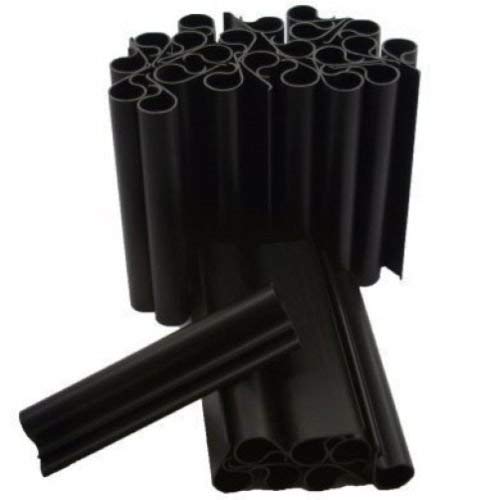
For chemical care, choose non-foaming algaecides and chlorine shocks formulated to work without sunlight over extended winter months. Finally, for above-ground setups, heavy-duty plastic cover clips that clamp your winter tarp directly to the pool top rail provide invaluable insurance against strong winter gusts.

- VC Score10.0
BCP Score is a ranking system developed by bestcleanerproducts.com. BCP Score has no relationship or impact from any manufacturers or sales agent websites. Learn more
- BrandBOPUROY

- VC Score9.2
BCP Score is a ranking system developed by bestcleanerproducts.com. BCP Score has no relationship or impact from any manufacturers or sales agent websites. Learn more
- BrandIn The Swim

- VC Score9.0
BCP Score is a ranking system developed by bestcleanerproducts.com. BCP Score has no relationship or impact from any manufacturers or sales agent websites. Learn more
- BrandHTH

- VC Score8.8
BCP Score is a ranking system developed by bestcleanerproducts.com. BCP Score has no relationship or impact from any manufacturers or sales agent websites. Learn more
- BrandHTH

- VC Score8.8
BCP Score is a ranking system developed by bestcleanerproducts.com. BCP Score has no relationship or impact from any manufacturers or sales agent websites. Learn more
- BrandHOXHA

- VC Score8.6
BCP Score is a ranking system developed by bestcleanerproducts.com. BCP Score has no relationship or impact from any manufacturers or sales agent websites. Learn more
- BrandHTH

- VC Score8.4
BCP Score is a ranking system developed by bestcleanerproducts.com. BCP Score has no relationship or impact from any manufacturers or sales agent websites. Learn more
- BrandGOJLEX
- VC Score7.8
BCP Score is a ranking system developed by bestcleanerproducts.com. BCP Score has no relationship or impact from any manufacturers or sales agent websites. Learn more
- BrandArctic Armor

- VC Score-
BCP Score is a ranking system developed by bestcleanerproducts.com. BCP Score has no relationship or impact from any manufacturers or sales agent websites. Learn more
- BrandLinstaine
Last update on 2026-10-08 / Affiliate links / Images, Product Titles, and Product Highlights from Amazon Product Advertising API
FAQs
Should I take down my portable frame pool or leave it up for the winter?
If you live in an area that experiences freezing temperatures, you should take down your portable frame pool. Freezing water expands into hard ice sheets that tear thin vinyl sidewalls and buckle lightweight metal frame poles. Packing the pool away indoors protects the materials and helps the liner last for multiple seasons.
What happens if I fold and pack my pool liner while it is still slightly wet?
Packing away a damp liner creates a dark, humid environment that breeds mildew and black mold within weeks. Mold creates ugly stains that permanently soak into vinyl pores and produces a strong, unpleasant odor. In severe cases, moisture weakens the seam welds, causing the liner to split or leak along the folds when you unfold it in the spring.
How do I stop mice and rodents from chewing up my stored pool liner?
Always store your folded pool liner inside a heavy-duty, hard plastic storage tub with a tight-fitting, secure lid. Never leave your liner sitting in a cardboard box, open fabric bag, or on a low shelf in a garage or shed. Rodents easily chew through cardboard and fabric to shred the soft vinyl for nest bedding.
Can I use regular car antifreeze in my pool plumbing lines?
Never use automotive antifreeze in your swimming pool plumbing lines under any circumstances. Car antifreeze contains ethylene glycol, which is highly toxic to people, pets, and wildlife. If you need to protect pool plumbing pipes from freezing, use only non-toxic swimming pool antifreeze made with propylene glycol, which washes away safely during spring opening.


How to Refinish a Fiberglass Pool

How Do You Keep Raccoons Out of Your Pool?

How to Fix Cyanuric Acid in Your Pool

How to Shape a Pool Cue Tip to Stop Miscues

12 Best Automatic Vacuum For Intex Above Ground Pool of 2026 To Keep Vinyl Floors Spotless

10 Best Automatic Pool Vacuum For Above Ground Pool of 2026 To End Manual Scrubbing

How Much Pool Clarifier Should You Use for Your Pool Size?

How Much Does a Pebble Tec Pool Cost to Build or Resurface?








