
How to Secure an Above Ground Pool Ladder to Keep It Stable?

Anchor the top and sink the base. That simple combination stops pool steps from floating up or rocking under foot. A secure setup requires you to bolt the handrails down to your pool rim or deck frame using screw-down brackets. Down below, you must add clean weight inside or across the bottom steps to fight the natural lift of the water and hold everything flat against the floor.
How you finish the job depends on your pool layout and the style of your steps. Freestanding pools need rigid outer braces, while pools with decks let you fasten brackets straight into wood. Some hollow steps fill with sand directly inside their plastic frame, whereas solid ladders need sealed weight bags laid across the base. A thick rubber pad is also necessary underneath to keep plastic feet from chewing through the soft vinyl liner. Here is how to complete each step safely.
Why Plastic Pool Ladders Float and Wobble
Plastic pool ladders are made from molded resin. This plastic is light and durable, but it naturally traps pockets of air inside the hollow steps and side rails. Because air is much lighter than water, your ladder wants to bob to the surface just like an empty plastic jug. That natural upward force is called buoyancy, and it is the main reason your ladder will not sit quietly on the pool floor on its own.
When you step onto a floating ladder, your body weight pushes down against the water, but the bottom of the ladder has nothing solid anchoring it in place. The steps kick out, the frame twists, and the whole structure feels unstable under your feet. That sudden movement can cause a swimmer to slip, trip, or lose their balance while climbing in or out.
A floating ladder also causes hidden problems beneath the waterline. Most pool ladders include an entrapment barrier, which is a safety shield behind ladder steps that keeps swimmers from getting wedged underneath. If the ladder bobs up even a few inches, that safety shield lifts off the pool floor, leaving a dangerous gap. At the same time, the hard plastic feet scrape back and forth across your vinyl liner, which is the flexible pool floor and wall sheet. Over time, that constant rubbing can wear a hole right through the vinyl.

Steps to Weigh Down the Ladder Base to Keep It Grounded
To stop a ladder from floating, you must offset the natural lift of the water. Adding ballast, which is weight used to hold down steps, keeps the feet pressed firmly against the pool bottom. Follow these steps to weigh down your ladder safely.
- Submerge the ladder and tilt it from side to side in the water. Doing this lets trapped air escape through the factory drain holes so pool water can fill the hollow plastic steps, which cuts down immediate floating.
- Fill dedicated pool weight containers or heavy plastic sandbags with clean play sand. Using sealed, non-abrasive containers keeps the sand contained so grit cannot spill out and cloud your water or jam your filtration pump.
- Fasten the weight containers directly onto the bottom steps or ladder frame. Placing the weight as low as possible creates a low center of gravity, which prevents the base from tipping backward when people step onto the top rungs.
- Lay a textured pool ladder pad flat on the bottom of the pool. A protective vinyl mat provides a tough cushion between the ladder feet and the flexible pool floor and wall sheet, preventing friction tears.
- Lower the ladder into position so the feet rest squarely on the mat. Checking that both feet sit flat keeps the ladder from rocking side to side, which prevents stress cracks along the plastic step joints.
- Confirm that the entrapment barrier sits flush against the bottom. Verifying that the safety shield behind the ladder steps remains close to the pool floor ensures small children cannot slip behind the rungs while swimming.
Bolting the Top Handrails to Your Deck or Pool Frame
Weighing down the bottom stops your ladder from floating, but you still need a firm top connection to stop it from swaying side to side. Without an anchored top, the ladder will flex every time someone puts their weight on the handrails. You can fix this by securing the rails directly to your pool deck using a deck flange, which is a screw-down mounting bracket that slides over the post.
Start by setting the ladder in its final swimming position. Make sure the ladder stands completely plumb, meaning straight up and down, and that the bottom feet rest flat on your protective mat. Slide your screw-down mounting brackets over the bottom of the handrail posts and push them down until they sit flush against the deck boards.
Mark each screw hole with a pencil, then slide the bracket up slightly so you can pre-drill pilot holes into the wood or composite decking. Pre-drilling prevents your deck boards from splitting when you drive the fasteners. Always use stainless steel screws or lag bolts. Standard drywall or exterior wood screws will rust quickly from splashes of chlorinated pool water, which stains the deck and weakens the hold.
Drive the stainless screws down tight into the deck. Once the base plate is solid, tighten the side pinch screws on each bracket so the plastic handrail cannot wiggle inside the sleeve. If your pool is freestanding without a deck, use the manufacturer-approved brackets that clamp directly over the metal top rail of the pool wall. If your pool floor is uneven, the ladder will lean hard against the rim; in that case, take time to level an Intex pool on uneven ground before locking down your brackets, so the frame does not bend under strain.
Safe Weights Versus Hidden Hazards for Your Pool Liner
When pool owners find their ladder floating, they often grab whatever heavy object is sitting in the backyard. That is a dangerous mistake. Improvised weights can tear your vinyl liner, ruin your water balance, or leave permanent rust marks. Use this checklist to separate safe ladder weights from destructive shortcuts.
- Safe: Dedicated plastic pool step weights. These heavy-duty containers are molded specifically for swimming pools, featuring smooth round edges and built-in carry handles that cannot puncture vinyl.
- Safe: Sealed PVC pipes filled with pea gravel. Clean four-inch plumbing pipes filled with gravel and sealed on both ends with glued end caps make clean, smooth weights that fit behind steps.
- Safe: Commercial sandbags made from heavy vinyl. Specially made pool weight bags use thick, flexible plastic with secure hook-and-loop closures that keep play sand locked tight inside.
- Hazard: Concrete cinder blocks and brick pavers. Rough concrete surfaces act like coarse sandpaper against a pool floor. The rough edges will quickly rub through the liner, and the concrete leaches minerals that throw off pool chemistry.
- Hazard: Metal dumbbells, barbells, or iron plates. Pool chemicals strip metal coatings rapidly. Bare iron begins rusting within hours, staining your pool floor with stubborn orange rings that are nearly impossible to remove.
- Hazard: Thin plastic grocery bags or open bags of sand. Cheap plastic splits easily under water pressure. If a bag breaks, loose sand settles into the bottom seams; when that happens, you will have to clean an Intex pool without damaging the liner to clear the grit out of your pool.

Protecting the Vinyl Floor from Ladder Friction
Even a weighted ladder shifts slightly whenever someone climbs up or down. That tiny back-and-forth movement creates friction. Over several months, the hard plastic feet can wear away the protective print on your pool floor and eventually pinch a pinhole into the vinyl. Follow these straightforward checks to protect your pool bottom:
- Check for sharp mold lines on ladder feet. Factory plastics often have rough seams or sharp flashings on the bottom edges. Run your hand across the feet before placing the ladder into the pool, and use a piece of sandpaper to smooth down any rough plastic edges.
- Install a rubberized pool ladder mat. Never set bare plastic ladder feet directly on your vinyl floor. Place a thick, non-skid ladder mat underneath to absorb vibration and spread the downward pressure across a wider area.
- Clean underneath the ladder pad once a month. Fine silt, sunscreen oils, and algae spores can collect beneath the mat where water circulation is low. Lift the mat periodically during regular cleaning, brush the pool floor underneath, and set the mat back down flat.
- Confirm the ladder feet sit flat after every heavy swim day. Active swimmers can knock even a secured ladder slightly off center. Make sure the feet have not slipped off the edge of the protective pad onto bare vinyl.
What to Look for in Ladder Anchors and Pool Gear
Securing your ladder makes swimming safer and keeps your pool equipment running smoothly. When pool steps tilt or float, automatic pool cleaners can easily get snagged on loose rails or trapped behind open gaps. An anchored ladder keeps the entry path clear so your cleaner can patrol the pool floor without getting stuck.
When choosing hardware to stabilize your setup, look for screw-down mounting brackets built from cast aluminum or thick resin. Aluminum brackets offer rigid support on heavy-use decks, while resin models never corrode in saltwater or chlorine. Check the inner diameter of the bracket to make sure it matches the exact pipe diameter of your ladder handrails.
For ballast, choose purpose-built weight bags or fillable containers made from thick, chemical-resistant plastic. Look for models with sturdy built-in handles, which make lifting the weights out of the water at the end of the season much easier. Choosing the right mounting brackets and sealed weights protects your pool liner, eliminates ladder sway, and ensures your pool stays safe for years to come.

- VC Score9.0
BCP Score is a ranking system developed by bestcleanerproducts.com. BCP Score has no relationship or impact from any manufacturers or sales agent websites. Learn more
- BrandConfer Plastics

- VC Score8.8
BCP Score is a ranking system developed by bestcleanerproducts.com. BCP Score has no relationship or impact from any manufacturers or sales agent websites. Learn more
- BrandConfer Plastics

- VC Score8.6
BCP Score is a ranking system developed by bestcleanerproducts.com. BCP Score has no relationship or impact from any manufacturers or sales agent websites. Learn more
- BrandBlue Wave
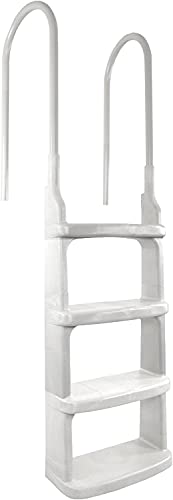
- VC Score8.6
BCP Score is a ranking system developed by bestcleanerproducts.com. BCP Score has no relationship or impact from any manufacturers or sales agent websites. Learn more
- BrandMain Access

- VC Score8.6
BCP Score is a ranking system developed by bestcleanerproducts.com. BCP Score has no relationship or impact from any manufacturers or sales agent websites. Learn more
- BrandMain Access

- VC Score8.0
BCP Score is a ranking system developed by bestcleanerproducts.com. BCP Score has no relationship or impact from any manufacturers or sales agent websites. Learn more
- BrandLFUTARI

- VC Score7.2
BCP Score is a ranking system developed by bestcleanerproducts.com. BCP Score has no relationship or impact from any manufacturers or sales agent websites. Learn more
- BrandBlue Torrent

- VC Score-
BCP Score is a ranking system developed by bestcleanerproducts.com. BCP Score has no relationship or impact from any manufacturers or sales agent websites. Learn more
- BrandUASAM
Last update on 2026-10-08 / Affiliate links / Images, Product Titles, and Product Highlights from Amazon Product Advertising API
FAQs
How much weight does an above ground pool ladder need to stay down?
Most residential above ground pool ladders need between 20 and 40 pounds of total ballast to stay firmly planted on the floor. Larger step systems with wide steps or enclosed risers trap more air and may require up to 50 pounds or more. Always check your ladder manual for the manufacturer's specific ballast recommendation before filling your weight containers.
Can I fill my pool ladder legs with sand instead of using bags?
Some ladder models have open ports specifically designed to be filled with sand, but doing so makes the ladder extremely heavy and difficult to pull out for winter storage. If you ever need to drain or move the ladder, wet sand inside the hollow posts can be very hard to clean out. Using removable weight bags or sealed ballast jugs is usually much easier to manage.
How do I stop my pool ladder from sliding around on the pool mat?
A ladder slides across a mat when the top handrails are loose or when there is not enough downward weight on the base. Tighten the pinch bolts on your screw-down mounting brackets at the deck to lock the frame in place. Then add an extra 10 to 15 pounds of sealed sand weight across the bottom steps to keep the feet planted firmly against the mat texture.
Why does my automatic pool cleaner get stuck behind the pool ladder?
Automatic cleaners often get trapped when a ladder floats slightly, creating an opening just large enough for the cleaner to drive under but too small for it to turn around. Securing the ladder to the floor ensures the entrapment barrier stays seated right against the liner, blocking the cleaner from driving behind the rungs. Tightening the top handrails also prevents the cleaner hose from wedging between the rail and the pool wall.


How to Refinish a Fiberglass Pool

How Do You Keep Raccoons Out of Your Pool?

How to Fix Cyanuric Acid in Your Pool

How to Shape a Pool Cue Tip to Stop Miscues

12 Best Automatic Vacuum For Intex Above Ground Pool of 2026 To Keep Vinyl Floors Spotless

10 Best Automatic Pool Vacuum For Above Ground Pool of 2026 To End Manual Scrubbing

How Much Pool Clarifier Should You Use for Your Pool Size?

How Much Does a Pebble Tec Pool Cost to Build or Resurface?


