
How to Clean an Intex Pool Without Damaging the Liner

Daily skimming and gentle brushing clear the water. Scoop floating leaves off the surface, sweep the vinyl walls toward the middle, and rinse the paper filter so water moves freely. A simple vacuum lifts any settled floor grit without scraping the soft liner.
The exact routine depends on your water and your setup. Light dust clears up quickly, but murky green water needs balanced chemicals and shock (concentrated chlorine that kills algae fast). Modest stock pumps also lack the suction for standard pool hoses, which makes a garden hose jet cleaner much safer on thin vinyl floors. An inflatable ring design also needs gentler handling than a metal frame pool. Here is how to clean every part safely without damaging your pool.
Skim leaves daily and brush vinyl walls gently
Above-ground pools use a soft vinyl liner, which makes up the flexible floor and sidewalls holding all your water. Unlike concrete or gunite pools that can take heavy scraping, thin vinyl scratches easily and can tear if you use the wrong tools. Keeping the pool clean starts with clearing debris before it sinks, rots, and leaves dark stains on the floor.
Use a skimmer, which is simply a flat mesh net attached to a long aluminum pole, to scoop floating bugs, grass clippings, and leaves off the surface every morning. Catching debris while it floats keeps it from sinking to the bottom, where it is much harder to remove. If your pool sits under shedding trees, emptying the skimmer net twice a day prevents organic junk from breaking down and feeding algae.
After skimming the surface, give the vinyl walls a gentle scrub. Algae starts as an invisible, slick film on the liner before it turns green, and regular brushing knocks it loose into the water where your filter can catch it. Follow this simple checklist whenever you brush:
- Choose a soft nylon brush: Buy a pool brush made specifically for vinyl liners with curved plastic edges. Never use a metal brush or an attachment with sharp corners, as one slip can slice through the liner.
- Push grime down and toward the center: Brush in smooth, overlapping strokes from the top waterline down toward the floor. Guide the settled dust toward the middle of the pool so you can vacuum it easily later.
- Wipe the waterline with a soft cloth: Suntan oil, body sweat, and pollen gather right where the water meets the pool wall. Wipe this ring with a damp microfiber cloth or a soft kitchen sponge rather than an abrasive scouring pad.
- Clean the inflatable top ring: If you have an Easy Set model with an air ring, wipe the rubber with plain water and a soft rag. Keeping dirt and tree sap off the collar prevents the sun from baking grime into the material and cracking it.
Vacuum settled floor dirt using the right water pressure
Most small Intex pools come with modest pumps that move only a few hundred gallons of water each hour. That low flow rate means you cannot simply plug a heavy commercial suction hose into the skimmer and expect it to pull strong suction. Instead, you need a method that removes floor silt without overtaxing a weak pump motor.
The most reliable manual tool for a standard vinyl pool is a jet vacuum, which is a floor cleaner powered by garden hose water pressure. As water from your outdoor spigot shoots into the vacuum base, it creates a gentle upward current that pushes leaves, pebbles, and dirt right into an attached mesh bag. If you prefer not to add tap water to your pool, a battery-powered handheld cleaner with an internal motor does the same job completely independently of your pool pump.
Vacuuming a soft vinyl floor takes a patient touch. Follow these steps to clean the floor without tearing seams or clouding up the water:
- Let the pool settle: Turn off your pool pump and keep everyone out of the water for at least an hour. This lets fine dust and dead algae settle into a visible layer on the pool floor.
- Assemble your vacuum head: Snap your cleaning head onto the pole and inspect the underside. Verify that the plastic bristles or small rubber wheels are clean and free of sharp grit that could gouge the vinyl floor.
- Attach your garden hose: If using a jet vacuum, hook your garden hose to the handle fitting, turn the spigot on fully, and lower the unit straight to the bottom. Keep the hose loose so it does not pull the vacuum head sideways.
- Move in slow, straight paths: Push the vacuum slowly across the floor in overlapping lines. Pushing too quickly creates an underwater wave that stirs the silt into the water instead of sucking it into the collection bag.
- Lift over floor wrinkles: Intex liners often have small wrinkles along the bottom. Never force the vacuum head across a wrinkle. Gently lift the head an inch, set it down on the other side, and continue forward.
- Empty the mesh bag often: When the collection bag fills halfway with leaves, lift the vacuum out slowly, untie the bag, and dump the contents into the trash. A heavy, overfilled bag drags across the vinyl and spills fine dirt back into the water.
Rinse paper filter cartridges often to protect weak pumps
Your circulation pump is the heart of your pool, but it relies on a cartridge filter, which is a pleated paper filter inside the pump canister. In an above-ground setup, these paper cylinders are small. They trap dead algae, skin oils, dust, and pollen, but they plug up quickly when the pool gets heavy use.
When the paper pleats clog with muck, water cannot pass through freely. You will notice the water stream returning from the wall jet slow down to a weak trickle. Trapped dirt forces the small pump motor to work twice as hard, causing it to overheat, hum loudly, and eventually burn out. A dirty filter also allows cloudy water to circulate endlessly without getting clean.
To keep water crystal clear and protect your equipment, inspect and rinse the filter cartridge every two to three days during warm weather. Follow safe steps whenever you open the canister:
First, unplug the pump cord from your outdoor GFCI outlet, which is a protected ground-fault outlet with a weatherproof cover. Never open a pump while power is connected. Next, insert the black rubber wall plugs that came with your pool into the wall fittings from the inside, or close the plunger valves if your model has them. This stops pool water from flooding out when you open the pump lid.
Unscrew the canister ring on top of the pump, pull out the paper cartridge, and inspect the folds. Use a standard garden hose nozzle set to a focused spray to blast dirt out of the pleats, working from top to bottom. Avoid high-pressure washers, which will tear the delicate paper mesh.
A paper cartridge can only handle so many washings. When the paper fibers look fuzzy, the pleats collapse against each other, or the paper stays gray and greasy after spraying, replace it. Most small pools need a brand-new cartridge every two weeks to maintain crisp water flow.
Clear cloudy or green water with dissolved chlorine shock
A sudden heatwave, heavy rainstorm, or weekend pool party can quickly turn clear water into a cloudy, green mess. Green water means free-floating algae has bloomed across the pool, while cloudy water usually indicates dead organic matter or improper chemical balance. Clearing it requires shock, which is concentrated chlorine that kills algae fast.
Thin vinyl liners need extra care during chemical treatments. Dry chlorine granules are heavy. If you toss dry granules straight into an Intex pool, they sink directly to the bottom, sit on the vinyl floor, and bleach the blue pattern into white spots. Worse, the high chemical heat weakens the vinyl, making it stiff and brittle until it cracks and leaks. Follow this safe method to clear the water without ruining your liner:
- Check your water balance: Use a chemical test strip to measure your chlorine, pH, and alkalinity levels. Adjust your pH until it sits between 7.2 and 7.6. If your pH is too high, chlorine loses its sanitizing power and will not kill the algae.
- Dissolve your shock in a bucket: Fill a clean five-gallon plastic bucket three-quarters full with pool water. Measure the correct amount of chlorine shock recommended on the product label for your pool size, and pour it into the water. Never add water to dry chemicals; always add the chemical to water.
- Stir until completely clear: Use a clean wooden or plastic paint stick to stir the water until every single grain dissolves. Take your time so no solid crystals remain at the bottom of the bucket.
- Pour around the edges in the evening: Walk around the perimeter of the pool and pour the dissolved liquid slowly into the water. Always add shock at dusk or after the sun goes down so the sun does not burn off the chlorine before it attacks the algae.
- Run the pump around the clock: Keep the pump running continuously for twenty-four to forty-eight hours to circulate the sanitizer. The water will shift from murky green to a cloudy, milky blue as the algae dies off.
- Wash the paper filter twice daily: As dead algae sweeps through the pump, the pleated cartridge will plug up in just a few hours. Rinse the filter in the morning and again in the evening until the water turns completely transparent.
Avoid common mistakes that tear liners and ruin pumps
Small above-ground pools are budget-friendly and easy to enjoy, but their materials require thoughtful handling. A single careless mistake can puncture the bottom or wreck a pump motor. Watch out for these common missteps:
- Dropping chlorine tablets straight on the floor: Never let solid chlorine pucks sit on the vinyl. Always put tablets inside a floating dispenser or a wall skimmer basket so the chemical dissolves evenly in moving water.
- Using bare metal poles: Aluminum pool poles can lose their protective rubber end caps over time. If a bare metal pole rubs across the liner floor while you vacuum, it can slice the vinyl open instantly.
- Letting the pump run dry: Small magnetic-drive pumps depend on flowing water to cool their moving parts. If the pool water level drops below the wall inlet, the pump pulls air instead of water and burns out within minutes. Keep the water level halfway up the skimmer opening or a few inches above the inlet.
- Swimming while cleaning equipment is running: Never allow children or pets into the pool while vacuums, long hoses, or electrical cords are in the water. Cords pose an entanglement hazard, and agitated swimmers stir up dirt that needs to settle.
- Ignoring a leaning pool frame: If your yard is not flat, the shifting weight of thousands of pounds of water pulls the vinyl unevenly. This strains the bottom seams and makes vacuuming low spots nearly impossible. Learning how to level an Intex pool on uneven ground prevents wall blowouts and keeps your liner flat for easy cleaning. In the same way, taking time to put pavers under pool legs stops metal frame supports from sinking into soft mud and pinching the liner.
Choose cleaners designed for low flow and soft vinyl
Finding the right pool cleaner for an Intex pool comes down to matching the tool to your pump capacity and liner thickness. Heavy automatic crawlers made for in-ground concrete pools are too heavy, feature aggressive brushes, and require powerful motors that small above-ground pumps cannot provide. Pushing an oversized cleaner into a vinyl setup leads to stuck units, torn seams, and stalled pump motors.
For pools with modest circulation pumps, look for cleaners that bring their own power. Handheld battery-operated vacuums and garden hose jet cleaners do not connect to your pool plumbing at all, allowing your pump to focus entirely on circulating water through the filter. If you do want an automatic cleaner that connects to your pool wall, check your pump flow rating first. Verify the manufacturer label on your pump to confirm it produces the minimum gallons per hour required by the automatic cleaner before buying.
Finally, examine the underside of any cleaner you consider. The ideal unit features soft bristle skirts, smooth rubber wheels, and curved bumper guards. These gentle contact points let the cleaner glide over floor wrinkles, transition smoothly up sidewalls, and lift dirt without pinching or scratching your pool liner.
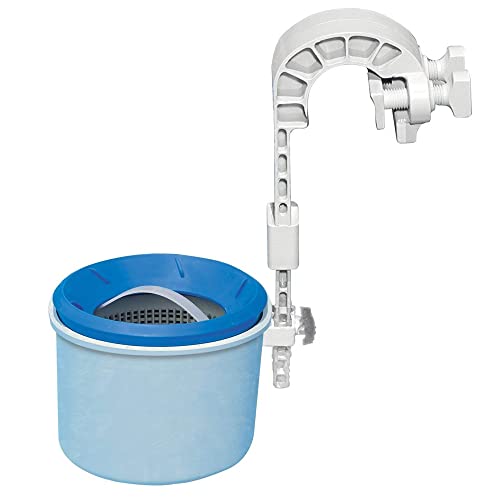
- VC Score8.6
BCP Score is a ranking system developed by bestcleanerproducts.com. BCP Score has no relationship or impact from any manufacturers or sales agent websites. Learn more
- BrandIntex
- VC Score8.6
BCP Score is a ranking system developed by bestcleanerproducts.com. BCP Score has no relationship or impact from any manufacturers or sales agent websites. Learn more
- BrandIntex

- VC Score8.4
BCP Score is a ranking system developed by bestcleanerproducts.com. BCP Score has no relationship or impact from any manufacturers or sales agent websites. Learn more
- BrandPOOL BLASTER
- VC Score8.4
BCP Score is a ranking system developed by bestcleanerproducts.com. BCP Score has no relationship or impact from any manufacturers or sales agent websites. Learn more
- BrandIntex

- VC Score7.8
BCP Score is a ranking system developed by bestcleanerproducts.com. BCP Score has no relationship or impact from any manufacturers or sales agent websites. Learn more
- BrandPOOLWHALE

- VC Score7.8
BCP Score is a ranking system developed by bestcleanerproducts.com. BCP Score has no relationship or impact from any manufacturers or sales agent websites. Learn more
- BrandPool Supply Town

- VC Score7.6
BCP Score is a ranking system developed by bestcleanerproducts.com. BCP Score has no relationship or impact from any manufacturers or sales agent websites. Learn more
- BrandIntex

- VC Score7.4
BCP Score is a ranking system developed by bestcleanerproducts.com. BCP Score has no relationship or impact from any manufacturers or sales agent websites. Learn more
- BrandIntex

- VC Score-
BCP Score is a ranking system developed by bestcleanerproducts.com. BCP Score has no relationship or impact from any manufacturers or sales agent websites. Learn more
- BrandTaoanlo
Last update on 2026-10-08 / Affiliate links / Images, Product Titles, and Product Highlights from Amazon Product Advertising API


How to Refinish a Fiberglass Pool

How Do You Keep Raccoons Out of Your Pool?

How to Fix Cyanuric Acid in Your Pool

How to Shape a Pool Cue Tip to Stop Miscues
12 Best Automatic Vacuum For Intex Above Ground Pool of 2026 To Keep Vinyl Floors Spotless

10 Best Automatic Pool Vacuum For Above Ground Pool of 2026 To End Manual Scrubbing

How Much Pool Clarifier Should You Use for Your Pool Size?

How Much Does a Pebble Tec Pool Cost to Build or Resurface?








