
How to Safely Fix Green Hair from a Pool

Most swimmers assume chlorine turns light hair green, but oxidized copper metals in the pool water are the true culprit. Lifting that green tint safely takes an acidic rinse or mineral-binding wash, which breaks the bond and frees the trapped metal without wrecking your hair. Following up with a deep conditioner restores moisture so your strands stay soft and healthy.
How quickly the color clears depends on hair damage and the supplies you have on hand. Bleached, highlighted, or porous hair absorbs copper like a dry sponge, so it holds the green much more stubbornly than untreated hair. A light tint often washes out with simple kitchen items like lemon juice or tomato paste, while heavy staining calls for powdered vitamin C crystals. Here is what is happening to your hair and the exact steps to restore your natural color today.
The Real Cause of Green Hair: Copper Metals Instead of Chlorine
Looking in the bathroom mirror after a swim and seeing an unmistakable tint of mint green across your blonde or light hair is alarming. Most swimmers immediately blame chlorine for the color change. Chlorine has a strong smell and can leave your hair feeling like straw, so it seems like the obvious suspect. Chlorine does not turn your hair green. Chlorine is a clear sanitizing agent that acts like a mild bleach. The true cause of that green shade is dissolved copper metal floating inside the pool water.
Copper enters swimming pool water through several common routes. Many commercial algaecides contain copper compounds designed to kill green algae blooms. If you fill your pool from a well, that ground water often carries dissolved metals straight from underground mineral deposits. Copper can also leach into the water from the pool equipment itself. When pool water becomes acidic, it slowly eats away at the copper heat exchanger coils inside the pool heater or older copper plumbing lines. As that metal dissolves into the water, it stays invisible until chlorine enters the picture.
Chlorine oxidizes the dissolved copper. You can think of oxidized copper as rusted dissolved metal, similar to how an old copper penny turns bright green when left outside in the rain. Once the chlorine oxidizes these tiny metal particles, they float freely through the water looking for a surface to latch onto. Hair protein provides the ideal landing zone.
Your hair structure explains why some swimmers get bright green locks while others leave the pool untouched. Every hair strand is protected by an outer hair surface (the hair cuticle), which looks like overlapping shingles on a roof. When hair is virgin, healthy, and dark, those shingles lie flat and tight. Bleached blonde hair, highlighted strands, gray hair, and naturally dry hair have a much higher hair absorbency (porosity). Chemical lightening lifts those protective shingles, leaving tiny gaps along the strand. Dry hair behaves exactly like a dry kitchen sponge. As soon as you jump into the pool, that sponge drinks in the metal-loaded water. The rusted copper bonds tightly to the sulfur molecules inside the hair shaft, tinting the strands green.
Seeing that green shade does not mean your hair is permanently stained or ruined. The copper has attached itself to the protein bonds, but it has not altered your natural hair pigment underneath. You do not need to cut your hair off, and you should never reach for harsh household bleaches, laundry soap, or concentrated clarifying dish detergents. Those harsh chemicals will strip away all moisture, causing brittle hair strands to snap. All you need to lift the green tint is a mild acidic wash or a mineral-binding treatment that breaks the copper's grip.
Step-by-Step Methods to Strip Green Tints from Your Hair
To pull copper out of your hair strands, you need an ingredient that dissolves the bond between the metal and the hair protein. Mild acids and specialized mineral-binding ingredients do this without burning your scalp or snapping your hair. Depending on what you have in your cupboards right now, you can clear the tint using simple kitchen staples or dedicated swimmer remedies.
Fast Kitchen Remedies for Immediate Relief
If you need to leave the house soon and cannot wait for a specialty product, acidic pantry staples can lift mild to moderate copper buildup right away. Tomato paste, ketchup, lemon juice, and baking soda are the most reliable home remedies.
Ketchup and tomato paste work through two separate mechanisms. First, tomatoes contain natural citric and malic acids that break down oxidized copper. Second, red sits directly opposite green on the color wheel. The deep red paste helps neutralize leftover green tones while the natural fruit acids loosen the metal deposits.
- Dampen your hair with warm water and gently squeeze out the excess moisture with a towel.
- Apply regular ketchup or thick tomato paste generously over all the green sections, coating the strands from roots to tips.
- Wrap your hair in a plastic shower cap or plastic wrap to trap body heat and prevent the paste from drying out.
- Let the paste sit on your hair for 20 to 30 minutes while the natural acids dissolve the copper bonds.
- Rinse your hair thoroughly with lukewarm water until the rinse water runs completely clear.
- Wash with a gentle moisturizing shampoo, then follow with a deep conditioning mask to restore moisture.
Fresh lemon juice provides another quick acidic option. Lemon juice carries a high concentration of citric acid that eats through metal residue quickly. Pure lemon juice can dry out lightened strands if left on too long, so mix it with a small amount of regular conditioner or baking soda before application.
- Squeeze fresh lemon juice into a small bowl and mix in equal parts water or a dab of daily hair conditioner.
- Saturate the green patches of your hair with the mixture, gently working it through the strands with your fingers.
- Leave the lemon mixture on your hair for no longer than 5 to 10 minutes.
- Rinse the hair thoroughly with cool water to wash away the loosened metals.
- Apply a rich conditioner immediately to replace the natural oils removed by the acid.
Vitamin C Crystals and Swimmer Shampoos for Deep Stains
If your hair has heavy, stubborn copper buildup from weeks of swimming, kitchen fixes might only fade the stain to a pale seafoam color. In that scenario, ascorbic acid (pure vitamin C) provides the fastest, most reliable fix. Ascorbic acid acts as a powerful antioxidant that reverses the oxidation on the copper, turning the green metal completely colorless and breaking its bond with your hair protein in minutes.
- Crush 15 to 20 pure vitamin C tablets into a fine powder, or measure out two tablespoons of pure ascorbic acid crystals into a small bowl.
- Mix the powder with a squirt of clarifying shampoo or warm water until it forms a smooth, spreadable paste.
- Wet your hair in the sink or shower with warm water to expand the outer hair surface.
- Massage the vitamin C paste thoroughly through every green section of your hair, lathering it gently into the strands.
- Cover your head with a shower cap and allow the paste to work for 10 to 15 minutes. You can check a strand in the mirror every few minutes to watch the green disappear.
- Rinse your hair completely with warm water for at least two full minutes to wash away the released metals.
- Follow immediately with a thick protein or deep moisture hair mask, leaving the conditioner on for 10 minutes before the final rinse.
How to Protect Hair Before Swimming and Lower Pool Metals
Once you strip the green out of your hair, taking small preventative steps before jumping into the pool will stop copper from latching on again. Protecting your hair requires managing both your pre-swim habits and the chemical balance of the pool water itself.
Dry, porous hair drinks in pool water immediately. If you fill those open spaces with clean water and protective oils before you step onto the pool deck, the water has nowhere to go. Keep this short checklist in mind every time you head to the pool:
- Drench your hair with fresh tap water: Soak your hair under an outdoor shower or bathroom sink before swimming so the strands are fully saturated with clean water.
- Apply a pre-swim barrier conditioner: Smooth a leave-in conditioner, coconut oil, or dedicated barrier cream through your strands to coat the outer hair surface and block metals.
- Wear a silicone swim cap: A snug cap keeps the majority of pool water away from your scalp and hair, especially during long swim sessions.
- Rinse immediately after getting out: Never let pool water dry in your hair under the sun; rinse with fresh water the moment you step out of the pool.
Preventing green hair permanently also requires addressing the water chemistry. If you own the pool, keep a close watch on metal concentrations. You can verify metal levels by using a copper water check strip or taking a water sample to a local pool supply retailer. Dissolved copper should remain at zero parts per million for swimming comfort.
If your water contains copper from well water or an old heater, add a liquid metal sequestering agent to the pool. A metal sequestering agent binds directly to dissolved copper particles, holding them in suspension so they cannot oxidize, stain pool plaster, or attach to blonde hair. Maintain proper pH levels between 7.4 and 7.6. When pool water pH drops below 7.2, the acidic water actively corrodes copper heater elements, creating a constant supply of dissolved metals. Keeping proper circulation and filtration helps keep pool water crystal clear while filtering out trapped dirt and suspended matter.
If you swim in a salt pool, remember that salt water pools use chlorine generators to sanitize the water. While learning how to balance water chemistry when treating a salt water pool helps control scaling and algae, the salt generator still creates free chlorine that oxidizes any dissolved copper present. Routine water checks keep both your equipment and your hair safe from mineral damage.
What to Look for in Swimmer Hair Care and Mineral Cleaners
Swimmers who spend hours in the pool each week need specialized hair care formulated to handle recurring mineral exposure. Standard clarifying shampoos often rely on harsh sulfates that strip away color and natural moisture without actually breaking the bond between copper and hair protein. When looking for products to protect against pool metals, focus on ingredients designed to capture minerals gently.
Check the ingredient label for mineral-binding agents (chelating ingredients) such as ascorbic acid, citric acid, or disodium EDTA. These compounds surround copper and hard water minerals, neutralizing their charge so they wash down the drain instead of clinging to your hair. Plant-based proteins and provitamin B5 are also helpful additions, as they slip into open spaces along the hair shaft to strengthen damaged areas without weighing hair down.
For daily swimmers, consider keeping a dedicated pre-swim barrier defense cream in your swim bag alongside a gentle mineral-removing wash. A good pre-swim cream uses water-resistant natural oils or conditioning agents to create a protective shield over the outer hair surface before you enter the water. Look for formulas labeled color-safe and sulfate-free so you can remove pool minerals without dulling your salon highlights or drying out your scalp.

- VC Score9.2
BCP Score is a ranking system developed by bestcleanerproducts.com. BCP Score has no relationship or impact from any manufacturers or sales agent websites. Learn more
- BrandMalibu C

- VC Score9.2
BCP Score is a ranking system developed by bestcleanerproducts.com. BCP Score has no relationship or impact from any manufacturers or sales agent websites. Learn more
- BrandMalibu C
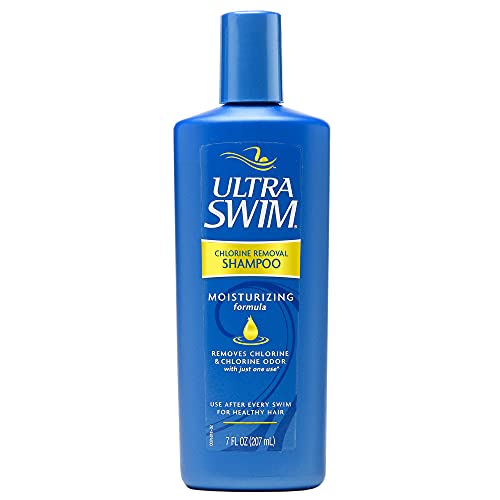
- VC Score9.2
BCP Score is a ranking system developed by bestcleanerproducts.com. BCP Score has no relationship or impact from any manufacturers or sales agent websites. Learn more
- BrandUltraSwim

- VC Score9.2
BCP Score is a ranking system developed by bestcleanerproducts.com. BCP Score has no relationship or impact from any manufacturers or sales agent websites. Learn more
- BrandPaul Mitchell

- VC Score9.0
BCP Score is a ranking system developed by bestcleanerproducts.com. BCP Score has no relationship or impact from any manufacturers or sales agent websites. Learn more
- BrandMalibu C
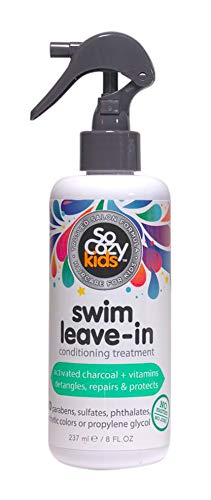
- VC Score9.0
BCP Score is a ranking system developed by bestcleanerproducts.com. BCP Score has no relationship or impact from any manufacturers or sales agent websites. Learn more
- BrandSO COZY

- VC Score9.0
BCP Score is a ranking system developed by bestcleanerproducts.com. BCP Score has no relationship or impact from any manufacturers or sales agent websites. Learn more
- BrandMalibu C

- VC Score8.8
BCP Score is a ranking system developed by bestcleanerproducts.com. BCP Score has no relationship or impact from any manufacturers or sales agent websites. Learn more
- BrandUnderwater Audio

- VC Score8.8
BCP Score is a ranking system developed by bestcleanerproducts.com. BCP Score has no relationship or impact from any manufacturers or sales agent websites. Learn more
- BrandAQUA GUARD

- VC Score8.8
BCP Score is a ranking system developed by bestcleanerproducts.com. BCP Score has no relationship or impact from any manufacturers or sales agent websites. Learn more
- BrandAQUA GUARD
Last update on 2026-10-08 / Affiliate links / Images, Product Titles, and Product Highlights from Amazon Product Advertising API
FAQs
Will my salon highlights or bleached hair be ruined forever?
No, your highlights and bleached hair are not permanently ruined by pool water. The green color is simply a layer of oxidized copper clinging to your hair protein rather than a permanent dye change. Once you use a mild acid rinse or a vitamin C treatment to loosen the metal, your original blonde color will return completely.
Can I use baking soda by itself to wash out the green tint?
Baking soda can help scrub away loose mineral deposits, but it works much better when paired with an acidic rinse. Because baking soda is alkaline, it lifts the hair cuticle rather than dissolving the oxidized metal bonds directly. For the best results, use an acidic treatment like lemon juice or vitamin C first, then use a mild shampoo and deep conditioner to restore balance.
Why does pool water turn light hair green but not dark hair?
Pool water deposits the exact same amount of oxidized copper onto dark hair, but the dark melanin pigment underneath masks the green color. Light blonde, bleached, and gray hair lack dark underlying pigment, making the bright greenish-blue copper residue immediately visible against the pale strands. Lightened hair is also generally more porous, allowing it to soak up more metal-heavy water.


How to Refinish a Fiberglass Pool

How Do You Keep Raccoons Out of Your Pool?

How to Fix Cyanuric Acid in Your Pool

How to Shape a Pool Cue Tip to Stop Miscues

12 Best Automatic Vacuum For Intex Above Ground Pool of 2026 To Keep Vinyl Floors Spotless

10 Best Automatic Pool Vacuum For Above Ground Pool of 2026 To End Manual Scrubbing

How Much Pool Clarifier Should You Use for Your Pool Size?

How Much Does a Pebble Tec Pool Cost to Build or Resurface?








