
How to Make a Pool Cover Reel That Does Not Sag

Thick plastic pipe builds a sturdy roller. All it takes is thick white plastic pipe, two basic end stands, a hand crank, and strong straps to hold the cover. Hauling a soaking wet blanket by hand strains your back and tears the material over time. Putting together a simple roller lets one person clear the water in less than a minute.
The exact build depends on your pool setup. Spans past fourteen feet need an internal stiffener inside the tube so the weight of wet plastic will not bend the roller. Inground decks need steady floor stands, while above-ground pools mount directly to the top rail. Thicker blankets also drag more water weight as they lift. Here is how to assemble each piece so the roller turns easily and stays straight.
The Short Version
- Use thick pipe: Build the main roller tube from 3-inch or 4-inch Schedule 40 PVC (thick white plastic pipe) so it supports the heavy weight of wet plastic without snapping.
- Add an internal stiffener: Slide a long piece of metal electrical conduit inside the plastic tube if your pool is wider than 14 feet to prevent roller sag.
- Build balanced end stands: Support the roller on two wide wooden or plastic T-stands, using a bushing (a smooth sleeve that lets the pipe spin) on each side to keep the turn smooth.
- Fasten straps evenly: Attach sturdy nylon webbing straps every two to three feet along the blanket edge with plastic clips so the cover rolls straight without ripping.
Tools and Materials for a Sturdy Pool Reel
You can buy everything needed to build a manual pool cover roller at your local hardware store. Building your own reel saves money, but using flimsy plumbing parts will leave you with a bowed roller that jams after two weeks. Stick to rigid parts that handle constant sun, pool chemicals, and heavy wet blankets.
Here is the hardware checklist for a pool up to 16 feet wide:
- Main roller pipe: One or two lengths of 3-inch or 4-inch Schedule 40 PVC (thick white plastic pipe) cut to your pool width plus two extra feet of clearance.
- Pipe coupler and cement: A matching heavy-duty coupler and purple primer with PVC cement if your pool width requires joining two pipes together.
- Internal stiffener: A 10-foot or 12-foot length of 1-inch metal conduit pipe (EMT conduit) to slide inside the plastic tube for extra rigidity.
- End caps: Two slip-on PVC end caps that fit tightly over your main roller tube.
- Stand framing: Two pressure-treated 2x4 wood boards or 1.5-inch PVC pipes with T-fittings to build two upright support legs.
- Spindle hardware: Two short lengths of 1-inch metal pipe nipples, large steel washers, and a flange (a flat round plate for screws) to mount the axle to each stand.
- Crank handle parts: Three 1-inch PVC 90-degree elbows and short pipe scraps to make an offset hand crank.
- Blanket attachment straps: A set of nylon webbing straps, plastic fastening clips, stainless steel sheet metal screws, and flat fender washers.
For tools, gather a cordless drill with drill bits, a tape measure, a hand saw or ratcheting pipe cutter, a wrench set, and a marker. Keep a small tube of silicone grease nearby to lubricate the turning joints.
Choosing the Right Pipe Size and Stopping Roller Sag
The biggest struggle with homemade pool rollers is deflection (bending in the middle under heavy weight). A dry solar blanket only weighs 15 to 20 pounds. Once you pull that blanket across the water, surface tension and trapped water turn it into a 50-pound soaking load. If your center tube bends downward, the ends bind inside the stand cradles, the plastic twists, and rolling up the pool cover turns into a grueling workout.
Pipe diameter makes a massive difference in stiffness. Never use thin drain-waste-vent pipe or 2-inch plumbing pipe for a solar cover reel. A 2-inch pipe bends under its own weight across a 12-foot span. For pools up to 14 feet wide, 3-inch Schedule 40 pipe provides adequate stiffness. If your pool spans 14 to 18 feet across, use 4-inch Schedule 40 pipe. The larger diameter resists bending forces far better than small pipe, giving you a straighter line from edge to edge.
To eliminate center sag on pools wider than 14 feet, slide a rigid metal conduit pipe inside your plastic roller tube before gluing on the end caps. A 1-inch or 1.25-inch galvanized steel conduit acts like an internal spine. It prevents the plastic from bowing downward under summer heat and wet weight. If you must join two plastic pipes to span your pool, position the glued coupling several feet away from the center point. The center point carries the highest bending stress, so moving the joint toward one side keeps your roller significantly stiffer.
How to Assemble the Stands and Crank Handle
The base stands must hold the weight of the rolled blanket without tipping over when you pull the crank. You can build the stands out of pressure-treated lumber or rigid PVC pipe. Follow these steps to build the frame and spindle assembly.
- Build wide base feet: Cut your base wood or pipe so the bottom feet sit at least 24 to 30 inches wide. A wide foot print stops the reel from tipping forward into the water when the wet cover pulls hard. Make the vertical upright tall enough to lift the roller tube roughly 10 to 14 inches above your pool coping or top rail. If you have an above-ground pool on soft lawn ground, make sure your stand surfaces sit flat and firm; you can check how to put pavers under pool legs so they never sink to understand how solid footings stop pool equipment from shifting into the soil.
- Drill the center axle holes: Drill a 1-inch hole through the top of each vertical upright stand. Insert a smooth bushing (a smooth sleeve that lets the pipe spin) or a short sleeve of smooth plastic pipe into each hole. This prevents the turning metal axle from chewing into the wooden uprights over time.
- Attach the axle shafts to the roller tube: Drill a 1-inch hole directly through the center of both PVC end caps. Slide a 6-inch threaded metal pipe nipple through each cap, locking it tight with a washer and nut on both sides. Glue the end caps onto your main roller tube using PVC cement. One axle nipple will rest in the passive stand, while the other side extends out to hold the crank handle.
- Assemble the offset crank handle: Thread a 90-degree elbow onto the projecting axle nipple on your drive side. Add a 6-inch pipe scrap pointed outward, attach a second 90-degree elbow pointed forward, and add an 8-inch pipe scrap to create a comfortable turning grip. This offset crank design gives your arm strong mechanical leverage so you can wind the wet blanket with one hand.
How to Fasten the Solar Cover Without Tearing
Ripping the solar blanket is a common mistake when building a reel. Pulling a blanket from only two or three points tears the thin plastic bubbles right off the backing. You need wide nylon straps placed at regular intervals to spread the pulling force across the entire width of the blanket.
- Position the roller squarely: Place your assembled reel at the shallow end or deep end of the pool, perpendicular to the pool walls. Pull the solar blanket out flat across the water surface so there are no large wrinkles or folds.
- Space your straps evenly: Use heavy nylon webbing straps spaced roughly 24 to 30 inches apart across the cover edge. A 16-foot pool cover needs six to eight straps. If you place them farther apart, the edge of the blanket will sag between the straps, scooping up gallons of pool water like a net as you roll.
- Fasten straps to the plastic roller tube: Secure the top end of each nylon strap directly to the PVC roller using stainless steel sheet metal screws and wide fender washers. The wide washer keeps the screw head from ripping through the nylon strap under tension. Keep all strap attachment points in a straight line down the length of the pipe.
- Clamp the straps to the solar blanket: Fasten the loose end of each strap to the pool cover using two-piece plastic blanket clips. Avoid driving screws straight into the thin pool cover material. If you run out of clips, sandwich the cover between two small squares of rigid plastic scrap and run a smooth bolt through the sandwich. While working around pool edges with hand tools, be careful not to puncture nearby vinyl surfaces; if an accidental scrape happens, you can learn how to patch an Intex pool without draining it to seal the hole quickly.
- Adjust the strap tension: Turn your crank handle until the straps begin to lift the cover. Check each strap individually. Tighten or loosen the strap buckles until every line carries equal tension. When all straps pull with the same firmness, the cover winds onto the pipe in a neat, straight roll without bunching in the corners.
When to Buy a Commercial Aluminum Reel Instead
While a homemade plastic pipe roller works well for small to medium swimming pools, it reaches its structural limit on large pools. If your pool is wider than 18 feet, or if you use an extra-thick 16-mil commercial solar blanket, plastic PVC pipe struggles to handle the weight over time. The pipe will slowly develop permanent sag in hot sun, which makes winding frustrating and stresses the mounting stands.
Commercial pool reels solve this span problem by using interlocking grooved aluminum tubes. Aluminum provides immense stiffness with a fraction of the weight of Schedule 40 plastic pipe. Quality commercial units also include geared crank boxes that reduce physical winding effort, locking caster wheels for moving the reel away from the pool deck, and strap channels that slide into place without drilling holes. If your pool has a wide span or unique shape that makes a single straight plastic pipe awkward to position, a purpose-built aluminum system offers a durable, sag-free alternative.

- VC Score8.6
BCP Score is a ranking system developed by bestcleanerproducts.com. BCP Score has no relationship or impact from any manufacturers or sales agent websites. Learn more
- BrandVINGLI

- VC Score8.4
BCP Score is a ranking system developed by bestcleanerproducts.com. BCP Score has no relationship or impact from any manufacturers or sales agent websites. Learn more
- BrandPonwec

- VC Score8.2
BCP Score is a ranking system developed by bestcleanerproducts.com. BCP Score has no relationship or impact from any manufacturers or sales agent websites. Learn more
- BrandTlswshsy
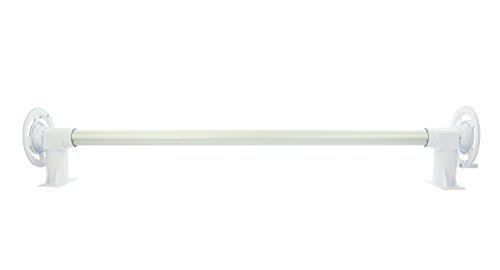
- VC Score8.0
BCP Score is a ranking system developed by bestcleanerproducts.com. BCP Score has no relationship or impact from any manufacturers or sales agent websites. Learn more
- BrandSun2Solar

- VC Score8.0
BCP Score is a ranking system developed by bestcleanerproducts.com. BCP Score has no relationship or impact from any manufacturers or sales agent websites. Learn more
- Brandcodree

- VC Score7.6
BCP Score is a ranking system developed by bestcleanerproducts.com. BCP Score has no relationship or impact from any manufacturers or sales agent websites. Learn more
- BrandSun2Solar

- VC Score7.4
BCP Score is a ranking system developed by bestcleanerproducts.com. BCP Score has no relationship or impact from any manufacturers or sales agent websites. Learn more
- BrandPool Boy

- VC Score6.0
BCP Score is a ranking system developed by bestcleanerproducts.com. BCP Score has no relationship or impact from any manufacturers or sales agent websites. Learn more
- BrandAqua EZ
Last update on 2026-10-08 / Affiliate links / Images, Product Titles, and Product Highlights from Amazon Product Advertising API
FAQs
Can I make a pool cover reel out of metal conduit instead of plastic pipe?
You can use thin-wall metal conduit as an internal stiffener, but using bare steel pipe as your main roller is not recommended. Pool water chemicals and chlorine gas quickly corrode thin metals, causing rust flakes to stain your pool liner. Thick white plastic pipe resists all pool sanitizers and protects your solar blanket from rough rust edges.
How do I keep the DIY reel from blowing over in high winds?
A rolled solar blanket acts like a sail when strong backyard gusts hit your deck. You can stabilize wooden stand bases by laying two heavy concrete patio blocks across the bottom runner boards. Another simple method is securing the base legs to your concrete pool deck with removable drop-in anchor bolts, or using tie-down bungee cords hooked to your deck safety fence posts.
Where should I store the rolled-up pool cover during hot summer days?
Leaving a rolled solar blanket sitting in direct summer sunlight without a white protective cover will destroy it. The clear bubbles focus sunlight like magnifying glasses, generating intense heat that melts the rolled layers together. Always wrap a white solar cover sheet or light-colored tarp around the rolled reel whenever it sits unused in the sun.
How many straps do I need to hold a solar cover securely?
Plan on using one nylon strap for every two to two and a half feet of pool cover width. A 12-foot wide pool needs five to six straps, while an 18-foot wide pool requires seven to eight straps. Spacing straps evenly across the edge prevents deep sagging pockets that gather heavy pool water during winding.


How to Refinish a Fiberglass Pool

How Do You Keep Raccoons Out of Your Pool?

How to Fix Cyanuric Acid in Your Pool

How to Shape a Pool Cue Tip to Stop Miscues

12 Best Automatic Vacuum For Intex Above Ground Pool of 2026 To Keep Vinyl Floors Spotless

10 Best Automatic Pool Vacuum For Above Ground Pool of 2026 To End Manual Scrubbing

How Much Pool Clarifier Should You Use for Your Pool Size?

How Much Does a Pebble Tec Pool Cost to Build or Resurface?








