
How to Kill Black Algae in a Pool and Destroy the Roots

Black algae looks stubborn, but it is not a reason to panic. Getting rid of it requires scrubbing off the waxy outer coating with a stiff brush, followed by heavy chlorine shocking to kill the roots beneath the surface. Standard pool chemicals slide right off the algae's protective slime, so vigorous brushing is the only way to expose the core to sanitizer.
The exact routine depends on the pool surface, because wire bristles and direct chlorine tablets will damage vinyl liners or fiberglass. How deep the roots have burrowed into plaster or grout also changes the timeline, and the water pH must sit between 7.2 and 7.4 so chlorine works at full strength. Here is the step-by-step method to safely strip the shell, kill the roots, and keep the spots from returning.
Why did normal pool shock fail to kill it?
Black algae is not actually true algae. It is made of black algae organisms (cyanobacteria) that behave very differently from green or yellow pool algae. Free-floating green algae dies quickly with standard shock, but black algae acts like a stubborn weed with deep roots and tough body armor.
The dark spot you see on your pool wall is just the surface cap. Beneath that cap, tiny root strands burrow deep inside the microscopic pores of your pool plaster, gunite, or tile grout. These roots anchor the bloom firmly to the pool structure and pull minerals directly from the wall finish.
To protect itself from chemicals, the head secretes a waxy protective slime layer. This barrier is completely water-repellent. When you add standard shock to the water, the chlorine slides right off that waxy shield without reaching the live cells underneath.
Even if your shock treatment clears the pool water, the roots stay alive inside the wall pores. Once your sanitizer level drops back to normal, the roots send up new growth. Within three to four days, the dark spots return in the exact same places.
Which brush should you use for your pool?
You cannot kill black algae with chemicals alone. You must physically break open that waxy protective slime layer so sanitizer can reach the living roots beneath. The right brush depends entirely on your pool wall material, as using the wrong bristles can cause permanent surface damage.
Check your surface type before you start scrubbing:
- Concrete, plaster, or gunite: Use a brush with stiff stainless steel wire bristles. Plaster is tough enough for metal bristles, which are rigid enough to scratch through the waxy coating. Soft nylon bristles will simply slide over the waxy surface without breaking it open.
- Pebble aggregate (like Pebble Tec): Use a stainless steel brush or a hybrid wire-and-nylon brush. The textured surface hides roots in tiny gaps between pebbles, requiring stiff bristles to pry them loose.
- Vinyl liner: Never use a metal wire brush on a vinyl liner. Stainless steel bristles will slice or tear the vinyl material. Use a heavy-duty brush with stiff nylon bristles and press firmly against the spots.
- Fiberglass: Use a stiff nylon brush only. Wire bristles will gouge the smooth gel coat, leaving scratches where future algae can take root.
- Tile lines and corners: Use a handheld corner brush with stiff nylon or wire bristles (matched to your wall type) for tight 90-degree corners and grout joints where wide brushes cannot make contact.
Before scrubbing, measure your pool water and lower the pH to between 7.2 and 7.4. High pH weakens pool chlorine, while a slightly lower pH ensures your shock works at maximum killing strength.
What are the exact steps to eliminate black algae?
Eradicating black algae requires a strict sequence of aggressive scrubbing and heavy chemical dosing. Skipping steps or stopping too early allows surviving roots to rebuild their protective layer. Follow this step-by-step routine:
- Balance the water chemistry: Check your total alkalinity and adjust it to between 80 and 120 parts per million (ppm). Lower your pH to 7.2 using a standard dry acid or muriatic acid. Chlorine sanitizes twice as fast at a pH of 7.2 compared to a pH above 7.8.
- Scrub every spot aggressively: Attach your brush to a sturdy telescopic pole. Put your weight behind each stroke and scrub directly over every dark spot to tear away the waxy protective slime layer. If a spot still feels slick to the touch, keep scrubbing until you reach the rough core.
- Apply heavy chlorine shocking: Standard shock is not enough. You need superchlorination (heavy chlorine shocking) to raise free chlorine to roughly 20 to 30 ppm. Use calcium hypochlorite or liquid chlorine at three to four times your normal shock dose. Add the shock at dusk so direct sunlight does not break down the sanitizer before it can attack the roots.
- Run the pump continuously: Keep your circulation pump running 24 hours a day. Constant water flow carries the shock directly into the opened algae heads and moves loosened debris into your filter.
- Brush the spots twice daily: Scrub every affected spot morning and evening for three to four days. Black algae quickly regenerates its waxy shield over damaged roots, so frequent brushing keeps the wounds open to the sanitizer.
- Add a specialized algaecide: On the second day of treatment, add a concentrated algaecide formulated specifically for black algae. Formulas containing chelated copper penetrate deep into the roots to shut down cellular growth from within.
Can you treat stubborn root spots directly?
When deep roots remain trapped inside plaster pores, heavy shocking alone may leave faint dark marks. Direct spot treatment delivers pure sanitizer straight to the exposed roots to burn out the remaining growth.
For plaster, gunite, or concrete pools, rub a 3-inch trichlor chlorine tablet directly over the spot. Use a gloved hand or a dedicated pole attachment to reach deep floor spots without diving underwater. Rub the flat edge of the tablet against the spot for thirty seconds. This action grinds concentrated, acidic chlorine directly into the root core, killing the cells on contact.
Never rub a chlorine tablet against a vinyl liner or fiberglass pool. Trichlor tablets are intensely acidic and will permanently bleach the vinyl pattern or make the liner brittle and prone to tearing. If chemical bleaching ruins a liner, you face major repairs, like having to change an above ground pool liner prematurely. For vinyl and fiberglass, turn off the pump and use a funnel with a hose to pour liquid chlorine or a granular black algae killer directly over the spot.
You can also use granular spot treatments made from fast-dissolving chlorine or copper compounds. Shut off the pump so the water is completely still. Drop the heavy granules directly over floor spots so they sink onto the opened root heads. Let them sit for twenty minutes before restarting circulation and brushing the area thoroughly.
How do you keep the algae from returning?
Scrubbing breaks up black algae heads and releases millions of microscopic spores into the pool water. If those spores survive in your equipment, they will re-root once chemical levels return to normal. Follow this checklist to prevent reinfection:
- Deep clean the filter: Your pool filter captures loose algae spores as the pump circulates. Backwash sand or diatomaceous earth (DE) filters thoroughly. For cartridge filters, remove the cartridge and clean it with high water pressure, then soak it in a filter cleaner solution. Replace old cartridges that have heavy buildup.
- Sanitize maintenance equipment: Your pool pole, vacuum hose, skimmer nets, and brushes touched active algae. Submerge them in the pool during heavy shocking, or soak them in a 5-gallon bucket of water mixed with a quart of liquid chlorine.
- Wash swimsuits and pool floats: Black algae spores often hitchhike on gear used in lakes or other pools. Wash all swimsuits in warm water with regular detergent. Wipe down pool floats, toys, and noodles with a dilute chlorine solution and rinse them clean.
- Inspect automatic pool cleaners: Cleaners harbor spores in their rubber tracks, drive wheels, and collection canisters. Scrub the cleaner with chlorinated water before placing it back in the pool.
- Maintain steady chlorine levels: Keep free chlorine at 2 to 3 ppm at all times. A steady sanitizer level prevents spores from anchoring. Review how you add chlorine tablets to your pool safely to keep baseline sanitation consistent throughout the week.
What tools and cleaners help fight black algae?
Automatic pool cleaners are great for daily maintenance, but they cannot cure a black algae outbreak on their own. A robotic cleaner (a self-powered unit with its own internal debris basket) or a suction-side cleaner (attaches to your pool skimmer or dedicated vacuum port and uses your pool pump's suction) does not have the downward force needed to scrape off the waxy protective slime layer. You must supply that scrubbing power by hand.
However, the right pool cleaning tools make manual removal far more manageable and keep the bloom from returning. When looking for gear to treat and manage black algae, consider these practical options:
- Reinforced brush heads: Choose a brush head with a metal or aluminum back. Plastic brush backs frequently snap when you apply full body weight against the wall. Make sure the bristles match your surface: stainless steel for concrete and plaster, or stiff nylon for vinyl and fiberglass.
- Pole-mounted tablet holders: These plastic clamp tools lock onto the end of a standard pool pole and hold a 3-inch chlorine tablet securely. They allow you to press a tablet directly against stubborn floor spots without diving underwater.
- Mineral delivery cartridges and targeted algaecides: Look for specialty algaecides formulated for black algae, or mineral units placed in the pump or skimmer basket. These disperse copper ions that continuously fight algae spores in your circulation line.
- Automatic cleaner assistance: After you brush and shock the water, a pressure-side cleaner (connects to the water return jet, often using an extra booster pump, and catches debris in its own sweep bag) or a robotic cleaner helps vacuum up settling dead organic matter so it does not feed future blooms.

- VC Score9.2
BCP Score is a ranking system developed by bestcleanerproducts.com. BCP Score has no relationship or impact from any manufacturers or sales agent websites. Learn more
- BrandHTH Store

- VC Score9.0
BCP Score is a ranking system developed by bestcleanerproducts.com. BCP Score has no relationship or impact from any manufacturers or sales agent websites. Learn more
- Brandpoolrx

- VC Score9.0
BCP Score is a ranking system developed by bestcleanerproducts.com. BCP Score has no relationship or impact from any manufacturers or sales agent websites. Learn more
- BrandPool RX
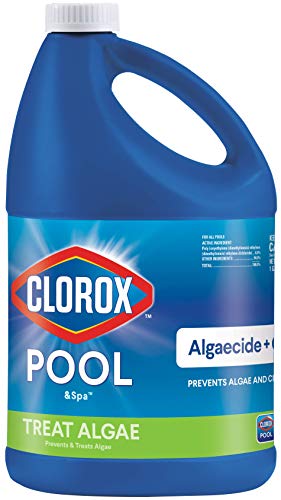
- VC Score9.0
BCP Score is a ranking system developed by bestcleanerproducts.com. BCP Score has no relationship or impact from any manufacturers or sales agent websites. Learn more
- BrandClorox Pool & Spa

- VC Score8.8
BCP Score is a ranking system developed by bestcleanerproducts.com. BCP Score has no relationship or impact from any manufacturers or sales agent websites. Learn more
- BrandSeaKlear

- VC Score8.6
BCP Score is a ranking system developed by bestcleanerproducts.com. BCP Score has no relationship or impact from any manufacturers or sales agent websites. Learn more
- BrandAPPLIED BIOCHEMISTS

- VC Score8.6
BCP Score is a ranking system developed by bestcleanerproducts.com. BCP Score has no relationship or impact from any manufacturers or sales agent websites. Learn more
- BrandBioGuard

- VC Score8.4
BCP Score is a ranking system developed by bestcleanerproducts.com. BCP Score has no relationship or impact from any manufacturers or sales agent websites. Learn more
- BrandIn The Swim

- VC Score7.8
BCP Score is a ranking system developed by bestcleanerproducts.com. BCP Score has no relationship or impact from any manufacturers or sales agent websites. Learn more
- BrandSwimables
Last update on 2026-10-08 / Affiliate links / Images, Product Titles, and Product Highlights from Amazon Product Advertising API
FAQs
Can black algae damage your pool plaster or liner?
Yes, black algae can cause lasting surface damage. Its roots penetrate microscopic pores and fissures in concrete, gunite, and plaster, widening cracks over time and creating rough, pitted spots. On vinyl liners, the growth works beneath seams and edges, causing stubborn stains and weakening the material backing.
Is it safe to swim while treating black algae?
No, you should stay out of the pool while black algae is present and during the treatment process. The organism itself can cause mild skin and eye irritation. More importantly, superchlorination raises chlorine levels to 20 to 30 ppm, which can irritate lungs and cause severe skin burns. Wait until all spots are gone and chlorine drops below 5 ppm before swimming.
How long does it take to kill black algae completely?
Eradicating black algae typically takes three to seven days of daily scrubbing and heavy shocking. Because the root systems sit deep within the pool surface, you must keep chlorine elevated and brush twice daily even after the black spots vanish from sight. Stopping treatment early allows the roots to regrow their waxy shell.
When should you call a pool professional?
Call a pool professional if the black spots continue spreading after a week of aggressive treatment, or if the algae covers large sections of the pool floor and walls. Severe infestations embedded in old plaster may require an acid wash or surface resurfacing. If the pool ever needs draining, let a qualified professional handle it, as removing water can cause hydrostatic ground pressure to lift or crack the pool shell.


How to Refinish a Fiberglass Pool

How Do You Keep Raccoons Out of Your Pool?

How to Fix Cyanuric Acid in Your Pool

How to Shape a Pool Cue Tip to Stop Miscues

12 Best Automatic Vacuum For Intex Above Ground Pool of 2026 To Keep Vinyl Floors Spotless

10 Best Automatic Pool Vacuum For Above Ground Pool of 2026 To End Manual Scrubbing

How Much Pool Clarifier Should You Use for Your Pool Size?

How Much Does a Pebble Tec Pool Cost to Build or Resurface?


