
How to Keep Pool Tile Clean Without Scratching It

Keeping pool tile bright takes a quick weekly brush along the waterline and steady water balance so minerals cannot stick. The right cleaning step changes depending on whether that ring is soft oily residue or a hard crust of dried calcium scale (chalky white mineral deposits left behind by evaporating water). Soft grime wipes off with a handheld nylon brush, but stubborn white crust needs careful abrasion that will not ruin the surface.
Tile material matters just as much. Glazed ceramic handles light rubbing with a wet pumice stone (a soft volcanic scouring block), but smooth glass tiles scratch easily and need softer treatment. High mineral levels and drifting acid levels will also force fresh chalky lines to return week after week. Here is how to identify what is coating your waterline and clear the buildup safely.
Identifying Waterline Grime: Oily Scum Versus Hard Calcium Crust
A dirty band along your pool tile comes down to one of two problems. The waterline, which is where the pool water meets the tile, collects both floating organic waste and dissolved minerals. Knowing which buildup coats your pool walls is the first step toward clearing it. A cleaner designed for oil will not dissolve rock-hard minerals, and an abrasive tool used on light grease can damage your tile glaze.
The first type of grime is an oily scum ring. This line floats right at the surface of the water and clings to the tiles. It forms when body oils, suntan lotions, sweat, and airborne pollen gather at the pool edges. Scum rings feel slick or greasy to the touch. Under hot summer sunshine, these oils bake against the tile, creating a dark or yellowish smear that catches floating dirt.
The second type of buildup is hard white mineral crust, commonly known as calcium scale. This appears as a dull, chalky film or a series of rough, crusty white bumps along the tile border. It forms through regular water evaporation. When pool water splashes against warm tile above the water level, the water dries up quickly and leaves dissolved minerals behind. Over weeks, these minerals bond into a rigid crust that regular wiping cannot budge.
Calcium scale usually appears as calcium carbonate or calcium silicate. Calcium carbonate is bright white, feels like dry chalk, and responds well to gentle abrasive scrubbing. Calcium silicate is grayish-white, exceptionally hard, and develops when pool water balance stays neglected for months. Silicate clings almost like dried concrete. Identifying which buildup you have lets you pick the right tool without wasting effort.
Cleaning Routine Scum and Light Grime with Safe Brushes
If your pool waterline only has an oily film or light grime, you do not need heavy-duty scouring tools. Abrasive blocks on soft grease can smear oils deeper into porous grout lines or dull glossy tile coatings. A handheld nylon pool brush or non-scratch scrub sponge will lift the film safely.
Start by wetting a handheld nylon brush in the pool water. Brush along the waterline using firm, horizontal strokes right where the water meets the tile. Working horizontally matches the path of the scum line and wipes the grime away without splashing dirty water onto your pool deck. Nylon bristles provide enough stiffness to scrape away sticky oils without scratching smooth ceramic or porcelain finishes.
For stubborn oily spots that resist plain water, mix a small amount of baking soda with a few drops of pool water to form a thick paste. Baking soda cuts through body oils and greasy sunscreen without upsetting your water balance, which is keeping pool acid and mineral levels steady. Scoop a little paste onto a damp sponge, rub the oily area in small circles, and let the pool water wash the residue away. Unlike household soaps, baking soda will not cause foaming or introduce unwanted phosphates that feed algae growth.
Wiping down this soft ring once a week keeps grease from settling permanently. When oils sit exposed to direct sunlight for weeks, they bake into the tile pores, making future cleaning much harder.
How to Remove Stubborn White Mineral Crust Step by Step
When mineral deposits dry into a rough, white crust, nylon bristles will not budge them. You need a soft volcanic scouring block, commonly called a pumice stone, to grind away hard calcium without scratching ceramic tiles. Pumice is softer than ceramic and porcelain tile glaze. As you rub, the stone wears down into a fine paste that strips away calcium crust without cutting into the tile underneath.
Follow these steps to clear away hard white mineral deposits safely:
- Lower the pool water three inches below the tile line. This gives you a clear view of the crust and stops dirty scrub water from drifting into your swimming area.
- Submerge both the scouring block and the tile in water before scrubbing. A dry pumice block scratches tile, but keeping both surfaces wet allows the stone to glide smoothly and form a gentle scouring paste.
- Check the wet stone on a hidden corner or low-visibility tile first. Verifying a small spot ensures your tile glaze can handle the stone without leaving scuff marks on visible walls.
- Rub the wet stone across the mineral line using light, circular motions. Gentle pressure allows the soft rock to file down chalky buildup without chipping tile edges or gouging grout.
- Rinse the tile and the scouring stone with clean water every thirty seconds. Flushing the area keeps the tile lubricated, clears away calcium debris, and stops grit from packing into the stone.
- Wipe down the scrubbed tiles with a clean, damp microfiber cloth. A soft cloth removes leftover mineral dust so it cannot dry back onto grout joints.
- Fill the pool back up to its normal operating height. Returning water to the midpoint of the skimmer opening restores circulation and keeps the pump from drawing in air.
Tools and Cleaners That Will Ruin Your Pool Tiles
When trying to scrub off stubborn waterline scale, it is tempting to grab harsh shop tools or household bathroom cleaners. Doing so can cause permanent surface scratches, strip tile glaze, or completely wreck your water chemistry.
Avoid using these tools and chemicals around your swimming pool:
- Wire or stainless steel bristle brushes: Steel brushes are made for rough concrete plaster, not smooth tile. Metal bristles strip glossy glaze off ceramic tile, create scratches that trap minerals, and shed steel fragments that rust on pool plaster.
- Dry pumice stones or abrasive sanding pads: Using any abrasive block without constant water lubrication turns a gentle scouring tool into a destructive grinder. Never touch a dry stone to pool tile.
- Pumice stones on glass tile or vinyl liners: Glass tile and vinyl liners are much softer than ceramic. Pumice scratches glass tile and tears vinyl liners, so use non-abrasive liquid descalers and soft cloths instead.
- Foaming household tub and tile sprays: Standard bathroom cleaners contain detergents, perfumes, and phosphates. When these chemicals wash into the pool, even tiny amounts cause foamy water and feed algae blooms that turn the water green.
- Straight, undiluted muriatic acid: While acid eats through calcium, pouring straight acid onto your waterline dissolves the cement grout holding the tiles in place, which can cause tiles to crack or fall off the pool wall.
Weekly Habits to Keep Pool Tile Clean All Season
Preventing mineral scale and oily rings from forming takes much less effort than scrubbing baked-on crust. Simple weekly habits keep your pool tiles bright and glossy all summer long:
- Keep pool water balance steady: Measure your water chemistry weekly to keep the pH between 7.4 and 7.6 and total alkalinity between 80 and 120 parts per million. When pH and mineral levels climb too high, dissolved calcium falls out of the water and glues itself to the tile line. Imbalanced water can also cause metal issues that turn hair strange colors, leading swimmers to learn how to safely fix green hair from a pool.
- Brush the waterline during weekly maintenance: Run a standard nylon pool brush along the entire perimeter once a week. Brushing sweeps away soft oils, pollen, and young mineral crystals before the sun bakes them into hard crust.
- Maintain a steady water level: Letting water drop during hot spells exposes wet tile to scorching sun, baking dissolved minerals into stone in hours. Keep the water resting in the middle of your skimmer faceplate.
- Place an oil-absorbing sponge in your skimmer basket: Floating oil sponges soak up suntan oils, body lotions, and airborne grease before they ever drift over to the tile line, preventing oily scum rings before they start.
- Scrub the tile before closing the pool for the season: When following steps for how to prepare your pool for winter to prevent freeze damage, clean the exposed tiles right after lowering the water line so mineral crust does not bake on under your winter cover.
Choosing the Right Manual Tile Cleaning Tools
Automatic pool cleaners handle debris on pool floors and flat walls, but they cannot scrub stubborn scale off an exposed tile line. Keeping your pool tile clean requires manual tools designed specifically for swimming pool surfaces.
When looking for manual tile cleaners, keep these features in mind:
- Soft nylon bristle scrubbers: Handheld scrub brushes with dense nylon bristles or non-scratch scouring pads give you the leverage needed to wipe away oily scum lines without scratching glossy finishes. Look for ergonomic plastic handles that remain easy to hold when wet.
- Natural volcanic pumice blocks: Soft pumice stones are the best manual tool for removing hard calcium carbonate crust from ceramic tile and concrete. Choose blocks with comfortable hand grips or built-in clips that fit standard telescoping pool poles, allowing you to reach deep-end tiles from the pool deck.
- Surface compatibility: Always check the product label to make sure the tool matches your tile material. If your pool features glass tile, skip pumice entirely and look for specialized non-scratch synthetic mineral clearing pads.
- Pool-safe materials: Make sure any cleaning block, pad, or paste contains no dyes, perfumes, or harsh detergents. Whatever touches your waterline will mix with your pool water, so it must be completely safe for your water chemistry and filter system.

- VC Score8.8
BCP Score is a ranking system developed by bestcleanerproducts.com. BCP Score has no relationship or impact from any manufacturers or sales agent websites. Learn more
- BrandRMR Brands

- VC Score8.8
BCP Score is a ranking system developed by bestcleanerproducts.com. BCP Score has no relationship or impact from any manufacturers or sales agent websites. Learn more
- Brandpoolrx

- VC Score8.8
BCP Score is a ranking system developed by bestcleanerproducts.com. BCP Score has no relationship or impact from any manufacturers or sales agent websites. Learn more
- BrandStardrops

- VC Score8.8
BCP Score is a ranking system developed by bestcleanerproducts.com. BCP Score has no relationship or impact from any manufacturers or sales agent websites. Learn more
- BrandLFUTARI

- VC Score8.6
BCP Score is a ranking system developed by bestcleanerproducts.com. BCP Score has no relationship or impact from any manufacturers or sales agent websites. Learn more
- BrandBlack Diamond Stoneworks
- VC Score8.2
BCP Score is a ranking system developed by bestcleanerproducts.com. BCP Score has no relationship or impact from any manufacturers or sales agent websites. Learn more
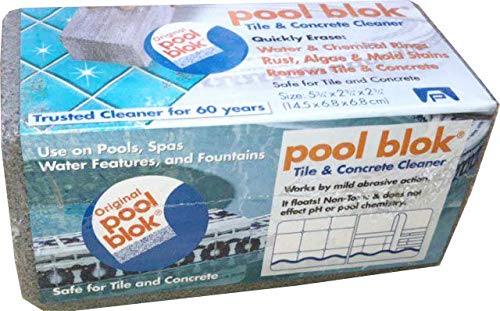
- BrandPool Blok

- VC Score7.6
BCP Score is a ranking system developed by bestcleanerproducts.com. BCP Score has no relationship or impact from any manufacturers or sales agent websites. Learn more
- BrandBILLY BUCKSKIN HOME & BEAUTY

- VC Score7.2
BCP Score is a ranking system developed by bestcleanerproducts.com. BCP Score has no relationship or impact from any manufacturers or sales agent websites. Learn more
- BrandBILLY BUCKSKIN HOME & BEAUTY
Last update on 2026-10-08 / Affiliate links / Images, Product Titles, and Product Highlights from Amazon Product Advertising API
FAQs
Can I use a pumice stone on glass pool tile?
No, you should never use a pumice stone on glass pool tile. Glass is significantly softer than ceramic or porcelain, and the rough volcanic rock will leave permanent scratches across the glass surface. Use a soft microfiber cloth with a pool-safe liquid descaler or white vinegar to loosen mineral scale on glass tile instead.
Why does white mineral scale keep returning to my tile line?
White mineral scale returns when pool water chemistry stays out of balance, especially when your pH or calcium hardness levels run high. When the water becomes oversaturated with minerals, splashing water evaporates along the warm tile line and leaves the excess calcium behind. Measuring your water weekly and keeping your pH between 7.4 and 7.6 will stop minerals from sticking to the wall.
Will vinegar or baking soda remove hard pool tile scale?
Baking soda works very well for cutting through oily scum, but it is too gentle to break down thick mineral crust. Distilled white vinegar contains mild acid that can slowly dissolve light calcium carbonate if you hold a soaked cloth against the scale. For thick, baked-on mineral crusts, a wet volcanic pumice stone is much faster and more effective.
Can I use a pressure washer to clean my pool tile waterline?
Using a pressure washer on pool tile carries real risks because strong water pressure can blast out old cement grout or crack loose tiles. If you decide to use one, keep the pressure setting low, use a wide fan spray tip, and hold the nozzle at least twelve inches away from the tile. Manual scrubbing with a wet nylon brush or pumice stone is much safer for your pool structure.


How to Refinish a Fiberglass Pool

How Do You Keep Raccoons Out of Your Pool?

How to Fix Cyanuric Acid in Your Pool

How to Shape a Pool Cue Tip to Stop Miscues

12 Best Automatic Vacuum For Intex Above Ground Pool of 2026 To Keep Vinyl Floors Spotless

10 Best Automatic Pool Vacuum For Above Ground Pool of 2026 To End Manual Scrubbing

How Much Pool Clarifier Should You Use for Your Pool Size?

How Much Does a Pebble Tec Pool Cost to Build or Resurface?


