
How to Get Sand Out of Your Pool and Keep It Out

A swimmer steps into the shallow end and feels rough grit scratching beneath their bare feet, or spots tiny yellow drifts settling along the bottom seams. The quickest fix is to sweep the sand into one tight pile and vacuum directly to waste so the heavy grit leaves the pool entirely instead of blowing back through the water jets.
The best method depends on your equipment and where the grains originated. If the main control dial on your filter lacks a drain mode to bypass the tank, a handheld vacuum with an ultra-fine mesh bag can trap the grit without dumping pool water. A thin dusting usually drifts in from dirty feet or windy storms, but heavy mounds right below the return jets point to broken filter parts inside the tank. Here is how to lift every grain and pinpoint what caused the mess.
Where did all this sand come from?
Before you drag out your vacuum gear, take a close look at where the grit is sitting and how it feels. Sand on a pool floor almost always comes from one of two places: the outside yard or the inside of your filter tank. Figuring out which one you are dealing with will save you from cleaning up the exact same mess tomorrow morning.
The fastest clue is where the sand collects. Walk around your pool deck and look directly beneath the return jets, which are the wall nozzles that push clean, filtered water back into the pool. If you see neat mounds or fans of sand directly below those wall fittings, the grit is coming through your plumbing. That points to an internal equipment failure inside your sand filter, such as a cracked lateral or a torn valve gasket.
If the sand is scattered randomly around the shallow end, near entry steps, or in low dips where swimmers kick their feet, it probably came from the outside. Kids, dogs, beach towels, and strong windstorms drag surprising amounts of grit into the water. Surrounding landscape mulch, nearby sandbox toys, and lawn mowers can also blow piles of soil over the pool wall without you noticing.
You can also check the texture of the grains with your fingers. Pick up a pinch of the sediment from the pool floor. Pool filter sand is made of pure silica grains that are uniform in size, sharp, and rough to the touch. Yard dirt, play sand, or beach sand usually feels softer, contains grains of different colors, and leaves a dirty smear on your fingers.
Make sure you are not confusing sand with dead algae. Mustard algae and pollen often settle at the bottom of the pool in velvet-looking sheets that mimic fine sand. When you sweep your hand near algae, it instantly poofs into a cloudy haze and disappears into the water column. Real sand stays solid, rolls along the bottom, and drops straight back to the floor the second the water calms down. If your pool water is murky and the sediment poofs away when touched, you may need to learn how to clean a brown pool without staining it instead of hunting for filter sand leaks.
How should you prep the pool before vacuuming?
Sand is heavy, dense, and abrasive. If you jump into the pool and start pushing a vacuum head across the floor without prepping first, the vacuum wheels and water currents will kick the grains into suspension. The sand will swirl through the water, dodge your vacuum head, and settle back down hours later. Prepping your pool groups the grit together so you can pull it out in a single pass.
- Turn off your circulation pump: Switch off the pool pump at the breaker or timer box. Still water allows every floating grain to settle firmly onto the floor so you are not chasing moving targets.
- Choose the right brush for your surface: Use a soft nylon wall brush if you have a vinyl liner or smooth fiberglass pool, because hard bristles can scuff the finish. Use a stiff nylon or stainless-steel mixed brush if you have a concrete, gunite, or rough pebble aggregate floor.
- Sweep slowly toward the deep end: Walk along the pool edge and push the sand toward the main drain or into one tight pile in the deep bowl. Push with slow, deliberate strokes. If you sweep too quickly, the wake of the brush head will scatter the sand across the floor.
- Let the pool rest: Walk away for at least two hours after sweeping. This waiting period lets any fine dust or stray grains sink straight down into your main pile.
- Top off the water level: Vacuuming sand out of the pool often requires discharging dirty water outside your pool system. Check your skimmer opening and add fresh water with a garden hose until the water line reaches the top third of the skimmer faceplate. If your pool is running low, you can check how to fill a pool faster so you do not lose suction halfway through the job.
How do you vacuum sand to waste correctly?
The standard way to remove heavy sand is vacuuming with your filter system set to waste. When you run a vacuum on the normal "Filter" setting, heavy silica sand gets pulled through your skimmer and blasted straight into your filter tank. That abrasive grit can wear out your pump impeller or slip straight through worn filter media and shoot back into the pool. Vacuuming to waste bypasses the filter tank entirely, sending the sand and water straight out the discharge line.
- Assemble your vacuum gear: Connect your vacuum head to your telescoping pole, then attach the vacuum hose. Slowly push the hose straight down into the pool water foot by foot to force out all the trapped air. Once water flows freely out the free end, plug the hose into your skimmer suction port or dedicated vacuum line.
- Shut off the pool pump motor: Always turn the pump completely off before touching any valves. Turning valve handles while the pump is pushing pressurized water can rip internal rubber seals.
- Set the multiport valve to waste: Locate the multiport valve, which is the main control dial on the filter tank. Press the handle down firmly and rotate it to the "Waste" setting, which is the drain mode that pumps water straight out of the pool without passing through your filter media.
- Start the pump and verify flow: Turn the pump back on and watch the waste discharge pipe or backwash roll-out hose. Water should be gushing out of the hose. Check your pump strainer lid to make sure the pump basket stays full of water and keeps its prime.
- Vacuum at a crawl: Lower the vacuum head into your sand pile and move it forward at a crawl, no faster than one foot every few seconds. If you roll the vacuum head too fast, the front lip of the vacuum pushes a small wave of water that flings the sand away from the suction port.
- Keep an eye on the water level: Vacuuming to waste drains water rapidly, often dropping pool depth by several inches in ten minutes. Watch the skimmer box closely. If the water drops below the bottom of the skimmer mouth, shut off the pump immediately so the motor does not suck in air and run dry.
- Reset your equipment: Once the sand pile is gone, shut off the pump. Roll up your vacuum hose, remove the head, and switch the multiport valve handle back to "Filter". Turn the pump back on and let your system run its normal schedule.
What if your filter cannot vacuum to waste?
Many cartridge filter systems and small above-ground pool filters do not have a multiport valve with a waste setting. They only have simple on-and-off valves. If you try to vacuum sand directly through a standard cartridge filter, the fine silica will coat the pleats, plug the pores, and drive the tank pressure up in minutes. Fortunately, you still have several dependable ways to pull sand from the floor without dumping pool water.
One simple method is slipping an ultra-fine skimmer sock over your vacuum basket or skimmer basket. A skimmer sock is a fine nylon mesh sleeve that traps microscopic debris. When you hook your manual vacuum hose to the skimmer, the sock catches the sand before it ever reaches your pump basket or cartridge elements. Because sand is dense, it fills skimmer socks quickly. Check the basket every five minutes, dump the trapped sand into a garden bed, rinse the sock with a hose, and snap it back into place.
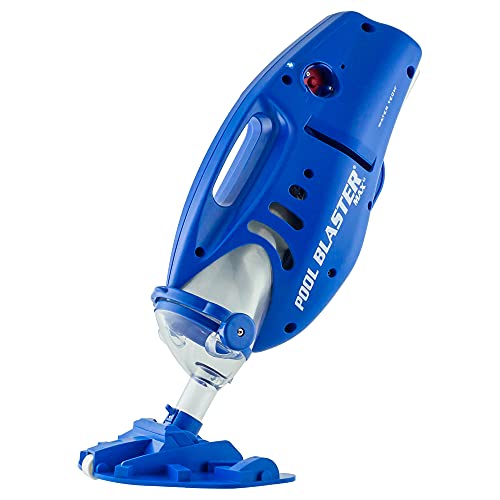
Another clean option is using a battery-powered handheld pool vacuum. These self-contained units run on their own rechargeable motors and snap onto your standard pool pole. Because they work independently from your pool pump and plumbing, they do not pull dirty water through your filtration tank. Handheld units pull the sand through an internal micro-mesh filter bag, trapping the grit while returning clear water back into the pool. This approach is ideal for small above-ground pools, spa steps, and shallow corners where you only need to clear a few small patches of sand.
If you have an above-ground pool and do not own a specialty vacuum, you can create a simple garden hose siphon. Hook a standard pool vacuum head and hose together, submerge the hose in the pool to fill it with water, cap the open end with your palm, and haul it over the pool wall to the yard below. Once you release your hand, gravity creates natural suction. Siphoning moves water slowly, but it creates enough pull to lift heavy sand without running your pool pump or putting stress on your filter cartridge.
How do you stop sand from returning?
Once your pool floor is clean, you want to make sure the grit stays gone. If your sand problem came from internal equipment, clearing the floor is only a temporary fix until you repair the filter tank. If the problem came from foot traffic and bad weather, a few simple deck habits will prevent new dirt from sneaking in.
If sand keeps appearing under your return jets, the issue almost always comes down to broken laterals. Laterals are the slotted plastic fingers inside the sand filter at the bottom of the tank. Their tiny slits allow filtered water to pass through while keeping the heavy sand inside the tank. Over several seasons, the weight of the sand bed and seasonal temperature swings make the plastic brittle. When one of these fingers snaps, sand flows straight into the center standpipe and shoots through your return jets into the pool.
Inspecting laterals requires emptying your filter tank. Shut off the pump, open the air relief valve, and remove the bottom drain plug to release standing water. Scoop out all the silica sand using a plastic cup or a shop vacuum. Once the bottom assembly is visible, inspect every plastic lateral finger for hairline cracks or loose threads. If you find broken parts, replace the whole lateral cluster and center pipe, refill the tank halfway with water to cushion the new plastic, and pour in fresh pool filter sand.
You should also inspect the rubber spider gasket inside your multiport valve. This wagon-wheel gasket sits inside the valve head and keeps clean water separated from waste water and dirty filter media. If the spider gasket gets pinched, twisted, or dry-rotted, sand can slip past the seal during normal filtration cycles and bleed into the return lines.
For sand coming from the yard, the best defense is setting up an outdoor foot-rinse station near the pool gate. A simple plastic foot basin or a garden hose nozzle mounted by the entry steps catches grit clinging to bare feet before swimmers jump in. Keep nearby play sandboxes covered when not in use, and keep grass clippings blown away from the pool edge. During storm seasons, anchor your pool cover securely so high winds do not dump garden dirt into the water. Reviewing how to keep a pool cover on in high winds will help you protect your water from heavy weather debris all season long.
What pool cleaners work best for clearing sand?
Choosing the right pool cleaner makes all the difference when dealing with gritty sediment. Sand behaves much differently than leaves or twigs. Because it is small, heavy, and stays pinned to the floor, standard pool cleaners with coarse net bags will glide right over it or blow it around the bottom without catching it.
For clearing localized sand piles without dumping pool water, handheld cordless vacuums are practical and convenient. These units do not connect to your pool skimmer or pump. They use their own rechargeable battery and internal motor to pull water through a fine-mesh filter bag or pleated collection canister. When looking at handheld options, check that the unit includes an ultra-fine debris bag or a dedicated sand sleeve. Coarse leaf bags have large mesh openings that let fine silica slide straight back out into the water.
If you want automated cleaning for regular yard sand, look for a robotic cleaner with ultra-fine filtration panels. A robotic cleaner is a self-powered unit with its own internal debris basket that drives across the floor independently. Standard robotic cleaners usually come with spring cleanup mesh designed for large leaves, which allows fine sand to escape through the exhaust port. To trap sand, verify that the cleaner accepts pleated ultra-fine filter panels, which trap tiny particles down to several microns.
Pay attention to the cleaner drive system as well. Smooth fiberglass and slick vinyl liners become very slick when covered with a fine layer of sand. Choose cleaners equipped with soft rubber tracks or textured drive wheels rather than smooth plastic wheels, which can slip and spin out when trying to climb over gritty surfaces.
Always practice safe electrical habits when working around pool water. Plug corded power supply units only into an outdoor GFCI outlet, which is a protected ground-fault outlet with a weatherproof cover. Keep the control box or power supply at least 10 feet back from the pool edge at all times. Never allow anyone to swim while a cleaner, power cord, or vacuum hose is in the pool, and always turn off your circulation pump before connecting or disconnecting manual suction hoses to protect your hands.

- VC Score9.2
BCP Score is a ranking system developed by bestcleanerproducts.com. BCP Score has no relationship or impact from any manufacturers or sales agent websites. Learn more
- BrandSwimline

- VC Score9.2
BCP Score is a ranking system developed by bestcleanerproducts.com. BCP Score has no relationship or impact from any manufacturers or sales agent websites. Learn more
- BrandSWABBO

- VC Score9.2
BCP Score is a ranking system developed by bestcleanerproducts.com. BCP Score has no relationship or impact from any manufacturers or sales agent websites. Learn more
- BrandGLB

- VC Score8.8
BCP Score is a ranking system developed by bestcleanerproducts.com. BCP Score has no relationship or impact from any manufacturers or sales agent websites. Learn more
- BrandIMPRESA

- VC Score8.6
BCP Score is a ranking system developed by bestcleanerproducts.com. BCP Score has no relationship or impact from any manufacturers or sales agent websites. Learn more
- BrandDSS Games
- VC Score8.6
BCP Score is a ranking system developed by bestcleanerproducts.com. BCP Score has no relationship or impact from any manufacturers or sales agent websites. Learn more
- BrandPOOL BLASTER

TSCTBA Mosquito Repellent, Natural Mosquito Repellent Indoor, Outdoor Mosquito Repellent
View on Amazon- VC Score8.6
BCP Score is a ranking system developed by bestcleanerproducts.com. BCP Score has no relationship or impact from any manufacturers or sales agent websites. Learn more
- BrandTSCTBA

- VC Score8.4
BCP Score is a ranking system developed by bestcleanerproducts.com. BCP Score has no relationship or impact from any manufacturers or sales agent websites. Learn more
- BrandSunnyglade

- VC Score8.2
BCP Score is a ranking system developed by bestcleanerproducts.com. BCP Score has no relationship or impact from any manufacturers or sales agent websites. Learn more
- BrandEFURDEN

- VC Score8.2
BCP Score is a ranking system developed by bestcleanerproducts.com. BCP Score has no relationship or impact from any manufacturers or sales agent websites. Learn more
- BrandLL-OHBIJ

- VC Score7.6
BCP Score is a ranking system developed by bestcleanerproducts.com. BCP Score has no relationship or impact from any manufacturers or sales agent websites. Learn more
- BrandPoolvio

- VC Score6.4
BCP Score is a ranking system developed by bestcleanerproducts.com. BCP Score has no relationship or impact from any manufacturers or sales agent websites. Learn more
- BrandPOOL BLASTER
Last update on 2026-10-08 / Affiliate links / Images, Product Titles, and Product Highlights from Amazon Product Advertising API
FAQs
Why does sand blow back into my pool when I vacuum?
Sand blows back into the pool when you vacuum on the normal "Filter" setting instead of "Waste". Vacuuming pushes dense grit directly into your filter system, where it can push through damaged filter fingers or bypass worn internal gaskets. To stop sand from blowing back through your return jets, vacuum with your multiport valve set to "Waste" so dirty water bypasses the filter tank entirely.
Can a robotic pool cleaner pick up sand from the pool floor?
A robotic cleaner can pick up sand, but only if it is fitted with ultra-fine or pleated filter inserts. Standard leaf baskets and mesh bags have large openings that allow tiny sand grains to pass straight through the exhaust flow. Verify that your robotic cleaner basket uses fine micro-filtration panels before sending it after heavy sand piles.
Will sand on the pool floor damage a vinyl liner?
Sand on the pool floor will not eat through a vinyl liner on its own, but it becomes abrasive when walked on or dragged across the surface. Swimmers stepping on coarse silica can grind the grit into the liner, scuffing the print and wearing down the protective topcoat. Sharp plastic vacuum heads dragged aggressively over sand can also scratch the liner, so vacuum slowly using smooth, wheeled attachments.
How can I tell the difference between sand and dead algae?
The easiest way to tell the difference is to sweep your hand near the sediment. Dead algae is light and powdery, so moving the water causes it to burst into a cloud that vanishes into the water. Sand is dense and heavy, meaning it rolls along the bottom, feels gritty when rubbed between your fingers, and settles back onto the floor immediately.


How to Refinish a Fiberglass Pool

How Do You Keep Raccoons Out of Your Pool?

How to Fix Cyanuric Acid in Your Pool

How to Shape a Pool Cue Tip to Stop Miscues

12 Best Automatic Vacuum For Intex Above Ground Pool of 2026 To Keep Vinyl Floors Spotless

10 Best Automatic Pool Vacuum For Above Ground Pool of 2026 To End Manual Scrubbing

How Much Pool Clarifier Should You Use for Your Pool Size?

How Much Does a Pebble Tec Pool Cost to Build or Resurface?


