
How to Get Pollen Out of Your Pool Without It Blowing Back

A sudden layer of yellow dust across the water looks messy, but it is completely harmless and simple to clean. Clearing it out comes down to lining skimmer baskets with ultra-fine mesh socks and vacuuming settled floor buildup straight to waste so the grains bypass your filter entirely. Standard nets let fine pollen slip right through, but a tight fabric barrier traps it on contact.
Your exact cleaning steps depend on where the dust sits and how your equipment is set up. Floating powder skims off quickly, while layers on the pool floor require a very slow hand so the cloud does not stir up. You also want to confirm the yellow tint is actual plant dust rather than mustard algae (a stubborn yellow slime that clings to shaded walls). Here is how to identify the problem and clear the water today.
Is That Yellow Dust Pollen or Mustard Algae?
Before you adjust your equipment or buy any specialty supplies, you need to know what kind of dust is sitting in your pool. Tree pollen and mustard algae look almost identical at first glance. Both settle as a dull yellowish-green powder along the seams of a vinyl liner or inside the small pits of a concrete plaster pool. Treating pollen with algaecides wastes your money, while treating mustard algae with a skimmer net lets a living organism take over your water.
You can tell them apart with three quick physical checks. First, look at where the yellow powder gathers. Plant pollen falls from the open air, so it lands across the entire surface of the water before sinking evenly onto pool steps and the pool floor. Mustard algae (a living yellow pool slime that clings tightly to walls and shade areas) prefers protected spots. It gathers on shady walls, behind pool ladders, and under the lip of the pool coping where the sun rarely hits.
Second, check how the powder behaves when you disturb it. Use a standard pool brush or run your fingers gently across the powder. Plant pollen behaves like fine flour in water. It lifts into a loose yellow cloud with the slightest water movement, floats loosely in suspension, and takes several hours to settle back down. Mustard algae feels slightly slimy or gritty when rubbed between your fingers, clings harder to the wall surface, and often blooms right back in the exact same spot within 24 hours of brushing.
Third, measure your sanitizer levels. Pollen is inert organic plant dust. It places a minor burden on your chlorine, but it will not completely wipe out your chemical readings overnight. Mustard algae is a living parasite that consumes sanitizer rapidly. If your free chlorine level drops to zero overnight, you are dealing with an algae bloom. If your chlorine reading stays stable and your trees are blooming, you are dealing with seasonal pollen.
How Do You Skim Floating Pollen Off the Water?
Standard pool skimming nets cannot trap tree pollen. The mesh on an everyday leaf net has openings that measure one to two millimeters wide. A grain of tree pollen is microscopic dust, so it passes straight through the net like water through a chain-link fence. To clear floating pollen from the water surface before it sinks to the floor, follow these steps.
- Turn off your circulation pump. Shut down the pool pump for 30 to 60 minutes. Running return jets churn the water surface and push floating pollen deep into the pool water column. Turning off the water circulation lets the water calm down so light pollen grains float to the top and form a concentrated yellow film.
- Line your leaf skimmer with an ultra-fine mesh barrier. Slide a skimmer sock (a fine nylon mesh liner that covers the strainer basket) directly over your handheld leaf rake net. You can also secure an old polyester microfiber cloth or fine mesh filter bag around the net frame using heavy plastic clothes pins. The ultra-tight weave catches microscopic particles while letting pool water pass through slowly.
- Skim the surface using very slow strokes. Walk slowly along the pool edge and glide your modified net gently across the surface. If you swing the net quickly, your motion creates an underwater wake that pushes the floating yellow film under the water, forcing it to disperse rather than collect on the cloth.
- Rinse the trapped pollen away from the pool deck. Empty the yellow sludge into a bucket or spray the sock thoroughly with a garden hose out on your lawn. Never rinse your net or collection sock on the pool deck, or the next breeze will blow that dried yellow powder straight back into the pool.
If flowering trees surround your backyard, heavy pollen counts often attract thirsty insects. If you notice honeybees or wasps gathering along the surface film while you skim, you can follow safe methods on how to keep bees out of your pool safely to protect yourself and your family during peak yard bloom.
How Do You Vacuum Pollen Without Clouding the Pool?
Vacuuming pollen off the pool floor often ends in frustration because standard pool filters let microscopic dust blow right back into the pool. Sand filters only catch particles down to roughly 20 to 40 microns, while fine oak, pine, and birch pollen can be smaller than 20 microns. When your pump pulls that dust into the filter, the media fails to trap it, and the return jets blast a murky yellow cloud back into your clear water. You must bypass the filter entirely or capture the particles before they hit the pump.
- Let the particles settle to the bottom. Turn off the circulation pump overnight. If the pollen stays suspended like light smoke throughout the water, add a dose of pool flocculant (a pool additive that binds floating dust into heavy clumps on the floor). A flocculant binds the tiny floating pollen grains into heavy gelatinous rafts that drop flat against the pool floor, making them easy to target.
- Switch your multiport valve to the waste setting. If you have a sand or diatomaceous earth filter with a multiport valve, turn the valve handle to vacuum to waste (pumping dirty water out to the drain instead of through the filter). This setting sends the dirty pool water straight out through your backwash hose into your yard or street drain, completely bypassing your filter tank. Your return jets will never spit the pollen back into the pool.
- Raise the water level before you begin. Vacuuming to waste discharges water rapidly, dropping your pool level by several inches in ten minutes. Place a garden hose in the pool to top off the water level before you start, ensuring the water does not drop below the skimmer opening and pull air into your pump lines.
- Move the vacuum head at a snail's pace. Attach your manual vacuum head to an aluminum telescopic pole. Lower the head into the deep end and push it across the bottom with extremely slow, deliberate strokes. If you push the vacuum head at normal speed, the wheels and head create an underwater wave that stirs the pollen off the floor into a swirling fog before the suction can draw it into the hose.
- Turn off the pump before disconnecting your equipment. Once the floor is spotless, turn off the pool circulation pump before disconnecting your vacuum hose from the skimmer. Pulling a tight hose out of a live skimmer port while suction is active can damage skimmer fittings or cause painful hand injuries.
Why Does Pollen Keep Slipping Past Your Skimmer Basket?
Your pool skimmer pulls water from the surface, but the plastic strainer basket inside is only built to catch large debris like pine needles, twigs, and leaves. The drainage slots on a factory skimmer basket are wide. Microscopic tree pollen slips straight through those open slots, flows through the underground suction pipes, passes the pump strainer basket, and heads directly into your filter system.
When heavy pollen washes through the skimmer, it also collects inside the pump strainer basket. If fine pollen mixes with pet hair and small leaf debris, it can create a sticky paste that locks the pump lid tight. Knowing how to open a stuck pool pump basket safely keeps you from snapping plastic handles or cracking clear sight glasses when you inspect the system.
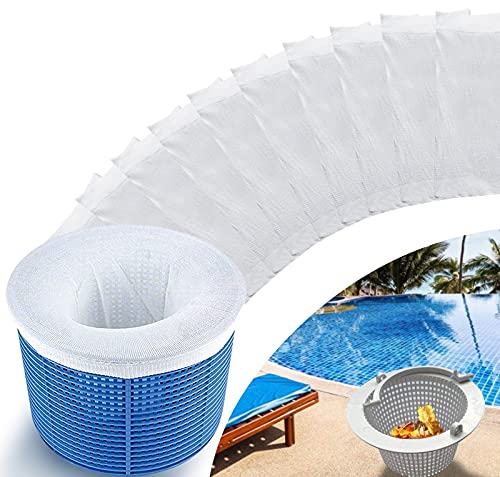
The simplest fix is stretching an elastic skimmer sock over your skimmer basket. These socks are made from an ultra-fine nylon mesh that fits like a stocking over the basket rim. As water flows through the skimmer mouth, the sock catches the fine yellow pollen before it ever enters your underground plumbing. This protects your pump impeller from sludge buildup and stops your main filter from becoming prematurely packed with organic slime.
You must monitor skimmer socks carefully during spring. Because the mesh is tight, catching several hours of tree pollen can restrict water flow completely. If the sock plugs up with yellow paste, water cannot reach the pump, causing the pump to run dry, lose prime, and overheat. Inspect and rinse the skimmer sock at least twice every day while trees are actively shedding yellow dust.
What Stops Pollen From Taking Over Every Morning?
During peak spring bloom, clearing pollen once is never enough. Trees release pollen bursts in the early morning as soon as the sun warms the branches, coating your pool in a fresh layer of yellow powder by midday. You need a daily routine to keep the accumulation manageable without spending hours cleaning every afternoon.
- Run your pool pump during peak daylight hours. Trees shed the vast majority of their pollen between sunrise and early afternoon. Keep your circulation pump running throughout these daytime hours so floating pollen is continuously pulled toward the skimmers before it has time to waterlog and sink to the bottom.
- Position your return jet eyeballs to create a continuous surface vortex. Adjust the directional eyeball fittings on your return jets so they point slightly upward and toward the same direction around the pool perimeter. This ripples the waterline and creates a gentle, circular surface current that pushes floating yellow pollen directly toward your skimmer openings.
- Wash surrounding screen enclosures and patio areas. Wind coats your deck, roof lines, and pool cage screens in thick pollen. The first spring thunderstorm will wash all of that built-up yellow sludge straight into your pool water. Reviewing how to clean a pool cage without tearing the screens lets you clear screens with low pressure and soap so surrounding pollen does not wash into your pool.
- Maintain a solid sanitizer baseline. While pollen is not alive, it is dead plant tissue that decays in your water. Keep your free chlorine level between 2 and 4 parts per million (ppm) and your pH between 7.4 and 7.6. Maintaining proper water chemistry prevents decaying pollen from fueling sudden bacteria spikes or secondary algae outbreaks.
- Rinse your skimmer socks every morning and evening. Keep two sets of skimmer socks on hand. Pull the loaded sock off the basket, slip a fresh, clean sock in place, and spray the pollen-coated sock clean with your hose nozzle so it is ready for the next swap.
What Cleaning Tools Actually Catch Microscopic Pollen?
If you prefer an automatic cleaner to handle the daily floor buildup during heavy pollen season, choose your equipment carefully. Most basic cleaners are designed for broad debris, not fine plant dust, and using the wrong style will only make your water cloudier.
A robotic cleaner (a self-powered unit with its own internal debris basket) is an excellent option for pollen, provided it features the right internal filter setup. Basic robotic units come equipped with standard mesh spring-cleaning baskets that only catch leaves and acorns, allowing fine pollen to blow straight out of the top exhaust motor. Look for robotic models that feature pleated ultra-fine filter panels or specialized micro-filtration collection canisters. These accordion-style panels trap particles down to just a few microns, trapping the pollen safely inside the machine without cycling it back through your pool.
If you prefer a battery-powered handheld cleaner for quick spot cleanups on shallow tanning ledges and steps, verify that the unit accepts a multi-layer microfilter bag. A standard mesh bag will spit the yellow dust out of its side vents, while a multi-layer micro bag traps the flour-like dust securely.
Always keep safety in mind when operating powered cleaning gear around water. Plug your cleaner power supply unit exclusively into an outdoor GFCI outlet (a protected ground-fault outlet with a weatherproof cover), and keep the power box at least 10 feet back from the pool edge. Never let anyone swim while an automatic cleaner or electric cable is submerged in the water.
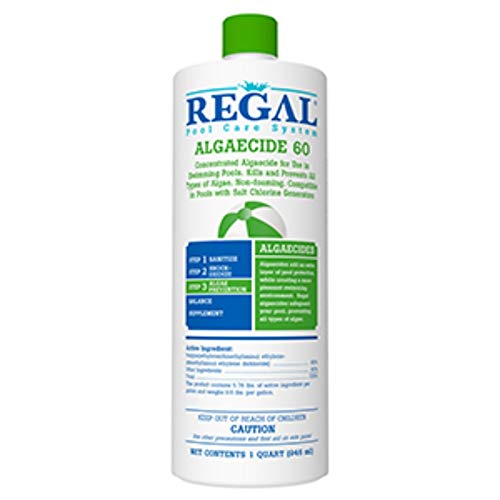
- VC Score9.4
BCP Score is a ranking system developed by bestcleanerproducts.com. BCP Score has no relationship or impact from any manufacturers or sales agent websites. Learn more
- BrandRegal
- VC Score9.2
BCP Score is a ranking system developed by bestcleanerproducts.com. BCP Score has no relationship or impact from any manufacturers or sales agent websites. Learn more
- BrandGOKU

- VC Score9.2
BCP Score is a ranking system developed by bestcleanerproducts.com. BCP Score has no relationship or impact from any manufacturers or sales agent websites. Learn more
- BrandIIIHAT

- VC Score9.0
BCP Score is a ranking system developed by bestcleanerproducts.com. BCP Score has no relationship or impact from any manufacturers or sales agent websites. Learn more
- BrandIMPRESA
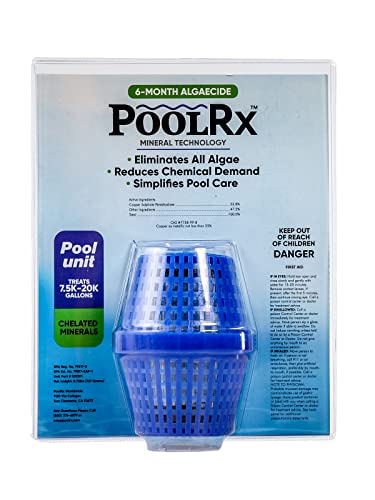
- VC Score8.8
BCP Score is a ranking system developed by bestcleanerproducts.com. BCP Score has no relationship or impact from any manufacturers or sales agent websites. Learn more
- Brandpoolrx

- VC Score8.8
BCP Score is a ranking system developed by bestcleanerproducts.com. BCP Score has no relationship or impact from any manufacturers or sales agent websites. Learn more
- BrandPURVOC

- VC Score8.8
BCP Score is a ranking system developed by bestcleanerproducts.com. BCP Score has no relationship or impact from any manufacturers or sales agent websites. Learn more
- BrandIMPRESA

- VC Score8.6
BCP Score is a ranking system developed by bestcleanerproducts.com. BCP Score has no relationship or impact from any manufacturers or sales agent websites. Learn more
- BrandPool Mate

- VC Score8.6
BCP Score is a ranking system developed by bestcleanerproducts.com. BCP Score has no relationship or impact from any manufacturers or sales agent websites. Learn more
- BrandPOOLWHALE

- VC Score7.0
BCP Score is a ranking system developed by bestcleanerproducts.com. BCP Score has no relationship or impact from any manufacturers or sales agent websites. Learn more
- BrandSkimmer Vortex
Last update on 2026-10-08 / Affiliate links / Images, Product Titles, and Product Highlights from Amazon Product Advertising API
FAQs
Can a robotic pool cleaner pick up fine pollen?
Yes, but only if your robotic pool cleaner is fitted with ultra-fine or pleated micro-filter panels. Standard mesh filter baskets have large openings that allow fine pollen to blow straight out through the top motor exhaust back into your water. Check your cleaner manufacturer options to verify whether micro-filtration panels are available for your specific basket design.
Does pool shock destroy plant pollen in the water?
No, pool shock oxidizes organic waste but does not dissolve or evaporate pollen grains out of the water. Adding chlorine helps break down decaying plant matter and prevents opportunistic algae from feeding on the pollen, but the physical yellow dust remains in the pool. You must still physically catch the dust with skimmer socks, ultra-fine filter media, or vacuuming to waste.
Will running my pool filter 24 hours clear pollen?
Running your pump around the clock helps move water, but whether it clears the yellow haze depends entirely on your filter type. Diatomaceous earth filters can catch pollen grains easily, whereas standard sand filters and older cartridge filters often allow particles smaller than 20 microns to pass straight through. If your filter media is not rated for fine dust, running the pump continuously just recirculates the yellow cloud.
Can I use pantyhose instead of a skimmer sock?
Yes, standard nylon pantyhose or knee-high stockings work well as a temporary substitute for a manufactured skimmer sock. Stretch the nylon stocking over the outside of your skimmer basket and tie off any extra length at the bottom. Watch the water flow closely, as stockings have a very tight weave that can choke water suction quickly once it fills with yellow tree dust.


How to Refinish a Fiberglass Pool

How Do You Keep Raccoons Out of Your Pool?

How to Fix Cyanuric Acid in Your Pool

How to Shape a Pool Cue Tip to Stop Miscues

12 Best Automatic Vacuum For Intex Above Ground Pool of 2026 To Keep Vinyl Floors Spotless

10 Best Automatic Pool Vacuum For Above Ground Pool of 2026 To End Manual Scrubbing

How Much Pool Clarifier Should You Use for Your Pool Size?

How Much Does a Pebble Tec Pool Cost to Build or Resurface?








