
How to Clean a Pool Cage Without Tearing the Screens

Morning sunlight on the patio often reveals an unwelcome film of green slime coating the mesh and dark streaks along the metal rails. Getting the enclosure spotless requires a mild cleaning wash and low water pressure worked steadily from the roof down. That gentle touch lifts dirt and pollen away without popping the screens out of their frame tracks.
The exact routine depends on how thick the algae growth has become, whether delicate garden plants grow right along the outside edge, and whether a standard garden hose or a pressure washer with a wide spray tip handles the rinsing. Guarding the pool from soapy runoff also changes how each panel is washed. Here is how to refresh the entire enclosure safely while keeping every screen tight and intact.
Supplies and Cleaners for a Safe Wash
Cleaning a screen enclosure requires gentle supplies because heavy chemicals and stiff tools cause expensive surface damage. The aluminum frame features a baked-on enamel finish that can pit, fade, or peel if exposed to harsh acids or straight bleach. Even worse, strong chemicals eat away at the spline, which is the flexible rubber cord holding the screen in place along the aluminum channels. Once that rubber dries out and cracks, the mesh sags, pulls out of its tracks, and lets in every bug in the yard.
A simple mix of warm water and mild liquid dish soap handles ordinary dust, pollen, and light grime without putting your framing at risk. When green algae and dark mildew patches take hold along shady roof corners, a blend of three parts warm water to one part distilled white vinegar cuts through the fungus naturally. Vinegar breaks down organic spores without stripping aluminum paint or rotting rubber splines. If you choose an outdoor mold cleaner from the store, make sure the label states it is safe for painted aluminum, vinyl, and fiberglass screens, and avoid using heavy concentrations of sodium hypochlorite.
Gather your supplies before you start spraying so you can work steadily without leaving wet soap to bake onto dry screens in the sun. Having the right tools on hand protects your enclosure and keeps you from having to climb up onto dangerous roof framing.
- Soft-bristle pool pole brush: Look for soft nylon bristles or flagged tips (split bristles that hold soapy water like a paintbrush) to scrub high panels from the ground without tearing the mesh.
- Standard garden hose and adjustable spray tip: A multi-pattern nozzle lets you switch from a broad fan spray for rinsing to a gentle shower for wetting plants.
- Five-gallon wash bucket: Useful for mixing soap or vinegar solutions if you plan to dip your scrub brush manually.
- Garden pump sprayer: A standard one-gallon or two-gallon hand-pump sprayer makes it easy to mist cleaning solutions evenly onto high roof panels.
- Microfiber cloths or soft sponges: Ideal for hand-wiping door frames, low rails, and metal latch hardware.
- Plastic drop cloths or light tarps: Keep delicate garden beds, potted deck plants, and outdoor patio furniture shielded from dirty drip water.
- Safety glasses: Protect your eyes from falling soapy mist, pollen flakes, and dislodged debris while working underneath overhead panels.
Preparing the Deck to Protect Pool Water and Plants
Before you lift a brush, you need to protect the space under the enclosure. The water running off your dirty screens carries algae cells, accumulated dirt, and cleaning soap. If that runoff pours straight into your pool, it eats up your free chlorine, clouds the water, and upsets your water chemistry balance. Taking ten minutes to prepare your deck prevents hours of vacuuming, brushing, and chemical rebalancing later.
- Move furniture and clear loose items. Carry patio chairs, cushions, grills, and pool toys out of the splash zone. Move them to an uncovered section of the yard or tuck them into the center of the patio beneath a clean tarp.
- Soak nearby landscape plants with fresh water. Before spraying any soap or vinegar solution, thoroughly soak all shrubs, flowers, and grass around the outside perimeter of the frame with a garden hose. Saturated root systems and wet leaves cannot absorb soapy runoff, which keeps leaves from wilting or turning brown from cleaner contact.
- Divert deck runoff away from the pool edge. Most pool decks slope slightly away from the water toward perimeter deck drains. Check that these drains are clear of pine needles and leaves so dirty wash water exits quickly. If your deck tends to drain toward the pool coping, lay rolled beach towels or foam pool noodles along the edge to act as a barrier that directs runoff away from the water.
- Protect outdoor power outlets. If you need to plug in any equipment, verify that your cord runs to an outdoor GFCI outlet (a protected ground-fault outlet with a weatherproof cover). Keep power cords elevated off damp pavers and away from areas where runoff collects.
- Monitor your pool water balance. Keep your pool circulation system running on low or run your automatic cleaner to catch any stray debris that falls through the roof panels. Once your cleaning project is complete, measure your pool chemistry levels right away. If soapy runoff or acidic cleaner drifted into the pool water and dropped your chemical readings, you may need to raise the pH of a pool without clouding the water to get your levels back in balance.
Step-by-Step Washing: From Roof Panels to Ground Rails
Washing an enclosure works best when you follow a strict top-to-bottom routine. Working from the highest roof screens down to the base rails ensures dirty runoff never flows over sections you just cleaned. It also keeps cleaning solution from sitting on hot aluminum for too long.
- Rinse away loose dry debris. Start by spraying the exterior and interior of the frame with a garden hose on a steady fan setting. Knock down spiderwebs, pine needles, dry leaves, and loose dust. Wetting the mesh first cools the aluminum down and keeps your soap from drying out instantly on sunny days.
- Apply your cleaning solution in small sections. Fill your garden pump sprayer with your vinegar mix or mild soapy water. Pick a section about eight to ten feet wide. Spray the cleaner generously across the roof beams, the overhead mesh, and the vertical uprights. Allow the solution to dwell for five to eight minutes to loosen green algae bonds, but do not let it dry completely. If the surface starts to dry, mist it with a little water.
- Scrub gently with your pole brush. Attach your soft-bristle brush to a telescoping pole and work across the soapy section. Use long, light strokes. Never push hard against the center of a screen panel. Heavy pressure stretches the mesh fabric, leaving it loose and saggy, or pops the spline right out of the groove. Focus your scrubbing along the aluminum corners, screw heads, and rubber spline channels where green algae tends to anchor.
- Wipe down lower rails and doors by hand. For the bottom frames, kick plates, and screen doors, switch to a soft sponge or microfiber rag. These lower surfaces collect grit from patio foot traffic and mower clippings from outside. Wiping by hand keeps you from scratching the paint with trapped sand.
- Rinse thoroughly with fresh water. Switch your hose nozzle back to a clean fan spray. Start at the peak of the roof and rinse all soap, algae film, and dirt down the screen walls and onto the deck. Keep rinsing until the water running off the bottom rail is completely clear and free of suds. Move to the next section and repeat the process.
Many homeowners wonder if they can save time by using a pressure washer on their enclosure. You can use a pressure washer, but only under strict safety limits. High water pressure acts like a cutting tool against fiberglass screen mesh. A tight water stream can slice the screen open, blow holes through weathered fabric, and tear the rubber spline cord right out of its channel, leaving you with hundreds of dollars in repair bills.
If you choose to use a pressure washer, adjust the pressure to stay under 1,200 PSI. Never use a red zero-degree nozzle or a yellow 15-degree nozzle on a screen enclosure. Instead, use a wide 40-degree spray tip (the white nozzle) or a broad low-pressure soap tip. Hold the spray tip at least two to three feet away from the screens at all times. Keep the water stream moving steadily, and never aim the direct spray at the rubber spline or along screen seams. For high roof panels, avoid the temptation to climb a ladder on wet pavers; instead, stand firmly on the ground and use an extension wand or rely on a pole brush.
Once your enclosure is clean, you can take simple steps to keep green algae and mold from returning quickly. Algae needs moisture and shade to thrive. Trim back tree branches that hang over your enclosure roof to let natural sunlight hit the screens and speed up drying after rainstorms. Clear leaves and twigs out of your enclosure gutters each month so standing water cannot pool along the top beams. If you are doing a deep clean in late autumn before you close an inground pool for winter, clearing all organic dirt off the enclosure prevents mold from baking onto the metal during long, damp winter months.
Choosing the Right Cleaning Brushes and Poles
Having the right pool maintenance gear makes washing tall enclosures faster, safer, and far less physically exhausting. Instead of balancing on ladders or dragging heavy machinery around wet decks, purpose-built manual tools give you the reach and gentle scrubbing action needed to protect delicate screen mesh.
When selecting a brush for overhead screen cleaning, look for a wide head with soft nylon bristles or flared bristle tips. Stiff scrubbing bristles designed for concrete pool walls or rough masonry will scratch painted aluminum framing and abrade thin fiberglass screening. A brush with a swivel neck or a handle that rotates and locks at multiple angles helps you scrub the undersides of roof rafters and tight eave corners without straining your wrists.
Make sure any cleaning brush head you choose features a standard attachment connection that snaps securely into universal telescoping pool poles. A simple push-button lock prevents the brush head from twisting loose or falling onto patio pavers while you work overhead. Pairing a multi-angle brush with a sturdy aluminum pole allows you to reach the highest ridge beam of your enclosure safely with both feet planted on dry ground.

- VC Score9.0
BCP Score is a ranking system developed by bestcleanerproducts.com. BCP Score has no relationship or impact from any manufacturers or sales agent websites. Learn more
- BrandSepetrel

- VC Score8.8
BCP Score is a ranking system developed by bestcleanerproducts.com. BCP Score has no relationship or impact from any manufacturers or sales agent websites. Learn more
- BrandGeneric

- VC Score8.8
BCP Score is a ranking system developed by bestcleanerproducts.com. BCP Score has no relationship or impact from any manufacturers or sales agent websites. Learn more
- BrandStardrops

- VC Score8.8
BCP Score is a ranking system developed by bestcleanerproducts.com. BCP Score has no relationship or impact from any manufacturers or sales agent websites. Learn more
- Brandurchindj

- VC Score8.6
BCP Score is a ranking system developed by bestcleanerproducts.com. BCP Score has no relationship or impact from any manufacturers or sales agent websites. Learn more
- BrandRobelle
- VC Score8.4
BCP Score is a ranking system developed by bestcleanerproducts.com. BCP Score has no relationship or impact from any manufacturers or sales agent websites. Learn more
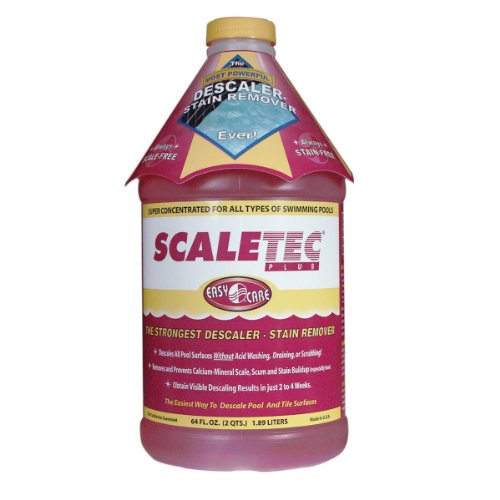
- BrandEasyCare

- VC Score8.0
BCP Score is a ranking system developed by bestcleanerproducts.com. BCP Score has no relationship or impact from any manufacturers or sales agent websites. Learn more
- BrandPOOLAZA

- VC Score8.0
BCP Score is a ranking system developed by bestcleanerproducts.com. BCP Score has no relationship or impact from any manufacturers or sales agent websites. Learn more
- BrandWet & Forget

- VC Score7.8
BCP Score is a ranking system developed by bestcleanerproducts.com. BCP Score has no relationship or impact from any manufacturers or sales agent websites. Learn more
- BrandPool Supply Town
Last update on 2026-10-08 / Affiliate links / Images, Product Titles, and Product Highlights from Amazon Product Advertising API
FAQs
Can I use vinegar instead of bleach to clean my screen enclosure?
Yes, distilled white vinegar mixed with warm water is an excellent alternative to bleach. Vinegar dissolves algae and mold spores safely without degrading the rubber spline cords or corroding aluminum screws. It is also much gentler on your patio plants and pool water balance if stray mist blows across the deck.
What should I do if a screen pops out of its groove during cleaning?
If a screen panel slips loose, do not pull on the fabric. Check whether the rubber spline cord is intact or brittle, push the mesh back into the metal channel, and use a handheld spline roller tool to press the rubber cord back down into the track. If the spline is cracked and dry, purchase a spool of replacement spline in the matching diameter and roll new cord into the frame.
How often does a screen enclosure need to be washed?
Most pool enclosures need a thorough cleaning once or twice a year to stay in good condition. If your pool cage sits under heavy tree cover or endures a heavy spring pollen season, a quick hose rinse every few months prevents organic grime from turning into stubborn green algae. Regular light maintenance stops mold from setting into frame seams and extends the working life of your screens.


How to Refinish a Fiberglass Pool

How Do You Keep Raccoons Out of Your Pool?

How to Fix Cyanuric Acid in Your Pool

How to Shape a Pool Cue Tip to Stop Miscues

12 Best Automatic Vacuum For Intex Above Ground Pool of 2026 To Keep Vinyl Floors Spotless

10 Best Automatic Pool Vacuum For Above Ground Pool of 2026 To End Manual Scrubbing

How Much Pool Clarifier Should You Use for Your Pool Size?

How Much Does a Pebble Tec Pool Cost to Build or Resurface?








