
How to Get Your Dog in the Pool Safely

Hesitation around the water is completely normal, so there is no reason to worry. The right approach is to let them move at their own pace on wide stairs and never force or carry them into deep water. Pushing a nervous pet triggers instant panic, while calm guidance and plenty of treats help them realize the pool is just a big, refreshing splash zone.
A few details shape how smooth this introduction will be. Walk-in sun shelves and wide steps offer great footing, whereas sheer pool edges or narrow ladders make entry scary without an added ramp. Heavy-chested breeds with short snouts also struggle to stay afloat naturally, meaning they need extra buoyancy support. Matching your plan to your pet and your pool layout makes all the difference, and a simple step-by-step routine will guide the way.
Never Toss Your Dog In Or Force The Water Entry
Throwing your dog into the pool is the fastest way to create a permanent fear of water. When an animal is tossed or shoved into deep water, their natural survival instinct takes over. They panic, gasp for air, and inhale pool water into their lungs. That single traumatic event can make your pet run away every time you open the patio door.
Panic in the water also creates real physical danger for both of you. A frightened dog flails their front legs wildly, trying to climb out of the water. Their sharp nails can easily tear a vinyl liner, scratch gelcoat surfaces, or rip into your arms and chest if you try to hold them. Once an animal enters a state of blind panic, they cannot process your voice or learn how to swim.
It is also a dangerous myth that every dog knows how to swim instinctively. Some breeds, like Golden Retrievers and Newfoundlands, have webbed paws and buoyant builds suited for water. Other breeds struggle just to keep their heads above the surface. Dogs with dense, barrel-shaped chests and short legs, such as bulldogs, pugs, and dachshunds, have very poor natural buoyancy. Their heavy front ends tip forward, which pulls their short snouts right under the waterline.
Swimming must always be a voluntary choice for your pet. If your dog hesitates at the pool edge, they are trying to understand an unfamiliar surface that smells like chemicals and lacks solid ground. Building comfort takes patience, calm praise, and steady encouragement. When your dog discovers the water on their own terms, they build true confidence and stay safe for years to come.
Fit A Dog Life Jacket And Inspect Your Pool Steps Before You Start
Before you bring your dog anywhere near the pool edge, set up your gear and check your pool surroundings. Rushing into the backyard without basic safety precautions invites accidents.
- Get a proper dog life jacket: Choose a pet life jacket that fits snugly around the chest and belly. The most important feature is a thick, sturdy grab handle along the back. This handle allows you to guide your dog in the water and lift them out immediately if their back legs tire out.
- Check step traction: Pool stairs can be very slick under wet paws. Smooth materials like vinyl or gelcoat offer little grip, which can cause a nervous dog to slip and slide backwards. If you have smooth steps, such as those found on an inground setup or when looking at how deep is a fiberglass pool with molded stairs, lay down a rubber non-slip grip pad on the top step to give your dog solid footing.
- Clear away cleaning equipment: Never start swimming lessons while automatic cleaners or floating hoses are in the pool. A dog can easily tangle their paws in floating cords or suction hoses. Pull robotic cleaners and suction lines out of the water, and stow their power supplies at least 10 feet back from the pool edge.
- Grab high-value treats and a favorite floating toy: Standard dry kibble will not hold a dog's attention when they are facing a pool full of water. Bring out small bites of real chicken, cheese, or hot dog pieces that provide instant, powerful motivation.
- Put your dog on a standard flat leash: Use a simple four-foot or six-foot flat leash attached to their life jacket or flat collar. Never use a retractable leash near a pool, because the thin cord can wrap around paws or get caught on pool handrails.
Guide Your Dog Into The Shallow End One Step At A Time
Teaching your dog to enter the pool requires small, calm steps. Keep your tone light and happy throughout the process. If your dog shows extreme fear at any point, pause the lesson, step back, and try again later.
- Explore the pool deck on a loose leash: Walk your dog around the perimeter of the pool without walking toward the water. Let them sniff the pool coping, hear the sound of the return jets, and take in the smells. Give them a treat every time they look at the water without pulling back.
- Walk into the shallow steps yourself first: Walk down onto the top step of the pool while holding the leash loosely. Crouch down low to the water level so you appear welcoming rather than towering over your dog. Call your dog to you in an upbeat, cheerful voice.
- Lure their front paws onto the first step: Hold a treat directly in front of your dog's nose, drawing them toward the first submerged step. Allow them to put just one or two front paws into the water. As soon as their paws touch the wet step, praise them enthusiastically, give them the treat, and let them step backward onto the dry deck if they want to.
- Encourage all four paws onto a shallow sun shelf: Once your dog steps into ankle-deep water without hesitating, lure them fully onto the top step or shallow sun shelf. At this depth, the water will touch their belly while their feet remain firmly planted on the bottom. Keep one hand under their chest or lightly hold the handle of their dog life jacket so they feel supported.
- Practice the first short paddle toward your chest: Step backward into chest-deep water and gently coax your dog off the step for just two or three feet. Support their ribcage with your forearm so their body stays horizontal in the water. Dogs that paddle with their front paws held upright splash violently, tire out fast, and sink their hips. Keeping their belly supported teaches them to kick their rear legs in a flat, natural swimming posture.
Teach Your Dog How To Find The Exit Before They Swim Across The Pool
Teaching a dog how to get into the pool is only half the battle. Teaching them how to get out is the skill that saves their life. When a dog gets tired or frightened in the water, their instinct is to swim in a straight line toward the nearest pool wall. They will paddle up to the sheer vertical wall and scratch desperately at the tile or coping stones, unaware that they cannot climb out there.
Dogs navigate by sight, but their eyesight sits much lower to the waterline when they are swimming. From the middle of the pool, submerged stairs blend into the surrounding water and become invisible. Place a distinct visual marker right next to your steps. A bright plastic flower pot, a colorful folding chair, or a safety cone sitting on the pool deck gives your dog an obvious landmark they can spot while paddling.
To teach the exit, carry or guide your dog into the water just two feet away from the shallow steps. Turn their body so their snout points straight at the stairs. Release your support while gently guiding them by the life jacket handle, saying a clear cue like "Find the steps." As soon as their paws touch the solid stairs, shower them with praise and give them a high-value treat.
Repeat this exit drill several times. Gradually increase the distance by guiding them four feet away, then eight feet away, and eventually from the middle of the deep end. Always steer them back to that exact same exit point. Your dog must understand with total certainty that no matter where they end up in the water, the visual marker on the deck leads to safety.
Install A Dedicated Pool Ramp If Your Pool Lacks Shallow Steps
Many backyard pools do not feature wide, walk-in stairs or a shallow sun shelf. If your pool only has vertical stainless steel ladders, your dog cannot walk into the water or climb out on their own. Forcing a dog to scramble up a narrow ladder will pinch their toes, rip their claws, and cause panic. For these pools, you need an aftermarket ramp or floating step system.
Floating inflatable water ramps use heavy-duty PVC tubes with a submerged, weighted mesh net that hangs down into the water. This weighted mesh drops below the surface, creating an inclined slope that sits under the water level. A swimming dog can paddle straight onto the mesh platform, find immediate footing for their rear paws, and walk up onto the pool deck without having to hoist their body weight out of deep water.
Rigid pool ramps are another dependable option. These ramps are typically built from molded composite plastic and fiberglass, supported by adjustable legs that sit on the pool floor. They extend from the deck down into the water, providing a solid, stable surface that does not shift or sway when a heavy dog steps on it. They work especially well for older dogs or larger breeds weighing over 80 pounds who need firm support under their paws.
Whichever system you choose, secure attachment is mandatory. A ramp that wobbles, tips, or drifts away from the pool edge will terrify your dog the moment they try to step on it. Fasten the ramp securely to your pool deck using heavy-duty tie-down ropes or weighted deck anchors. Test the ramp with your hands first to make sure it holds steady under downward pressure before introducing your pet.
Rinse The Pool Chemicals Out And Dry Their Ears Right Away
Your swimming routine is not finished when your dog steps out of the pool. Pool water contains chemicals that protect against bacteria, but those same chemicals can cause health problems for your dog if left on their coat and skin.
- Rinse with fresh tap water immediately: Use a garden hose or outdoor shower to rinse your dog thoroughly from neck to tail. Chlorine, salt, and algaecides strip natural oils from a dog's coat, causing dry skin, flaking, and severe itching. Rinsing right after swimming washes away chemical residues before they dry on the skin.
- Dry and clean their ears: Trapped moisture inside a dog's ear canal is the leading cause of post-swim ear infections. Floppy-eared breeds like Labradors, spaniels, and hounds are especially vulnerable because their ear flaps trap water and heat. Use a dry towel to wipe the outer ear, followed by an approved drying solution to break up moisture inside the canal.
- Empty the pool skimmer basket: A single swimming dog can shed as much hair as several human swimmers. That loose fur travels straight toward your filtration system. Understanding how a pool skimmer works helps you see why clearing trapped hair from the skimmer basket immediately protects your pump impeller from clogging.
- Inspect paw pads for raw spots: Wet paw pads soften up like a sponge after ten minutes in the water. Rough pool plaster, brushed concrete decks, and hot patio pavers can quickly rub soft pads raw or cause painful scrapes. Check all four paws for redness, bleeding, or torn nails before letting your dog run around the yard.
- Provide plenty of fresh drinking water: Dogs swallow water while swimming and panting. If they get thirsty on the pool deck, they will lap up chemical-treated pool water, which can upset their stomach and cause vomiting. Keep a large bowl of clean, cold tap water near the patio so they always drink from a safe source.
Choose Sturdy Pool Entry Steps Or Ramps That Match Your Dog Size
If your pool does not have built-in steps, adding dedicated pet entry gear makes the difference between an enjoyable swim and a stressful ordeal. The right pool ramp gives your pet secure footing and eliminates the need to lift a heavy, soaking-wet animal out of the water.
When selecting entry gear, evaluate the surface grip first. Dogs need a non-slip grip pad or a textured rubber deck that keeps their paws from sliding when wet. Look for wide platforms that accommodate your dog's turning radius so they do not feel cramped or off-balance when stepping onto the ramp.
Pay close attention to weight capacity and buoyancy. Larger breeds require ramps with heavy-duty internal support or wide air chambers that will not sink in the rear when an animal steps on the end. Check that the design includes reliable tie-down attachment points, such as heavy D-rings and thick ropes, so you can anchor the unit tightly against your pool edge or deck.
Finally, always remember general pool equipment safety. Never allow your dog to swim while pool cleaners, vacuum hoses, or electrical cords are in the water. Turn off circulation systems if needed, secure all gear, and make sure your pet's entry path stays completely clear of obstructions.

- VC Score10.0
BCP Score is a ranking system developed by bestcleanerproducts.com. BCP Score has no relationship or impact from any manufacturers or sales agent websites. Learn more
- BrandSnagle Paw

- VC Score10.0
BCP Score is a ranking system developed by bestcleanerproducts.com. BCP Score has no relationship or impact from any manufacturers or sales agent websites. Learn more
- BrandOmobolanle

- VC Score9.4
BCP Score is a ranking system developed by bestcleanerproducts.com. BCP Score has no relationship or impact from any manufacturers or sales agent websites. Learn more
- BrandN/A
- VC Score9.4
BCP Score is a ranking system developed by bestcleanerproducts.com. BCP Score has no relationship or impact from any manufacturers or sales agent websites. Learn more
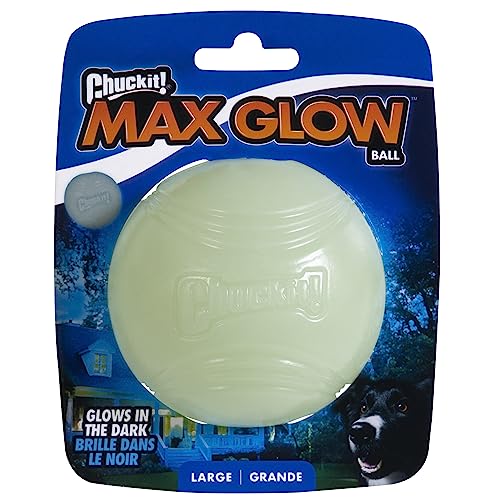
- BrandChuckit!

- VC Score9.0
BCP Score is a ranking system developed by bestcleanerproducts.com. BCP Score has no relationship or impact from any manufacturers or sales agent websites. Learn more
- BrandSolstice
- VC Score9.0
BCP Score is a ranking system developed by bestcleanerproducts.com. BCP Score has no relationship or impact from any manufacturers or sales agent websites. Learn more
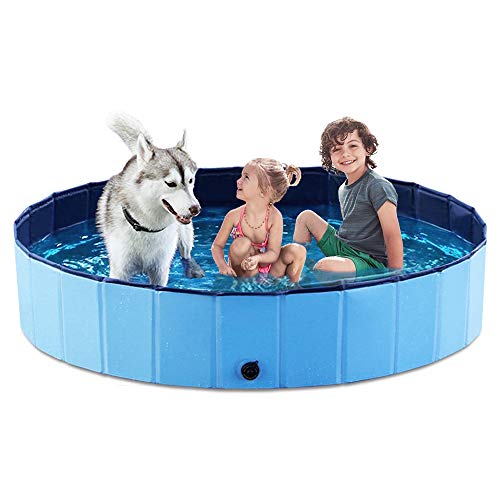
- BrandJasonwell

- VC Score9.0
BCP Score is a ranking system developed by bestcleanerproducts.com. BCP Score has no relationship or impact from any manufacturers or sales agent websites. Learn more
- BrandMorTime
- VC Score8.8
BCP Score is a ranking system developed by bestcleanerproducts.com. BCP Score has no relationship or impact from any manufacturers or sales agent websites. Learn more
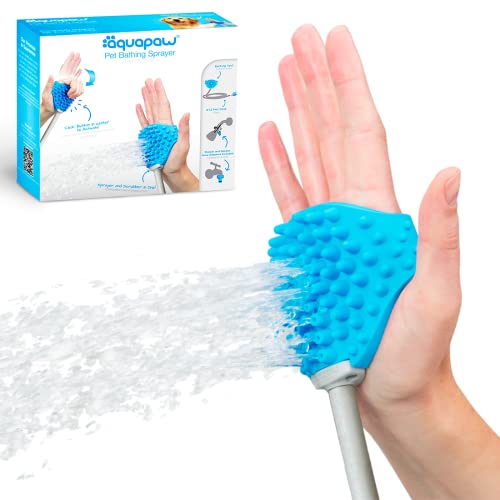
- BrandAquapaw

- VC Score8.2
BCP Score is a ranking system developed by bestcleanerproducts.com. BCP Score has no relationship or impact from any manufacturers or sales agent websites. Learn more
- BrandKHTS6310

- VC Score7.4
BCP Score is a ranking system developed by bestcleanerproducts.com. BCP Score has no relationship or impact from any manufacturers or sales agent websites. Learn more
- BrandPetstep
- VC Score6.8
BCP Score is a ranking system developed by bestcleanerproducts.com. BCP Score has no relationship or impact from any manufacturers or sales agent websites. Learn more
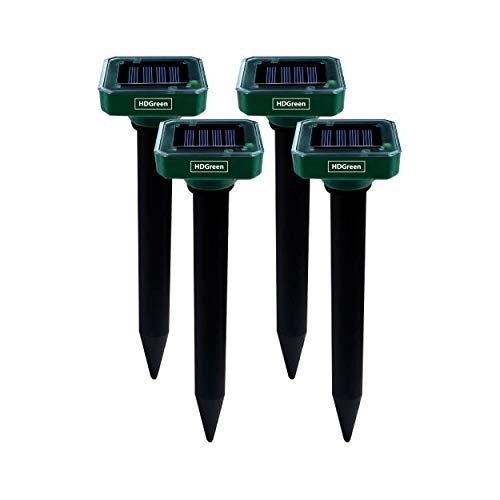
- BrandHDGreen
- VC Score6.2
BCP Score is a ranking system developed by bestcleanerproducts.com. BCP Score has no relationship or impact from any manufacturers or sales agent websites. Learn more
- BrandOUT!
Last update on 2026-10-08 / Affiliate links / Images, Product Titles, and Product Highlights from Amazon Product Advertising API
FAQs
Can I pick up my dog and carry them directly into deep water?
Carrying your dog into deep water is not recommended because it removes their sense of control. If your dog gets nervous in your arms, they will kick violently, scratch your chest, and scramble to climb on top of your shoulders. It is much safer to walk them into the shallow end on their own feet so they learn to enter calmly.
Do all dog breeds know how to swim naturally?
Not all dogs can swim naturally. Breeds with short snouts, heavy chests, and short legs, such as English bulldogs, French bulldogs, and pugs, struggle to stay afloat because their center of gravity pulls their faces underwater. These breeds should always wear a fitted dog life jacket and stay under constant supervision near water.
What should I do if my dog panics and tries to climb on me?
If your dog panics in the pool, do not try to hug them or pull them against your chest, because their claws can cause deep scratches. Instead, turn their body away from you and use the handle on their dog life jacket to steer them toward the nearest steps or ramp. Keep your body behind them while guiding their front paws to solid ground.
Will pool chemicals hurt my dog if they swallow water?
Small sips of properly balanced pool water generally only cause mild stomach upset, but swallowing large amounts can lead to vomiting, diarrhea, or salt toxicity in saltwater pools. Always keep a bowl of fresh, clean drinking water on the deck so your dog does not drink from the pool. If your pet swallows a large amount of water and becomes lethargic or vomits repeatedly, contact your veterinarian immediately.


How to Refinish a Fiberglass Pool

How Do You Keep Raccoons Out of Your Pool?

How to Fix Cyanuric Acid in Your Pool

How to Shape a Pool Cue Tip to Stop Miscues

12 Best Automatic Vacuum For Intex Above Ground Pool of 2026 To Keep Vinyl Floors Spotless

10 Best Automatic Pool Vacuum For Above Ground Pool of 2026 To End Manual Scrubbing

How Much Pool Clarifier Should You Use for Your Pool Size?

How Much Does a Pebble Tec Pool Cost to Build or Resurface?








