
How Do You Get Calcium Off Pool Tile Without Scratching It?

Rubbing that chalky white ring with a wet pool pumice stone lifts the mineral crust right off ceramic surfaces without needing to drain any water. But the safest method changes completely if the surface underneath is delicate glass, which scratches under heavy pressure. For softer materials or a faint mineral haze, a mild liquid descaler or diluted vinegar softens the buildup so it wipes away cleanly.
The right approach always depends on what kind of tile lines the pool edge, how thick the crust has grown, and which mineral created it. Soft, chalky deposits brush off with basic elbow grease, while rock-hard grayish mineral scale often requires chemical cleaners or professional tools to budge. Here is how to identify the exact buildup along the waterline and clear it safely so the glaze stays smooth.
A Quick Acid Drop Identifies Your Waterline Scale Type
Before you spend hours scrubbing your waterline (the ring where the water surface meets the pool tile), you need to know which mineral deposit is clinging to your pool. White buildup usually falls into one of two categories: calcium carbonate or calcium silicate. Treating both kinds of mineral crust the exact same way wastes your energy and can permanently scuff your ceramic or porcelain.
Calcium carbonate is a chalky white mineral crust. It happens when calcium in the pool water bonds with carbon dioxide, usually triggered by elevated water pH or high heat. This deposit is relatively soft, flaky, and rests on top of the glaze like dried toothpaste. Because it sits on the surface without penetrating deeply into the ceramic, you can safely lift it with mild abrasives or light descaling washes.
Calcium silicate is a rock-hard grayish mineral scale. It forms when dissolved calcium bonds with silica, creating a glass-like mineral layer over months or years of high water hardness. This scale cures almost like poured concrete against your pool wall. It penetrates microscopic pores in the tile and grout, making manual scrubbing almost useless without specialty softening chemicals or professional bead blasting.
To tell which one you have, perform a fast acid spot check on a completely dry section of the crust. Put on rubber utility gloves and safety glasses. Use a plastic dropper or a cotton swab to apply a single drop of household white vinegar or diluted muriatic acid (a strong liquid pool acid) directly onto the white buildup above the water level. Watch the wet drop closely for thirty seconds.
If the mineral crust fizzes, bubbles, and foams immediately, you are dealing with calcium carbonate. The acid is actively breaking down the carbonate bonds, which means normal elbow grease and basic pool tools will clear it away. If the liquid sits quietly without foaming, or only produces a lazy bubble after several minutes, you are looking at calcium silicate. Knowing this difference saves you from grinding down your tile glaze trying to force a mineral layer that manual pads cannot budge on their own.
Wet Pumice Stones Scrub Away Carbonate Crust Without Scratching
If your spot check confirmed soft calcium carbonate, manual scrubbing is the fastest way to restore your waterline without draining thousands of gallons of pool water. The secret to protecting your ceramic or porcelain tile is keeping every surface dripping wet throughout the entire process.
- Lower your water level slightly: Drop the pool water about three to four inches below the mineral line using your pump waste line or a small submersible pump. Working with the white ring exposed gives you clear visibility so you do not accidentally scrub clean tiles.
- Soak the tile and the stone thoroughly: Dunk your pool pumice block into the pool until it is completely saturated with water. Never touch a dry stone to dry tile. When pumice is wet, it breaks down into a fine, wet mineral slurry that is harder than calcium carbonate but softer than baked ceramic glaze. If you use it dry, you will scratch the glaze instantly.
- Rub using gentle circular strokes: Hold the pumice block flat against the tile face and use light, uniform circles. Do not stab the corners of the stone into the tile or dig into the grout lines. Let the natural friction of the wet stone dissolve the crust. You will feel the rough mineral crust turn into a smooth, milky paste under your hand.
- Try a drill scrub pad for large pools: If you have an in-ground pool with fifty or sixty feet of perimeter tile, manual rubbing can strain your shoulders and knuckles. Specialty nylon drill pads made for pool tile attach to standard cordless drills. Keep the drill safely away from the pool surface, run the tool at low speed, keep the work area wet with a pool brush, and let the spinning pad erase the white film without heavy downward force.
- Wipe and rinse the tile face: Dip a clean rag or soft sponge into pool water and wipe away the grey residue as you complete each three-foot section. The ground-up mineral dust will sink harmlessly to the pool floor, where your bottom drain or manual vacuum can pick it up during your next regular cleaning.
Keep in mind that pumice stones are only safe for standard glazed ceramic and porcelain tiles. Never use a pumice stone on glass tile, painted surfaces, vinyl pool liners, or fiberglass walls. Glass tile has a delicate surface tension that scratches under volcanic pumice, leaving permanent frosted swirls across your pool border.
Pourable Descalers Dissolve Mineral Buildup Without Damaging Grout
If you have delicate glass tile, or if your mineral line is too thick for comfortable hand scraping, chemical descalers do the heavy lifting for you. These cleaners come in two distinct forms: spray-on surface washes and pour-in pool water treatments.
Spray-on tile cleaners are gel or liquid formulas designed to cling to vertical tile borders. You apply them directly to the crusty band with a stiff nylon bristle brush, let the cleaner dwell on the deposit for five to ten minutes, and brush gently before rinsing. Because many of these products use an alkaline base or mild organic acids, they break the bonds holding the calcium to the tile without attacking the cement grout holding the tiles together.
Pour-in descaling liquids work directly through your pool circulation system. Instead of rubbing individual tiles, you pour the measured liquid around the perimeter of the pool water while the pump runs. These chemicals contain sequestering agents (liquid compounds that attract and hold onto free-floating mineral ions in water). Over several weeks, the treated water gradually pulls calcium out of the tile deposits and pulls it back into solution, thinning the crust without any manual scraping.
You can also use diluted muriatic acid for stubborn calcium carbonate, but you must exercise extreme caution. Mix one part acid into four parts water inside a clean plastic bucket, always adding the acid to the water and never the other way around. Dip an acid-resistant brush into the mix and stroke it over the calcium band in small two-foot patches.
Rinse the area with pool water within thirty seconds. Strong liquid pool acid eats away cement grout rapidly. If you leave acid sitting on your grout lines, it dissolves the mortar base, allowing water to slip behind the tile band. When colder temperatures arrive, that trapped water freezes, expands, and pops tiles completely off your pool wall.
Harsh Scrapers and Dry Tools Permanently Ruin Tile Glaze
Waterline scale can test your patience, but reaching for random garage tools almost always ends in costly tile repairs. Once you scrape or etch the hard, protective factory glaze off pool ceramic, you expose the porous clay body underneath. Rough, damaged tile attracts fresh mineral deposits twice as fast as smooth tile.
- Metal scrapers, putty knives, and razor blades: Hard carbon steel or stainless steel is harder than pool tile glaze. Dragging a blade across your waterline chips tile corners, cuts deep gouges into the tile surface, and slices through flexible expansion joints.
- Dry wire wheels and coarse metal brushes: Attaching a brass or steel wire brush to a drill cuts into ceramic, leaving permanent metallic gray streaks and dull patches that you cannot buff out.
- Pressure washers held too close to grout: Blasting your waterline with high-pressure water tips can blow crumbling grout straight out of the joints. Keep spray tips at a safe distance and never direct narrow zero-degree water streams directly into tile seams.
- Harsh household cleaners containing bleach: Standard laundry bleach does not dissolve mineral scale. Pouring household bleach along the tile line only spikes your pool chemical levels and creates irritating fumes without loosening calcium crust.
- Abrasive sanding blocks on glass tiles: Glass tile demands non-scratch nylon scrubbers or specialized chemical descaling pastes. Even fine sandpaper will leave noticeable scratches across smooth glass.
If you encounter thick, rock-hard calcium silicate that laughs at wet pumice blocks and safe descaling chemicals, stop scraping. Forcing the issue will only break tiles. This is the exact moment to call a local pool professional who offers low-pressure mineral blasting with soft media like baking soda, walnut shells, or rounded glass beads.
Balanced Water Chemistry Stops New Calcium Bands From Forming
Scrubbing your pool tile clean feels rewarding, but that white crust will return within weeks if your water chemistry stays out of balance. Mineral scale is not an exterior stain; it is a direct sign that your pool water is over-saturated with minerals that have nowhere else to go.
As summer heat warms your pool, water naturally turns to vapor, leaving behind every mineral that was dissolved in it. You can reduce pool evaporation and cut water loss by using a solar pool blanket when the pool sits unused. Slowing down water loss prevents calcium from condensing into an overly concentrated mineral soup right along your tile line.
To keep calcium dissolved in your water where it belongs, monitor three primary water levels using a reliable testing kit every week:
First, maintain your pool pH between 7.4 and 7.6. When your pH drifts above 7.8, the water becomes basic, causing calcium to fall out of solution and crystallize on the nearest warm surface, which is usually your sun-baked waterline tile.
Second, keep total alkalinity between 80 and 120 parts per million. Alkalinity acts as a chemical shock absorber that keeps your pH from bouncing wildly. When alkalinity drops too low, pH swings invite rapid scaling.
Third, check your calcium hardness. For standard plaster and concrete pools, ideal calcium hardness sits between 200 and 400 parts per million. If your local tap water has heavy mineral content and your hardness climbs above 500 parts per million, scale forms whenever the pool water warms up. The only permanent fix for high hardness is draining a portion of the pool and refilling with softer water.
Finally, incorporate a quick weekly tile wipe into your normal cleaning routine. Just as you clean algae from pool walls safely with a nylon or stainless brush, spending two minutes wiping down the waterline with a pool-safe microfiber mitt removes soft mineral film before it bakes into hard rock.
Choosing the Right Cleaning Tool Protects Your Pool Tile
Removing stubborn mineral crust without ruining your pool comes down to choosing manual tools and descaling chemicals designed specifically for submerged pool surfaces. Standard household cleaning supplies lack the right density and balance for pool tile care.
When selecting manual tools, look for pumice blocks with built-in plastic handles or universal pole attachments. A sturdy plastic handle protects your knuckles from scraping against rough pool plaster during long scrubbing sessions. If you have a deep end or prefer not to lean over the coping stone on your knees, a block that locks onto a standard pool pole lets you clear deposits from the deck while standing comfortably.
If you prefer mechanical assistance, look for drill scrub pads rated safe for ceramic pool tile. Verify that the pad uses dense, synthetic non-woven fibers that conform to tile contours rather than rigid abrasive backings that concentrate pressure on delicate tile edges.
For glass tile or light waterline film, choose pourable chemical descalers and sequestering agents that hold certifications for swimming pool sanitation. Check that the chemical formula works with your filter type, whether you run sand, diatomaceous earth, or cartridge elements, so the dissolved mineral runoff does not clog your pool equipment as it washes away.

- VC Score8.8
BCP Score is a ranking system developed by bestcleanerproducts.com. BCP Score has no relationship or impact from any manufacturers or sales agent websites. Learn more
- BrandCLR

- VC Score8.4
BCP Score is a ranking system developed by bestcleanerproducts.com. BCP Score has no relationship or impact from any manufacturers or sales agent websites. Learn more
- BrandEasyCare

- VC Score8.2
BCP Score is a ranking system developed by bestcleanerproducts.com. BCP Score has no relationship or impact from any manufacturers or sales agent websites. Learn more
- BrandU.S. Pool Supply
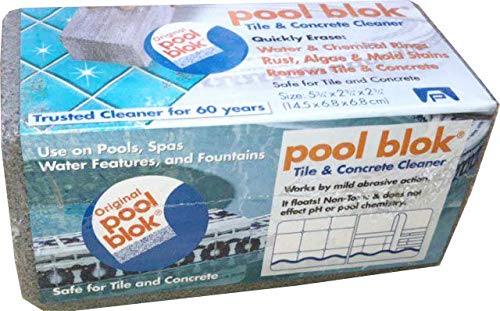
- VC Score8.2
BCP Score is a ranking system developed by bestcleanerproducts.com. BCP Score has no relationship or impact from any manufacturers or sales agent websites. Learn more
- BrandPool Blok
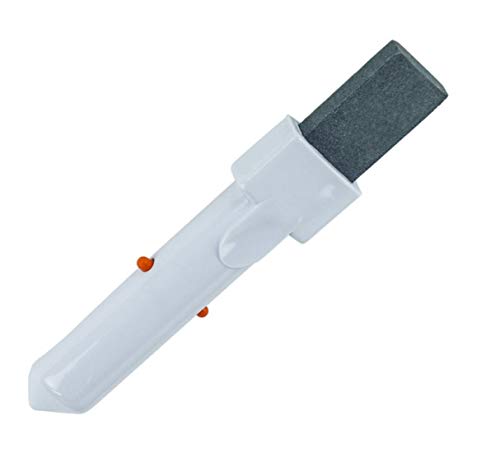
- VC Score8.0
BCP Score is a ranking system developed by bestcleanerproducts.com. BCP Score has no relationship or impact from any manufacturers or sales agent websites. Learn more
- BrandPool Supply Town

- VC Score7.8
BCP Score is a ranking system developed by bestcleanerproducts.com. BCP Score has no relationship or impact from any manufacturers or sales agent websites. Learn more
- BrandIn The Swim

- VC Score7.4
BCP Score is a ranking system developed by bestcleanerproducts.com. BCP Score has no relationship or impact from any manufacturers or sales agent websites. Learn more
- BrandIMPRESA

- VC Score6.2
BCP Score is a ranking system developed by bestcleanerproducts.com. BCP Score has no relationship or impact from any manufacturers or sales agent websites. Learn more
- BrandRenovo Products

- VC Score5.8
BCP Score is a ranking system developed by bestcleanerproducts.com. BCP Score has no relationship or impact from any manufacturers or sales agent websites. Learn more
- BrandN/A
Last update on 2026-10-08 / Affiliate links / Images, Product Titles, and Product Highlights from Amazon Product Advertising API


How to Refinish a Fiberglass Pool

How Do You Keep Raccoons Out of Your Pool?

How to Fix Cyanuric Acid in Your Pool

How to Shape a Pool Cue Tip to Stop Miscues

12 Best Automatic Vacuum For Intex Above Ground Pool of 2026 To Keep Vinyl Floors Spotless

10 Best Automatic Pool Vacuum For Above Ground Pool of 2026 To End Manual Scrubbing

How Much Pool Clarifier Should You Use for Your Pool Size?

How Much Does a Pebble Tec Pool Cost to Build or Resurface?


