
How to Clean a Cement Pool Deck Without Damaging It

Start by sweeping all loose leaves, dirt, and grit completely away from the pool edge. Clearing dry debris first keeps dirty runoff from spilling into the pool and throwing off your water balance. To remove surface grime and slippery algae, scrub the cement with mild outdoor cleaner and a stiff broom, then rinse the wash away from the water. This lifts everyday buildup without chipping or gouging the concrete.
The exact method changes with the marks on your deck and the surface underneath. Stubborn rust marks and brown leaf tannins demand targeted spot treatments rather than a generic wash. A plain poured slab handles a wide fan spray from a pressure washer, while sealed or stamped finishes need a gentle garden hose. The steps below walk through the whole job so the deck stays bright and the water stays clean.
Protecting Your Pool Water and Prepping the Deck
Washing a concrete deck requires a clear path for dirty water before you turn on a hose. Concrete around an inground pool usually slopes slightly outward to shed rainwater, but wind, clogged drainage channels, and uneven settling can send runoff straight over the coping. Runoff (dirty rinse water flowing across the deck) carries loosened dirt, mold spores, and cleaning chemicals directly into your pool. That dirty wash can quickly spike your pool water pH, deplete your sanitizer, and cloud the water for days. Large amounts of grit and sand sweeping into the pool can also put heavy strain on your skimmer and filtration system, reducing efficiency and wearing down equipment faster than normal. Protecting the life of your pool system is much easier when you manage debris before it reaches the skimmer basket, similar to understanding how long pool pumps last and when to replace them under heavy workloads.
Start by clearing everything off the concrete surface. Move patio chairs, tables, pool toys, planters, and storage boxes completely off the perimeter. Potted plants trap moisture and dirt underneath their bases, which creates dark circles of mold and concentrated fertilizer stains on the cement. Moving furniture also exposes hidden dirt lines around table legs and reveals areas where rust may have formed from metal frames. If you have decorative metal ladders or handrails mounted into deck anchors, inspect the bases for trapped leaves and grit. If you ever unbolt or remove these metal fixtures for deep cleaning or maintenance, make sure you understand how to bond an inground pool to prevent electrical shock before reinstalling any metal pool components into your deck anchors.
Before mixing any cleaner or spraying water, run through this quick preparation checklist to keep your yard and pool safe:
- Clear all loose furniture and pool accessories: Store lounge chairs, umbrellas, toys, and hoses on the grass or inside a shed so you have an open workspace.
- Rinse nearby plants and grass thoroughly: Soak surrounding lawn edges, flowerbeds, and shrubs with fresh water from a garden hose. Saturated plant leaves and soil will not absorb wandering cleaning solutions nearly as fast as dry plants.
- Sweep the dry concrete with a stiff push broom: Collect loose pine needles, grit, dirt, and dry leaves into a dustpan rather than washing them across the deck. Dry sweeping prevents wet mud from clogging deck drains.
- Establish a water diversion barrier: Lay rolled pool towels, closed-cell foam pool noodles, or sandbags along the inside coping edge of the pool if your deck slopes inward, forcing rinse water toward your yard or patio drains instead of into the pool.
The Core Scrubbing and Washing Routine
Once the deck is completely clear and swept, you can clean the cement without resorting to harsh chemical treatments. Avoid industrial muriatic acid washes for seasonal maintenance. Acid washing eats away at the cement paste that binds the concrete together, creating an uneven, sandy texture known as etching (chipping or gouging the concrete surface). Instead, stick to a balanced approach that uses water, a mild outdoor cleaner, and steady brushing with a stiff bristle broom.
- Dampen the concrete with fresh water: Use a standard garden hose nozzle to lightly mist the entire section you plan to scrub. Wetting the concrete first is essential because dry cement is porous like a sponge. If you apply a cleaning wash directly to dry concrete, the surface drinks the chemical deep into its pores before you have a chance to scrub the surface grime loose.
- Apply your cleaning solution in small sections: Work on manageable areas of about fifty to one hundred square feet at a time. Mix a mild outdoor deck wash, a specialized patio soap, or a gentle solution of one part liquid pool bleach to four parts water in a plastic pump sprayer or a dedicated bucket. Spread the wash evenly over the damp concrete, making sure the surface stays wet without forming deep puddles that could overflow toward the pool edge.
- Let the solution dwell, then scrub firmly: Allow the mixture to sit on the concrete for five to ten minutes so the active cleaning agents can loosen dirt and break down organic slime. Do not let the cleaner dry completely on the slab. Grab a long-handled, stiff-bristled outdoor deck brush and scrub the area using firm, overlapping strokes. On broom-finished concrete, brush parallel to the broom grooves to dislodge dirt trapped deep inside the textured ridges. On smooth troweled or stamped slabs, use circular motions to lift ground-in dirt.
- Rinse completely away from the pool edge: Spray the scrubbed area using a garden hose with a high-pressure brass twist nozzle or multi-pattern sprayer set to a flat fan. Always direct the spray stream away from the pool coping, pushing the dirty runoff toward lawn edges, gravel beds, or deck drains. Continue rinsing until all soap suds disappear and the water runs clear off the slab.
Working in small sections ensures you stay in control of the water flow. If the sun is hot, concrete dries quickly, which can leave white detergent streaks behind if you attempt to soap the entire pool surround at once. Choose an overcast day or wash early in the morning when the concrete is cool to the touch. That gives your cleaning solution time to work without evaporating before you finish brushing.
Using Water Spray Pressure Without Damaging the Slab
A pressure washer can save hours of manual scrubbing on large cement decks, but it requires careful handling. Concrete looks tough, but high water velocity can strip the smooth top coat, expose rough aggregate stones underneath, and leave permanent, wandering lines across the patio. The secret to safe pressure washing lies in managing your nozzle angle, distance, and PSI (water spray pressure).
Residential concrete pool decks generally hold up best with water spray pressure kept between 1,500 and 2,500 PSI. Pressures above 3,000 PSI can easily cause etching (chipping or gouging the concrete surface), especially on newer slabs or older concrete that has started to weather. Never use a red zero-degree nozzle tip on a pool deck. A zero-degree tip shoots a pencil-thin stream of water that acts like a solid cutting blade, permanently gouging grooves into the cement paste. Instead, use a wide 40-degree white spray nozzle, or a 25-degree green nozzle held at a safe distance.
Keep the spray tip at least twelve to fifteen inches above the deck at all times. Move the spray wand in long, sweeping strokes, keeping your arm moving continuously. If you stop the wand in one spot for even two seconds while pulling the trigger, the water stream will carve a noticeable indentation into the concrete. For the most even finish without wand marks, attach a walk-behind surface cleaner to your pressure washer. A surface cleaner houses two rotating spray jets under a round plastic or stainless steel housing, keeping the water nozzles at an exact, safe height while cleaning a wide circular path in a single pass.
Keep the spray wand angled toward your drainage route. Never aim the spray blast directly toward the edge of the pool, because the force of the water will launch dirty silt and detergent straight into your pool water. Work along the length of the pool, spraying parallel to the water line or angled slightly backward toward your yard, guiding the dirt off the deck without throwing debris into the water.
Clearing Tough Stains and Keeping Concrete Clean Longer
General scrubbing clears surface dirt, but older concrete pool decks often collect deep-set stains that need targeted spot treatments. Knowing what caused the mark lets you pick the right method without damaging the surrounding slab.
Green algae and black mold are common in shady deck corners and under low patio furniture. These organic growths feed on moisture and settle deep into concrete pores. Treat mold by applying a targeted outdoor cleaner formulated for organic growth, or apply a solution of one cup of oxygen bleach powder dissolved in a gallon of warm water. Apply the solution directly to the dark spots, let it sit for ten minutes, scrub with a handheld nylon brush, and rinse. The oxygen reaction lifts organic spores to the surface without leaving dangerous chemical residues behind.
Brown and tan leaf stains appear when oak leaves, pine needles, or seed pods sit on damp concrete over the winter, releasing natural plant tannins. Tannin marks often resist regular soap and water. Wet the leaf stain, sprinkle powdered oxygen bleach or a light coat of powdered laundry detergent directly onto the spot, and work it into a paste using a small brush. Let the paste sit for fifteen minutes to pull the brown stain out of the porous cement, then flush with plenty of water.
Orange rust spots typically come from metal chair legs, dropped hairpins, fertilizer pellets that contain iron, or old steel umbrella bases. Traditional outdoor soaps will not remove rust because iron oxide bonds chemically with the concrete. Avoid using wire brushes, as metal bristles break off, lodge in the concrete, and rust all over again. Instead, use a pool-safe pumice stone rubbed gently over the damp rust spot, or apply a specialty oxalic acid rust remover designed for concrete. Pumice stones wear down as you scrub, mechanically erasing the orange spot without scratching the hard cement.
You may also notice efflorescence (chalky white mineral salt buildup) appearing along deck joints or near the coping. Efflorescence happens when groundwater seeps upward through the bottom of the slab, dissolves natural salts inside the concrete, and leaves white powder behind when the water evaporates on top. You can remove light efflorescence by scrubbing with a stiff nylon brush and clean water. If the white crust is thick, a mild solution of white vinegar and water dissolves the mineral salts safely without damaging the concrete.
Once your pool deck is clean and dry, consider applying a penetrating silane-siloxane concrete sealer. Penetrating sealers soak deep into the pores of the cement rather than forming a slippery plastic film on top. They create an invisible barrier that sheds pool water, keeps leaf tannins from soaking into the slab, and stops green algae from taking root. Sealing your deck every two to three years cuts your regular washing time in half and keeps the cement looking fresh season after season.
Choosing the Right Cleaning Supplies for Concrete Decks
Picking the right cleaning solutions and manual tools makes the difference between a simple weekend job and an afternoon spent fighting stubborn marks. When shopping for pool deck cleaning supplies, look for outdoor formulas clearly labeled for concrete, stone, and patio use. Concentrated deck washes that target mold, mildew, and organic stains work best when paired with a simple garden pump sprayer. Verify that any cleaner you choose is safe for nearby grass and landscape plants, and check whether the formula requires dilution with water before application.
For manual scrubbing, choose a heavy-duty outdoor deck brush with stiff synthetic bristles and a threaded socket for an extension pole. Synthetic polypropylene bristles are rigid enough to scrape dirt out of broom-finished cement grooves without wearing down, and they will not scratch stamped patterns like metal bristles do. For spot-treating rust and mineral crust, keep a few pool-rated pumice stones on hand. Pumice stones designed with pole clips allow you to scrub localized marks comfortably without spending hours on your hands and knees.
Avoid buying robotic pool vacuums or automatic pool cleaners for this job. Those tools are built exclusively for underwater pool floors and walls, not outdoor flatwork. Also bypass harsh chemical strippers, concentrated muriatic acid, and industrial degreasers unless you are working with an experienced concrete contractor. Gentle, plant-conscious outdoor cleaners paired with the right brush or a wide-fan pressure washer attachment give you all the cleaning strength you need while keeping your concrete surface and pool water completely safe.

- VC Score8.8
BCP Score is a ranking system developed by bestcleanerproducts.com. BCP Score has no relationship or impact from any manufacturers or sales agent websites. Learn more
- Brand30 SECONDS
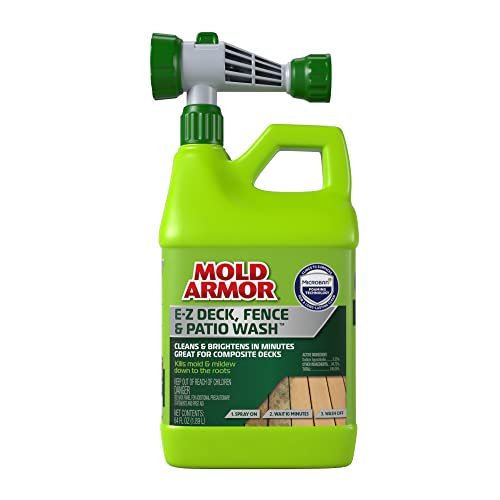
- VC Score8.6
BCP Score is a ranking system developed by bestcleanerproducts.com. BCP Score has no relationship or impact from any manufacturers or sales agent websites. Learn more
- BrandMold Armor

- VC Score8.4
BCP Score is a ranking system developed by bestcleanerproducts.com. BCP Score has no relationship or impact from any manufacturers or sales agent websites. Learn more
- BrandWash Safe Industries

- VC Score8.2
BCP Score is a ranking system developed by bestcleanerproducts.com. BCP Score has no relationship or impact from any manufacturers or sales agent websites. Learn more
- BrandDeckMAX
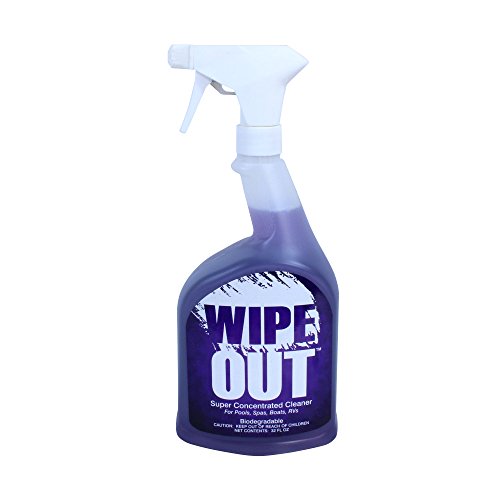
- VC Score8.2
BCP Score is a ranking system developed by bestcleanerproducts.com. BCP Score has no relationship or impact from any manufacturers or sales agent websites. Learn more
- BrandWIPE OUT

- VC Score8.0
BCP Score is a ranking system developed by bestcleanerproducts.com. BCP Score has no relationship or impact from any manufacturers or sales agent websites. Learn more
- BrandU.S. Pool Supply
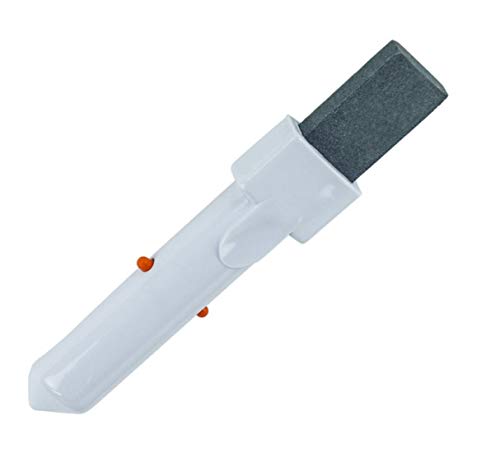
- VC Score8.0
BCP Score is a ranking system developed by bestcleanerproducts.com. BCP Score has no relationship or impact from any manufacturers or sales agent websites. Learn more
- BrandPool Supply Town

- VC Score7.8
BCP Score is a ranking system developed by bestcleanerproducts.com. BCP Score has no relationship or impact from any manufacturers or sales agent websites. Learn more
- BrandSTAR BRITE

- VC Score7.6
BCP Score is a ranking system developed by bestcleanerproducts.com. BCP Score has no relationship or impact from any manufacturers or sales agent websites. Learn more
- BrandGeneric

- VC Score7.2
BCP Score is a ranking system developed by bestcleanerproducts.com. BCP Score has no relationship or impact from any manufacturers or sales agent websites. Learn more
- BrandSTAR BRITE
Last update on 2026-10-08 / Affiliate links / Images, Product Titles, and Product Highlights from Amazon Product Advertising API
FAQs
Will dirty wash water ruin my pool water balance if a little splashes in?
A few minor splashes of clean rinse water will not cause serious problems, but large amounts of dirty runoff will quickly throw off your water balance. Soil and detergent carry phosphates, dirt, and organic matter that rapidly deplete free chlorine, raise pH levels, and cause water cloudiness. If significant runoff enters your pool, check your chemical levels immediately, run your filter pump continuously, and add sanitizer or shock to restore water balance.
Can I use regular household bleach to clean my concrete pool deck?
Household bleach can be used on bare concrete if it is heavily diluted with water, usually at a ratio of one part bleach to four parts water. Never use straight bleach, because concentrated chlorine can discolor colored concrete, harm surrounding flowerbeds, and produce strong fumes. Always wet the concrete with fresh water before applying diluted bleach, and rinse the deck completely toward outer drainage areas so bleach does not run directly into the pool or kill your lawn.
How often should a cement pool deck be washed?
Most cement pool decks benefit from a thorough washing once or twice a year, typically when opening the pool in late spring and closing it in the fall. In warm, humid climates where shade trees encourage rapid algae growth, a light scrub every two to three months keeps green slime from making the walking surface slippery. Performing routine dry sweeping every week prevents leaves and dirt from breaking down into deep-set stains between washings.


How to Refinish a Fiberglass Pool

How Do You Keep Raccoons Out of Your Pool?

How to Fix Cyanuric Acid in Your Pool

How to Shape a Pool Cue Tip to Stop Miscues

12 Best Automatic Vacuum For Intex Above Ground Pool of 2026 To Keep Vinyl Floors Spotless

10 Best Automatic Pool Vacuum For Above Ground Pool of 2026 To End Manual Scrubbing

How Much Pool Clarifier Should You Use for Your Pool Size?

How Much Does a Pebble Tec Pool Cost to Build or Resurface?


