
How to Fix a Cracked Pool Deck Yourself

Most homeowners assume a split in the concrete means an expensive crew has to rip up the whole slab. That is rarely true, because filling stable gaps with flexible sealant prevents water from washing out the soil below and protects the deck. Once you scrape out loose debris, a simple waterproof patch keeps the surface safe for bare feet and stops small splits from spreading.
The right fix depends on the size of the gap and whether the ground underneath has moved. Tiny hairline lines only need a thin brush-on filler, while wider breaks need foam rope pushed into the gap before sealing. If one side of the crack has lifted higher than the other, the slab has settled unevenly and requires leveling before any surface patch will hold. The steps below show how to inspect the damage, choose your materials, and seal the deck properly.
Is Your Pool Deck Crack Safe to Fix Yourself?
Concrete pool decks take a beating every single day. Splashing pool water, intense summer sun, and shifts in the ground beneath the slab put constant stress on the hard surface. Before you grab a trowel or a tube of caulk, you need to verify whether the crack is just a surface blemish or a sign of deeper trouble.
Most pool deck cracks fall into two main groups: stable shrinkage cracks and moving structural fractures. Shrinkage cracks happen as concrete cures and dries out, or when seasonal weather heats up and cools down. Structural fractures happen when the ground under the pool deck settles, washes away, or heaves upward.
Run through this quick checklist to see if your deck crack is a safe DIY project:
- Width: The gap measures less than one-quarter inch wide from edge to edge.
- Height: Both sides of the crack sit completely flat with each other, so bare feet will not trip on a raised ledge.
- Location: The crack stays on the flat deck and does not run through the pool coping (the finished stone or concrete rim that borders the pool water).
- Surface condition: The area shows only minor spalling (a flaking concrete surface where thin chips peel away), rather than crumbling chunks.
- Joint lines: The damage is inside a control joint (a planned groove cut into concrete to guide natural settling) where old sealant has dried up and pulled away.
If your crack passes these checks, you can safely repair it yourself in an afternoon. If one side of the crack has lifted higher than the other, or if the concrete slab rocks when you step on it, the ground underneath has shifted. A simple surface patch will not hold on a moving slab.
How Do You Clean and Prep the Deck Crack?
New patch material cannot stick to loose dirt, pool algae, or flaking concrete. If you try to squirt sealant over an unclean crack, the repair will peel away after the first heavy rain or pool party. Taking fifteen minutes to prep the gap properly ensures your repair stays watertight for years.
Follow these steps to clean and prep the gap:
- Chip away crumbly edges. Use a narrow slotted screwdriver or a small cold chisel to scrape out loose dirt, decaying leaves, and broken concrete grains. Tap gently along the crack line to knock loose any weak edges that are ready to break off anyway.
- Brush and vacuum the crack thoroughly. Run a stiff wire brush along the inside walls of the crack to scrape off fine dust and dried pool chemicals. Follow immediately with a wet-dry vacuum, holding the nozzle right against the opening until no loose pebbles or dust specks remain.
- Wash the area and let it dry. Rinse the crack with clean water to flush out any lingering dust. Unless your patch directions specifically say to apply over damp concrete, let the slab dry completely in the sun before moving forward. Trapped moisture can keep caulk from sticking to the masonry.
- Insert a foam backer rod for deep gaps. If your crack is deeper than half an inch, do not try to fill the entire cavity with sealant. Push a backer rod (a foam rope used to plug deep gaps) into the crack with your fingers or a putty knife. Set the foam rope roughly one-quarter inch below the deck surface to give your sealant a solid base.
How Do You Fill and Seal the Crack?
Once your crack is clean and dry, it is time to apply the filler. For swimming pool decks, the best material is an elastomeric sealant (a flexible rubbery caulk) or an acrylic concrete repair compound. Avoid standard rigid mortar for narrow cracks, because mortar cannot stretch when summer heat expands the pool deck.
Follow these steps to fill and seal the crack cleanly:
- Prepare the tube or patch container. If you are using a tube of sealant, cut the plastic nozzle tip at a forty-five-degree angle. Keep the opening small so you have full control over the flow. Load the tube into a steady caulking gun and puncture the inner foil seal.
- Fill the crack from the bottom up. Place the tip of the nozzle directly into the crack. Squeeze the trigger with steady hand pressure while moving smoothly along the seam. Force the material deep into the opening so no air pockets hide underneath, slightly overfilling the joint above deck level.
- Smooth and press the patch flush. Take a rigid putty knife or a small margin trowel and press down firmly across the filled gap. Drag the flat blade along the crack at a low angle to pack the sealant tight and scrape away excess material. Your goal is to make the patch level with the surrounding concrete so no one stubs a toe.
- Clean the border edges right away. Wipe any stray sealant off the untouched deck concrete using a damp cloth or sponge before it skins over. Keep your damp rag flat so you do not scoop the wet patch back out of the joint.
How Do You Blend the Patch with Your Deck?
A patch that sits perfectly level can still look like an eyesore if it dries shiny and smooth against rough pool concrete. Most pool decks feature a textured slip-resistant surface, such as a broom finish, knockdown acrylic coating, or exposed sand. Taking a minute to match the surrounding texture makes your repair blend in naturally.
While the patch is still wet but starting to firm up, look closely at the deck pattern around it. If your deck has a light broom finish, lightly drag the bristles of an old paintbrush across the damp patch to mimic those subtle lines. If your deck has a pebbled or textured coating, gently tap the wet patch with a damp grout sponge.
For decks with a gritty finish, keep a small cup of clean silica sand nearby. Lightly sprinkle the dry sand over the wet patch right after you smooth it, then press the grains down very gently with your fingertip. This simple trick dulls the plastic shine of fresh sealant and restores traction so wet feet will not slip.
After finishing the surface, protect the repair while it cures. Block off the area with lawn chairs or bright buckets so children, pets, and swimmers do not step on it. Keep pool water, hose sprays, and chemical treatments away from the repair for at least twenty-four to forty-eight hours. If you are completing deck maintenance in 2026 ahead of the cold season, make sure to check how to prepare your pool for winter so ground freezes do not damage your fresh repairs before they cure.
When Does a Pool Deck Crack Mean Serious Trouble?
Not every pool deck crack can be solved with a tube of caulk and an afternoon of work. Concrete decks surround a massive volume of water, and water constantly searches for paths underground. If water seeps through an open crack for months, it can wash out the sand or soil supporting the concrete slab.
Watch out for these clear warning signs that point to deeper structural movement:
- Uneven slab edges: If one side of the crack is more than a quarter-inch higher than the other, the slab has dropped. Caulk cannot level a tripping hazard, and the low slab will continue to sink.
- Cracks spreading through coping: If the fracture travels through the deck and cracks the pool coping, the pool wall itself may be under pressure from shifting earth.
- Hollow sounds underfoot: Tap the concrete around the crack with the wooden handle of a hammer. A hollow, echoing thump means the soil underneath has washed away, leaving an empty void under the slab.
- Separation from the pool structure: If the concrete deck is pulling away from the pool edge or tilting backward, the ground is moving significantly.
When you spot these symptoms, put away the patch kit. Fixing a dropped slab requires professional leveling methods, such as polyurethane foam lifting (expanding foam pumped under the slab to raise it) or mudjacking. Trying to patch over a sinking slab just traps moisture and hides damage that will cost more to fix down the road.
What Should You Look for in a Concrete Patch?
When shopping for pool deck repair materials, pick products designed specifically for outdoor concrete and wet environments. Plain wall spackle or standard indoor fillers will quickly dissolve under pool splashes and summer rain.
First, check the flexibility of the product. Concrete expands in hot sunlight and contracts when cool pool water washes over it. A flexible, rubbery elastomeric sealant or acrylic-based patch moves with the slab instead of snapping like brittle cement. Look for products that state they resist shrinking and cracking over time.
Second, verify the water resistance. The patch must hold its bond when soaked with chlorinated water, saltwater, and pool sanitizers. If you are repairing cracks near mounting anchors, such as when learning how to install a pool safety cover securely, pick a high-strength epoxy or durable acrylic patch that will not crumble under tension.
Finally, check the cure color and texture options. Many concrete repair sealants come in standard gray or off-white. Choosing a color close to your deck makes blending easier, especially if you do not plan on painting the entire pool deck once the repair cures.

- VC Score9.2
BCP Score is a ranking system developed by bestcleanerproducts.com. BCP Score has no relationship or impact from any manufacturers or sales agent websites. Learn more
- BrandEpoxybond Pool Putty
- VC Score9.0
BCP Score is a ranking system developed by bestcleanerproducts.com. BCP Score has no relationship or impact from any manufacturers or sales agent websites. Learn more
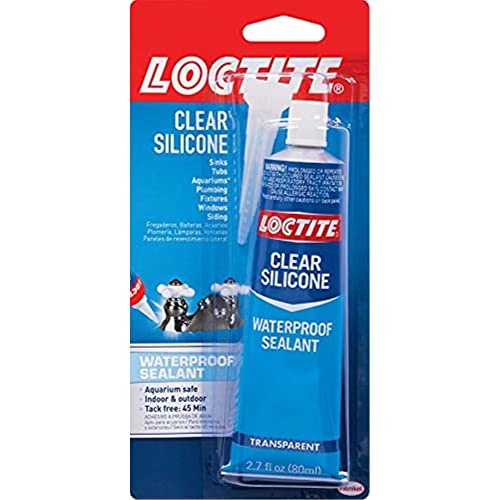
- BrandLoctite

- VC Score9.0
BCP Score is a ranking system developed by bestcleanerproducts.com. BCP Score has no relationship or impact from any manufacturers or sales agent websites. Learn more
- BrandGorilla

- VC Score8.8
BCP Score is a ranking system developed by bestcleanerproducts.com. BCP Score has no relationship or impact from any manufacturers or sales agent websites. Learn more
- BrandSIKA

- VC Score8.8
BCP Score is a ranking system developed by bestcleanerproducts.com. BCP Score has no relationship or impact from any manufacturers or sales agent websites. Learn more
- BrandRed Devil

- VC Score8.8
BCP Score is a ranking system developed by bestcleanerproducts.com. BCP Score has no relationship or impact from any manufacturers or sales agent websites. Learn more
- BrandSashco

- VC Score8.6
BCP Score is a ranking system developed by bestcleanerproducts.com. BCP Score has no relationship or impact from any manufacturers or sales agent websites. Learn more
- BrandJ-B Weld

- VC Score8.0
BCP Score is a ranking system developed by bestcleanerproducts.com. BCP Score has no relationship or impact from any manufacturers or sales agent websites. Learn more
- Brand3M
Last update on 2026-10-08 / Affiliate links / Images, Product Titles, and Product Highlights from Amazon Product Advertising API
FAQs
Can you use regular silicone caulk on a pool deck?
Standard household silicone caulk is not the best choice for walking surfaces around a pool. While silicone resists water, it dries slick and shiny, which creates a slip hazard for bare feet and attracts surface grime. A textured acrylic patch or polyurethane concrete sealant bonds tighter to rough masonry and blends in far better.
How long after fixing a crack can people walk barefoot?
Most flexible crack sealants skin over within two to four hours, but they need twenty-four to forty-eight hours to cure fully. Walking barefoot across a fresh patch too soon can leave footprints or pull the material loose from the crack walls. Check the drying time listed on your patch container before allowing swimmers back on the deck.
Will patched pool deck cracks open up again over winter?
Cracks can reopen if water gets trapped inside the concrete before freezing temperatures arrive. When water freezes, it expands with immense force and breaks weak bonds. Using a flexible elastomeric sealant keeps water out of the gap and stretches with seasonal ground shifts, which stops winter moisture from splitting the repair.
Can you paint over a pool deck crack patch?
Yes, most acrylic patches and paintable concrete sealants can be painted once they have cured completely. Make sure the sealant product label states that it accepts paint or deck coatings before you apply it. Pure silicone cannot be painted, but textured acrylic and polyurethane repairs take pool deck paint easily.

How to Refinish a Fiberglass Pool

How Do You Keep Raccoons Out of Your Pool?

How to Fix Cyanuric Acid in Your Pool

How to Shape a Pool Cue Tip to Stop Miscues

12 Best Automatic Vacuum For Intex Above Ground Pool of 2026 To Keep Vinyl Floors Spotless

10 Best Automatic Pool Vacuum For Above Ground Pool of 2026 To End Manual Scrubbing

How Much Pool Clarifier Should You Use for Your Pool Size?

How Much Does a Pebble Tec Pool Cost to Build or Resurface?


