
How Much Does a Wave Pool Cost to Visit or Buy?

Visiting costs little, but building costs a fortune. Spending an afternoon jumping in public waves is easy on the wallet for a family outing. Buying an above-ground pool kit for the backyard demands a moderate budget, but building a private swimming pool with a motorized wave generator (a mechanical device that pushes water to create swells) requires a massive construction investment.
What you end up spending depends on the type of water experience you want and the prep work involved. Water park visits fluctuate based on peak holiday hours, group sizes, and seasonal passes. When setting up a backyard kit at home, the pool diameter, frame materials, and ground leveling change your final bill. The breakdown below clarifies what each choice costs so you can plan the right splash for your budget.
The Short Version
- Water park admission: A day pass to visit a public water park wave pool usually costs between $20 and $60 per swimmer, depending on the location, the park size, and whether you go on a weekday or weekend.
- Backyard brand pools: If you are shopping for an above-ground pool kit from brands like Summer Waves, prices generally run from $70 for quick inflatable ring pools up to $600 for large metal frame packages.
- Residential wave machines: Adding a true wave generator that creates rolling surf in a private backyard pool is a commercial-grade project that starts well into five or six figures.
- Setup expenses: Buying a pool is only part of the bill, because ground leveling, outdoor electrical outlets, replacement filter cartridges, and sanitizing chemicals add to your starting budget.
Three Very Different Meanings of a Wave Pool
When people ask about the price of a wave pool, they are usually talking about one of three completely different things. Sorting this out right away saves you from confusing a simple retail pool purchase with a massive construction project.
First, many people want a day pass to a commercial water park. These parks feature massive concrete pools fitted with heavy pneumatic blowers that push water into rolling ocean swells. You pay for gate admission, splash around for the afternoon, and drive home without doing any yard work.
Second, thousands of shoppers search for wave pools because they see the brand name Summer Waves in home improvement stores and retail websites. These are above-ground backyard swimming pools made from vinyl liners and metal frames. They are affordable, family-friendly splash pools, but they do not produce mechanical waves. They hold still water just like any standard above-ground pool.
Third, some homeowners wonder if they can install a mechanical surf system in their own backyard. These private wave pools exist, but they are heavy engineering projects built with deep concrete basins and industrial pumps. Knowing which of these three you actually want is the key to setting the right budget.
Visiting a Water Park Wave Pool: Ticket Prices and Day-Trip Costs
A single day pass to a regional water park wave pool generally costs between $20 and $40 per person at municipal aquatic centers. Larger destination theme parks often charge between $45 and $60 or more per ticket at the gate. If you have a family of four, admission alone can range from $80 to $240 for a single afternoon.
Ticket prices shift based on simple calendar factors. Weekday morning tickets almost always cost less than Saturday afternoon passes. Buying your tickets online through the park website a week early can shave $5 to $15 off the gate price. Many parks also offer twilight or afternoon discount passes that drop the ticket price if you enter after three in the afternoon.
Visiting a water park also comes with peripheral costs that sneak up on parents. Parking passes typically cost $15 to $35 per vehicle. Storing your car keys, wallets, and dry clothes in a secure locker adds another $10 to $20 for the day. If you plan to rent an umbrella cabana near the deep end of the wave basin, expect to pay anywhere from $75 to $250 above your admission fee.
If you live near a park and plan to visit more than twice in a single summer, look at season passes. A season pass usually costs the equivalent of two full-price day tickets. It often bundles free parking, which pays for itself on your second visit.
Summer Waves Backyard Pool Sets: Costs by Style and Size
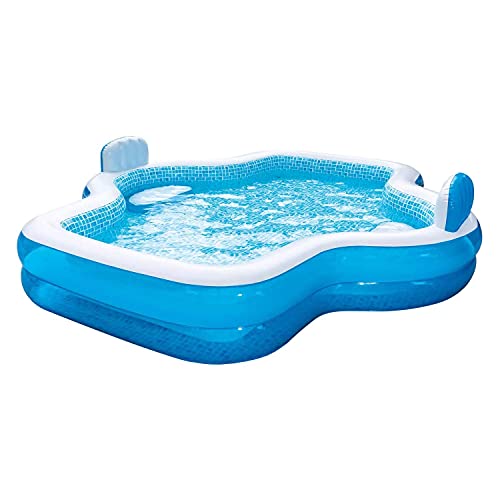
Because the brand name Summer Waves is everywhere in retail stores, many buyers assume wave pool refers to these backyard kits. These pools offer an affordable way to swim in your own yard, with prices ranging from under $100 to around $600 depending on the frame design and diameter.
Quick Set pools are the most budget-friendly option. These round vinyl pools feature an inflatable top ring with no metal poles. A 10-foot round model that stands 30 inches deep holds around 608 gallons of water. You inflate the top ring with air, hook up a garden hose, and the pool rises on its own as the water level climbs. These simple setups cost between $70 and $130, making them ideal for young kids and small yards.
Metal frame pools cost more but deliver much better stability. These models use interlocking steel side poles that lock into place to support a tough three-layer liner made of heavy PVC and polyester mesh. A 12-foot round metal frame pool with a depth of 33 inches holds around 1,600 gallons of water and typically costs between $150 and $250. Larger 14-foot round frame models that stand 36 to 48 inches deep range between $300 and $600.
When you buy a complete metal frame set, the box usually contains essential support hardware. Most packages include a matching entry ladder, a small filter pump, a GFCI plug (a safety plug that cuts power if water hits the wire), and a paper filter cartridge to catch floating debris. If you are shopping for a taller model, keep in mind that the usable water line sits a few inches below the top rail. For a closer look at how water depth works in these setups, check out how deep the water is in a 48-inch pool before picking your size.
Can You Put Real Waves in a Home Swimming Pool?
A true wave pool relies on a wave generator (a machine that pushes water to make rolling waves). In commercial parks, these machines use large air compressors that fill submerged caisson chambers with air. When the air releases suddenly, it displaces thousands of gallons of water, pushing an ocean-like wave across the surface.
You cannot attach a wave machine to a retail above-ground pool. Above-ground vinyl liners and steel legs are designed to handle static, resting water pressure. The rolling kinetic force of repeated waves would bow the metal legs, split the vinyl liner, and flood your yard in a matter of minutes.
Installing a true wave generator in a private in-ground pool is technically possible, but it is financially out of reach for most households. The machinery alone starts around $40,000 and easily climbs past $100,000. On top of the machinery, you must build an engineered concrete basin that slopes gently like a natural beach and includes deep side channels to absorb the backwash. Complete residential wave pool builds regularly exceed $250,000.
If you want moving water at home without spending a fortune, counter-current swim jets are a realistic substitute. These units mount to the wall of an in-ground or sturdy pool and use an electric motor to pump a steady, smooth stream of water toward you. You can swim against the current for exercise or float on a board in front of the jet. A wall-mounted swim current machine generally costs between $1,500 and $8,000 installed. If you want a compact swimming area instead of a giant basin, see how much a cocktail pool costs to install for another manageable backyard option.
Hidden Setup Costs for Above-Ground Pools
If you decide to buy a backyard pool package, the price on the box is rarely the final amount you spend. Setting up a safe swimming area requires site preparation, electrical checks, and water balance supplies that add to your initial budget.
- Ground preparation: Above-ground pools must sit on completely flat ground. If the ground slopes by even two inches, the water weight shifts to one side and can buckle the pool frame. Clearing sod, renting a sod cutter, and spreading level masonry sand can cost between $50 and $200 in materials and tools. Placing solid wood or concrete paver blocks under each frame leg keeps the metal supports from sinking into soft mud.
- Electrical safety: Pool pumps must plug into an outdoor GFCI outlet (a protected ground-fault outlet with a weatherproof cover). You should never use a regular household extension cord to power a pool pump across the lawn. If you do not have an outdoor outlet at least 10 feet back from the pool edge, hiring a licensed electrician to run a dedicated circuit costs between $150 and $400.
- Water supply: Filling a 1,600-gallon pool from a garden hose usually adds $15 to $30 to your municipal water bill. If you rely on a private well, filling a large pool can stress your well pump or run your water supply dry, prompting some homeowners to order a commercial water truck delivery for $200 to $400.
- Sanitation and maintenance supplies: Keeping water clear requires chlorine tablets, a floating chemical dispenser, shock powder, and pH test strips. A starter water care kit costs around $40 to $70. You also need spare filter cartridges (pleated paper tubes that trap dirt) because they must be rinsed with a hose weekly and replaced every few weeks.
- Pool covers: An open pool collects leaves, insects, and pollen within hours. Buying a fitted vinyl cover keeps debris out and traps heat so the water stays warm. To see what different protective barriers cost, check how much pool covers cost by type.
How to Decide: Water Park Trip or Backyard Pool?
Choosing between buying an above-ground pool and taking your family to a commercial wave pool comes down to four practical decisions.
- Evaluate how your family wants to swim: If your children crave 6-foot ocean swells, bodyboarding, and giant slides, an above-ground pool will feel small quickly. If you want a fun place for your kids to cool off after school every sunny afternoon, a backyard pool delivers far more total hours of enjoyment.
- Inspect your yard conditions: Walk your yard with a tape measure. You need a flat circle large enough for the pool diameter plus at least 3 feet of clear walking room on all sides. If your yard has exposed tree roots, steep hills, or rocky dirt, the manual labor needed to level the ground might make a water park day trip the easier choice.
- Compare total first-year budgets: Two family trips to a commercial water park with tickets, parking, and food can easily run $400. That exact same $400 can buy a 12-foot metal frame pool kit, a ground tarp, a starter chemical kit, and replacement filters for a full summer of swimming at home.
- Be honest about daily maintenance: A water park trip ends the moment you walk out the exit gate. A backyard pool requires 15 minutes of chores every single day. You must run the pump, skim leaves off the surface, check chlorine levels, and empty the filter basket. If you do not want to manage pool water chemistry, stick to water park day passes.
Keeping an Above-Ground Pool Clean and Clear
Maintaining an above-ground pool requires different care than taking care of a built-in plaster pool. Above-ground models rely on thin vinyl liners that can tear if scraped with hard metal poles or stiff wire brushes. They also ship with smaller cartridge filter pumps that do not create heavy suction, making it easy for fine dirt and blown windblown dust to settle along the bottom seams.
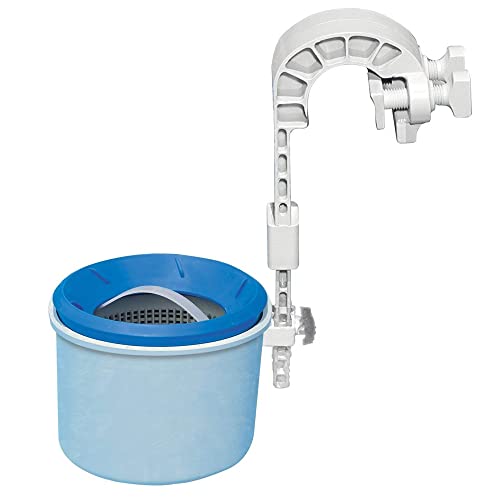
Using a dedicated pool cleaner designed for soft vinyl surfaces keeps dirt from building up without harming your pool liner. A robotic cleaner (a self-powered unit with its own internal debris basket) works independently of your pool pump, which means it will not reduce your pump's water circulation or clog your small paper filter cartridge. Alternatively, a suction-side cleaner attaches to your pool skimmer (a plastic basket that catches floating debris) or a vacuum port, using the pump to pull sand into the filter.
Before selecting a cleaner, check that the unit uses smooth rubber tracks or wide rolling wheels rather than sharp tread patterns that could pinch the vinyl floor. Make sure the cleaning brushes are soft rubber or silicone. Always confirm that the power supply unit or suction hose easily reaches from your outdoor GFCI outlet across the full diameter of the pool without pulling tight. For safety, keep the power control box at least 10 feet back from the pool edge, turn off the pump before unplugging any suction hoses, and never allow anyone to swim while a cleaner or power cord is inside the pool.

- VC Score9.0
BCP Score is a ranking system developed by bestcleanerproducts.com. BCP Score has no relationship or impact from any manufacturers or sales agent websites. Learn more
- BrandAMERICAN LUXURY GIFTS

- VC Score8.8
BCP Score is a ranking system developed by bestcleanerproducts.com. BCP Score has no relationship or impact from any manufacturers or sales agent websites. Learn more
- BrandAMERICAN LUXURY GIFTS

- VC Score8.6
BCP Score is a ranking system developed by bestcleanerproducts.com. BCP Score has no relationship or impact from any manufacturers or sales agent websites. Learn more
- BrandSummer Waves

- VC Score8.6
BCP Score is a ranking system developed by bestcleanerproducts.com. BCP Score has no relationship or impact from any manufacturers or sales agent websites. Learn more
- BrandAirso
- VC Score8.6
BCP Score is a ranking system developed by bestcleanerproducts.com. BCP Score has no relationship or impact from any manufacturers or sales agent websites. Learn more
- BrandIntex

- VC Score8.6
BCP Score is a ranking system developed by bestcleanerproducts.com. BCP Score has no relationship or impact from any manufacturers or sales agent websites. Learn more
- BrandBestway
- VC Score8.4
BCP Score is a ranking system developed by bestcleanerproducts.com. BCP Score has no relationship or impact from any manufacturers or sales agent websites. Learn more
- BrandMembers Mark

- VC Score8.4
BCP Score is a ranking system developed by bestcleanerproducts.com. BCP Score has no relationship or impact from any manufacturers or sales agent websites. Learn more
- BrandEvajoy

- VC Score8.2
BCP Score is a ranking system developed by bestcleanerproducts.com. BCP Score has no relationship or impact from any manufacturers or sales agent websites. Learn more
- BrandSummer Waves

- VC Score8.0
BCP Score is a ranking system developed by bestcleanerproducts.com. BCP Score has no relationship or impact from any manufacturers or sales agent websites. Learn more
- BrandPolyGroup

- VC Score8.2
BCP Score is a ranking system developed by bestcleanerproducts.com. BCP Score has no relationship or impact from any manufacturers or sales agent websites. Learn more
- BrandSummer Waves

- VC Score8.0
BCP Score is a ranking system developed by bestcleanerproducts.com. BCP Score has no relationship or impact from any manufacturers or sales agent websites. Learn more
- BrandSummer Waves

- VC Score7.6
BCP Score is a ranking system developed by bestcleanerproducts.com. BCP Score has no relationship or impact from any manufacturers or sales agent websites. Learn more
- BrandHiboom

- VC Score6.6
BCP Score is a ranking system developed by bestcleanerproducts.com. BCP Score has no relationship or impact from any manufacturers or sales agent websites. Learn more
- BrandFunsicle

- VC Score4.8
BCP Score is a ranking system developed by bestcleanerproducts.com. BCP Score has no relationship or impact from any manufacturers or sales agent websites. Learn more
- BrandBlue Wave
Last update on 2026-10-08 / Affiliate links / Images, Product Titles, and Product Highlights from Amazon Product Advertising API
FAQs
Can you surf in a Summer Waves backyard pool?
No, you cannot surf in a Summer Waves above-ground pool. These pools do not make waves and only hold calm, still water for wading and swimming. The brand name refers to the company that manufactures the vinyl pool sets, not a built-in wave machine.
How long does a vinyl above-ground pool set last?
A metal frame vinyl pool typically lasts between three and five seasons if you take care of it properly. You can extend its life by placing the pool on smooth, level ground, keeping the water chemistry balanced, and packing the liner away in a dry garage during cold winter months.
Do you need a city permit for an above-ground pool?
Many towns and local building departments require a permit for any backyard pool that holds 24 inches of water or more. Local safety laws often require a secure four-foot fence with a self-latching gate around the pool to protect children, so always check with your local municipal office before setting one up.
How much does it cost to run a small pool pump?
Running a small above-ground cartridge filter pump generally costs between $5 and $15 per month on your home electric bill. These small pumps draw relatively low wattage, but they should run for at least 8 to 12 hours every day during warm weather to keep the water properly filtered and clear.


How to Refinish a Fiberglass Pool

How Do You Keep Raccoons Out of Your Pool?

How to Fix Cyanuric Acid in Your Pool

How to Shape a Pool Cue Tip to Stop Miscues

12 Best Automatic Vacuum For Intex Above Ground Pool of 2026 To Keep Vinyl Floors Spotless

10 Best Automatic Pool Vacuum For Above Ground Pool of 2026 To End Manual Scrubbing

How Much Pool Clarifier Should You Use for Your Pool Size?

How Much Does a Pebble Tec Pool Cost to Build or Resurface?


