
How Much Do Pool Covers Cost by Type?

Start by deciding what the cover needs to do before setting a budget. That single choice drives the entire cost, because simple floating sun blankets sit at the low end while weight-bearing safety barriers require a major investment. A basic seasonal tarp only keeps dirt out, but a reinforced shield secured into the patio prevents accidental falls during the cold months.
Pool dimensions and mounting styles create the biggest variations in total spend. A standard above-ground pool uses off-the-shelf fabric held by a simple cable, but custom inground designs demand heavier woven mesh and brass anchors drilled into concrete. Extra hardware like winding reels, water bags, and winter winches also changes the final tally. Getting clear on these categories makes it easy to protect the water without paying for hardware the yard never needs.
Match Your Cover Type to What You Actually Need to Accomplish
Pool cover prices vary widely because different covers solve entirely different problems. A thin sheet that floats on the surface to warm your water on sunny afternoons does not do the same job as a heavy barrier designed to support snow, ice, or the weight of a person. Before you set a budget, identify the exact job you need the cover to handle.
Solar covers, often called bubble blankets, are the most affordable option. They sit directly on the water surface like a layer of bubble wrap, catching sunlight during the day and reducing nighttime heat loss. Small covers for above-ground setups or small splash pools cost around $15 to $40. Larger solar blankets designed for full-sized inground swimming pools generally run from $60 to $150, depending on their total square footage and material grade.
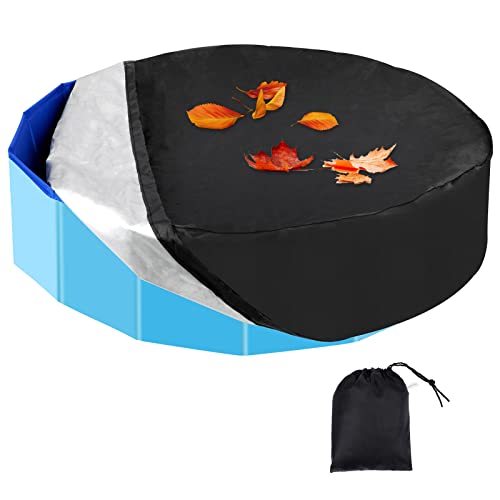
Standard seasonal debris tarps serve a different purpose. These covers shield the pool from falling leaves, airborne dust, and sunlight during months when the pool sits closed. Blocking sunlight prevents algae from feeding on pool chemicals while the pump is off. For round or oval above-ground pools, these basic tarps usually cost between $30 and $100. Inground debris covers made of woven tarp material typically cost between $70 and $250 because they require extra border material to rest securely on the surrounding deck.
Anchored safety covers represent a major step up in both construction and cost. A safety cover is an anchored barrier built to hold weight. Unlike a floating blanket or loose tarp, it uses high-strength mesh or reinforced vinyl pulled drum-tight across the pool by tension springs secured to brass deck anchors. These systems protect children and pets from accidental falls. A safety cover typically costs between $800 and $3,000 for standard pool shapes, with custom shapes running higher.
Automatic motorized covers sit at the top of the price ladder. These systems open and close across built-in tracks mounted along the pool edge at the flip of a switch. While they offer pushbutton convenience and excellent debris protection, motorized assemblies generally cost anywhere from $5,000 to $15,000 or more, especially when factored into major backyard renovations or projects exploring how much a luxury pool costs to build.
Factor in Your Pool Shape and Decking into the Overall Budget
The build of your pool plays a major role in what kind of cover you can use and how much you will pay to secure it. Above-ground pools are generally the simplest and cheapest to cover. Because these pools have a raised outer wall and an external top rail, basic covers can simply drape over the edge with an extra 12 or 13 inches of overhang material. You secure the fabric by threading a wire or rope beneath the outer ledge and tightening it in place. The whole installation requires no special tools or alterations to your yard.
Inground pools require a completely different approach because there is no outer rim to wrap around. A cover must either lie flat on the surrounding deck or lock directly into the pool coping. If you use a basic winter tarp on an inground pool, you cannot just tie it down with rope. You must weigh down the outer perimeter using heavy water bags or sand blocks placed side by side around the entire edge. Buying dozens of water tubes adds to your total bill and takes extra physical labor to fill, position, and drain each season.
If you opt for a secure safety cover on an inground pool, your decking material dictates the installation cost. A contractor or handy homeowner must drill holes into the concrete, stone pavers, or wood deck every few feet to insert flush brass anchors. Drilling into standard concrete is straightforward, but drilling into decorative pavers or natural stone requires specialized anchor tubes to prevent loose stones from shifting under tension.
Pool shape also influences price. Standard rectangular, round, or oval shapes use pre-cut factory covers that keep retail costs low. If your pool features custom curves, built-in rock waterfalls, raised spas, or wide walk-in steps, a standard rectangular sheet will leave gaps or bunch up along the edges. Custom-made covers require professional measurements and factory fabrication, which can double the base price compared to a standard off-the-shelf size.
Never Rely on a Basic Winter Tarp for Child or Pet Safety
One of the most dangerous budgeting mistakes a pool owner can make is treating an inexpensive debris tarp like a safety barrier. A standard winter tarp or solar blanket floats on the surface of the water or sags across the pool opening. If a child or family pet walks onto that surface, the thin material immediately gives way beneath their weight. The loose vinyl can fold over them, creating a dangerous trap beneath accumulated puddles of rainwater.
A true safety cover is engineered specifically to prevent submersion. The material consists of heavy-duty woven mesh or thick reinforced vinyl crisscrossed with high-tensile webbing straps. These straps connect to heavy stainless steel springs that hook directly into brass anchors mounted flush with your deck. When installed correctly, the surface stays tight like a trampoline. If an animal or person steps out onto it, the cover holds their weight completely out of the water.
Mesh safety covers allow rain and melted snow to filter directly down into the pool water while screening out leaves and sticks. This prevents heavy puddles from gathering on top of the cover, eliminating standing water hazards. Solid safety covers block all sunlight and fine silt to keep the water cleaner, but they require a small pump placed on top of the cover to remove rain puddles automatically.
If your backyard has active children, pets, or neighborhood visitors, safety is not an area where you should cut corners. If an anchored safety cover is currently outside your budget, keep your inexpensive seasonal tarp paired with a locking perimeter fence and self-closing gates. Never leave a pool covered only by a floating plastic sheet in an accessible, unfenced yard.
Include the Hidden Hardware and Mounting Gear in Your Total Cost
When planning your pool cover budget, remember that the fabric sheet is rarely the only item you need to buy. Getting the cover onto the pool, keeping it secure against high winds, and taking it off without damaging the material requires practical hardware accessories.
- Solar reels and strap attachment kits: Handling a wet solar blanket by hand is awkward and often causes tears. A manual reel lets one person roll the cover up in seconds. You will need a universal strapping kit with nylon straps and snap-on tabs to connect the blanket to the reel tube.
- Cables, winches, and grommets: Above-ground winter covers rely on reinforced perimeter grommets (reinforced metal eyelet holes) spaced every few feet. You thread a vinyl-coated steel cable through each grommet and use a winch (a hand crank used to tighten perimeter cables) to draw the fabric snug beneath the pool rail. If a cable snaps or you omit the winch, winter wind can easily lift the cover and tear the eyelets.
- Water bags and corner tubes: For inground tarps, water tubes hold the edges down on the concrete deck. Always budget for double-chamber water bags rather than single-chamber tubes. If one side punctures or freezes, the second chamber keeps the cover anchored so it does not slip into the pool.
- Wall hangers and storage brackets: When you pull a solar cover off for an afternoon swim, dumping it directly onto the grass invites dirt, dry leaves, and pet paws that can puncture the bubbles. Sturdy aluminum U-shaped brackets hang over the pool wall, giving you a clean spot to rest your rolled blanket off the ground.
- Cover pumps: Solid tarps and solid safety covers collect rain and melting snow. A single inch of water across a pool cover adds thousands of pounds of downward pressure that can pull walls inward or snap tie-down straps. An electric or manual cover pump drains that water before it causes structural damage. Protecting your pool walls from off-season stress is a vital part of helping your setup last, especially when considering how long above ground pools last under typical backyard conditions.
Balance Material Thickness Against How Often You Plan to Replace It
How much you spend upfront directly controls how many seasons your cover will survive. For thin plastic blankets, durability is measured in mil (a thickness measurement representing a thousandth of an inch). Understanding this measurement helps you choose the right balance between cost and longevity.
Solar bubble blankets generally come in 8-mil, 12-mil, and 16-mil thicknesses. An 8-mil blanket is inexpensive and very lightweight, making it easy to carry and roll. However, harsh ultraviolet rays and normal pool sanitizers break down the thin plastic quickly. Within one or two summers, the bubbles frequently become brittle, crack, and flake off into your filter basket. A thicker 16-mil blanket costs more initially, but it provides noticeably better heat retention, resists tears, and typically lasts three to five seasons with proper care.
Seasonal winter covers use a woven scrim weave to provide strength. Budget tarps use loose weaves that can rip if branches fall on them or heavy snow settles into low spots. Heavy-duty winter tarps feature tightly woven polyethylene fibers treated with UV inhibitors, finished with double-stitched perimeter hems. While they cost roughly twice as much as entry-level sheets, they often carry multi-year limited warranties and resist seasonal tearing much better.
Water chemistry also influences how long your cover lasts. If you leave any cover in place while shocking the pool with high doses of chlorine, the chemical fumes trapped underneath will degrade the plastic quickly. Always remove your cover for at least 24 hours after adding concentrated sanitizers. Maintaining clean, balanced water extends cover life and helps you manage how often to change pool water over the course of the swimming season.
Select Everyday Support Equipment and Sizing Before You Buy
When shopping for practical DIY covers and seasonal maintenance gear, take accurate pool measurements before making a purchase. Measure your pool from the inside waterline for floating solar blankets, and measure to the outer edge of the top rails for above-ground winter tarps. Choosing a cover with an extra foot or two of edge overhang ensures you have enough material to rest on the water surface even when the seasonal water level is lowered for winterizing.
Check the mounting and support accessories included in the package. If you are buying a seasonal debris cover, verify whether it comes with a cable, winch, or rope ties, or if you need to buy those attachment pieces separately. For solar blankets, check if your pool deck has room for a ground reel, or if wall-mounted aluminum brackets are a better fit for your space. Taking time to confirm hardware compatibility ensures you can install and remove your cover smoothly without unnecessary strain.

- VC Score10.0
BCP Score is a ranking system developed by bestcleanerproducts.com. BCP Score has no relationship or impact from any manufacturers or sales agent websites. Learn more
- BrandMucek

- VC Score8.8
BCP Score is a ranking system developed by bestcleanerproducts.com. BCP Score has no relationship or impact from any manufacturers or sales agent websites. Learn more
- BrandIntex

- VC Score8.4
BCP Score is a ranking system developed by bestcleanerproducts.com. BCP Score has no relationship or impact from any manufacturers or sales agent websites. Learn more
- BrandIntex

- VC Score8.4
BCP Score is a ranking system developed by bestcleanerproducts.com. BCP Score has no relationship or impact from any manufacturers or sales agent websites. Learn more
- BrandIntex
- VC Score8.4
BCP Score is a ranking system developed by bestcleanerproducts.com. BCP Score has no relationship or impact from any manufacturers or sales agent websites. Learn more
- BrandRypet

- VC Score8.4
BCP Score is a ranking system developed by bestcleanerproducts.com. BCP Score has no relationship or impact from any manufacturers or sales agent websites. Learn more
- BrandHENMI

- VC Score8.2
BCP Score is a ranking system developed by bestcleanerproducts.com. BCP Score has no relationship or impact from any manufacturers or sales agent websites. Learn more
- BrandIntex

- VC Score8.2
BCP Score is a ranking system developed by bestcleanerproducts.com. BCP Score has no relationship or impact from any manufacturers or sales agent websites. Learn more
- BrandWinter Block

- VC Score8.0
BCP Score is a ranking system developed by bestcleanerproducts.com. BCP Score has no relationship or impact from any manufacturers or sales agent websites. Learn more
- BrandLXKCKJ

Rectangle Pool Cover,Pool Cover for Inflatable Pool,Rectangular Inflatable Swimming Pool
View on Amazon- VC Score7.4
BCP Score is a ranking system developed by bestcleanerproducts.com. BCP Score has no relationship or impact from any manufacturers or sales agent websites. Learn more
- Brandcdbz

- VC Score5.4
BCP Score is a ranking system developed by bestcleanerproducts.com. BCP Score has no relationship or impact from any manufacturers or sales agent websites. Learn more
- BrandZhitaoxun
Last update on 2026-10-08 / Affiliate links / Images, Product Titles, and Product Highlights from Amazon Product Advertising API
FAQs
Why do some pool covers cost under $30 while others cost thousands?
Basic covers under $30 are lightweight plastic sheets or bubble blankets designed solely for keeping out dust or warming water. High-end covers costing thousands are structural safety barriers or motorized systems built with heavy-duty anchors, tension springs, and load-bearing materials. The huge price gap comes down to manufacturing materials, safety ratings, and the hardware required to secure them.
Can a solar bubble blanket double as a winter cover?
No, a solar bubble blanket cannot handle the demands of winter weather. Solar blankets float directly on top of the water and have no anchors, perimeter cables, or structural strength. Freezing temperatures make the thin plastic bubbles brittle, and the weight of snow or ice will quickly submerge and tear the blanket.
How many seasons does a standard above-ground pool cover typically last?
A basic entry-level winter tarp usually lasts between one and three seasons before sun exposure and winter winds cause tears. Thicker commercial-grade covers and high-density woven tarps can last five to eight seasons if you rinse them, dry them, and store them away from rodents during the summer.
Do I need a cover pump if I use a solid winter cover?
Yes, any solid cover that does not allow water to drain through requires a cover pump. Rain and melted snow gather in heavy pools on top of solid vinyl or polyethylene covers. Without a pump to siphon that standing water off, the intense weight can tear the material, pull out deck anchors, or buckle the top rails of an above-ground pool.


How to Refinish a Fiberglass Pool

How Do You Keep Raccoons Out of Your Pool?

How to Fix Cyanuric Acid in Your Pool

How to Shape a Pool Cue Tip to Stop Miscues

12 Best Automatic Vacuum For Intex Above Ground Pool of 2026 To Keep Vinyl Floors Spotless

10 Best Automatic Pool Vacuum For Above Ground Pool of 2026 To End Manual Scrubbing

How Much Pool Clarifier Should You Use for Your Pool Size?

How Much Does a Pebble Tec Pool Cost to Build or Resurface?








