
How Much Does a Pool Chiller Cost to Buy and Install?

Water that feels like a hot bath is completely fixable, so there is no reason to worry about losing your pool to midsummer heat. A dedicated mechanical cooling unit gives you total temperature control but involves a major equipment setup, while simple aerator attachments cool the water gently without a major investment.
The final expense depends heavily on how many gallons of water you have and how cold you want it. Powerful compressor systems need specialized high-voltage wiring, plumbing bypass valves (extra pipes that redirect water flow), and steady electricity to run through the hottest weeks. Simpler evaporative fan coolers and fountain attachments keep setup much lighter. Here is a realistic look at equipment options, hidden setup requirements, and practical alternatives to help you decide.
The Three Main Ways to Cool Pool Water
When summer heat turns your swimming pool into warm bathwater, swimming stops feeling refreshing. Heavy sun exposure can push water temperatures into the nineties, which encourages rapid algae blooms and burns through chlorine in days. Lowering that temperature requires moving heat out of thousands of gallons of water, and equipment pads use three distinct methods to do it.
The most powerful setup is a dedicated mechanical chiller or a reversible heat pump (a pool heater that can run in reverse to cool water). These units function just like a central home air conditioner. Your pool pump pushes warm water through an internal heat exchanger. A compressor pumps refrigerant through coils, absorbing heat from the passing water and releasing that heat into the outdoor air through top exhaust fans. Reversible heat pumps give you full climate control because they can heat water in April and chill it in July, making them a popular dual-purpose upgrade.
The second option is an evaporative cooler (a fan unit that cools water by blowing air across falling water droplets). Instead of heavy refrigeration compressors, these units direct pool water over internal distribution trays while a powerful top fan pulls air upward through the falling droplets. When the water droplets evaporate, they release latent heat before the cooled water returns to your pool. Evaporative chillers work exceptionally well in dry, arid climates like Arizona or Nevada, but they drop fewer degrees in high-humidity regions like Florida or coastal Texas.
The third method is a physical aerator (a nozzle that sprays pool water into the air so heat escapes). This attachment screws directly into your pool return jet (the wall fitting where filtered water flows back into the pool). By shooting tiny plumes of water several feet into the air, the water loses heat to the ambient air through surface evaporation. Running an aerator after sundown allows cooler night breezes to strip heat from your pool before the sun rises.
All three cooling setups rely entirely on your existing circulation system. Water enters through the surface drains, travels through the skimmer baskets, passes through the filter, and then gets routed through the cooling device before heading back into the basin. If you are unfamiliar with how your pool draws water from the top of the pool into the filter, reviewing how a pool skimmer works helps you understand the continuous suction loop required to keep cooling equipment running smoothly.
Equipment and Installation Costs You Can Expect
Putting a cooling system on your equipment pad involves two separate expenses: the price of the equipment itself and the professional labor required to wire and plumb it. A dedicated mechanical chiller or reversible heat pump typically costs between $2,500 and $7,000 or more when you combine equipment purchase prices with licensed contractor labor. Units built for smaller plunge pools or fiberglass basins run on the lower end, while large systems designed for deep concrete or gunite pools demand bigger compressors that command top dollar.
Equipment prices only tell half the story. You cannot simply plug a large mechanical chiller into a normal household wall outlet. These heavy appliances require a dedicated 220-volt or 240-volt electrical circuit wired directly to your main electrical panel or a subpanel at your equipment pad. Hiring a licensed electrician to run electrical conduit, pull heavy-gauge wire, and install an outdoor safety disconnect switch or an outdoor GFCI outlet (a protected ground-fault outlet with a weatherproof cover) generally adds $500 to $1,500 to your total project bill. If your home electrical service panel is already full, upgrading your panel can add even more to that figure.
Plumbing installation adds another layer of expense. A qualified pool professional must cut into your existing PVC return lines to install a three-way bypass valve assembly. A bypass valve allows you to direct filtered water through the chiller during peak summer, but route water around the chiller when the unit is turned off or when you are adding strong sanitizing chemicals. Plumber labor, PVC pipe fittings, check valves, and pressure gauges usually add another $300 to $800 to the total setup cost.
Evaporative fan units cost less upfront than compressor-based refrigeration, usually running between $1,500 and $3,500 before labor. Because they use a fan motor rather than a high-draw compressor, some evaporative models run on standard 110-volt circuits, reducing electrical setup fees. At the bottom of the price scale, return-jet spray aerators cost under $50. You can thread an aerator directly into your return fitting by hand without hiring an electrician or cutting into rigid plumbing.
Monthly Electric Bills and Equipment Pad Requirements
Running a mechanical chiller changes your monthly power bill. A reversible heat pump running its compressor to drop pool water temperature consumes substantial amounts of electricity, similar to running a central air conditioning unit for your house. Depending on your local utility kilowatt-hour rates and pool size, operating a mechanical chiller during hot months can add $50 to $200 or more to your monthly electric bill. In contrast, an evaporative fan cooler draws far less wattage, typically adding only $15 to $40 per month to your electric bill, though you may need to run your main circulation pump longer hours to achieve the drop.
Before ordering any cooling machinery, examine your physical equipment area to make sure your yard can handle the installation. You will need to check several site conditions:
- Pad footprint and vertical clearance: Mechanical chillers and evaporative coolers need a solid, level concrete or composite pad. They require at least two to three feet of open clearance on all sides and four to six feet of open space above so hot discharge air can escape freely.
- Electrical panel capacity: Check your breaker panel for an available two-pole breaker space. Mechanical units require dedicated 30-amp to 50-amp breakers depending on unit tonnage.
- Circulation pump flow rate: Cooling heat exchangers require a minimum water flow rate, often 30 to 45 gallons per minute. Verify that your pool pump has enough horsepower to push water through the unit without starving the return lines.
- Plumbing diameter: Check whether your current plumbing uses 1.5-inch or 2-inch PVC pipe. Adapters can bridge differences, but 2-inch pipe provides smoother flow with less backpressure on your pump.
- Water chemistry and cell compatibility: If you use a salt chlorine generator, verify that the chiller features a titanium heat exchanger to resist salt corrosion. You can check how many PPM of salt a saltwater pool needs to ensure your mineral levels remain within the safe operating parameters listed in your equipment manual.
Safety around your equipment pad is critical. Never attempt to wire a 220-volt pool appliance yourself. High voltage combined with standing water around an equipment pad presents severe shock hazards. Always hire a licensed electrician who can confirm proper grounding and bonding to the pool steel structure.
Budget Return-Jet Attachments and What to Check
If spending thousands of dollars on mechanical chillers is outside your budget, return-line spray attachments offer an affordable alternative. These simple accessories screw directly into the wall return fittings of both in-ground concrete, vinyl liner, and above-ground pools. By routing pressurized water into the air, they create an evaporative mist that can knock between 4 and 10 degrees off your pool water when run overnight.
When selecting a cooling attachment, check the connection size on your pool wall. Most in-ground pools use standard 1.5-inch threaded eyeball fittings, while some above-ground systems feature 1.25-inch slip or proprietary threaded connections. Look for attachments that come with multi-size adapters so you do not struggle with leaks or loose fits. You also want an attachment with an adjustable water volume valve so you can balance the spray height against your pool pump power, preventing water from splashing out onto the deck.
Keep in mind that spraying pool water into the open air accelerates water loss and causes pool water pH to rise naturally through aeration. Using pool water clarifiers alongside your filtration routine helps gather microscopic debris and dust that settling spray drops collect from the air. Before swimming, unscrew the spray assembly or pivot it below the waterline so swimmers do not bump into rigid plastic pipes protruding from the pool wall.

- VC Score9.2
BCP Score is a ranking system developed by bestcleanerproducts.com. BCP Score has no relationship or impact from any manufacturers or sales agent websites. Learn more
- BrandGLB

- VC Score9.2
BCP Score is a ranking system developed by bestcleanerproducts.com. BCP Score has no relationship or impact from any manufacturers or sales agent websites. Learn more
- BrandEcoPlus

- VC Score8.6
BCP Score is a ranking system developed by bestcleanerproducts.com. BCP Score has no relationship or impact from any manufacturers or sales agent websites. Learn more
- BrandPOOLHACKER
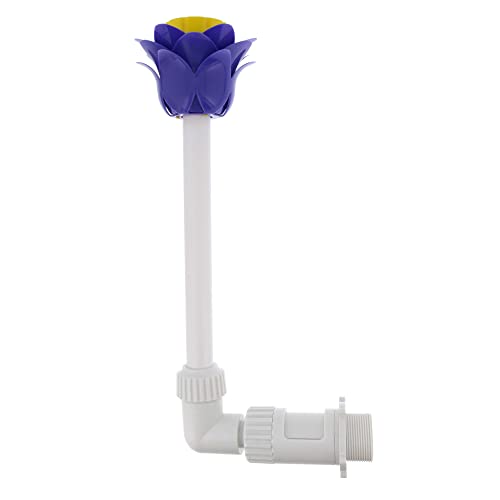
- VC Score8.6
BCP Score is a ranking system developed by bestcleanerproducts.com. BCP Score has no relationship or impact from any manufacturers or sales agent websites. Learn more
- BrandU.S. Pool Supply
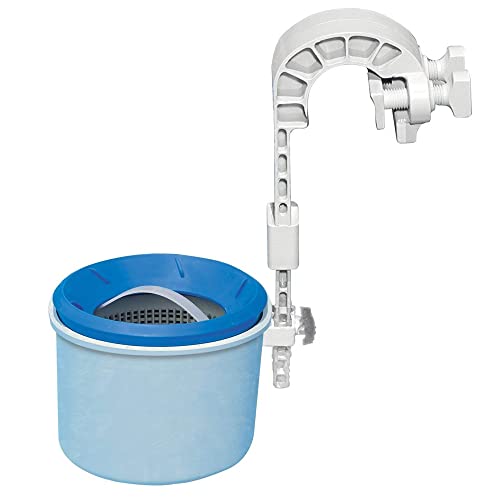
- VC Score8.6
BCP Score is a ranking system developed by bestcleanerproducts.com. BCP Score has no relationship or impact from any manufacturers or sales agent websites. Learn more
- BrandIntex

- VC Score8.2
BCP Score is a ranking system developed by bestcleanerproducts.com. BCP Score has no relationship or impact from any manufacturers or sales agent websites. Learn more
- Brandmistcooling

- VC Score8.0
BCP Score is a ranking system developed by bestcleanerproducts.com. BCP Score has no relationship or impact from any manufacturers or sales agent websites. Learn more
- BrandCloudray

- VC Score7.6
BCP Score is a ranking system developed by bestcleanerproducts.com. BCP Score has no relationship or impact from any manufacturers or sales agent websites. Learn more
- BrandMP mypole

- VC Score7.6
BCP Score is a ranking system developed by bestcleanerproducts.com. BCP Score has no relationship or impact from any manufacturers or sales agent websites. Learn more
- BrandKBD

- VC Score7.6
BCP Score is a ranking system developed by bestcleanerproducts.com. BCP Score has no relationship or impact from any manufacturers or sales agent websites. Learn more
- BrandVULNESS

- VC Score7.4
BCP Score is a ranking system developed by bestcleanerproducts.com. BCP Score has no relationship or impact from any manufacturers or sales agent websites. Learn more
- BrandPoolmaster

Klleyna Water-Fountain Swimming-Pool Sprinkle Accessories - Waterfall Above In-ground Pool,
View on Amazon- VC Score7.2
BCP Score is a ranking system developed by bestcleanerproducts.com. BCP Score has no relationship or impact from any manufacturers or sales agent websites. Learn more
- Brandklleyna
Last update on 2026-10-08 / Affiliate links / Images, Product Titles, and Product Highlights from Amazon Product Advertising API
FAQs
How many degrees can a pool chiller drop the water?
A properly sized mechanical chiller or reversible heat pump can drop pool water temperatures by 10 to 15 degrees, keeping water at a set target like 82 degrees even in triple-digit afternoon heat. Evaporative fan coolers and nighttime return spray aerators typically drop temperatures by 4 to 8 degrees, depending on daytime humidity levels and evening air temperatures.
Can a standard pool heat pump also cool pool water?
Only reversible heat pumps that include a reversing valve can cool pool water. Standard heat pumps only move heat in one direction, pulling warmth from the ambient air and pushing it into the pool. If your heat pump does not have a dedicated cool mode or chill setting on its digital control panel, it cannot lower your water temperature.
Do pool chillers run during the day or at night?
Mechanical chillers can run during the hottest part of the day because their internal refrigeration coils actively pull heat out of the water regardless of sun exposure. In contrast, evaporative spray fountains and fan coolers work best when run overnight, because low nighttime air temperatures and breezes maximize evaporative cooling without the sun beating down on the spraying water.


How to Refinish a Fiberglass Pool

How Do You Keep Raccoons Out of Your Pool?

How to Fix Cyanuric Acid in Your Pool

How to Shape a Pool Cue Tip to Stop Miscues

12 Best Automatic Vacuum For Intex Above Ground Pool of 2026 To Keep Vinyl Floors Spotless

10 Best Automatic Pool Vacuum For Above Ground Pool of 2026 To End Manual Scrubbing

How Much Pool Clarifier Should You Use for Your Pool Size?

How Much Does a Pebble Tec Pool Cost to Build or Resurface?


