
How Much Does a Pool Table Cost in 2026?

A metal tape measure snaps against the baseboard while someone paces across a spare room, checking if a cue stick can swing freely. The overall cost swings from inexpensive portable boards designed for quick family fun to serious slate showpieces built to last generations. A light tabletop design barely dents a weekend budget, but a full-sized centerpiece transforms into a true furniture purchase.
Several key choices shift that final bill. The playing bed matters most, where lightweight engineered wood saves money while thick stone rock slabs push costs higher but roll true. Sturdy hardwood legs and folding steel frames also separate budget buys from heirloom tables. Extra accessories play a part too, since starter packs with cues and balls save you from shopping twice. Here is how each style stacks up so you can plan the right setup for your home.
Understanding Pool Table Price Tiers from Tabletop Sets to Parlor Builds
Pool tables fall into distinct price brackets based on how they are built, what they are made of, and how much space they require. Knowing what each bracket offers keeps you from overspending on features you do not need, or buying an unsteady table that sags within a few months. When budgeting for family recreation, people sometimes weigh home additions against large outdoor projects like how much a pool costs in Texas, but setting up a game room is far simpler once you understand the four main table tiers.
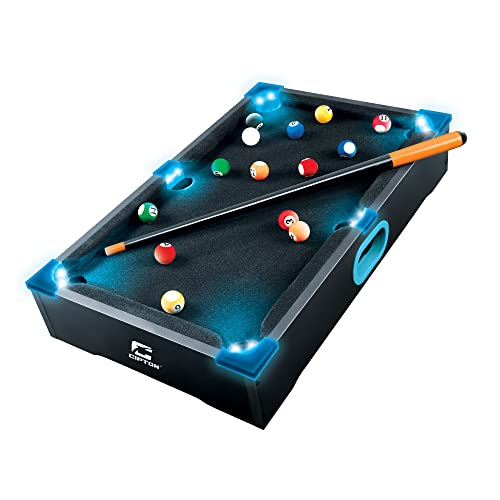
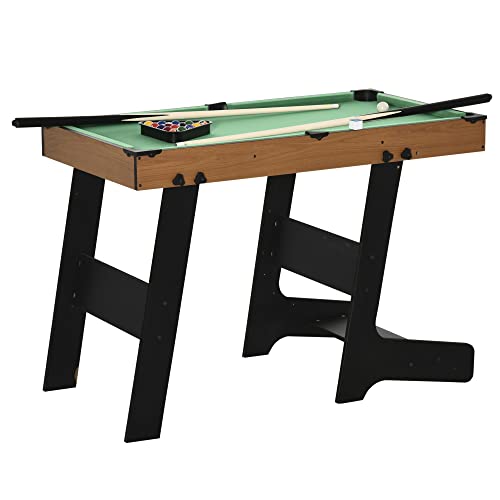
The entry tier consists of tabletop and mini models. These compact units usually measure between 36 inches and 48 inches long and cost between $35 and $100. They rest directly on an existing dining table or come with short, detachable legs. Makers construct these games from lightweight engineered wood board (composite wood made from pressed wood fibers). They weigh between 20 and 30 pounds, making them simple to slide under a bed or tuck into a closet. While tabletop games lack the bounce and roll of full-size billiards, they give young children and apartment renters an easy way to play without claiming permanent floor space.
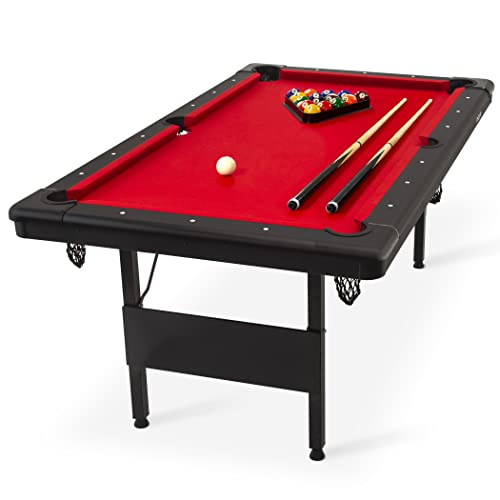
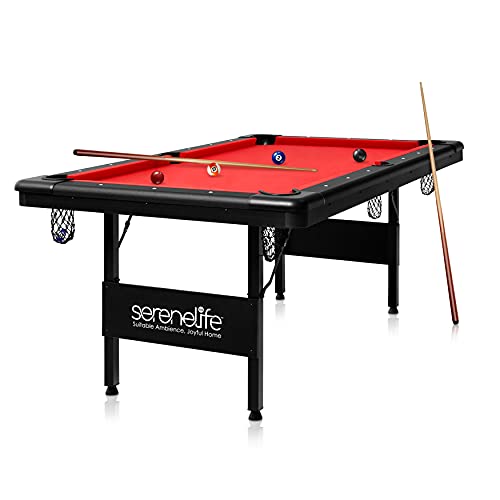
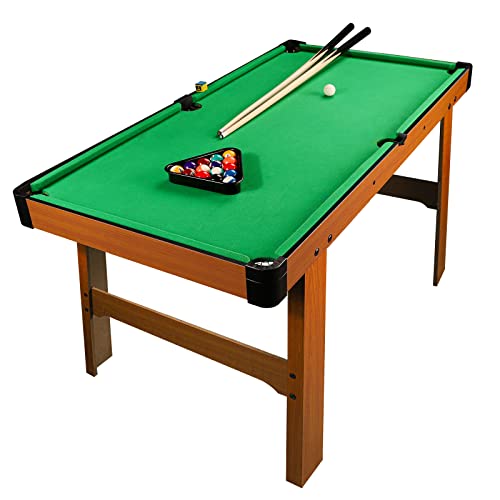
The mid-tier bracket covers compact, folding, and portable tables ranging from 55 inches up to 6 or 7 feet. These tables generally cost between $150 and $500. They feature steel folding legs or lightweight wooden bases, allowing you to fold the entire frame flat against a wall when the game is over. Tables in this group weigh anywhere from 40 to 120 pounds. They offer enough playing area for teenagers and adults to enjoy casual matches, but the light frames mean you cannot lean heavily on the rails during a shot.
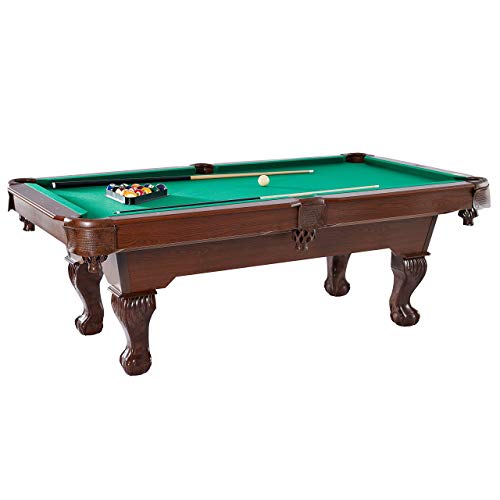
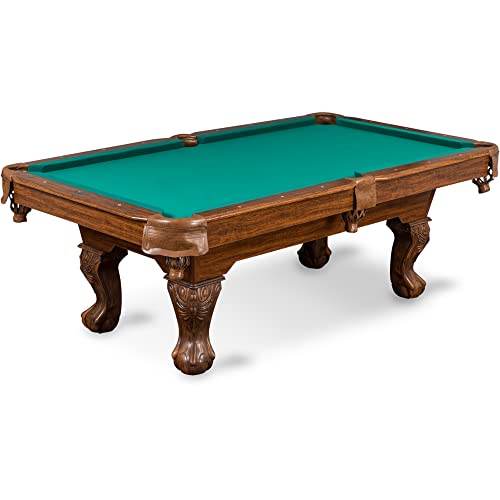
The stationary home tier includes full-size furniture tables built from solid wood, laminated boards, and decorative trim. These tables usually measure 7 to 8 feet in length and run between $600 and $1,200. They feature traditional claw legs or sturdy box pedestals, drop pockets to catch sunk balls, and thicker playing surfaces. Weighing between 180 and 260 pounds, these tables stay firmly in place when you line up a shot. They look like permanent furniture, making them ideal for dedicated game rooms and finished basements.
The premium bracket covers genuine slate parlor tables, which start around $1,500 and can easily reach $5,000 or more. These tables rely on thick slabs of quarried stone beneath the cloth. They weigh anywhere from 600 to 1,000 pounds and require specialized delivery teams to assemble. Serious players invest in this tier because the heavy stone surface stays flat forever, providing professional ball roll that never bends or sags.
Playing Surfaces: Engineered Wood Versus Heavy Rock Slate
The playfield (the cloth game surface where the balls roll) is the single most important part of any pool table. It determines how straight the balls travel, how long the table lasts, and how much money you have to spend. Almost every budget decision comes down to choosing between an engineered wood core and a solid stone base.
Most tables under $1,000 use an engineered wood board, often labeled as MDF. This material consists of wood fibers bonded with adhesive under heat and pressure. The main advantage of engineered wood is weight and affordability. An 87-inch table built with a wood surface weighs under 200 pounds, making it possible for two adults to carry it down basement stairs. The surface arrives flat and plays smoothly when new.
Engineered wood has real vulnerabilities that buyers need to keep in mind. Wood fibers absorb moisture from humid air, especially in unheated garages or damp basements. Over time, that humidity causes the board to swell unevenly. Heavy leaning by players can also cause the center of the table to dip. When an engineered board sags even a tiny fraction of an inch, balls slowly drift toward the middle of the table instead of rolling true. If you buy a wood table, keeping it in a climate-controlled room prevents early warping.
Slate (heavy flat rock slabs quarried from the earth and ground smooth) represents the gold standard for pool play. Slate is completely unaffected by humidity, changes in room temperature, or players leaning against the rails. The rock surface stays level for decades. The downside is extreme weight and price. A slate playfield is usually split into three heavy slabs that require skilled installers to seam together with hot wax and level with precision shims. For casual family fun, engineered wood delivers plenty of excitement at a fraction of the cost, while slate remains the choice for lifelong durability.
The cushions (the rubber bounce bumpers lining the inside edges of the table) also affect play. Inexpensive tables use synthetic rubber bumpers that provide a softer, quieter bounce. Higher-tier models use molded natural rubber that rebounds balls sharply across the table. Pair this with the cloth cover, which ranges from simple nylon felt on casual tables to tightly woven wool blends on parlor models. Nylon felt is fuzzy and slows down the balls, which actually helps beginners control their shots, while smooth wool cloth creates high-speed rolls favored by experienced players.
Room Dimensions and Cue Clearance You Need to Measure First
The most common regret among new pool table owners is buying a table that fits the room on paper, but leaves no room to swing a stick. A room might easily fit an 87-inch table, but if a player hits the drywall with their cue stick every time the ball sits near the rail, games become frustrating very quickly.
Standard billiard cues measure 57 to 58 inches long. When a cue ball rests right against the cushion bumper, the player needs the full length of the stick behind the rail, plus another 6 inches of stroke space to draw back and strike. That means you must have at least 5 feet (60 inches) of open clearance on all four sides of the table. If you want a 7-foot table that measures 76 inches long and 43 inches wide, your room needs to be at least 16 feet long and 13 feet wide of usable, open space.
Much like calculating home project expenses or planning how much it costs to fill a pool, getting the physical measurements right early saves you from expensive surprises later. Use this practical room checklist before purchasing any table:
- Measure clear floor dimensions from baseboard to baseboard, ignoring closets or alcoves.
- Subtract any floor space taken up by couches, bars, book shelves, or television stands.
- Check for basement support poles, pillars, or low ceiling beams within your 5-foot shooting zone.
- Verify overhead clearance below hanging lights or ceiling fans to prevent cue sticks from striking fixtures on follow-through.
- Account for door swings and hallway entries to make sure players do not block normal foot traffic.
- Measure stairwells, doorway widths, and tight turns along your home entry path to confirm the shipping box will fit inside.
If your room falls just short of the 5-foot boundary, you do not necessarily have to abandon the idea of a pool table. Many homeowners keep one or two short cues (often 36 or 48 inches long) near the table specifically for tight corner shots near a wall or post. Another smart alternative is choosing a mid-size 6-foot table or a folding model that can be pulled toward the center of the room during game night and pushed aside afterward.
Hidden Setup Costs: Accessories, Delivery, and Structural Weight
The sticker price on a pool table is rarely the final cost of getting your first game underway. Looking closely at the product details helps you identify which extras are already in the box and which ones you will need to buy out of pocket.
Many entry-level and folding tables ship as complete kits. These sets include 16 balls, two cue sticks, a triangle rack, chalk cubes, and a soft felt brush to clean off chalk dust. Some even include specialty features like glow-in-the-dark rails or built-in pocket lights that run on basic AA batteries. Other full-size wooden tables ship bare, meaning you receive only the table frame and cloth. If you buy a bare table, you must budget an extra $50 to $150 for a dependable ball set, two straight cues, and a rack before anyone can play.
Delivery logistics also create unexpected expenses depending on the table design. Lightweight tabletop sets and folding models weighing under 50 pounds usually arrive via standard package delivery right to your front porch. Mid-size models weighing 120 to 260 pounds ship by freight truck on wooden pallets. Most freight companies only offer curbside delivery, meaning the driver drops the crate at the end of your driveway. You will need at least two capable adults or moving straps to carry the heavy box inside your house.
Assembly varies widely across table styles. Folding models come mostly assembled, requiring you only to unfold the steel legs and tighten locking pins. Standard furniture tables arrive with the playfield pre-covered in cloth, but require you to bolt together the leg frame, attach the side aprons, and install the drop pockets. This process takes two to three hours with basic hand tools. True slate tables, by comparison, almost always require hiring professional billiard mechanics, which adds several hundred dollars for freight handling, slate leveling, and felt stretching.
Finally, inspect the leg levelers (the screw-in balancing feet located at the bottom of each table leg). Residential floors are rarely perfectly flat, especially in garages, tiled basements, or rooms with thick carpet. A quality table includes adjustable feet that rotate up or down. Placing a standard carpenter level on the center and rails of the cloth allows you to adjust each foot until the bubble rests dead center. Without levelers, balls will constantly drift toward the low corner of the room, turning every shot into an unfair challenge.
What to Look for in a Casual Home Billiard Table
If your goal is family entertainment without spending thousands of dollars or hiring professional movers, a portable, folding, or entry-level wood table is the most practical choice. These models bring the fun of pool into ordinary living rooms and basements while keeping the upfront investment manageable.
Before purchasing an entry-level table, verify that the frame construction matches who will be using it. For younger children, smaller tabletop surfaces built with sturdy composite boards provide hours of fun without dominating your space. If teenagers and adults plan to play regular matches, look for free-standing tables that measure at least 5 to 6 feet long. Check that the legs feature cross-braces or locking steel hinges so the table does not wobble from side to side when someone banks a ball.
Always verify the accessory list on the box or product page. Choosing a model that bundles full-size balls, two straight cues, chalk, and a brush saves you time and prevents extra trips to sporting goods stores. Finally, make sure the table includes threaded leg levelers so you can compensate for uneven flooring without slipping cardboard under the legs. A stable, level table with a clean cloth surface gives you everything needed for great game nights at home.

- VC Score9.0
BCP Score is a ranking system developed by bestcleanerproducts.com. BCP Score has no relationship or impact from any manufacturers or sales agent websites. Learn more
- BrandAMERICAN LUXURY GIFTS

- VC Score9.2
BCP Score is a ranking system developed by bestcleanerproducts.com. BCP Score has no relationship or impact from any manufacturers or sales agent websites. Learn more
- BrandJODELA
- VC Score9.0
BCP Score is a ranking system developed by bestcleanerproducts.com. BCP Score has no relationship or impact from any manufacturers or sales agent websites. Learn more
- BrandCipton

- VC Score8.8
BCP Score is a ranking system developed by bestcleanerproducts.com. BCP Score has no relationship or impact from any manufacturers or sales agent websites. Learn more
- BrandAMERICAN LUXURY GIFTS

- VC Score8.6
BCP Score is a ranking system developed by bestcleanerproducts.com. BCP Score has no relationship or impact from any manufacturers or sales agent websites. Learn more
- BrandRayChee
- VC Score8.6
BCP Score is a ranking system developed by bestcleanerproducts.com. BCP Score has no relationship or impact from any manufacturers or sales agent websites. Learn more
- BrandGoSports
- VC Score8.4
BCP Score is a ranking system developed by bestcleanerproducts.com. BCP Score has no relationship or impact from any manufacturers or sales agent websites. Learn more
- BrandSoozier
- VC Score8.6
BCP Score is a ranking system developed by bestcleanerproducts.com. BCP Score has no relationship or impact from any manufacturers or sales agent websites. Learn more
- BrandSereneLife

- VC Score8.2
BCP Score is a ranking system developed by bestcleanerproducts.com. BCP Score has no relationship or impact from any manufacturers or sales agent websites. Learn more
- BrandMizerak

- VC Score8.6
BCP Score is a ranking system developed by bestcleanerproducts.com. BCP Score has no relationship or impact from any manufacturers or sales agent websites. Learn more
- BrandRACK
- VC Score7.8
BCP Score is a ranking system developed by bestcleanerproducts.com. BCP Score has no relationship or impact from any manufacturers or sales agent websites. Learn more
- BrandBarrington Billiards
- VC Score7.8
BCP Score is a ranking system developed by bestcleanerproducts.com. BCP Score has no relationship or impact from any manufacturers or sales agent websites. Learn more
- BrandEastPoint Sports
- VC Score7.6
BCP Score is a ranking system developed by bestcleanerproducts.com. BCP Score has no relationship or impact from any manufacturers or sales agent websites. Learn more
- BrandBBnote
Last update on 2026-10-08 / Affiliate links / Images, Product Titles, and Product Highlights from Amazon Product Advertising API
FAQs
Can an engineered wood pool table be leveled if my floor is uneven?
Yes, most modern wood tables feature threaded leg levelers on the bottom of each foot that twist to raise or lower individual corners. You place a basic level on the playing cloth and turn the feet until the table sits completely flat. If a budget table lacks adjustable feet, you can place thin rubber furniture pads under the low legs to achieve a flat surface.
How long can I expect a non-slate pool table to last in a home?
A non-slate pool table made from engineered wood generally lasts between five and ten years when kept in a dry, temperature-controlled room. Keeping the table away from humid basements, unheated garages, and direct sunlight prevents the wood core from warping. Avoiding excessive leaning on the rails and keeping food and drinks off the cloth will also extend its playing life.
Are folding pool tables sturdy enough for adult play?
Folding pool tables are sturdy enough for recreational games among adults as long as players do not sit, lean, or place heavy body weight on the side rails. The steel leg hinges and lock bars keep the frame steady during standard ball impacts and cue shots. For rowdy game rooms or competitive tournament practice, a heavier stationary wood or slate table provides greater stability.


How to Refinish a Fiberglass Pool

How Do You Keep Raccoons Out of Your Pool?

How to Fix Cyanuric Acid in Your Pool

How to Shape a Pool Cue Tip to Stop Miscues

12 Best Automatic Vacuum For Intex Above Ground Pool of 2026 To Keep Vinyl Floors Spotless

10 Best Automatic Pool Vacuum For Above Ground Pool of 2026 To End Manual Scrubbing

How Much Pool Clarifier Should You Use for Your Pool Size?

How Much Does a Pebble Tec Pool Cost to Build or Resurface?








