
How Do Gas Pool Heaters Work?

Gas pool heaters work by burning fuel to warm metal tubes, heating pool water as it flows through the cabinet on its way back to the pool. That heating cycle only begins if the pump pushes enough water through the system to keep the metal from overheating. Inside the box, gas burners light up automatically, warming the pipes so the passing water absorbs heat quickly without ever touching an open flame.
Daily operation depends on a few specific conditions in your yard. Homes running piped natural gas get fuel on demand, while pools using propane pull from a dedicated outdoor tank. The unit also requires steady water flow and balanced water chemistry, because internal safety switches will immediately cut off the flame if water pressure drops. Here is how each part works behind the scenes to keep the system running smoothly.
The Water Path: How Water Flows from the Pump to Your Pool
A gas pool heater cannot do its job alone. It relies on your pool pump to push water through its heating loop at a steady pace. The journey begins out in your pool, where suction draws surface water through the skimmer and bottom water through the main drains. From there, the water travels through underground pipes directly to your equipment pad.
Before that water ever reaches the heater, it must pass through your pool filter. This sequence is critical. Unfiltered water carries sand, hair, pine needles, and small pebbles that could quickly clog the heater's narrow internal plumbing. If you have a sand filter, knowing how to clean pool filter sand keeps dirt from slipping past the tank and into the heater tubes. Only clean, filtered water should enter the heater cabinet.
Once through the filter, water enters the heater through the inlet port at the bottom of the cabinet. Inside, the water enters a heavy manifold, which acts as a distribution header. This manifold splits the incoming stream into smaller channels that feed into the heat exchanger (metal tubes that transfer heat to passing water). As the water rushes through these hot tubes, it absorbs heat within seconds.
After leaving the tubes, the water collects in the outlet side of the manifold and flows out of the heater. From the heater exit, the water passes through any sanitation systems you have, such as a salt cell or chemical tablet feeder, before traveling back underground. Finally, the heated water emerges through the return jets in your pool walls, mixing with the cooler pool water and slowly raising the overall temperature.
Inside the Cabinet: Burners, Igniter, and the Heat Exchanger
Opening the service door of a gas pool heater reveals a system built to generate intense, controlled heat and transfer it quickly into moving water. The entire process starts with a call for heat from the thermostat. When the pool water temperature drops below your target setting, the digital control board begins an automated firing sequence.
First, an internal blower fan turns on to purge any leftover fumes from the combustion chamber (the enclosed fire box where gas burns). Once the chamber is clear of trapped air, the electronic ignition begins. Older pool heaters used a standing pilot light with a small flame burning around the clock. Modern heaters use an igniter (an electric starter that lights the gas flame). This igniter uses electrical resistance to glow bright orange, or it creates a rapid electrical spark right above the burner tray.
As soon as the igniter reaches the required temperature, the electronic gas valve clicks open. Natural gas or propane flows through a distribution pipe into a row of gas burners located beneath the fire box. When the gas hits the glowing igniter, it lights instantly, producing rows of clean blue flames across the entire burner rack.
Directly above these burners sits the heat exchanger. This assembly consists of finned copper or cupro-nickel tubes designed to maximize surface contact. As hot exhaust gases from the burners rise, they pass over the exterior metal fins. These fins capture the thermal energy and conduct it through the tube walls. The pool water traveling through the inside of the tubes absorbs that energy without ever contacting the open flame. After transferring its heat to the water, the cooled exhaust gas flows upward and exits safely out the top exhaust vent.
Heating power is rated in BTU (a measure of heating power, short for British Thermal Unit). One BTU is the amount of energy required to raise the temperature of one pound of water by one degree Fahrenheit. Pool heaters typically range from 125,000 BTU for small pools or hot tubs up to 400,000 BTU for large residential pools. A higher BTU rating means the heater burns more gas per hour and transfers heat to your water at a faster pace.
Automatic Safety Checks: How Built-In Sensors Protect Your Equipment
Gas appliances require precise safety mechanisms to prevent overheating, gas leaks, and fire damage. Modern gas heaters use a chain of built-in switches that must close in a specific order before the burners can fire. If even one switch detects an abnormal condition, the control board halts the process and shuts off the gas supply immediately.
- The water pressure switch: This water flow safety sensor measures hydraulic pressure inside the manifold. If your pool pump is off, or if a dirty filter restricts water movement, the switch remains open and prevents the burners from lighting.
- High-limit switches: Two independent heat sensors monitor the water temperature inside the heat exchanger. If the water temperature rises above safe operating limits, these switches trip instantly to prevent boiling water and steam damage.
- The flame rollout switch: Positioned near the burner opening, this heat sensor detects if flames are spilling outward instead of drawing upward into the fire box. It immediately cuts power to the gas valve if heat escapes the front of the cabinet.
- The flame sensor rod: A metal probe sits directly in the burner flame. It uses electrical current to confirm that the gas actually ignited. If no flame is confirmed within a few seconds, the gas valve snaps shut to prevent raw gas from collecting inside the cabinet.
- The vent limit switch: Located near the exhaust opening, this sensor tracks exhaust gas temperatures. If poor ventilation, soot buildup, or a blocked flue causes exhaust heat to back up, the switch cuts off operation to protect the internal wiring.
Natural Gas vs. Propane: How Fuel Supply Changes the Setup
Gas pool heaters operate on either natural gas or liquid propane. While both fuels produce clean, hot flames inside the combustion chamber, their fuel storage, operating pressure, and equipment requirements differ significantly.
Natural gas is delivered directly through an underground utility line connected to your home. It provides an endless fuel supply, meaning you never have to schedule fuel deliveries or monitor a tank gauge. But natural gas lines must be sized properly to handle high demand. A standard 250,000 or 400,000 BTU pool heater consumes far more gas per hour than a standard household water heater or furnace. If the pipe running from your gas meter to your pool pad is too narrow, the heater will starve for fuel and display error codes.
Propane, on the other hand, is stored on-site in a large outdoor tank. It is an excellent choice for rural properties or backyards without access to municipal gas lines. Propane delivers more heating energy per cubic foot than natural gas, allowing it to heat water efficiently. But you must pay close attention to your tank levels. Running out of propane on a chilly evening can cause the heater to shut down abruptly. Also, liquid propane systems require a dedicated gas pressure regulator on the supply line to lower tank pressure before it enters the heater valve.
You cannot run a natural gas heater on propane, or vice versa, without replacing internal burner jets and gas valve components. The orifices (the tiny brass nozzles that inject gas into the burners) are much smaller for propane because propane operates under higher pressure and contains more energy. If you are buying a home with an existing pool heater and want to confirm the fuel line meets safety codes, looking into how much a pool inspection costs will help you verify that the gas line and heater are properly matched.
Daily Startup Habits: Step-by-Step Guide to Firing Up Your Heater Safely
Operating a gas pool heater safely requires consistent habits. Following a clear startup sequence protects the heat exchanger from chemical corrosion and ensures proper water pressure before combustion begins.
- Test and balance your pool water chemistry: Use a test kit to verify that your pH sits between 7.4 and 7.6 and total alkalinity remains in the ideal range. Acidic water strips copper from the heat exchanger tubes, while high pH causes mineral scale that insulates the tubes and causes them to crack from trapped heat. Also check how long chlorine lasts in a pool so your sanitizer levels remain stable without overdosing near the heater inlet.
- Clear your skimmer baskets and pump strainer basket: Remove all trapped leaves, pine needles, and yard waste before starting the equipment. Clean baskets allow full water volume to reach the pump impeller, preventing the sudden flow drops that trigger safety shutoffs.
- Turn on the pool circulation pump and purge trapped air: Start the pump on medium or high speed and open the manual relief valve on your filter tank until a steady stream of water shoots out. The heater requires uninterrupted water pressure to trigger its internal flow switch, and trapped air pockets can cause hot spots on the heating tubes.
- Inspect the heater cabinet and exhaust vent for obstructions: Walk over to the heater pad and look at the louvered side panels and top vent. Clear away leaves, spider webs, and rodent nesting materials, which create severe fire hazards and starve the burners of fresh oxygen.
- Open the manual gas shutoff valve on the supply line: Rotate the gas cock on your incoming pipe until the handle runs parallel to the pipe. This supplies full fuel pressure to the heater's internal electronic gas valve so the burners ignite smoothly without sputtering.
- Set your desired temperature on the heater control panel: Press the power button, select pool or spa mode, and adjust the thermostat to your target water temperature. The control board will run through its internal safety checks and activate the electric igniter automatically.
- Stay near the heater during the first sixty seconds of combustion: Watch the display panel and listen to the cabinet as the burners light. You should hear the soft click of the gas valve followed by a steady, quiet roar of flame; any loud banging, whistling, or flashing error codes means you should turn the unit off and inspect the setup.
- Check the water return jets in your pool: Place your hand in front of a return jet inside the pool after three to five minutes of runtime. The returning water should feel distinctly warmer than the surrounding pool, confirming that heat is transferring properly into the water stream.
Choosing the Right Pool Cleaners and Gear to Protect Your Heater
Keeping pool water free of fine grit and organic waste is one of the easiest ways to protect your heating equipment. When dirt, dead algae, and leaves accumulate on the pool floor, they get sucked into the plumbing. If your filter is older or cartridge elements have small tears, debris can slip through and lodge inside the heater manifold or narrow heat exchanger tubes, reducing water flow and causing hot spots.
Investing in reliable pool cleaners prevents this problem by capturing debris before it ever reaches the pump strainer or filter tank. A robotic cleaner scrubs the floor, walls, and waterline while trapping fine particles in its own internal filter basket. If you use a suction-side cleaner or pressure-side cleaner, check that your plumbing valves are adjusted so the cleaner does not starve the circulation pump of water. Always verify that your cleaner matches your specific pool surface, whether you have a vinyl liner, concrete, fiberglass, or pebble aggregate finish, so your water stays clean and your heating system receives steady, unrestricted flow.

- VC Score9.6
BCP Score is a ranking system developed by bestcleanerproducts.com. BCP Score has no relationship or impact from any manufacturers or sales agent websites. Learn more
- BrandTechecook

- VC Score9.4
BCP Score is a ranking system developed by bestcleanerproducts.com. BCP Score has no relationship or impact from any manufacturers or sales agent websites. Learn more
- BrandIn The Swim
- VC Score9.2
BCP Score is a ranking system developed by bestcleanerproducts.com. BCP Score has no relationship or impact from any manufacturers or sales agent websites. Learn more
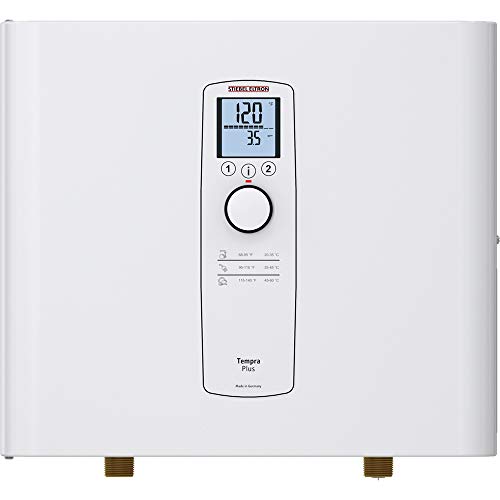
- BrandStiebel Eltron

- VC Score9.0
BCP Score is a ranking system developed by bestcleanerproducts.com. BCP Score has no relationship or impact from any manufacturers or sales agent websites. Learn more
- BrandMAXITROL

- VC Score8.8
BCP Score is a ranking system developed by bestcleanerproducts.com. BCP Score has no relationship or impact from any manufacturers or sales agent websites. Learn more
- BrandIMPRESA

- VC Score8.8
BCP Score is a ranking system developed by bestcleanerproducts.com. BCP Score has no relationship or impact from any manufacturers or sales agent websites. Learn more
- BrandMCAMPAS

- VC Score8.6
BCP Score is a ranking system developed by bestcleanerproducts.com. BCP Score has no relationship or impact from any manufacturers or sales agent websites. Learn more
- BrandThisWorks

- VC Score8.4
BCP Score is a ranking system developed by bestcleanerproducts.com. BCP Score has no relationship or impact from any manufacturers or sales agent websites. Learn more
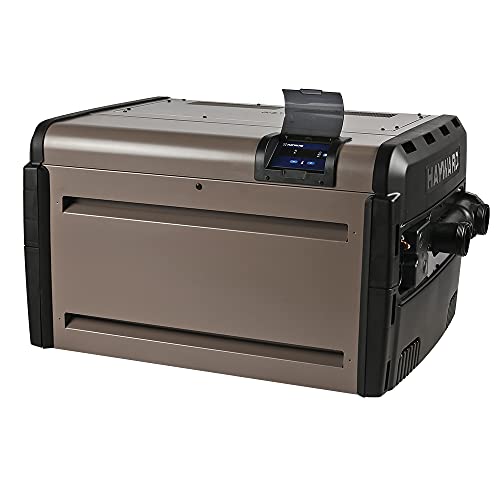
- BrandHayward
- VC Score8.0
BCP Score is a ranking system developed by bestcleanerproducts.com. BCP Score has no relationship or impact from any manufacturers or sales agent websites. Learn more
- BrandHayward

- VC Score7.8
BCP Score is a ranking system developed by bestcleanerproducts.com. BCP Score has no relationship or impact from any manufacturers or sales agent websites. Learn more
- BrandMIXILIN

- VC Score7.6
BCP Score is a ranking system developed by bestcleanerproducts.com. BCP Score has no relationship or impact from any manufacturers or sales agent websites. Learn more
- BrandYOUTHTXY

- VC Score6.2
BCP Score is a ranking system developed by bestcleanerproducts.com. BCP Score has no relationship or impact from any manufacturers or sales agent websites. Learn more
- BrandPentair
Last update on 2026-10-08 / Affiliate links / Images, Product Titles, and Product Highlights from Amazon Product Advertising API
FAQs
Can a gas pool heater run without the pool pump turned on?
No, a gas pool heater cannot run while the pump is off. Every modern heater contains an internal water pressure switch that senses water movement through the manifold. If the pump is turned off or water flow drops below minimum levels, this safety switch cuts electrical power to the gas valve, preventing the burners from lighting and protecting the unit from melting.
How fast will a gas heater warm up the pool?
Most gas pool heaters raise water temperature by one to two degrees Fahrenheit per hour in an average residential pool. The exact heating speed depends on your pool volume in gallons, the BTU rating of the heater, outdoor air temperature, and wind exposure. Using a solar pool cover while the heater runs prevents heat from evaporating into the air, helping the water warm up significantly faster.
What causes a gas pool heater to turn on and shut right back off?
Short cycling usually happens when water flow is too low or internal temperatures spike too quickly. A dirty pool filter, clogged pump basket, or closed plumbing valve can reduce water flow enough to trip the pressure switch or high-limit heat sensor. Another common culprit is a dirty flame sensor rod, which shuts the gas valve off if it fails to detect a continuous flame within several seconds of ignition.
Is it safe to run a gas pool heater in the rain?
Yes, outdoor gas pool heaters are built with weather-resistant cabinets and sealed electrical controls designed to withstand normal rainfall. The top exhaust stack directs combustion gases upward while preventing falling rainwater from entering the combustion chamber. However, you should never run the heater if standing floodwater rises around the equipment pad or reaches the bottom of the heater cabinet.


How to Refinish a Fiberglass Pool

How Do You Keep Raccoons Out of Your Pool?

How to Fix Cyanuric Acid in Your Pool

How to Shape a Pool Cue Tip to Stop Miscues

12 Best Automatic Vacuum For Intex Above Ground Pool of 2026 To Keep Vinyl Floors Spotless

10 Best Automatic Pool Vacuum For Above Ground Pool of 2026 To End Manual Scrubbing

How Much Pool Clarifier Should You Use for Your Pool Size?

How Much Does a Pebble Tec Pool Cost to Build or Resurface?


