
Which Cordless Vacuum Cleans Pet Hair Without Tangles?

A quick pass across the living room rug leaves behind a stubborn patch of fur, while the roller grinds to a halt under a tight nest of hair. The most reliable fix is a cordless machine with a motorized anti-tangle roller and strong pulling suction. This design keeps shed hair moving straight into the dust cup instead of choking the roller head mid-clean.
Your exact match depends on your flooring and the length of your pet's coat. Carpets demand stiff spinning bristles to pry embedded hair loose, while bare floors need direct suction so fur does not blow across the room. Long coats also require built-in comb teeth that clear strands as you sweep, and cleaning furniture calls for a wand that switches quickly into a handheld tool. Understanding how these parts work together helps you pick a tool that cleans without clogging.
Pick a Rotating Roller with Built-In Teeth to Stop Hair Jams
Pet hair behaves differently than ordinary dust when it enters a vacuum head. Hair strands have microscopic barbs that cling to carpet fibers and catch on rotating parts. As a standard cleaning brush spins, loose fur loops tightly around the cylinder instead of moving into the suction channel. With every pass over a pet's favorite spot, wrapped strands tighten around the roller core, pinning down bristle tufts and stopping them from brushing your floor.
This hair buildup causes severe mechanical strain. When hair winds around the end caps, it packs into the roller bearings. Friction between spinning parts and trapped fur generates heat that can melt plastic housings, snap belts, or seize the brush motor. Modern cordless vacuums shut off automatically when hair jams the drive mechanism. While this protects the motor, it leaves you slicing tangled fur out of narrow grooves with scissors just to finish one room.
Anti-tangle brush heads prevent this problem through physical design. Many heads replace standard bristle bundles with angled rubber fins. These smooth rubber blades flex against your floor to scoop debris, giving hair strands no bristles to wrap around. Other designs use an internal anti-tangle comb, which is a row of rigid teeth built into the floor nozzle housing. As the roller turns, the comb slices through looped strands and strips wrapped fur away from the drum, letting the moving air pull it directly into the dust cup.
Balance Bristle Agitation with Strong Airflow on Thick Rugs
Lifting stubborn pet hair out of carpet requires two separate forces working together: mechanical agitation and strong airflow. Agitation breaks the grip that fur has on carpet fibers, while airflow carries the loosened hair away. If a cordless vacuum lacks either element, pet hair stays trapped in your rug.
Pet fur binds to carpet yarn through friction, static electricity, and natural oils. Thick rugs trap shed hair deep down at the base of the pile, where passing air cannot reach it. Strong pulling strength alone rarely dislodges this embedded fur. Running a vacuum with strong suction but no motorized spinning roller over a rug causes the nozzle to clamp to the surface, gliding over deeply buried strands without pulling them up.
Mechanical agitation solves this by beating and flexing the carpet pile. As the motorized brush bar spins, stiff bristles slap carpet fibers thousands of times per minute. This vibration knocks trapped fur loose and pops strands to the surface. Airflow must then take over immediately. If a vacuum lacks sufficient air speed, loosened fur rolls into clumps that drop back onto the carpet. Bare floors require the opposite balance. Stiff spinning bristles can scatter loose fur and cat litter across hard surfaces. On wood and tile, wide direct suction channels or soft velvet rollers scoop hair cleanly without kicking debris outward.
Match the Vacuum Style to Floors or Furniture
Cleaning pet fur from open floors requires a different setup than clearing hair from furniture, car seats, or stairs. Stick vacuums excel across wide floor spaces. Their long extension wands let you glide under coffee tables, reach beneath low bed frames, and trace baseboards without crouching. The floor head rests its full weight on the ground, allowing you to steer around furniture with minimal arm fatigue.
Furniture presents a totally different challenge. Sofas, cat perches, fabric chairs, and car interiors collect massive amounts of shed fur. Pushing a full-size stick vacuum across a couch cushion is clumsy and strains your wrist. Standard flat crevice nozzles or plain plastic brushes often fail on upholstery because they lack the powered agitation needed to break static cling on woven fabric.
A stick vacuum that converts into a handheld cleaner offers the ideal solution for pet homes. Detaching the wand and clicking a compact motorized upholstery tool directly onto the motor handle gives you a balanced, handheld cleaner. These mini motorized heads feature small rotating cleaning rollers that pull stubborn hair out of fabric fibers without jamming.
For quick daily touch-ups when pets are resting nearby, a quiet manual sweeper for pet hair can clear surface shedding from area rugs without motor noise. But when you need to pull dander and embedded fur out of stair treads, vehicle mats, or sofa seams, a convertible cordless unit with a motorized hand tool provides the precise scrub that non-motorized accessories cannot match.
Plan Your Cleaning Around High-Suction Battery Limits
Cordless vacuum runtimes can easily mislead pet owners who are dealing with heavy shedding. Packaging often highlights runtimes of sixty or seventy minutes. Those claims, however, describe the vacuum running in its lowest power mode on bare floors with a non-motorized accessory. In real-world conditions, lifting pet hair from rugs requires high pulling strength and a motorized roller, both of which drain batteries fast.
Running a cordless vacuum in maximum boost mode draws heavy current from the lithium-ion battery. A battery that lasts nearly an hour on low power can run out in twelve to twenty minutes on high power. To clean without getting stuck halfway through a room, follow this practical checklist:
- Clean your thickest carpets first: Start in rooms with deep pile rugs and heavy pet traffic. Tackling these tough spots while the battery is fully charged ensures maximum brush torque and suction.
- Switch to medium power for low-pile rugs: Medium suction provides plenty of air speed to capture pet fur on thin rugs while doubling your operating time compared to boost mode.
- Reserve low power for hard floors: Wood, tile, and laminate floors require very little air power to gather loose fur. Low mode saves battery life and keeps the motor cool.
- Select models with removable battery packs: Vacuums with detachable batteries let you swap in a charged spare pack in seconds, eliminating delays during shedding season.
- Track the battery display screen: Watch the digital percentage meter or indicator lights as you clean so you can adjust power settings before the machine cuts out unexpectedly.
Empty Fur Clogs and Protect Air Quality Step by Step
Pet hair and animal dander behave differently inside a vacuum dustbin than regular dust. Shed fur compresses into dense plugs that wrap around the internal separator, while microscopic dander can blow right through basic filters. Follow these steps to keep your vacuum running smoothly and protect indoor air quality:
- Empty the dust cup before it fills: Do not wait for collected fur to reach the fill line. Pet hair gathers around the central cyclone shroud, cutting your pulling strength long before the bin looks full.
- Open the dustbin deep inside a trash can: Opening the dust cup above a bin sends fine dander drifting into the room. Lower the dustbin well below the rim of your trash can before opening the latch to contain floating dust.
- Strip wrapped hair from the central shroud: Static electricity causes loose fur to coil around the metal or plastic cyclone screen inside the cup. Slide this hair ring off the shroud during every dump to maintain clean airflow.
- Rinse the high-efficiency dust filter once a month: Remove the washable high-efficiency dust filter (a sealed HEPA filter designed to trap fine pet dander) and wash it under cool running water. Avoid soap, and let the filter air-dry completely for twenty-four hours before reinstalling it, because damp filters block airflow and smell musty.
- Inspect the nozzle intake neck for hair dams: Turn the floor nozzle over and look down the flexible hose joint. Clumps of long pet hair often stick to the internal ribs of this bend, creating a hidden plug that chokes suction even when the dust cup is empty.
Look for Sealed Systems and Anti-Tangle Heads Before Buying
Selecting a cordless vacuum for a home with shedding pets comes down to specific mechanical features rather than raw motor wattage numbers. A high-draw motor still leaves fur on rugs if the floor head lacks proper bristle agitation or if hair constantly binds the roller bearings.
Begin by verifying the design of the main floor head. Look for a motorized nozzle that incorporates specialized anti-tangle mechanisms, such as comb teeth or grooved rubber fins. These features prevent hair from wrapping tightly around the drum, sparing you from cutting tangled strands away after every cleaning run. If you have both hardwood and carpet, check whether the vacuum includes a multi-surface roller or swappable rollers for different surfaces.
Filtration quality is equally critical when dealing with animal dander and dried saliva particles. Ensure the vacuum utilizes a completely sealed filtration system equipped with a high-efficiency dust filter. An unsealed vacuum body allows fine pet allergens to leak out through seams and exhaust vents before they ever reach the filter, spreading dander back into your breathing air.
Finally, examine the accessory kit and battery format. A pet vacuum should easily transform into a compact handheld unit and include a dedicated mini motorized brush tool for cleaning couches, car upholstery, and pet beds. Check for a removable battery design so you can swap packs during longer cleaning jobs, and make sure the dustbin features a simple release mechanism that lets you dump dense fur clumps without touching the mess.

- VC Score10.0
BCP Score is a ranking system developed by bestcleanerproducts.com. BCP Score has no relationship or impact from any manufacturers or sales agent websites. Learn more
- BrandAlloyMove
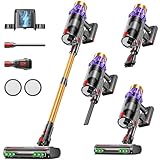
- VC Score9.6
BCP Score is a ranking system developed by bestcleanerproducts.com. BCP Score has no relationship or impact from any manufacturers or sales agent websites. Learn more
- BrandJOBEAR

- VC Score9.4
BCP Score is a ranking system developed by bestcleanerproducts.com. BCP Score has no relationship or impact from any manufacturers or sales agent websites. Learn more
- BrandSMOTURE
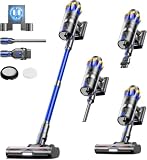
- VC Score9.2
BCP Score is a ranking system developed by bestcleanerproducts.com. BCP Score has no relationship or impact from any manufacturers or sales agent websites. Learn more
- BrandJELLYPIG

- VC Score8.8
BCP Score is a ranking system developed by bestcleanerproducts.com. BCP Score has no relationship or impact from any manufacturers or sales agent websites. Learn more
- BrandShark

- VC Score8.4
BCP Score is a ranking system developed by bestcleanerproducts.com. BCP Score has no relationship or impact from any manufacturers or sales agent websites. Learn more
- BrandLevoit
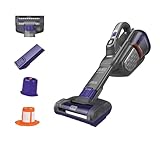
BLACK+DECKER dustbuster furbuster AdvancedClean+ Cordless Pet Handheld Vacuum, Home, Pet
View on Amazon- VC Score8.4
BCP Score is a ranking system developed by bestcleanerproducts.com. BCP Score has no relationship or impact from any manufacturers or sales agent websites. Learn more
- BrandBLACK+DECKER

- VC Score8.4
BCP Score is a ranking system developed by bestcleanerproducts.com. BCP Score has no relationship or impact from any manufacturers or sales agent websites. Learn more
- BrandShark

- VC Score6.6
BCP Score is a ranking system developed by bestcleanerproducts.com. BCP Score has no relationship or impact from any manufacturers or sales agent websites. Learn more
- BrandHFFLH

- VC Score8.3
BCP Score is a ranking system developed by bestcleanerproducts.com. BCP Score has no relationship or impact from any manufacturers or sales agent websites. Learn more
- BrandBissell

- VC Score7.5
BCP Score is a ranking system developed by bestcleanerproducts.com. BCP Score has no relationship or impact from any manufacturers or sales agent websites. Learn more
- BrandVellarina

Bissell PowerClean FurGuard 280W Self-Standing Cordless Vacuum w/Self-Cleaning Brush Roll,
View on Amazon- VC Score9.2
BCP Score is a ranking system developed by bestcleanerproducts.com. BCP Score has no relationship or impact from any manufacturers or sales agent websites. Learn more
- BrandBissell

- VC Score7.1
BCP Score is a ranking system developed by bestcleanerproducts.com. BCP Score has no relationship or impact from any manufacturers or sales agent websites. Learn more
- BrandVENHIDELY

- VC Score9.0
BCP Score is a ranking system developed by bestcleanerproducts.com. BCP Score has no relationship or impact from any manufacturers or sales agent websites. Learn more
- BrandSkykylin

- VC Score8.3
BCP Score is a ranking system developed by bestcleanerproducts.com. BCP Score has no relationship or impact from any manufacturers or sales agent websites. Learn more
- BrandPERSAVE

- VC Score7.1
BCP Score is a ranking system developed by bestcleanerproducts.com. BCP Score has no relationship or impact from any manufacturers or sales agent websites. Learn more
- BrandYaber Home

Cordless Vacuum Cleaner, 650W/60Kpa/70 Mins Cordless Stick Vacuum, Self-Standing Wireless
View on Amazon- VC Score8.7
BCP Score is a ranking system developed by bestcleanerproducts.com. BCP Score has no relationship or impact from any manufacturers or sales agent websites. Learn more
- BrandHYTVTY

- VC Score9.0
BCP Score is a ranking system developed by bestcleanerproducts.com. BCP Score has no relationship or impact from any manufacturers or sales agent websites. Learn more
- BrandShark

- VC Score7.2
BCP Score is a ranking system developed by bestcleanerproducts.com. BCP Score has no relationship or impact from any manufacturers or sales agent websites. Learn more
- BrandBLACK+DECKER

- VC Score7.7
BCP Score is a ranking system developed by bestcleanerproducts.com. BCP Score has no relationship or impact from any manufacturers or sales agent websites. Learn more
- BrandKQAHA
Last update on 2026-10-02 / Affiliate links / Images, Product Titles, and Product Highlights from Amazon Product Advertising API
FAQs
Can a cordless vacuum completely replace a corded vacuum for pet hair?
A cordless vacuum can handle daily pet hair pickup across hard floors and carpets with excellent results. Homes with multiple large shedding dogs or deep-pile wall-to-wall carpeting may still benefit from occasional deep cleaning with a heavy corded machine. Cordless models excel at fast daily maintenance, but smaller dustbins and shorter boost runtimes mean you will empty them more frequently during heavy shedding seasons.
Why does my cordless vacuum lose suction while picking up pet fur?
Loss of suction usually happens when pet hair forms a dense plug around the internal cyclone shroud or inside the floor nozzle elbow. Pet fur compresses tightly under vacuum pressure, choking air channels even if the main dustbin appears only half full. Empty the bin, clear away any hair ring wrapped around the central shroud, and wash the dust filter if it is coated with fine dander.
How often should I clean the brush roller on an anti-tangle vacuum?
Even the best anti-tangle cleaning heads require a quick visual inspection every few weeks. While the built-in comb strips most fur into the air channel, very long hair or synthetic threads can still collect near the end bearings. Checking the roller monthly and popping it out of the housing to clear stray fibers keeps the motor running cool and prevents bearing wear.
What causes a cordless vacuum to shut off suddenly on carpet?
Sudden shutoffs on carpet typically occur when the motorized brush bar encounters too much friction or a dense hair jam. Cordless vacuums have internal safety sensors that cut power to protect the drive motor or battery from overheating. If your machine shuts down, check the roller for bound hair, switch to a lower power mode, or adjust the floor head clearance to reduce drag on dense carpet pile.


How to Refinish a Fiberglass Pool

How Do You Keep Raccoons Out of Your Pool?

How to Fix Cyanuric Acid in Your Pool

How to Shape a Pool Cue Tip to Stop Miscues

12 Best Automatic Vacuum For Intex Above Ground Pool of 2026 To Keep Vinyl Floors Spotless

10 Best Automatic Pool Vacuum For Above Ground Pool of 2026 To End Manual Scrubbing

How Much Pool Clarifier Should You Use for Your Pool Size?

How Much Does a Pebble Tec Pool Cost to Build or Resurface?


