
What Type Oil Is Used A Vacuum Pump For Optimal Performance

Understanding what type oil is used a vacuum pump can make all the difference between smooth operation and unexpected downtime. Vacuum pumps rely heavily on their lubrication system to maintain pressure, reduce friction, and prevent wear. Choosing the correct oil ensures that the pump runs efficiently under varying temperatures and load conditions, preserving both longevity and performance. Different types of oils mineral-based, synthetic, or semi-synthetic offer unique properties. Synthetic oils often resist oxidation and thermal breakdown, making them ideal for high-demand scenarios, while mineral oils remain economical for less intensive applications.
Proper oil selection also helps in maintaining vacuum integrity, reducing vapor contamination, and preventing sludge formation that can obstruct pump mechanisms. Some oils include additives that enhance anti-foam properties or provide additional corrosion protection, which is crucial in environments where moisture or chemicals are present. Frequent monitoring and replacement cycles, matched with the right oil type, avoid costly repairs and downtime. Skipping these steps might result in overheating, excessive wear, or even catastrophic failure, emphasizing the importance of correct lubrication.
Additionally, understanding the interplay between oil viscosity and pump speed allows operators to fine-tune performance for specific applications. Lighter oils may flow easily and aid in cold starts, while heavier oils maintain film strength under high pressures. Environmental conditions, such as ambient temperature and chemical exposure, further influence the choice of oil. Attention to these details ensures that the vacuum pump delivers consistent suction and long-term reliability. Using unsuitable oils can compromise both efficiency and safety, highlighting why proper oil type selection isn't just a recommendation it's essential for operational success.

- VC Score9.6
BCP Score is a ranking system developed by bestcleanerproducts.com. BCP Score has no relationship or impact from any manufacturers or sales agent websites. Learn more
- Brandhcpro keep it running

- VC Score9.6
BCP Score is a ranking system developed by bestcleanerproducts.com. BCP Score has no relationship or impact from any manufacturers or sales agent websites. Learn more
- BrandRobinair

- VC Score9.6
BCP Score is a ranking system developed by bestcleanerproducts.com. BCP Score has no relationship or impact from any manufacturers or sales agent websites. Learn more
- Brandhcpro keep it running
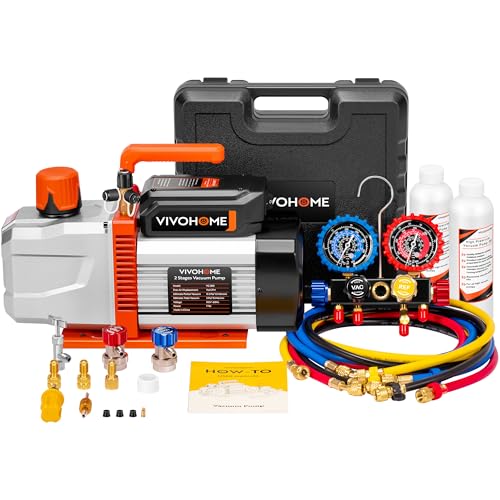
- VC Score9.6
BCP Score is a ranking system developed by bestcleanerproducts.com. BCP Score has no relationship or impact from any manufacturers or sales agent websites. Learn more
- BrandVIVOHOME

- VC Score9.4
BCP Score is a ranking system developed by bestcleanerproducts.com. BCP Score has no relationship or impact from any manufacturers or sales agent websites. Learn more
- BrandTSI Supercool

- VC Score9.2
BCP Score is a ranking system developed by bestcleanerproducts.com. BCP Score has no relationship or impact from any manufacturers or sales agent websites. Learn more
- BrandOEMTOOLS

- VC Score9.0
BCP Score is a ranking system developed by bestcleanerproducts.com. BCP Score has no relationship or impact from any manufacturers or sales agent websites. Learn more
- BrandVIVOHOME

- VC Score8.6
BCP Score is a ranking system developed by bestcleanerproducts.com. BCP Score has no relationship or impact from any manufacturers or sales agent websites. Learn more
- BrandVIVOHOME

- VC Score8.6
BCP Score is a ranking system developed by bestcleanerproducts.com. BCP Score has no relationship or impact from any manufacturers or sales agent websites. Learn more
- BrandNAVAC
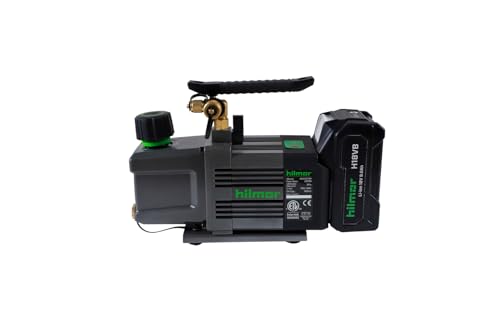
- VC Score-
BCP Score is a ranking system developed by bestcleanerproducts.com. BCP Score has no relationship or impact from any manufacturers or sales agent websites. Learn more
- BrandHilmor
Last update on 2026-06-27 / Affiliate links / Images, Product Titles, and Product Highlights from Amazon Product Advertising API
What Type Oil Is Used A Vacuum Pump
A vacuum pump can run for years without major trouble, or it can become a constant source of maintenance headaches. The difference often comes down to one overlooked detail: oil. Many people focus on motors, seals, and vacuum levels, yet what type oil is used a vacuum pump plays a direct role in efficiency, longevity, and operating costs. A poor oil choice can lead to sludge buildup, overheating, reduced vacuum performance, and expensive repairs that seem to appear out of nowhere.
Oil does far more than lubricate moving parts. It helps remove heat, seals microscopic gaps, protects internal surfaces, and supports stable vacuum generation. Those responsibilities place enormous demands on the fluid circulating inside the pump. Selecting the right oil means balancing viscosity, thermal stability, and contamination resistance according to the operating environment.
Why Vacuum Pump Oil Matters More Than Many Expect
Every vacuum pump relies on internal components moving under pressure and temperature changes. Without a reliable lubricating film, metal surfaces can experience accelerated wear. The right oil maintains a protective layer that reduces friction while supporting consistent vacuum levels. That combination contributes to longer equipment life and more reliable performance.
Heat management is another major factor. Vacuum pumps generate heat during compression and operation, especially during extended run times. Oil absorbs and transfers part of that heat away from critical components. A fluid with poor thermal characteristics may break down quickly, leading to deposits and reduced efficiency.
Contamination can also become a hidden enemy. Moisture, process gases, and particles often find their way into vacuum systems. Quality oil helps suspend contaminants and reduces the risk of corrosion. That protection becomes especially valuable in demanding industrial environments where downtime can quickly become costly.
A technician may replace filters, seals, or valves, yet still struggle with performance issues if the oil is unsuitable. Small lubrication decisions often create large operational differences over time. That's why many manufacturers dedicate entire sections of their manuals to oil specifications.
Mineral Oil And Its Common Applications
Mineral oil remains one of the most widely used lubricants in vacuum pumps. Derived from refined petroleum, it offers dependable performance for many standard applications. Its popularity comes from a balance between cost and functionality. Many rotary vane vacuum pumps operate effectively with properly formulated mineral oil.
Routine industrial processes frequently rely on mineral-based lubricants because they provide stable lubrication under moderate conditions. Facilities that run equipment in relatively clean environments often find mineral oil sufficient. The lower purchase cost can make maintenance budgets easier to manage.
Tradeoffs do exist. Mineral oil generally oxidizes faster than synthetic alternatives when exposed to elevated temperatures. That can lead to sludge formation, reduced oil life, and more frequent replacement intervals. Operators should monitor oil condition carefully when workloads become demanding.
Storage conditions also influence performance. Excessive heat or moisture exposure before installation can affect oil quality. Proper handling practices help maximize the benefits of this traditional lubrication option while minimizing unnecessary degradation.
Synthetic Oil And High-Demand Environments
Synthetic vacuum pump oil is engineered to provide greater stability across a broader operating range. These formulations often resist oxidation more effectively than conventional mineral oils. Pumps operating continuously or under elevated temperatures frequently benefit from this additional protection. The result can be extended oil life and more consistent vacuum performance.
Many synthetic oils maintain viscosity more effectively during temperature fluctuations. Cold starts become smoother, while high-temperature operation remains stable. That flexibility helps reduce stress on internal components and contributes to predictable performance throughout the operating cycle.
Facilities processing aggressive vapors often lean toward synthetic lubricants. Better chemical stability can reduce breakdown caused by challenging process conditions. Although synthetic oil generally costs more upfront, the longer service intervals may offset part of that expense.
Not every pump requires synthetic oil. Equipment operating under light workloads may never realize enough benefit to justify the additional cost. Evaluating operating conditions carefully helps determine whether the investment makes practical sense.
Viscosity And Why It Affects Vacuum Performance
Viscosity refers to a fluid's resistance to flow. In vacuum pumps, viscosity directly affects lubrication quality, sealing capability, and energy consumption. Selecting the wrong viscosity can create issues even when the oil type itself is otherwise suitable. A pump designed for one viscosity range may perform poorly outside those specifications.
Oil that is too thin may fail to maintain a sufficient protective film between moving surfaces. Excessive wear can follow, especially under heavy loads. Thin oil may also reduce sealing effectiveness inside certain pump designs, affecting vacuum levels.
Oil that is too thick creates different challenges. Increased resistance can raise operating temperatures and energy consumption. Startup performance may suffer, particularly in colder environments where thick oil flows slowly through critical areas.
Manufacturers typically provide recommended viscosity grades based on extensive testing. Following those specifications helps ensure that lubrication, cooling, and sealing functions remain balanced. Guessing often leads to unnecessary problems that could have been avoided with proper oil selection.
Factors That Determine The Best Vacuum Pump Oil
Temperature Conditions And Oil Selection
Operating temperature influences nearly every aspect of vacuum pump lubrication. High temperatures accelerate oxidation, while low temperatures can affect flow characteristics. Selecting oil without considering environmental conditions often creates maintenance issues down the road. Temperature remains one of the most important variables in lubricant performance.
Facilities located in colder climates frequently experience startup challenges during winter months. Synthetic oils often provide advantages because they maintain better flow characteristics at low temperatures. Faster circulation helps protect components immediately after startup.
Hot operating environments create different demands. Oils exposed to sustained heat must resist thermal breakdown while maintaining stable viscosity. Products designed for elevated temperatures typically contain additives that support long-term stability.
Daily temperature swings can also affect oil behavior. Consistent monitoring helps identify changes before they impact performance. Small adjustments in oil selection can sometimes solve recurring operational concerns.
Moisture And Contamination Challenges
Water contamination ranks among the most common threats to vacuum pump oil. Moisture can enter through process gases, environmental exposure, or system leaks. Once inside, water may reduce lubrication effectiveness and encourage corrosion. Protecting against moisture becomes a critical part of maintaining pump reliability.
Milky or cloudy oil often signals water contamination. Ignoring these visual indicators may allow damage to progress unnoticed. Regular inspections help identify issues before expensive repairs become necessary.
Certain applications generate substantial amounts of condensate. Specialized vacuum pump oils may offer improved resistance to water-related degradation. Matching oil characteristics to operating conditions helps maintain system stability.
Contaminants extend beyond moisture. Dust, chemicals, and process residues can alter oil performance significantly. Effective filtration and scheduled oil changes help preserve lubrication quality over the long term.
Signs That Your Vacuum Pump Oil Needs Replacement
Oil rarely fails without providing warning signs. Color changes often indicate oxidation, contamination, or thermal stress. Darkened oil does not automatically require replacement, but it should encourage closer inspection. Visual observations remain a valuable maintenance tool.
Changes in pump performance can also reveal lubrication issues. Reduced vacuum levels, increased operating temperatures, or unusual noises may point toward degraded oil. These symptoms deserve prompt attention before component damage develops.
Strong odors sometimes accompany oil breakdown. Burnt or unusual smells can indicate excessive heat exposure or chemical contamination. Identifying the root cause quickly helps prevent recurring issues.
Oil analysis programs provide deeper insights for facilities operating critical equipment. Laboratory testing can reveal contamination levels, viscosity changes, and additive depletion. Those findings support more informed maintenance decisions.
Practical Maintenance Strategies For Longer Pump Life
Creating An Effective Oil Change Schedule
Many operators search for a universal oil change interval, but no single schedule fits every situation. Operating hours, contamination exposure, temperature conditions, and workload all influence oil life. A schedule based solely on calendar dates may not provide the best results. Monitoring actual operating conditions produces more accurate maintenance intervals.
Manufacturer recommendations provide a useful starting point. Those guidelines reflect testing conducted under typical operating conditions. Real-world environments, however, may require adjustments based on actual experience.
Routine inspections help identify developing issues before scheduled service dates arrive. Tracking oil appearance and pump performance can reveal patterns that support smarter maintenance planning. Small observations often prevent larger problems.
Documentation matters as well. Recording oil changes, operating hours, and maintenance findings creates a valuable history. That information helps refine service intervals over time and improves long-term reliability.
Comparing Cost Versus Long-Term Value
Price often dominates oil purchasing decisions, but focusing exclusively on cost can be misleading. A lower-priced lubricant may require more frequent replacement or contribute to faster component wear. Evaluating total ownership costs provides a more complete picture.
Synthetic oils frequently cost more initially. Their longer service life and resistance to degradation may reduce labor costs and downtime. Those benefits become increasingly important in facilities where production interruptions are expensive.
Maintenance teams often weigh budget constraints against operational demands. The most expensive oil isn't automatically the best choice, and the least expensive option isn't always economical in the long run. Balance remains essential.
To improve storage and preservation of sensitive materials, explore best vacuum sealer for weed solutions that focus on airtight protection and long-term freshness. Similar principles of contamination control often apply across vacuum-related systems.
Related Equipment Considerations And System Care
Vacuum systems rarely operate in isolation. Pumps interact with filters, separators, valves, and connected equipment that influence overall performance. A lubrication strategy should account for the entire system rather than focusing on oil alone.
Drainage issues can sometimes affect maintenance areas where vacuum equipment operates. To tackle stubborn buildup in plumbing systems, explore strongest drain cleaner options designed for demanding cleaning tasks. Keeping support infrastructure in good condition helps maintenance activities run smoothly.
Cleaning practices also contribute to lubrication success. Dirt and debris surrounding service points can enter systems during maintenance procedures. Careful handling reduces contamination risks and protects oil quality.
Equipment upgrades occasionally create new lubrication requirements. Reviewing oil specifications whenever major modifications occur helps avoid compatibility issues. Small details often determine whether a system performs consistently year after year.
Common Mistakes That Shorten Oil Life
Mixing incompatible oils remains one of the most common maintenance errors. Different formulations may contain additives that react poorly together. Even small amounts of contamination can affect performance and reduce service life.
Overfilling presents another challenge. Excess oil can increase operating temperatures and create foaming problems. Following manufacturer fill levels helps maintain proper lubrication without introducing new complications.
Ignoring storage practices can also undermine oil quality. Containers left open may absorb moisture or collect contaminants. Properly sealed storage protects lubricant integrity before it ever reaches the pump.
For automated cleaning environments where vacuum technology plays a central role, compare automatic vacuum for wood floors options that prioritize efficient debris removal and surface protection. Different applications share the same goal of maintaining performance through proper system care.
What Oil Should Be Used In Different Vacuum Pump Applications
Matching Oil To The Type Of Vacuum Pump
Not every vacuum pump operates the same way, and that reality affects oil requirements more than many people realize. Rotary vane pumps, piston pumps, and diffusion pumps all place different demands on lubrication. Using the wrong product can shorten service intervals and create performance issues that seem difficult to diagnose. The safest approach starts with the manufacturer's recommendations and then considers the actual operating environment.
Rotary vane pumps often rely on vacuum pump mineral oil or synthetic vacuum pump oil with carefully controlled viscosity. These pumps depend on oil for lubrication, sealing, and cooling at the same time. A lubricant that performs well in another machine may not deliver the same results inside a vacuum system. Small specification differences can create noticeable changes in vacuum levels.
Piston-style pumps typically face different operating stresses. Higher mechanical loads can place extra demands on the oil film between moving parts. Maintaining proper lubrication strength becomes essential to reducing wear and maintaining efficiency. Oil that breaks down too quickly can increase maintenance costs long before major components wear out.
Some specialty systems process aggressive vapors or chemicals. Those situations often benefit from synthetic formulations that resist chemical degradation better than standard mineral oils. Matching lubricant characteristics to the process itself often prevents recurring maintenance headaches.
How Process Vapors Influence Oil Life
Many operators focus on pump specifications while overlooking what actually moves through the system. Vapors, moisture, solvents, and process contaminants all interact with oil over time. These interactions can dramatically affect lubricant life. A vacuum pump running in a clean environment may keep its oil much longer than one exposed to chemical vapors every day.
Water vapor creates one of the most common challenges. Once moisture mixes with oil, lubrication quality can decline. Corrosion risks may increase, and the oil can lose some of its protective properties. Regular inspections help catch these issues before performance drops significantly.
Solvent vapors create another layer of complexity. Certain chemicals can dilute oil or alter its viscosity. That change affects both sealing performance and internal lubrication. Pumps handling solvent-heavy processes often require more frequent oil monitoring.
Paying attention to contamination patterns helps identify the best replacement schedule. A maintenance plan based on actual operating conditions generally performs better than relying solely on fixed calendar intervals. Consistent monitoring supports longer equipment life and more stable vacuum performance.
Storage Practices That Protect Oil Quality
Fresh oil can lose part of its value before it ever reaches a vacuum pump. Poor storage conditions expose lubricants to moisture, dust, and temperature fluctuations. These contaminants may enter the system during maintenance and create avoidable problems. Protecting oil starts well before the fill cap comes off.
Containers should remain tightly sealed whenever possible. Open containers allow moisture absorption that can affect oil performance later. Even a small amount of contamination can influence lubrication quality in sensitive vacuum equipment. Clean storage practices often pay for themselves through reduced maintenance issues.
Temperature matters too. Extreme heat may accelerate oxidation, while freezing conditions can alter product consistency. Storing lubricants in a stable environment helps preserve their intended properties. Consistency leads to more predictable performance once the oil enters service.
Labeling also plays a practical role. Mixing products accidentally can create compatibility problems that are difficult to diagnose later. Clear identification reduces mistakes and supports better maintenance control.
Oil Analysis And Predictive Maintenance Benefits
Many facilities still replace oil based solely on time intervals. Oil analysis offers a more detailed view of what is actually happening inside the equipment. Laboratory testing can reveal contamination levels, viscosity changes, and signs of internal wear. These insights help maintenance teams make smarter decisions.
A single oil sample can uncover issues long before a pump begins showing obvious symptoms. Elevated wear metals may indicate component deterioration. Excessive moisture could point toward process-related contamination. Early detection often prevents expensive repairs.
Predictive maintenance programs use these findings to optimize service schedules. Instead of changing oil too early or too late, maintenance can occur when conditions actually require it. That approach balances reliability with operating costs. Many industrial facilities use oil analysis as part of a broader equipment health strategy.
Trend data becomes especially valuable over time. Repeated testing reveals patterns that help identify recurring issues. The result is often better reliability, lower downtime, and more informed maintenance planning.
Common Misconceptions About Vacuum Pump Oil
One common myth suggests that any machine oil can work inside a vacuum pump. Reality tells a different story. Vacuum pumps rely on oil for several functions simultaneously, and general-purpose lubricants often lack the characteristics needed for effective operation. Using substitutes can reduce efficiency and accelerate wear.
Another misconception involves color. Dark oil does not automatically mean the lubricant has failed. Some applications naturally discolor oil during normal operation. Evaluating condition requires looking at contamination levels, viscosity, and performance trends rather than color alone.
Some people assume synthetic oil solves every problem. Synthetic formulations offer advantages, but they cannot compensate for neglected maintenance, contamination, or incorrect viscosity selection. Proper application remains just as important as product quality.
Confusion also exists around oil change intervals. Longer-lasting oils do not eliminate the need for inspections. Monitoring remains essential because operating conditions vary widely from one facility to another. Maintenance decisions work best when supported by real observations.
Reducing Long-Term Operating Costs Through Proper Lubrication
Maintenance expenses rarely come from oil purchases alone. Downtime, repairs, labor, and lost productivity often carry a much larger financial impact. Selecting the appropriate lubricant helps protect against these hidden costs. Small preventive measures frequently save substantial amounts over time.
Equipment operating with clean, stable oil generally experiences less internal wear. Components remain protected, seals last longer, and vacuum performance stays more consistent. These benefits support lower maintenance frequency and improved operational stability.
Efficiency gains can also appear in energy consumption. Pumps operating under proper lubrication conditions often run with less resistance. Reduced friction contributes to smoother operation and helps maintain designed performance levels.
The same maintenance mindset applies to other equipment throughout a facility. For example, keeping floors clean around service areas becomes easier with a best canister vacuum wood floors solution that helps control dust before it reaches sensitive machinery. Clean surroundings support better equipment care overall.
Environmental Factors That Influence Oil Performance
Ambient conditions can affect vacuum pump oil more than expected. High humidity levels increase the chance of moisture contamination. Dusty environments may introduce particles that accelerate wear. These external factors deserve attention during maintenance planning.
Seasonal temperature swings often change oil behavior as well. Cold conditions may affect startup performance, while hot environments place additional thermal stress on lubricants. Selecting oil with suitable temperature characteristics helps maintain consistent protection throughout the year.
Outdoor installations face additional challenges. Exposure to weather changes can increase contamination risks and affect maintenance schedules. More frequent inspections may be necessary to keep performance stable under these conditions.
Durability matters in many types of equipment, not just vacuum systems. Similar concerns arise with long-term outdoor products, and information about how long intex pools last highlights how maintenance habits often influence lifespan more than initial purchase decisions. The same principle applies to vacuum pumps and their lubrication systems.


How to Refinish a Fiberglass Pool

How Do You Keep Raccoons Out of Your Pool?

How to Fix Cyanuric Acid in Your Pool

How to Shape a Pool Cue Tip to Stop Miscues

Best Far Infrared Sauna Sauna Heats: Top Picks of 2026

11 Best Far Infrared Sauna Carbon Fiber Heaters of 2026 For Balanced Full-Body Heat

11 Best Carbon Far Infrared Sauna of 2026 For Even Heat

10 Best Bluetooth Speaker For Sauna of 2026 For Heat and Steam


