
What Is a Pool Vacuum Used For? Smart Pool Care

What Is a Pool Vacuum Used For often sounds like a simple question, yet the answer reaches far beyond removing a few leaves from the water. Pools constantly collect dirt, insects, pollen, algae spores, and tiny particles that drift in from the surrounding environment. Left alone, those contaminants settle on the floor and walls, creating cloudy water and increasing the workload on the filtration system. A pool vacuum steps in to tackle the debris that circulation alone can't fully remove.
Clear water isn't just about appearance. A sparkling pool feels inviting, while murky water quickly raises concerns about cleanliness and upkeep. That's where pool vacuum cleaning becomes a valuable part of routine maintenance. By removing settled debris before it breaks down, vacuuming helps support balanced water conditions and reduces unnecessary strain on pumps and filters.
Many pool owners are surprised by how much material accumulates on the pool floor over time. Fine dust, grass clippings, sand, and organic matter often sink beyond easy reach. A vacuum targets these hidden messes directly. As a result, the pool stays cleaner for longer periods, and routine maintenance becomes less overwhelming.
Different pool environments create different challenges. Pools surrounded by trees may struggle with leaves and twigs, while open areas often deal with windblown dirt and pollen. A reliable vacuum helps address these changing conditions without requiring constant manual scrubbing. That flexibility makes it a practical tool for maintaining a consistently attractive swimming area.
Another overlooked benefit involves algae prevention. Debris resting on pool surfaces can create pockets where algae begin to grow. Regular vacuuming removes those materials before they become larger problems. Combined with proper chemical balance, regular pool maintenance supports cleaner surfaces and reduces the likelihood of stubborn buildup.
Time savings also play a major role. Nobody enjoys spending entire weekends fighting pool debris. Modern pool vacuums, whether manual, suction-side, pressure-side, or robotic models, simplify the cleaning process considerably. Instead of repeated brushing and scooping, users can focus on targeted cleaning that delivers visible results.
Water circulation systems handle many tasks, but they aren't designed to capture every particle that settles on the bottom. That's why vacuuming remains an essential complement to filtration. Together, these systems work to maintain water clarity, improve cleanliness, and create a more enjoyable swimming experience throughout the season.

- VC Score9.6
BCP Score is a ranking system developed by bestcleanerproducts.com. BCP Score has no relationship or impact from any manufacturers or sales agent websites. Learn more
- BrandOGERY

- VC Score9.0
BCP Score is a ranking system developed by bestcleanerproducts.com. BCP Score has no relationship or impact from any manufacturers or sales agent websites. Learn more
- BrandMagoog

- VC Score8.6
BCP Score is a ranking system developed by bestcleanerproducts.com. BCP Score has no relationship or impact from any manufacturers or sales agent websites. Learn more
- BrandPoolMr
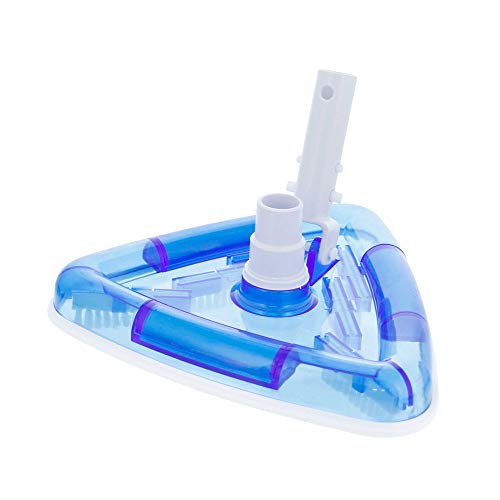
- VC Score8.6
BCP Score is a ranking system developed by bestcleanerproducts.com. BCP Score has no relationship or impact from any manufacturers or sales agent websites. Learn more
- BrandU.S. Pool Supply

- VC Score8.4
BCP Score is a ranking system developed by bestcleanerproducts.com. BCP Score has no relationship or impact from any manufacturers or sales agent websites. Learn more
- BrandEnhulk

- VC Score8.2
BCP Score is a ranking system developed by bestcleanerproducts.com. BCP Score has no relationship or impact from any manufacturers or sales agent websites. Learn more
- BrandZhengjiake

- VC Score8.2
BCP Score is a ranking system developed by bestcleanerproducts.com. BCP Score has no relationship or impact from any manufacturers or sales agent websites. Learn more
- BrandKokido

- VC Score8.0
BCP Score is a ranking system developed by bestcleanerproducts.com. BCP Score has no relationship or impact from any manufacturers or sales agent websites. Learn more
- BrandPOOLWHALE

- VC Score8.0
BCP Score is a ranking system developed by bestcleanerproducts.com. BCP Score has no relationship or impact from any manufacturers or sales agent websites. Learn more
- BrandU.S. Pool Supply

- VC Score7.6
BCP Score is a ranking system developed by bestcleanerproducts.com. BCP Score has no relationship or impact from any manufacturers or sales agent websites. Learn more
- BrandVINGLI
Last update on 2026-06-26 / Affiliate links / Images, Product Titles, and Product Highlights from Amazon Product Advertising API
What Is a Pool Vacuum Used For
Morning sun sparkles across the water, yet a quick glance at the pool floor reveals tiny specks of dirt, scattered leaves, and dust that circulation alone hasn't handled. Even with routine skimming, these hidden particles create a layer of grit that dulls water clarity and stresses filtration systems. Enter the pool vacuum, the unsung hero of maintaining clean, inviting water without constant manual effort.
Pool Vacuum Basics Explained
Every pool collects debris over time, from grass clippings and pollen to sand and organic material that sinks and settles. A pool vacuum tackles this buildup directly, removing what skimmers and filters often miss. By targeting the pool floor and walls, it ensures clear water and reduces the risk of algae growth. Proper vacuuming not only keeps the water visually appealing but also supports the efficiency of pumps and filtration systems.
Different vacuums suit different pool types. Manual models require physical guidance, offering precision control and a sense of involvement in maintenance. Suction-side vacuums attach to existing pump systems, providing consistent cleaning without extra energy sources. Robotic units, meanwhile, bring automation and time-saving convenience to the table, perfect for busy schedules or larger pools.
Choosing the right vacuum involves considering pool size, shape, and surface type. Pools with uneven floors or steps demand vacuums capable of navigating contours without leaving debris behind. Ensuring the vacuum aligns with these factors maximizes cleaning effectiveness and prevents missed spots.
Routine use of a pool vacuum directly affects water quality. Removing settled particles prevents them from decomposing into fine organic matter, which can cloud water and encourage bacteria. Regular vacuuming ensures a healthier, more enjoyable swimming environment.
Common Pool Debris and How Vacuums Help
Pools face diverse debris challenges. Leaves and twigs may drift in from nearby trees, while pollen and dust float down from the surrounding environment. Organic material, such as algae spores and microscopic insects, often settle where pumps can't reach. A pool vacuum captures these particles efficiently, reducing manual scrubbing and filter strain.
Even small particles can cause maintenance headaches if ignored. Fine dirt and sand create abrasive surfaces that can scratch pool liners and degrade finishes over time. By vacuuming regularly, pool owners protect surface integrity while maintaining water clarity.
Algae prevention is another key benefit. Debris on pool floors provides nutrients and shelter for algae to thrive. Vacuums remove this material before it becomes a problem, supporting balanced chemical levels and reducing chemical dependency. This proactive cleaning promotes healthier water chemistry and lowers long-term maintenance effort.
Using a vacuum consistently also saves time. Instead of multiple rounds of brushing and skimming, a well-chosen vacuum can clean efficiently in a single session. This time-saving factor keeps maintenance manageable and less daunting for pool owners.
Manual vs. Robotic Pool Vacuums
Manual vacuums offer hands-on precision, ideal for targeting specific spots like corners or areas with heavy debris accumulation. They require physical effort but give complete control over cleaning patterns and speed. This approach is especially effective for small to medium pools or areas with sensitive surfaces.
Robotic vacuums, by contrast, automate much of the cleaning. Equipped with sensors and programmed cleaning cycles, they navigate pool floors and walls, scrubbing and collecting debris independently. The automation and consistency they provide reduce labor and ensure a thorough clean, particularly in larger pools.
Both types have tradeoffs. Manual models demand more energy but offer flexibility, while robotic units save time yet may have higher upfront costs and require occasional maintenance. Assessing the balance between effort, budget, and cleaning effectiveness determines which option fits best.
Hybrid solutions also exist, such as suction-side or pressure-side vacuums that combine elements of automation with pump integration. These provide reliable debris removal while leveraging existing equipment, offering a balance between convenience and control.
Optimizing Pool Maintenance Routine
Consistency is key. Scheduling vacuuming sessions based on debris levels and pool usage ensures that water remains clean without overexerting equipment. Vacuums complement skimming, brushing, and chemical balancing, forming a holistic maintenance strategy. Regular vacuuming prevents debris buildup that could otherwise lead to extensive cleaning sessions.
Water clarity improves quickly when vacuums remove accumulated particles before they break down. This keeps the pool inviting and reduces chemical overuse. By combining physical cleaning with proper chemical management, pool owners maintain crystal-clear water more easily.
Timing also matters. Vacuums work best when pools are less crowded, reducing interference from swimmers. Nighttime or early morning sessions are ideal, allowing vacuums to work uninterrupted and maximize efficiency. This strategic approach optimizes both water quality and equipment performance.
Monitoring vacuum performance helps identify issues early. Clogs, worn brushes, or low suction can reduce cleaning effectiveness. Regular inspection and maintenance of the vacuum itself ensure sustained reliability and longevity.
Advanced Pool Vacuum Features
Modern vacuums boast features that address common pool cleaning challenges. Adjustable brushes and rollers enhance debris capture on different surfaces, including concrete, vinyl, and fiberglass. This versatility ensures effective cleaning without damaging pool finishes. Ergonomic designs also reduce operator fatigue and improve handling.
Some models integrate smart navigation systems that map pool layouts, optimizing coverage and minimizing redundant passes. Automated scheduling and programmable cycles provide time efficiency and consistent results. Pool owners can focus on enjoying their pools rather than spending hours cleaning.
Filtration capabilities vary across vacuums. High-capacity collection bags or cartridges capture fine particles, preventing them from returning to the water. Enhanced filtration reduces the load on pool filters, maintaining system efficiency and prolonging equipment lifespan.
Energy efficiency is another key factor. Robotic units often consume less electricity than running the main pump for extended periods, lowering operating costs. Combining energy-conscious design with effective cleaning ensures a sustainable maintenance approach.
Vacuuming for Safety and Hygiene
Beyond aesthetics, vacuums contribute to pool safety. Debris and algae on the floor can create slippery conditions that pose a hazard to swimmers. Regular vacuuming minimizes these risks by removing accumulation that would otherwise make surfaces slick. This safety factor enhances user confidence and reduces accident potential.
Hygiene is also improved. Organic matter, dirt, and microorganisms harbor in neglected pools, potentially leading to bacterial growth. A vacuum removes these contaminants, maintaining cleaner water and healthier swimming conditions. Combining vacuuming with chemical treatments maximizes health benefits.
Swimmer experience improves when floors are debris-free. Kids and pets can play safely, while adults enjoy the visual clarity and smooth swimming conditions. A vacuum ensures that pools remain inviting and comfortable, increasing recreational value.
Vacuuming also aids chemical efficiency. By removing particulates before they decompose, vacuums help maintain proper pH and chlorine levels. This reduces chemical fluctuations and supports consistent water chemistry, making pool care more predictable and manageable.
Addressing Common Pool Owner Challenges
Many pool owners struggle with persistent dirt, rapid algae growth, and overworked filtration systems. Vacuums alleviate these challenges by removing debris proactively, preventing it from settling and creating larger problems. Regular use simplifies maintenance, reducing the need for emergency cleaning or high chemical doses.
Handling irregular pool shapes or uneven floors can be tricky. Specialized vacuums with adjustable heads, flexible hoses, or robotic mapping adapt to these variations, ensuring comprehensive cleaning coverage. This adaptability reduces frustration and eliminates missed areas.
Budget concerns also play a role. Investing in a quality vacuum may seem significant initially, but savings arise from reduced chemical use, less filter strain, and fewer maintenance headaches. The long-term value of a vacuum outweighs upfront costs, making it a practical addition to pool upkeep routines.
Understanding how debris accumulates and where problems occur empowers owners to clean strategically. Targeted vacuuming prevents stubborn buildup, reduces strain on pumps and filters, and maintains a visually appealing swimming environment. Effective vacuuming tackles problems at the source, enhancing overall pool care.
how to maximize pool vacuum efficiency
Even after regular cleaning, pools can develop stubborn dirt along walls and corners. Addressing these areas requires strategic vacuuming to prevent debris buildup. By focusing on precision cleaning and using the right tools, pool owners can maintain sparkling water clarity and reduce strain on filtration systems. Understanding the pool layout and identifying problem zones ensures every session counts.
targeting hard-to-reach areas
Edges, corners, and steps often accumulate leaves and dirt that escape skimmers. Specialized vacuum heads and flexible hoses help navigate these challenging spots, improving coverage without damaging the pool surface. Investing time in these areas pays off in reduced algae growth and less manual scrubbing. Proper technique ensures all debris is captured before it spreads.
Above-ground pools often have unique contours that trap debris along the walls. Addressing these surfaces effectively requires adjusting vacuum angles and vacuum head pressure. Pool owners facing this challenge can benefit from guidance on how to fix above ground pool wall irregularities to optimize cleaning performance. This adjustment enhances efficiency and ensures the vacuum reaches all critical areas.
Using extensions or telescopic poles allows operators to reach deep corners and ledges comfortably. This approach reduces fatigue while maximizing debris removal. Efficient coverage prevents the buildup of organic matter, which can become a breeding ground for bacteria and algae. Well-executed routines create a safer and more enjoyable swimming environment.
Tracking debris patterns over time helps refine vacuuming strategies. Areas prone to leaf accumulation, windblown dirt, or algae can be prioritized, creating a focused cleaning plan. This targeted approach promotes consistency and prolongs water quality between sessions.
handling heavy leaf and organic matter
Pools surrounded by trees or during fall experience an influx of leaves and twigs. These materials can overwhelm standard filtration if not removed promptly. A robust vacuum efficiently captures large debris while preventing clogs. The use of a best pool vacuum for cleaning leaves ensures that heavy debris is managed effectively.
Organic matter such as fallen flowers and grass clippings can decompose quickly, clouding the water and consuming chlorine. Timely vacuuming mitigates this issue, maintaining chemical balance and reducing maintenance demands. Consistent removal supports long-term water health and minimizes costly interventions.
Vacuuming wet debris requires care to avoid clogging hoses or filters. Selecting the right vacuum bag or cartridge capacity ensures uninterrupted operation. Pool owners gain confidence from knowing that equipment durability matches cleaning intensity, even during peak leaf fall.
For heavily affected pools, sequential vacuuming passes may be necessary. Combining suction-side and manual techniques maximizes debris pickup and prevents missed spots. Proper planning leads to more efficient pool maintenance and a cleaner swimming experience.
reducing chemical usage with vacuuming
Vacuuming removes particulate matter that consumes chemicals during decomposition. By eliminating these sources, pool owners can maintain stable pH and chlorine levels with less frequent chemical adjustment. This reduces operational costs while keeping water safe for swimmers. Consistent cleaning supports more predictable chemical management.
Algae prevention benefits significantly from vacuuming. Debris often harbors spores that flourish in stagnant conditions. Removing it early minimizes the risk of blooms, allowing chemicals to work more efficiently. The result is healthier water and fewer emergency treatments.
Regular vacuuming reduces sediment accumulation, which otherwise acts as a substrate for bacteria and algae. By controlling this environment, pool owners see improved sanitation and clarity without over-reliance on chemicals. Efficient debris removal complements filtration, creating a holistic maintenance routine.
Vacuuming also enables accurate monitoring of chemical effectiveness. Clear water allows visual assessment of chlorine and pH impacts, making adjustments more precise. This feedback loop enhances water management and reduces unnecessary chemical use.
energy-efficient vacuum practices
Running a vacuum can consume significant power, particularly for large or heavily soiled pools. Selecting energy-efficient models or robotic units minimizes electricity costs. Scheduling vacuum sessions during off-peak hours further optimizes energy usage. Strategic planning balances cleaning effectiveness with operating cost reduction.
Manual vacuums paired with brief pump operation can achieve similar results while saving energy. Understanding how to synchronize suction timing and vacuum movement ensures maximum debris pickup. This method highlights smart pool management techniques that prioritize both efficiency and water clarity.
Robotic vacuums often incorporate low-voltage motors and optimized cleaning paths, reducing electricity consumption. Their autonomous operation also frees owners from continuous oversight. The combination of automation and efficiency makes regular cleaning more sustainable and less labor-intensive.
Energy-conscious vacuuming complements filtration systems, allowing pumps to run optimally without overloading. Efficient routines preserve equipment lifespan and reduce maintenance costs, making long-term pool care more manageable.
maintenance and storage tips
After each vacuum session, proper cleaning and storage enhance equipment longevity. Rinsing hoses, brushes, and filter bags prevents buildup of debris and minimizes wear. Drying components thoroughly before storage avoids mold or mildew formation, ensuring reliable operation in the future.
Regular inspection of hoses, seals, and mechanical parts identifies issues before they compromise cleaning performance. Tightening connections and replacing worn components ensures consistent vacuum efficiency. Preventive maintenance reduces downtime and keeps pools in top condition.
Storing vacuums in a cool, dry location prolongs mechanical and electronic lifespan. Avoiding direct sunlight or excessive humidity preserves material integrity. Pool owners benefit from long-lasting equipment that performs consistently season after season.
Scheduling periodic deep cleaning, including brush replacement and motor check-ups, further optimizes performance. This attention to detail ensures the vacuum remains a dependable tool in routine pool care, contributing to clean, safe water for all swimmers.
troubleshooting common issues
Clogged hoses, poor suction, or skipped areas are common challenges. Understanding their causes allows owners to correct them efficiently. Adjusting hose lengths, cleaning filters, and verifying proper vacuum head placement restores cleaning effectiveness without unnecessary stress.
Uneven pool surfaces or debris accumulation can reduce vacuum performance. Tools with flexible heads or adjustable settings compensate for these obstacles. Targeting problem zones ensures consistent cleaning results across all pool areas.
For above-ground pools, wall irregularities or liner shifts can interfere with vacuum operation. Following guidance on how to fix above ground pool wall issues helps maintain optimal cleaning performance. This proactive approach reduces frustration and improves long-term water quality.
Keeping equipment properly calibrated and performing regular checks minimizes downtime. Pool owners gain confidence from knowing that vacuum reliability is maintained, supporting continuous, hassle-free maintenance throughout the season.


How to Refinish a Fiberglass Pool

How Do You Keep Raccoons Out of Your Pool?

How to Fix Cyanuric Acid in Your Pool

How to Shape a Pool Cue Tip to Stop Miscues

Best Far Infrared Sauna Sauna Heats: Top Picks of 2026

11 Best Far Infrared Sauna Carbon Fiber Heaters of 2026 For Balanced Full-Body Heat

11 Best Carbon Far Infrared Sauna of 2026 For Even Heat

10 Best Bluetooth Speaker For Sauna of 2026 For Heat and Steam


