
Is It Safe to Use Vacuum Cleaner During Pregnancy?

Is it safe to use vacuum cleaner during pregnancy is a question that pops up the moment daily chores start feeling different. A task that once seemed routine can suddenly raise concerns about balance, fatigue, lifting, bending, and exposure to dust. Many people aren't worried about the vacuum itself. They're worried about whether the physical effort behind the chore could create unnecessary discomfort or stress.
Most household vacuum cleaners are generally considered safe to use during a healthy pregnancy. The bigger factor is how your body responds while pushing, pulling, carrying, and maneuvering the machine around the house. As pregnancy progresses, the body's center of gravity shifts, energy levels fluctuate, and even simple chores can feel more demanding. Paying attention to physical strain, dizziness, and fatigue matters far more than the appliance itself.
Dust exposure often becomes another concern. Vacuuming can stir up particles, pet dander, and allergens, especially if the vacuum lacks proper filtration. A machine equipped with a sealed system and a quality filter can help reduce airborne debris. Cleaner indoor air can make the task more comfortable, particularly if pregnancy has heightened sensitivity to smells or dust.
Energy management plays a surprisingly large role. Some days may feel perfectly normal, while others can leave you winded after a short period of activity. That's why many healthcare professionals encourage listening to your body's signals rather than following a rigid cleaning schedule. Taking breaks, dividing tasks into smaller sessions, and avoiding overexertion can make household cleaning far more manageable.
Balance becomes increasingly important as pregnancy advances. Vacuum cords, stairs, cluttered pathways, and heavy canister units can create tripping hazards that weren't noticeable before. Small adjustments such as clearing floors beforehand, wearing supportive footwear, and choosing lightweight equipment can help reduce risk. These practical changes often provide more peace of mind than avoiding vacuuming altogether.
Physical comfort should remain the priority. Prolonged bending, repetitive twisting, or lifting a heavy vacuum up and down stairs may place unnecessary stress on the back and pelvic area. Many people find that lightweight stick vacuums or robotic cleaning devices help reduce strain while keeping floors clean. The goal isn't to maintain a spotless home at all costs. The goal is preserving comfort, safety, and well-being.
Concerns about pregnancy and household chores often stem from uncertainty rather than actual danger. Vacuuming itself isn't generally considered harmful, but ignoring warning signs such as shortness of breath, pain, dizziness, or excessive exhaustion can be problematic. A flexible approach works best. Some days you'll have plenty of energy, and other days your body may be telling you to slow down.
At the end of the day, is it safe to use vacuum cleaner during pregnancy depends less on the machine and more on how the activity affects your body. Staying aware of physical limitations, reducing unnecessary strain, and making practical adjustments can allow routine cleaning to remain part of everyday life. A clean home feels nice, but protecting your health and comfort matters even more.
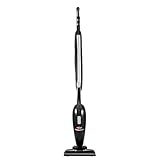
- VC Score8.8
BCP Score is a ranking system developed by bestcleanerproducts.com. BCP Score has no relationship or impact from any manufacturers or sales agent websites. Learn more
- BrandBissell

- VC Score8.6
BCP Score is a ranking system developed by bestcleanerproducts.com. BCP Score has no relationship or impact from any manufacturers or sales agent websites. Learn more
- BrandKARDV

- VC Score8.6
BCP Score is a ranking system developed by bestcleanerproducts.com. BCP Score has no relationship or impact from any manufacturers or sales agent websites. Learn more
- BrandFresh Wave

- VC Score8.4
BCP Score is a ranking system developed by bestcleanerproducts.com. BCP Score has no relationship or impact from any manufacturers or sales agent websites. Learn more
- BrandLevoit

- VC Score8.2
BCP Score is a ranking system developed by bestcleanerproducts.com. BCP Score has no relationship or impact from any manufacturers or sales agent websites. Learn more
- BrandEyliden

- VC Score8.2
BCP Score is a ranking system developed by bestcleanerproducts.com. BCP Score has no relationship or impact from any manufacturers or sales agent websites. Learn more
- BrandFlybroom

- VC Score8.2
BCP Score is a ranking system developed by bestcleanerproducts.com. BCP Score has no relationship or impact from any manufacturers or sales agent websites. Learn more
- BrandKMM

- VC Score8.0
BCP Score is a ranking system developed by bestcleanerproducts.com. BCP Score has no relationship or impact from any manufacturers or sales agent websites. Learn more
- BrandEvoliq

- VC Score8.0
BCP Score is a ranking system developed by bestcleanerproducts.com. BCP Score has no relationship or impact from any manufacturers or sales agent websites. Learn more
- BrandA9life

- VC Score7.4
BCP Score is a ranking system developed by bestcleanerproducts.com. BCP Score has no relationship or impact from any manufacturers or sales agent websites. Learn more
- Brandred mitochondria
Last update on 2026-06-28 / Affiliate links / Images, Product Titles, and Product Highlights from Amazon Product Advertising API
Is It Safe To Use Vacuum Cleaner During Pregnancy
A clean floor can feel oddly urgent during pregnancy, especially after crumbs, pet hair, and dust start piling up faster than your energy comes back. Still, is it safe to use vacuum cleaner during pregnancy deserves a practical answer, not a scary one. For most healthy pregnancies, vacuuming is usually fine, but the real issue is how much strain the chore puts on your back, balance, breathing, and stamina. The vacuum itself is rarely the problem, while the pushing, lifting, bending, and rushing can be the sneaky troublemakers.
Vacuuming While Pregnant
Vacuuming during pregnancy is generally considered a normal household task if there are no medical restrictions from a doctor. The catch is that pregnancy changes how ordinary movement feels, and that can make a familiar chore feel weirdly demanding. A living room that used to take ten minutes may suddenly feel like a full-body workout. That doesn’t mean you’re fragile, but it does mean your limits deserve respect.
The biggest concern is usually physical overexertion, not the vacuum motor humming across the floor. Pushing a heavy upright vacuum through thick carpet can stress the lower back, hips, and pelvic area. Pulling a canister around corners can also trigger awkward twisting. Those little movements add up, especially later in pregnancy.
Pregnancy also shifts your center of gravity, so balance can feel a bit off even during simple chores. A cord stretched across the hallway, a rug corner, or a stair landing can become a bigger hazard than expected. Slow down, clear the floor first, and avoid rushing through the job just to “get it over with.” Fall prevention matters more than spotless carpet lines.
Dust can be another nuisance. Vacuuming may stir up fine particles, pet dander, and odors, especially with an older machine or a dirty filter. A vacuum with sealed filtration or a HEPA-style filter can make the chore feel less irritating. If dust makes you cough, sneeze, or feel short of breath, that’s your cue to pause and adjust the setup.
Body Signals That Matter
Your body usually sends hints before a chore becomes too much. Dizziness, belly tightening, sharp pain, shortness of breath, or unusual fatigue shouldn’t be brushed off as “just cleaning.” Stop, sit down, drink water, and give yourself a moment. Pushing through discomfort rarely wins you anything except a sore back and a cranky afternoon.
Back strain is one of the most common complaints with vacuuming. The motion looks simple, but repeated forward reaches can tug at the lower spine. Keep the vacuum close, use smaller strokes, and let your legs do more of the movement. Good posture can turn the task from a grind into something more manageable.
Breathing changes can also make cleaning feel harder. Pregnancy can make you feel winded sooner, even without intense activity. A stuffy room, dusty carpet, or strong cleaning scent can pile onto that feeling. Open a window if outdoor air is clean, take short breaks, and keep the room comfortable instead of treating the chore like a race.
Pelvic pressure deserves attention too. Heavy pushing, twisting, and bending can aggravate discomfort around the hips or lower belly. If vacuuming leaves you feeling heavy, achy, or unusually sore, scale it back. Comfort is useful information, not something to ignore.
Smart Vacuum Choices
The right vacuum can make a big difference. A lightweight stick vacuum may be easier to manage than a bulky upright, especially for quick daily messes. A robotic vacuum can help with maintenance cleaning, though it won’t replace deeper cleaning in corners or stairs. Less lifting and less bending should be the main goals.
Cordless models can reduce tripping worries because there’s no cord snaking across the room. They’re also easier to carry between small spaces, as long as the battery and dustbin fit your routine. Reduce wrist strain during heavier cleaning days with cordless vacuum for arthritic hands if grip comfort is becoming a real issue. The best fit is the one that lets you clean without wrestling the machine.
Floor type matters more than people think. Thick carpet needs more push force, while hard floors usually require less effort. A vacuum that moves smoothly across tile, wood, rugs, and carpet can reduce repeated passes. For mixed flooring, compare cleaning setups with dyson vacuum for all floors before settling on one machine for the whole house.
Filtration is worth caring about, especially around pets, dust, and seasonal allergies. A clogged filter can blow particles back into the room and make vacuuming feel stuffier. Empty the bin carefully, preferably outdoors or away from your face. Clean filters and steady suction help reduce extra passes, which also saves energy.
Safer Ways To Clean Floors
Shorter cleaning sessions usually work better than one long sweep through the whole house. Do one room, rest, then decide whether another room actually needs attention. This sounds simple, but it takes pressure off your back and legs. Pacing is not laziness, it’s smart energy management.
Stairs deserve extra caution. Carrying a vacuum up and down steps can be awkward even without pregnancy, and the risk rises when balance feels different. Use a handheld vacuum for stairs if possible, or ask someone else to handle them. A clean staircase isn’t worth a fall.
Move furniture only if it slides easily and doesn’t make you strain. Heavy couches, beds, dressers, and loaded laundry baskets should be someone else’s job. Pregnancy hormones can loosen joints and ligaments, so sudden pulls may leave you more sore than expected. Avoid heavy lifting and save your energy for tasks that don’t fight back.
Messy mattresses and upholstery can call for a different approach than vacuuming alone. Spills, sweat, pet accidents, and odor need spot treatment before deep cleaning makes sense. Handle mattress stains with enzyme cleaner for mattress before vacuuming the surface again. That keeps the job more targeted instead of turning one stain into a whole-room cleaning marathon.
Dust Allergies And Indoor Air
Pregnancy can make familiar smells and particles feel more annoying. Dust, pet hair, old carpet odor, and scented powders may hit harder than they used to. Skip carpet powders and strong fragrances if they make you queasy or irritated. Plain cleaning often beats heavily scented cleaning during pregnancy.
A vacuum with better filtration can help, but technique still matters. Move slowly enough for the vacuum to pick up debris instead of blasting dust around the room. Empty the dustbin before it gets packed full. A full bin can reduce suction and force you to repeat the same area again.
Ventilation helps, as long as outdoor air isn’t smoky, polluted, or loaded with pollen. Open a window, run a fan that moves air out, or clean during a time when the room feels fresh. If vacuuming triggers coughing or chest tightness, step away and let someone else finish. Breathing comfort comes before chore pride.
Pet homes may need a little more planning. Hair, dander, litter dust, and tracked-in dirt can build up fast, especially near entryways and couches. Focus on high-traffic zones instead of trying to deep clean every corner. A smaller, more frequent routine can feel easier than waiting until the mess becomes a beast.
Better Posture And Movement
Good body mechanics can make vacuuming feel less punishing. Stand tall, keep your shoulders relaxed, and avoid reaching too far forward. Step with the vacuum instead of stretching your arms across the room. Small controlled movements protect your back better than big sweeping strokes.
Switch hands now and then if one side starts feeling tight. Repeating the same motion with the same arm can create uneven strain through the shoulders and ribs. Keep the handle adjusted to a comfortable height if your vacuum allows it. A handle that’s too low can pull you into a rounded, achy posture.
Turn your whole body instead of twisting from the waist. Twisting while pushing a vacuum into corners can irritate the lower back and hips. Move your feet, square your body toward the area, and work in smaller sections. Gentle movement beats awkward stretching every time.
Breaks should happen before you’re wiped out, not after. Sit down for a few minutes, sip water, and let your breathing settle. That tiny pause can keep a normal chore from snowballing into a sore, exhausting mess. Pregnancy already has enough surprises, and vacuuming doesn’t need to become one of them.
Can Vacuuming During Pregnancy Cause Problems
Questions about household chores often become more frequent as pregnancy progresses. A task that seemed harmless a few months ago may suddenly feel worth double-checking. Concerns about vacuuming safety, physical effort, and pregnancy comfort are completely reasonable because the body is working harder every day. Looking at the practical side of vacuuming can help separate real concerns from unnecessary worry.
Situations That May Require Extra Caution
Not every pregnancy follows the same path. Some people move through daily chores with little difficulty, while others receive instructions from their healthcare provider to limit activity. Conditions involving bleeding, preterm labor concerns, severe pelvic pain, or pregnancy complications may require adjustments to household routines. In those cases, medical guidance should always outweigh general cleaning advice.
Fatigue deserves more attention than it often gets. Pregnancy exhaustion isn't always the same as feeling tired after a busy day. Some mornings start with low energy reserves, and a demanding chore can drain them quickly. Protecting energy levels helps reduce unnecessary stress on both the body and mind.
Hot weather can create another challenge. Vacuuming raises body temperature through movement, especially in rooms with poor airflow. Staying hydrated, wearing light clothing, and cleaning during cooler parts of the day can make a noticeable difference. Small adjustments often improve overall comfort without requiring major lifestyle changes.
Stairs remain one of the biggest household risks. Carrying a heavy vacuum while trying to maintain balance can create unnecessary hazards. If possible, use a lighter machine on upper floors or ask someone else to handle stair cleaning. Protecting stability is often more important than completing every cleaning task independently.
Managing Cleaning Without Exhaustion
A spotless home sounds appealing, but pregnancy can change how chores fit into daily life. Breaking cleaning into smaller sessions often feels more manageable than spending hours trying to finish everything at once. One room today and another tomorrow may achieve the same result without overwhelming your body. That approach supports consistent energy management.
Many people feel guilty about slowing down. The reality is that pregnancy already places significant demands on muscles, joints, circulation, and breathing. Giving yourself permission to rest isn't a weakness. It's a practical way to support physical recovery and reduce unnecessary strain.
Households with pets often require more frequent vacuuming because fur accumulates quickly. Instead of deep cleaning every room repeatedly, focus on the spaces used most often. Entryways, living rooms, and bedrooms typically provide the biggest impact. This strategy keeps cleaning efficient while protecting daily comfort.
Professional cleaners sometimes use specialized equipment designed for frequent debris collection. Explore options like a best stick vacuum for hair salon setup if large amounts of hair, lint, or pet fur make standard vacuuming feel more demanding than necessary. Lightweight equipment can reduce repetitive effort while still keeping floors tidy.
Reducing Back Pain During Vacuuming
Back discomfort becomes increasingly common as pregnancy progresses. The growing belly shifts posture, which can place extra pressure on the lower spine. Vacuuming with poor body mechanics may intensify that discomfort. Maintaining good posture and using controlled movements can help reduce unnecessary stress.
Keep the vacuum close to your body rather than extending your arms too far forward. Long reaching motions place additional pressure on the back and shoulders. Smaller movements often feel easier and more sustainable. Protecting muscle endurance matters more than finishing quickly.
Footwear also influences comfort. Supportive shoes can reduce strain throughout the legs, hips, and lower back while vacuuming. Slippers with little support may feel comfortable initially but can contribute to fatigue over time. Stable footwear supports better balance during household tasks.
Short breaks allow muscles to recover before soreness develops. Sitting down for a few minutes can reset posture and reduce pressure on the spine. These pauses may seem minor, yet they often prevent discomfort from escalating later in the day. Listening to body signals remains one of the most effective safety tools available.
Air Quality And Pregnancy Comfort
Pregnancy can heighten sensitivity to dust, odors, and airborne irritants. Vacuuming may temporarily disturb particles that settle into carpets and upholstery. Machines with effective filtration systems help reduce recirculation of those particles. Cleaner indoor air supports breathing comfort during routine cleaning sessions.
Regular maintenance improves vacuum performance. Dirty filters reduce airflow and can release fine dust back into the room. Emptying dust containers before they become overfilled helps maintain efficient operation. Strong suction paired with clean filtration often means fewer passes over the same area.
Open windows when conditions allow. Fresh airflow can make vacuuming more comfortable and reduce lingering odors. Rooms that feel stuffy may become tiring more quickly during physical activity. Improving ventilation creates a more pleasant environment for household chores.
Some homes require extra attention because of pets, seasonal allergens, or heavy foot traffic. Addressing those factors consistently may prevent dust buildup from becoming overwhelming. Routine maintenance usually feels easier than tackling large cleaning projects all at once. That balance supports long-term comfort throughout pregnancy.
Balancing Household Expectations And Health
Pregnancy often changes priorities in unexpected ways. Floors may not stay perfectly clean every day, and that's okay. Protecting health, comfort, and energy reserves provides greater value than maintaining unrealistic cleaning standards. A home can remain welcoming without constant deep cleaning.
Support from family members can significantly reduce workload. Delegating heavier tasks such as furniture moving, stair vacuuming, or carrying equipment upstairs helps lower physical strain. Sharing responsibilities protects joint health, energy levels, and overall well-being. There is no prize for handling every task alone.
Water quality discussions sometimes involve maintenance chores beyond ordinary cleaning. Review guidance about how to lower orp level in pool if pool care responsibilities are also part of your household routine. Reducing unnecessary exposure to demanding maintenance work can simplify daily responsibilities during pregnancy.
The safest approach combines common sense, flexibility, and awareness of personal limits. Vacuuming itself is usually not the concern. Ignoring fatigue, pain, dizziness, or balance issues creates far greater risks than the chore alone. Respecting physical limits, adapting cleaning routines, and prioritizing comfort can make household maintenance much easier throughout pregnancy.


How to Refinish a Fiberglass Pool

How Do You Keep Raccoons Out of Your Pool?

How to Fix Cyanuric Acid in Your Pool

How to Shape a Pool Cue Tip to Stop Miscues

Best Far Infrared Sauna Sauna Heats: Top Picks of 2026

11 Best Far Infrared Sauna Carbon Fiber Heaters of 2026 For Balanced Full-Body Heat

11 Best Carbon Far Infrared Sauna of 2026 For Even Heat

10 Best Bluetooth Speaker For Sauna of 2026 For Heat and Steam


