
How to Use Vacuum on Stairs Without the Hassle

How to Use Vacuum on Stairs often sounds simple until loose debris hides in corners, carpet fibers trap dust, and awkward angles make every step feel like a balancing act. Stairs collect more dirt than many people expect because foot traffic naturally pushes dust, pet hair, and crumbs into edges and crevices. A thoughtful cleaning approach helps remove buildup more effectively while reducing the frustration that comes from constantly revisiting the same spots.
Steep staircases can turn a routine chore into something surprisingly tiring. Carrying a heavy machine, stretching cords, or managing attachments in tight spaces can test anyone's patience. That's why understanding the right order of cleaning, proper positioning, and attachment selection makes a noticeable difference. Small adjustments often save effort while producing cleaner results.
Vacuum attachments play a bigger role than many people realize. Crevice tools help reach narrow edges where dust settles, while upholstery brushes lift debris from carpeted surfaces without damaging fibers. Using the wrong attachment may leave dirt behind or require additional passes. A well-matched tool can improve cleaning efficiency and help maintain the appearance of stair materials.
Dust accumulation on stairs isn't only about appearance. Fine particles can travel throughout the home whenever people walk up and down. Consistent cleaning helps create a fresher environment while reducing visible buildup along risers and corners. Over time, regular maintenance may also help preserve carpet texture and prevent excessive wear patterns.
Balance matters during stair cleaning. Positioning the vacuum securely and working from top to bottom often helps maintain control while limiting the chance of missing sections. Rushing through the process usually creates more work later because debris tends to shift into areas that were already cleaned. A steady pace often produces better results than repeated quick passes.
Pet owners frequently notice fur gathering along stair edges and under railings. Hair can wrap around brushes, settle deep into carpet fibers, and create stubborn patches that seem impossible to remove. Using targeted attachments and slower vacuum strokes can help lift embedded debris more effectively. Patience often beats brute force in these situations.
How to Use Vacuum on Stairs successfully also depends on recognizing material differences. Carpeted stairs, hardwood treads, and mixed-surface staircases each require slightly different techniques. What works on thick carpeting may not suit smooth wooden surfaces. Adjusting settings and tools according to the surface helps avoid unnecessary wear while improving cleaning performance.
Many people struggle with consistency rather than technique. Dust tends to build gradually, making it easy to postpone stair maintenance until the task feels overwhelming. Creating a simple routine keeps buildup manageable and reduces the effort required during each cleaning session. Little by little, regular upkeep keeps stairs looking cleaner and feeling more comfortable underfoot.

- VC Score9.2
BCP Score is a ranking system developed by bestcleanerproducts.com. BCP Score has no relationship or impact from any manufacturers or sales agent websites. Learn more
- BrandBissell

- VC Score9.2
BCP Score is a ranking system developed by bestcleanerproducts.com. BCP Score has no relationship or impact from any manufacturers or sales agent websites. Learn more
- BrandBahuun
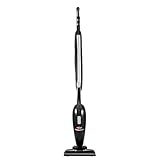
- VC Score8.8
BCP Score is a ranking system developed by bestcleanerproducts.com. BCP Score has no relationship or impact from any manufacturers or sales agent websites. Learn more
- BrandBissell

- VC Score8.6
BCP Score is a ranking system developed by bestcleanerproducts.com. BCP Score has no relationship or impact from any manufacturers or sales agent websites. Learn more
- BrandBLACK+DECKER

- VC Score8.6
BCP Score is a ranking system developed by bestcleanerproducts.com. BCP Score has no relationship or impact from any manufacturers or sales agent websites. Learn more
- BrandKARDV
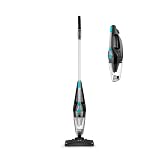
- VC Score8.4
BCP Score is a ranking system developed by bestcleanerproducts.com. BCP Score has no relationship or impact from any manufacturers or sales agent websites. Learn more
- BrandEureka
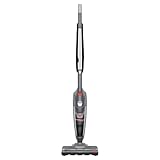
- VC Score8.2
BCP Score is a ranking system developed by bestcleanerproducts.com. BCP Score has no relationship or impact from any manufacturers or sales agent websites. Learn more
- BrandBissell

- VC Score8.2
BCP Score is a ranking system developed by bestcleanerproducts.com. BCP Score has no relationship or impact from any manufacturers or sales agent websites. Learn more
- BrandBLACK+DECKER

- VC Score8.0
BCP Score is a ranking system developed by bestcleanerproducts.com. BCP Score has no relationship or impact from any manufacturers or sales agent websites. Learn more
- BrandDirt Devil
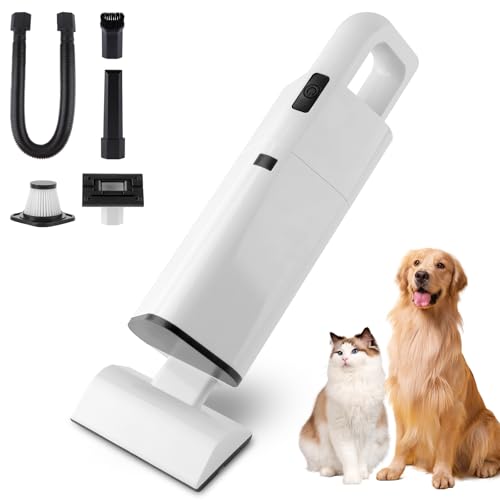
- VC Score7.4
BCP Score is a ranking system developed by bestcleanerproducts.com. BCP Score has no relationship or impact from any manufacturers or sales agent websites. Learn more
- Brandred mitochondria
Last update on 2026-06-26 / Affiliate links / Images, Product Titles, and Product Highlights from Amazon Product Advertising API
How to Use Vacuum on Stairs
Climbing up and down staircases can feel like a battle when dust, crumbs, and pet hair sneak into every corner. Carrying heavy machines, juggling cords, and struggling with attachments often leaves people frustrated before they even start. Thankfully, a few practical steps make vacuuming stairs faster, safer, and more effective. Mastering proper placement and technique transforms this chore from a dreaded task into a manageable routine.
Choosing The Right Vacuum And Attachments
Selecting a vacuum with a lightweight design and flexible hose dramatically eases stair cleaning. Stick vacuums or compact cordless models reduce strain and improve maneuverability. Focus on ergonomics, suction power, and portability to prevent fatigue while ensuring debris is removed thoroughly. A heavy machine might offer raw power, but mobility is just as critical.
Attachments like crevice tools, dusting brushes, and mini motorized heads allow access to tight corners and edges. Using the correct attachment ensures even deep fibers and edges are cleaned, which prevents dust accumulation over time. Brushes with soft bristles protect delicate surfaces while lifting stubborn dirt. Understanding attachment function improves both safety and efficiency.
Many people overlook cord management. Long cords or poorly positioned plugs can lead to trips and awkward stretches. Using a vacuum with a retractable cord or a long reach battery-operated model can be a real game changer. Minimizing tension on the cord enhances control and keeps the process smoother.
Consider suction settings carefully. High suction is effective for dense carpet, but it can cause strain when maneuvering on stairs. Adjustable settings let you balance power and control, especially on slippery or wooden steps. This balance ensures efficient cleaning without compromising safety.
Top-to-Bottom Technique
Starting from the top step and working downward reduces recontamination. Dirt and dust fall naturally, so beginning at the top prevents cleaned sections from getting dirty again. Proper sequencing saves time and ensures each step is attended to thoroughly.
Use steady, overlapping strokes instead of quick swipes. Slow movements allow attachments to collect debris fully and reduce the risk of missed spots. This approach highlights attention to detail and maintains consistent results.
While moving downwards, maintain a firm grip and stable stance. Position the vacuum securely on each step to avoid slips or tipping. Safety and effective cleaning go hand-in-hand, making stability a key factor for success.
Edge-to-edge coverage matters. Focus on risers, corners, and the edges where footsteps push debris. These often-hidden areas harbor the majority of dust and hair. Prioritizing these spots increases overall cleanliness and satisfaction with the process.
Effective Carpet And Surface Handling
Carpeted stairs require different attention compared to hardwood or tiled steps. Using motorized brush attachments or high-suction settings helps lift dirt from deep fibers. Maintaining carpet integrity is important; aggressive scrubbing can fray fibers and reduce longevity.
Hardwood or tile surfaces benefit from soft brush attachments to prevent scratches. Removing loose particles first prevents scratching during more thorough vacuuming. Paying attention to material differences ensures both cleanliness and preservation.
Spot cleaning stubborn areas, like high-traffic stair centers, improves appearance. Targeted suction and slower strokes lift embedded dirt that standard passes may leave behind. Highlighting precision cleaning ensures stairs remain safe and visually appealing.
Periodic deep cleaning with a slightly higher suction or specialized brush keeps carpets and surfaces in top condition. This approach balances routine maintenance with occasional intensive effort. Scheduling deep cleans reinforces long-term cleanliness and prevents buildup.
Managing Dust And Allergens
Stairs tend to accumulate allergens from foot traffic and pets. Using a vacuum with HEPA filtration captures fine dust and prevents redistribution into the air. Filtration quality is crucial for maintaining a healthy home environment.
Empty the dustbin or bag frequently during stair cleaning. Overfilled containers reduce suction and can scatter debris. Regular maintenance preserves performance and prevents unnecessary frustration.
For those sensitive to allergens, lightly misting stairs with water or using anti-allergen sprays before vacuuming can minimize airborne particles. Combining these strategies enhances effectiveness. Emphasizing air quality control helps protect respiratory health.
Routine attention to stairs reduces overall dust accumulation throughout the house. Each small step taken in consistent cleaning pays off by lowering long-term allergen exposure. Highlighting this cumulative benefit encourages ongoing maintenance.
Dealing With Pet Hair
Pet owners often struggle with hair embedded in carpet fibers along stair edges. Using rubberized brush attachments or mini motorized heads can lift hair effectively. Targeted tools reduce the number of passes needed and minimize strain.
Vacuum slowly over pet paths, especially corners and tread edges where fur collects. Rapid sweeps may miss embedded strands. Slow, deliberate cleaning enhances hair removal efficiency and prevents frustration.
High-suction modes on carpeted stairs are helpful, but watch for attachments clogging with hair. Regular cleaning of brushes maintains performance. Recognizing these limitations prevents unnecessary downtime and keeps the process smooth.
For thick or long-haired pets, periodic deep vacuuming ensures stairs remain clean. Using attachments designed for hair removal provides better results. Attention to these material-specific challenges increases overall satisfaction.
Maintaining Stair Vacuum Equipment
Consistent maintenance keeps vacuums operating at peak efficiency. Clean filters, brushes, and hoses prevent loss of suction. Proper care prolongs lifespan and improves performance during stair cleaning.
Inspect attachments regularly for wear. Worn or bent brushes may damage carpets or surfaces. Replacing parts on schedule maintains optimal functionality and safety.
Battery-operated models require charging routines that match cleaning schedules. Ensuring full charge prevents interruptions during stair work. Managing power effectively is an overlooked yet crucial operational factor.
Storing vacuums properly, away from moisture and debris, safeguards both the machine and attachments. Protective storage prolongs effectiveness and ensures readiness for routine tasks. Highlighting storage discipline reinforces efficiency and care.
Safety Precautions On Stairs
Slips and falls are a real risk during stair vacuuming. Maintain a stable stance and secure footing throughout the cleaning process. Safety awareness is a non-negotiable key factor in preventing accidents.
Ensure cords are routed safely and not creating tripping hazards. Battery-powered vacuums eliminate this risk entirely, providing a safer alternative. Understanding hazards reduces stress and improves workflow.
Do not overreach with attachments; move the vacuum rather than stretching dangerously. Repositioning equipment carefully prevents strain and accidental drops. Highlighting posture and ergonomics supports both safety and efficiency.
Always check stair surfaces before cleaning. Loose carpeting, rugs, or debris can cause slips. Pre-cleaning inspections are an important prevention step that makes the task smoother and safer.
Best Way To Vacuum Stairs Safely And Thoroughly
Dust rarely stays where people expect it. Stair corners, risers, and edges quietly collect debris day after day, and many cleaning routines miss those hidden areas entirely. Building a consistent approach around efficiency, safety, and thorough coverage helps maintain cleaner stairs without turning every session into a workout.
Common Stair Vacuuming Mistakes
Many people move the vacuum head too quickly across each step. Fast passes often leave behind embedded dirt, pet hair, and fine dust trapped deep within carpet fibers. Slowing down slightly allows strong suction and better debris pickup while reducing the need to repeat the job later.
Another frequent issue involves ignoring stair risers. Dirt doesn't only settle where feet land. Dust sticks to vertical surfaces as well, especially in homes with pets or heavy traffic. Paying attention to risers, corners, and base edges creates noticeably cleaner results.
Some people drag a large vacuum up and down the staircase without securing it properly. That approach increases the risk of tipping or accidental damage. Stable positioning creates a safer cleaning experience and allows more focus on removing dirt rather than managing equipment.
Attachment misuse also creates problems. A floor head designed for wide open rooms may struggle on narrow stair treads. Switching to specialized tools often improves precision, control, and cleaning consistency.
Creating A Simple Weekly Stair Routine
Small cleaning sessions prevent overwhelming buildup. Vacuuming stairs once or twice each week usually requires far less effort than tackling weeks of accumulated dust. Consistency supports cleaner carpets, fresher air, and less visible dirt.
Start with loose debris near the top landing. Then move gradually downward while paying attention to traffic patterns. Areas near handrails often collect additional dust because hands, clothing, and movement naturally transfer particles throughout the day.
Pet households benefit from extra attention around stair edges. Fur tends to gather where airflow and foot traffic push it repeatedly. A dedicated pet attachment helps lift stubborn hair without excessive scrubbing.
Routine maintenance also helps protect carpet appearance. Dirt particles act like tiny abrasives beneath shoes. Removing them regularly supports longer carpet life, better texture, and reduced wear patterns.
Handling Stairs With Different Materials
Not every staircase presents the same challenge. Carpeted stairs trap debris deep within fibers, while hardwood steps expose dust more visibly. Adapting techniques to the surface improves both cleanliness and protection.
Hardwood stairs benefit from brush attachments that prevent scratching. Aggressive brush rolls may scatter debris or leave marks on sensitive finishes. Gentle tools paired with controlled suction preserve surface appearance and material durability.
Tile staircases often collect grit inside grout lines. In homes with significant hard flooring, reviewing options like best upright vacuum tile floors can help improve overall cleaning performance beyond the staircase itself. The right equipment supports strong pickup and consistent floor care.
Mixed-material staircases require flexibility. Carpet runners combined with hardwood edges demand different attachments during the same session. Switching tools strategically often produces better outcomes than relying on a single attachment from start to finish.
Managing Tight Corners And Hidden Debris
Dust has a remarkable ability to hide in places people rarely notice. Stair corners, trim edges, and spaces beneath railings can accumulate debris long before it becomes visible. Crevice tools help target these locations while maintaining precision cleaning and efficient airflow.
Lighting conditions affect what people see. Bright daylight often reveals dust that seemed invisible during evening cleaning sessions. A flashlight or built-in vacuum LED can expose overlooked debris and improve cleaning accuracy.
Textured stair materials create additional challenges. Dirt settles into grooves and seams where standard floor heads struggle to reach. Specialized attachments provide better contact and more effective extraction.
Paying attention to overlooked spaces prevents gradual buildup. Small areas may seem insignificant individually, but together they contribute heavily to the overall appearance of the staircase.
Reducing Slip Risks During Cleaning
Safety deserves as much attention as cleanliness. A staircase becomes hazardous when cleaning tools, cords, or loose debris create obstacles. Maintaining a clear path supports better footing, reduced risk, and greater confidence while working.
Vacuum cords should remain behind the cleaning path whenever possible. Tangled cords can catch on railings or create tripping hazards. Cordless models simplify movement, although battery management becomes more important.
Some stair materials become slippery after cleaning if dust or residue remains. Homeowners concerned about traction may also benefit from reviewing guidance related to fix slippery pool steps, since many of the same principles involving grip, maintenance, and surface awareness apply to stair safety.
Stable posture matters throughout the cleaning process. Standing one or two steps above the area being cleaned often provides better balance than stretching awkwardly across multiple steps.
Keeping Vacuum Performance Strong Over Time
Reduced suction frequently traces back to maintenance issues rather than equipment age. Filters clogged with dust restrict airflow and force the motor to work harder. Regular filter care supports consistent suction, better airflow, and improved cleaning efficiency.
Brush rolls deserve routine inspection as well. Hair, string, and carpet fibers often wrap around moving parts. Removing those obstructions helps maintain smooth operation and prevents unnecessary strain on the vacuum.
Dust bins should be emptied before they become completely full. Packed debris reduces airflow and limits cleaning effectiveness. A quick emptying routine often delivers noticeably better results during stair cleaning sessions.
Storage habits matter more than many people realize. Keeping equipment clean and protected from moisture helps preserve performance while extending the lifespan of attachments and moving components.
Making Stair Cleaning Faster Without Sacrificing Results
Efficiency comes from process rather than speed. Working methodically from top to bottom reduces repeated effort and keeps debris moving in a predictable direction. That simple habit improves workflow, coverage, and overall effectiveness.
Preparing attachments before starting prevents interruptions midway through the task. Switching tools repeatedly wastes time and often breaks concentration. Organizing equipment in advance creates a smoother experience.
Stair cleaning becomes easier when combined with nearby floor maintenance. Homes that require frequent vacuuming across multiple surfaces may benefit from researching equipment categories such as best vacuum cleaner hotel use, which focus heavily on durability and continuous operation across demanding environments.
Consistent habits, careful technique, and attention to overlooked details turn stair vacuuming into a straightforward routine. Cleaner steps, reduced dust accumulation, and improved safety all stem from focusing on the small details, practical techniques, and long-term maintenance habits that make a real difference.

How to Raise CYA in Your Pool Safely

How to Refinish a Fiberglass Pool

How Do You Keep Raccoons Out of Your Pool?

How to Fix Cyanuric Acid in Your Pool

How to Shape a Pool Cue Tip to Stop Miscues

Best Far Infrared Sauna Sauna Heats: Top Picks of 2026

11 Best Far Infrared Sauna Carbon Fiber Heaters of 2026 For Balanced Full-Body Heat

11 Best Carbon Far Infrared Sauna of 2026 For Even Heat








