
How to Use a Leaf Blower Vacuum Without the Hassle

How to Use a Leaf Blower Vacuum often sounds simple until piles of leaves start scattering across the lawn, flower beds get covered again, and cleanup takes far longer than expected. Yard maintenance becomes much easier when the machine is used with a clear plan instead of rushing from one area to another. Small adjustments in technique can make a noticeable difference in how quickly debris is collected and how tidy the landscape looks afterward. A little preparation goes a long way toward reducing effort and preventing unnecessary repeat work.
Leaf buildup rarely appears in neat piles. Wind shifts debris into corners, under shrubs, around fences, and across walkways. That's why understanding the difference between blower mode and vacuum mode matters so much. Blower mode helps gather scattered debris into manageable piles, while vacuum mode handles final collection more efficiently. Switching between the two at the right time keeps the process smooth instead of turning it into an all-day chore.
Wet leaves can throw a wrench into even the best cleanup plans. Heavy, damp debris tends to clog intake tubes and fill collection bags faster than expected. Dry conditions generally produce better results, but that's not always possible. In those situations, working in smaller sections and avoiding overloaded bags helps maintain airflow and prevents frustrating stoppages.
Mulching capability is another feature that often gets overlooked. Many people focus only on collecting leaves, yet a mulching function can significantly reduce waste volume. Chopped material takes up less space and can be reused around trees, garden beds, and landscaping areas. That simple step cuts down on disposal trips and gives organic material a second purpose.
Safety deserves attention too. Loose stones, sticks, and hidden debris can become troublesome if sucked into the machine. A quick scan of the work area helps avoid equipment damage and unnecessary interruptions. Proper eye protection and stable footwear also make outdoor cleanup more comfortable, especially on uneven ground or sloped sections of the yard.
Noise, weight, and maneuverability influence the overall experience more than many expect. Long cleanup sessions become tiring when the machine is difficult to handle. Moving steadily instead of rushing allows better control and more consistent collection. Before long, what seemed like a messy, overwhelming task starts feeling organized and manageable.
Seasonal maintenance becomes far less stressful once a routine is established. Consistent cleanup prevents leaves from building into thick layers that trap moisture and affect lawn health. By combining efficient collection techniques with thoughtful mulching and disposal habits, How to Use a Leaf Blower Vacuum turns from a confusing question into a practical skill that saves both time and energy throughout the year.

- VC Score8.4
BCP Score is a ranking system developed by bestcleanerproducts.com. BCP Score has no relationship or impact from any manufacturers or sales agent websites. Learn more
- BrandWORX

- VC Score8.4
BCP Score is a ranking system developed by bestcleanerproducts.com. BCP Score has no relationship or impact from any manufacturers or sales agent websites. Learn more
- BrandWORX

- VC Score8.4
BCP Score is a ranking system developed by bestcleanerproducts.com. BCP Score has no relationship or impact from any manufacturers or sales agent websites. Learn more
- BrandHusqvarna

- VC Score8.2
BCP Score is a ranking system developed by bestcleanerproducts.com. BCP Score has no relationship or impact from any manufacturers or sales agent websites. Learn more
- BrandBLACK+DECKER
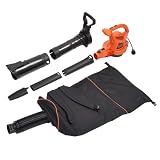
- VC Score8.2
BCP Score is a ranking system developed by bestcleanerproducts.com. BCP Score has no relationship or impact from any manufacturers or sales agent websites. Learn more
- BrandBLACK+DECKER

- VC Score8.2
BCP Score is a ranking system developed by bestcleanerproducts.com. BCP Score has no relationship or impact from any manufacturers or sales agent websites. Learn more
- BrandGreenworks

- VC Score7.6
BCP Score is a ranking system developed by bestcleanerproducts.com. BCP Score has no relationship or impact from any manufacturers or sales agent websites. Learn more
- BrandLawnMaster

- VC Score7.6
BCP Score is a ranking system developed by bestcleanerproducts.com. BCP Score has no relationship or impact from any manufacturers or sales agent websites. Learn more
- BrandCRAFTSMAN
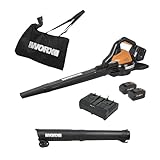
- VC Score7.4
BCP Score is a ranking system developed by bestcleanerproducts.com. BCP Score has no relationship or impact from any manufacturers or sales agent websites. Learn more
- BrandWORX

- VC Score6.8
BCP Score is a ranking system developed by bestcleanerproducts.com. BCP Score has no relationship or impact from any manufacturers or sales agent websites. Learn more
- BrandGreenSweep
Last update on 2026-06-05 / Affiliate links / Images, Product Titles, and Product Highlights from Amazon Product Advertising API
How to Use a Leaf Blower Vacuum
Leaves piling up faster than you can sweep can turn a weekend chore into a full-blown headache. Tackling the yard becomes simpler when the approach is strategic, rather than chaotic, letting you focus on results instead of scattered debris. That's where a leaf blower vacuum comes into play, blending strong airflow and collection capabilities to streamline cleanup. Mastering a few key techniques ensures the job finishes quicker and with less effort, while preserving the health of your lawn and garden.
Leaf Blower Vacuum Basics
Getting started with a leaf blower vacuum means recognizing its dual roles: blowing and vacuuming. Blower mode helps consolidate loose leaves, while vacuum mode picks up piles efficiently, cutting the number of passes needed. Adjusting the airflow to match the volume and type of debris enhances performance, preventing clogs and machine strain. Ignoring these basics can turn what should be a convenient tool into a frustrating obstacle.
Machine weight and ergonomics are equally crucial. Lightweight units reduce fatigue over extended cleanup sessions, while comfortable handles and balanced designs allow precise control. Even short bursts of use become smoother when the device fits naturally in hand, limiting repetitive strain. Planning your movement patterns around these strengths also enhances efficiency.
Proper nozzle selection impacts both speed and thoroughness. Wider nozzles push more leaves but may be harder to maneuver near garden beds, while narrow attachments excel in tight corners. Switching between options at different stages prevents the usual frustration of leftover debris. Users notice that even a minor nozzle adjustment can dramatically improve coverage and reduce time spent.
Another key point is safety. Flying sticks and stones can cause injury or damage the blower, so checking the area beforehand is vital. Eye protection and stable footing are non-negotiable, especially on slopes or uneven terrain. Respecting these precautions ensures consistent performance and keeps the cleanup process stress-free.
Optimizing Blower Mode
Blower mode excels at gathering scattered leaves into manageable piles. Starting at one edge of the yard and moving systematically avoids creating new messes elsewhere. A sweeping motion, paired with strategic pauses, allows leaves to accumulate in a single, central area for collection. Proper use reduces back-and-forth walking and keeps energy levels steady.
Wind conditions influence blower efficiency. Working with the wind, rather than against it, amplifies airflow and reduces the number of passes required. Observing local microclimates around trees and fences prevents leaves from redistributing unexpectedly. This approach saves both time and effort.
Consistency in movement ensures even coverage. Hasty, erratic sweeps scatter debris, while deliberate, rhythmic passes consolidate leaves effectively. Users find that pacing themselves produces smoother piles and less need for corrective passes. Control is as important as raw power in achieving a clean lawn.
Regularly clearing the blower intake prevents blockages. Leaves and small twigs can jam tubes, slowing work and causing frustration. Maintaining the device's airflow maximizes the effectiveness of each pass. It's a small habit that pays off in speed and reliability over the season.
Vacuum Mode Efficiency
Switching to vacuum mode is where the collected piles disappear quickly. Adjusting the tube height to match the debris depth ensures maximum suction without overloading the bag. Overfilled bags reduce airflow and strain the motor, so frequent emptying is preferable to pushing for one long run. This careful attention preserves machine longevity and maintains cleanup speed.
Choosing the right filter type enhances collection. Standard filters handle dry leaves well, while finer mesh prevents dust from escaping into the air. Users report that optimal filter selection improves both cleanliness and machine efficiency, reducing repeated trips over the same area. Keeping filters clean also lowers maintenance demands.
Vacuuming in small, consistent sections prevents missed patches and reduces overlap. Concentrating on one area before moving on ensures every leaf is collected and avoids wasted effort. This systematic approach makes the task feel more manageable, even with large yards. A consistent method beats rushing every time.
Adjusting suction power depending on the type of debris is key. Light, dry leaves require moderate power, while damp or heavier materials may need full suction. Calibrating the machine to match conditions prevents clogging and extends bag life. Understanding this difference improves results and reduces frustration.
Mulching Leaves for Yard Health
Many leaf blower vacuums include a mulching feature, transforming collected debris into smaller particles. Mulched leaves take up less space and can be returned to garden beds, enriching soil naturally. This feature not only saves disposal trips but also benefits lawn health by returning nutrients. Integrating mulching into your routine enhances efficiency and environmental impact.
Switching from collection to mulching requires proper bag setup and occasional monitoring. Overstuffed mulching chambers reduce effectiveness, so emptying when half-full keeps performance steady. Users note that fine-tuning this step results in uniform mulch ready for composting or direct application. Small adjustments have large payoffs.
Mulch consistency affects usability. Coarse particles may clump, while finer mulch spreads evenly across garden areas. Achieving the right consistency requires adjusting the shredder mechanism and monitoring debris type. Maintaining balance ensures a tidy appearance and maximizes the benefit to soil and plants.
Mulching also minimizes waste volume. Instead of multiple trips to the curb, a single pass can process a substantial pile of leaves. Users who embrace this feature report shorter cleanup times and more productive yard maintenance. The environmental benefit adds an extra layer of satisfaction.
Handling Wet Leaves
Wet leaves pose a unique challenge due to their weight and tendency to stick together. Working in small sections prevents the machine from clogging and maintains steady airflow. Drying wet areas with a few hours of sun exposure or choosing less dense sections can improve efficiency. Planning cleanup around moisture levels reduces frustration and physical strain.
Using lower suction settings initially prevents immediate blockages. Gradually increasing power as debris dries or loosens avoids overloading the machine. Users notice that gentle, deliberate passes protect both the motor and collection bag. The process becomes less of a chore and more of a controlled task.
Adjusting nozzle angles can help lift stuck leaves. Angling the tube slightly allows airflow to separate wet clumps without excessive force. This technique improves pickup efficiency and reduces repetitive manual raking. The right nozzle handling makes a noticeable difference in speed and results.
Combining blower and vacuum modes strategically works best. Blower mode moves wet leaves into manageable piles, then vacuum mode collects them incrementally. This method reduces strain on the bag and prevents frequent stoppages. Users find that integrating both modes solves the problem more efficiently than relying on one alone.
Creating an Effective Cleanup Plan
Jumping into yard work without a plan often leads to uneven piles and repeated effort. Mapping the yard into sections and following a logical path improves results. Starting at the furthest point and working back toward exits reduces retracing steps and keeps momentum steady. Planning also helps prioritize problem areas like corners and dense foliage.
Assessing Yard Layout
Identifying obstacles such as flower beds, fences, and uneven ground guides machine navigation. Adjusting movement patterns and nozzle angles around these areas prevents missed debris and accidental damage. Users quickly learn that visual inspection before starting saves time and frustration. A clear understanding of the space maximizes machine efficiency and protects plantings.
Recognizing wind patterns in your yard enhances efficiency. Leaves often accumulate along fences or in low-lying areas. Aligning blower paths with prevailing winds reduces scatter and consolidates debris naturally. This minor adjustment significantly shortens cleanup time while improving results.
Time of day affects leaf behavior. Morning dew or recent rainfall increases clumping, while midday sun dries leaves for easier pickup. Planning cleanup according to moisture conditions ensures smoother operation and less strain on the equipment. Users notice a dramatic difference in effort when adjusting for timing.
Integrating mulch and collection zones into the plan ensures the yard is not only clean but productive. Deciding in advance where mulched material will be applied or stored streamlines workflow and reduces interruptions. Strategic placement helps maintain a neat and organized property consistently.
Best Practices For Using A Leaf Blower Vacuum
A clean yard rarely happens by accident. Consistent results usually come from a routine that matches the conditions of the property rather than relying on brute force. Leaves collect differently around fences, trees, flower beds, and hardscapes, so adapting your approach helps avoid wasted effort. Paying attention to these details leads to faster cleanup, less physical strain, and a noticeably tidier landscape.
Managing Collection Bags Efficiently
Many cleanup sessions slow down because the collection bag becomes too heavy before anyone notices. A partially filled bag maintains stronger airflow and helps the vacuum continue operating at its intended capacity. Waiting until the bag is completely packed often reduces suction and creates unnecessary strain on the motor. Keeping an eye on bag weight is one of the easiest ways to maintain consistent performance.
Material type matters as well. Dry leaves compress differently than damp leaves, and that affects how quickly the bag fills. Large maple leaves may occupy space faster than finely mulched oak leaves. Recognizing these differences helps create a more predictable cleanup process and improves overall efficiency.
Emptying debris in designated compost areas can reduce waste and support healthier gardens. Mulched leaves break down faster and contribute valuable organic matter to the soil. Gardeners often appreciate how this simple habit transforms yard waste into a useful resource. That added benefit makes the cleanup process feel more productive.
Storage matters after the job is done. Leaving wet debris in a collection bag encourages odors, mold, and premature wear. A quick rinse and proper drying routine protects the bag and extends its lifespan. Small maintenance habits often deliver the biggest long-term rewards.
Protecting Garden Beds And Landscaping
Flower beds can become accidental targets during aggressive blowing sessions. Strong airflow easily displaces mulch, lightweight soil, and newly planted seedlings. Lower power settings near landscaping features provide better control and reduce the need for extra repair work afterward. Protecting these areas preserves the visual appeal of the yard while maintaining healthy plant growth.
Directional control makes a huge difference around delicate plants. Angling airflow away from stems and roots prevents damage while still moving unwanted debris. Working patiently around shrubs and perennials often produces cleaner results than rushing through the area. The extra attention helps preserve valuable landscaping investments.
Ground cover plants present another challenge. Leaves tend to settle deep within dense foliage where traditional rakes struggle. A controlled vacuum approach removes debris while minimizing disturbance to the plants below. This method helps maintain both appearance and plant health throughout the season.
Yards that include patios, retaining walls, or decorative stone borders require a slightly different strategy. Hard surfaces reflect airflow and can redirect leaves unpredictably. Taking a few extra moments to adjust direction prevents debris from returning to already cleaned areas. That simple adjustment improves cleanup accuracy and reduces repetitive work.
Reducing Noise And Fatigue During Long Sessions
Long cleanup sessions can become exhausting even with a lightweight machine. Alternating tasks between blowing, vacuuming, and emptying bags provides short recovery periods without stopping progress. Consistent pacing often produces better results than trying to finish everything as quickly as possible. Energy management plays a major role in achieving comfortable operation.
Proper posture helps more than many people realize. Holding the machine too high or leaning forward excessively places unnecessary stress on the shoulders and lower back. Maintaining a relaxed stance improves control while reducing fatigue. Small ergonomic adjustments often make several hours of work feel much easier.
Ear protection is worth considering, especially during larger projects. Even moderate equipment noise becomes tiring over time. Reducing sound exposure helps maintain concentration and comfort throughout the task. Protecting hearing is a practical step that often gets overlooked.
Equipment balance also affects endurance. Shoulder straps and harness systems distribute weight more evenly across the body. A properly adjusted setup creates smoother movement and improves handling in tight spaces. Better balance translates into greater control and a more pleasant experience overall.
Using A Leaf Blower Vacuum Around Outdoor Features
Pools, decks, and outdoor living spaces often collect leaves faster than open lawn areas. Leaves trapped near pool edges can create slippery conditions and increase maintenance demands. While managing debris around these areas, explore fix slippery pool steps techniques to improve safety and reduce accidents around wet surfaces. Combining cleanup and prevention saves time over the long run.
Outdoor furniture presents another collection point for leaves, pollen, and dust. Cushions, chair frames, and table corners frequently trap debris that spreads back into the yard during windy conditions. Vacuum mode helps remove loose material from surrounding areas before it becomes a recurring problem. This extra step contributes to a cleaner and more inviting outdoor space.
Storage sheds and garages often become leaf magnets during seasonal weather changes. Air currents funnel debris toward doorways and corners where buildup continues unnoticed. Addressing these zones regularly prevents larger cleanup projects later. Small efforts performed consistently usually deliver better results than occasional intensive work.
Walkways deserve attention too. Leaves left on hard surfaces can become slippery after rain or morning moisture. Removing them promptly improves appearance and helps create a safer environment. Maintaining clear pathways contributes to overall property safety throughout the year.
Common Mistakes That Waste Time
Starting without a plan remains one of the biggest mistakes people make. Random movement often creates multiple piles that require additional work later. A clear route across the property improves efficiency and prevents leaves from being blown back into cleaned areas. Strategic movement supports faster results and less frustration.
Ignoring weather conditions creates another common problem. Strong winds can undo progress quickly and scatter leaves across neighboring sections of the yard. Monitoring conditions before beginning helps avoid unnecessary effort. A short delay sometimes saves hours of repeated work.
Many people rely entirely on maximum power settings. More power isn't always better. Excessive airflow can scatter leaves beyond the intended collection zone and make control more difficult. Matching power levels to conditions improves precision and supports better debris management.
Neglecting routine maintenance often leads to declining performance. Dirty filters, worn collection bags, and clogged tubes reduce efficiency over time. Regular inspections help identify issues before they become major interruptions. Consistent maintenance protects both performance and equipment longevity.
Keeping Equipment Ready For Every Season
Seasonal transitions place different demands on outdoor equipment. Spring cleanup may involve lighter debris, while fall often introduces dense layers of leaves. Adjusting techniques and maintenance schedules according to the season helps maintain reliable performance. Flexibility contributes to year-round effectiveness.
Cleaning filters after major projects prevents airflow restrictions from developing gradually. A neglected filter forces the motor to work harder and reduces suction strength. Regular inspection takes only a few minutes yet delivers meaningful performance benefits. Consistency is usually more important than complexity.
Dust accumulation inside storage areas can affect nearby electronics and sensitive equipment. While organizing garages or workshops, consider solutions discussed in best small vacuum for furniture resources for tackling compact spaces and detailed cleaning tasks. Combining the right tools for different jobs creates a more efficient maintenance routine.
Proper off-season storage protects hoses, collection bags, and moving components from unnecessary wear. Dry environments reduce the risk of mold, corrosion, and material degradation. Investing a little time before storage helps ensure the machine remains ready for the next cleanup cycle. Reliable equipment starts with consistent care.


How to Refinish a Fiberglass Pool

How Do You Keep Raccoons Out of Your Pool?

How to Fix Cyanuric Acid in Your Pool

How to Shape a Pool Cue Tip to Stop Miscues

Best Far Infrared Sauna Sauna Heats: Top Picks of 2026

11 Best Far Infrared Sauna Carbon Fiber Heaters of 2026 For Balanced Full-Body Heat

11 Best Carbon Far Infrared Sauna of 2026 For Even Heat

10 Best Bluetooth Speaker For Sauna of 2026 For Heat and Steam


