
How to Use a Cosmetic Vacuum Travel Bottle Right

How to Use a Cosmetic Vacuum Travel Bottle sounds simple at first glance, yet plenty of people end up dealing with clogged pumps, leftover product trapped at the bottom, or messy leaks inside a travel bag. A vacuum travel bottle works differently from a standard container because it uses an airless mechanism that pushes product upward as it gets used. That small design change helps reduce exposure to air, which can be especially helpful for creams, serums, lotions, and other formulas that don't benefit from constant contact with oxygen. Understanding the basic setup can save frustration and help every drop go where it's supposed to.
Filling the bottle correctly makes a bigger difference than many expect. Product should be transferred carefully without trapping large air pockets, since excess air can interfere with smooth dispensing. A clean spatula or cosmetic transfer tool often works better than pouring directly from a large container. Once filled, several pump presses may be needed before the vacuum system starts moving product upward, so don't panic if nothing comes out immediately.
Travel introduces its own set of challenges, and that's where airless storage starts to shine. Cabin pressure changes, frequent movement, and temperature fluctuations can turn ordinary containers into a headache. A properly prepared vacuum bottle helps reduce leakage risks while keeping favorite skincare products organized and compact. Small details like securing the cap tightly and avoiding overfilling can make a noticeable difference during a trip.
Cleanliness also plays a major role in long-term performance. Residue around the pump opening can gradually affect dispensing consistency, especially with thicker creams. Regular maintenance helps preserve the vacuum mechanism and keeps products hygienic. A few moments of care can extend the usefulness of both the container and the product inside it.
Many people buy vacuum travel bottles expecting instant convenience, then overlook how the system actually works. The good news is that the learning curve is short. Once the filling, pumping, and cleaning process becomes familiar, the bottle turns into a practical solution for carrying skincare essentials with less waste, fewer spills, and more reliable product access. That combination of portability, cleanliness, and efficient dispensing explains why these containers continue to gain attention among people who prefer a more organized routine.

- VC Score10.0
BCP Score is a ranking system developed by bestcleanerproducts.com. BCP Score has no relationship or impact from any manufacturers or sales agent websites. Learn more
- BrandTelooco

- VC Score10.0
BCP Score is a ranking system developed by bestcleanerproducts.com. BCP Score has no relationship or impact from any manufacturers or sales agent websites. Learn more
- BrandOIIKI

- VC Score9.0
BCP Score is a ranking system developed by bestcleanerproducts.com. BCP Score has no relationship or impact from any manufacturers or sales agent websites. Learn more
- BrandGIVITASOT

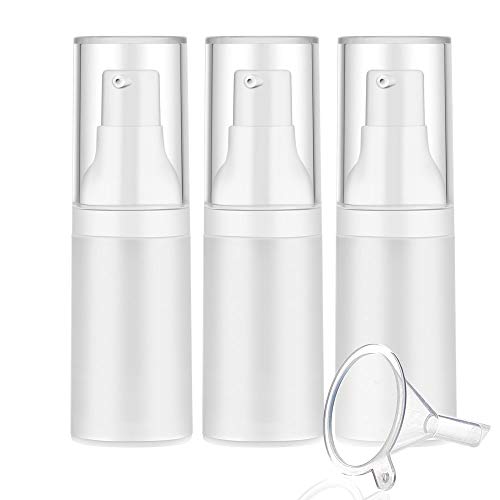
LONGWAY 3pcs Empty Refillable Airless Pump Bottle,Travel Foundation Containers,Airless Cosmetic
View on Amazon- VC Score9.0
BCP Score is a ranking system developed by bestcleanerproducts.com. BCP Score has no relationship or impact from any manufacturers or sales agent websites. Learn more
- Brandlongway

- VC Score8.8
BCP Score is a ranking system developed by bestcleanerproducts.com. BCP Score has no relationship or impact from any manufacturers or sales agent websites. Learn more
- BrandIFDGCTK
- VC Score8.8
BCP Score is a ranking system developed by bestcleanerproducts.com. BCP Score has no relationship or impact from any manufacturers or sales agent websites. Learn more
- BrandMILD EAST

- VC Score8.6
BCP Score is a ranking system developed by bestcleanerproducts.com. BCP Score has no relationship or impact from any manufacturers or sales agent websites. Learn more
- BrandBlingKingdom

- VC Score8.6
BCP Score is a ranking system developed by bestcleanerproducts.com. BCP Score has no relationship or impact from any manufacturers or sales agent websites. Learn more
- BrandLulupack

- VC Score8.4
BCP Score is a ranking system developed by bestcleanerproducts.com. BCP Score has no relationship or impact from any manufacturers or sales agent websites. Learn more
- BrandMluchee

- VC Score8.0
BCP Score is a ranking system developed by bestcleanerproducts.com. BCP Score has no relationship or impact from any manufacturers or sales agent websites. Learn more
- BrandSylavilla

- VC Score8.0
BCP Score is a ranking system developed by bestcleanerproducts.com. BCP Score has no relationship or impact from any manufacturers or sales agent websites. Learn more
- BrandAiyorse

- VC Score7.8
BCP Score is a ranking system developed by bestcleanerproducts.com. BCP Score has no relationship or impact from any manufacturers or sales agent websites. Learn more
- BrandHzopcw
Last update on 2026-06-05 / Affiliate links / Images, Product Titles, and Product Highlights from Amazon Product Advertising API
How To Use A Cosmetic Vacuum Travel Bottle
A leaky pouch can ruin the mood before the trip even starts. Thick moisturizer on a toothbrush, serum on a shirt collar, foundation sliding across a toiletry bag, yep, that mess gets old fast. The real value of how to use a cosmetic vacuum travel bottle sits in the small details: clean filling, steady pumping, and smart storage. Done right, this little bottle keeps skincare easier to carry, less wasteful, and far less annoying on busy mornings.
Cosmetic Vacuum Travel Bottle
A cosmetic vacuum travel bottle uses an airless dispensing system instead of a dip tube. The base plate inside the container slowly moves upward as product leaves the bottle. That design helps push creams, lotions, serums, and gels toward the pump without leaving a stubborn puddle at the bottom. It also reduces repeated air exposure, which matters for formulas that feel fussy after being opened too often.
The first mistake happens before the bottle even gets filled. A dirty funnel, wet hands, or a dusty counter can turn a tidy refill into a messy little science project. Clean the bottle parts with warm water, let them dry fully, and keep the pump area away from lint or towel fibers. Dry parts matter because leftover moisture can thin out a formula or create residue around the pump.
Product texture matters, too. Lightweight lotions, facial gels, liquid foundation, sunscreen, hand cream, and smooth serums usually move through a vacuum pump bottle without much drama. Very chunky scrubs, clay masks, grainy exfoliants, or products with shimmer flakes can clog the pump and make dispensing uneven. A bottle that feels perfect for moisturizer may be a headache for thick balm, so match the container to the formula instead of forcing it.
Size should fit the trip, not the fantasy version of the trip. A tiny bottle works well for a weekend bag, while a larger one makes more sense for daily moisturizer or body lotion. Overpacking skincare creates bulk, but underfilling can leave too much space and make priming slower. Practical capacity keeps the routine simple without dragging half the bathroom along.
Start With A Clean Bottle And Dry Hands
Clean prep is the boring step that saves the most trouble. Wash reusable vacuum bottles with warm water and a mild cleanser, then rinse until no soap film remains. Let every part air-dry completely before adding product because trapped water can affect product texture and make some creams separate. A rushed refill often causes the exact mess the bottle was supposed to prevent.
The pump head deserves special attention. Residue around the nozzle can dry into a tiny plug, especially with sunscreen, foundation, or rich night cream. Wipe the opening gently with a clean tissue or cotton pad before refilling. That small habit helps keep dispensing smooth instead of turning every pump into a guessing game.
Hands should be clean and dry before handling the bottle interior. Fingers carry oil, dust, and stray particles, and cosmetic formulas don't need extra guests in the mix. Use a clean spatula, squeeze pouch, or small cosmetic funnel whenever possible. Low-contact filling helps keep the formula fresher and the bottle easier to maintain.
Cleaning frequency depends on what goes inside. A bottle used for daily moisturizer may only need cleaning between refills, while one used for foundation can need more frequent attention around the nozzle. Sticky formulas dry faster near the pump, so they call for a little more babysitting. Treat the bottle like part of the skincare routine, not just a container.
Fill The Bottle Without Trapping Air
Filling a vacuum travel bottle takes a steadier hand than pouring lotion into a regular jar. Add product slowly and avoid whipping or stirring it aggressively. Big air pockets can make the pump sputter, skip, or dispense less than expected. Slow filling gives the airless piston a better chance to work properly from the start.
A cosmetic spatula works well for creams because it lets product slide down the side instead of dropping in clumps. For thinner lotions or serums, a small funnel can keep the rim clean and prevent waste. Leave a little space near the top so the pump assembly can sit properly without forcing product into the threads. Clean threads help the cap close snugly and reduce the chance of leakage.
Tap the bottle gently on the counter after filling. That motion helps trapped bubbles rise, especially with thicker creams. Don't slam it, though, because the inner piston can shift awkwardly if the bottle is handled too roughly. A gentle tap and a short pause can make priming much easier later.
Avoid mixing different products inside the same bottle unless the original formulas were meant to be combined. Sunscreen and moisturizer, for example, may not behave the same after being blended in a travel container. Foundation can also change texture if mixed with primer or lotion. Single-product storage keeps the formula more predictable and helps avoid clogs.
Prime The Pump Before Packing
Priming means getting the pump ready before the bottle goes into a bag. After filling and closing the bottle, press the pump several times until product starts dispensing evenly. The first few presses may release air or nothing at all, which is normal for many airless bottles. Patient priming prevents that awkward moment where the bottle refuses to work in a hotel bathroom.
Hold the bottle upright during the first pumps. That position helps the inner plate move in the right direction and keeps product feeding toward the dispenser. If the bottle has been stored sideways, set it upright for a bit before pumping. Upright storage can make thicker lotions cooperate better.
Don't keep pressing aggressively if nothing comes out after several attempts. Check that the pump is fully attached, the cap isn't cross-threaded, and the nozzle isn't locked. Some travel pumps twist to open, and that tiny lock can fool anyone in a rush. Pump alignment matters more than brute force.
Test the bottle before travel day. A quick trial at home shows whether the product dispenses smoothly, the nozzle stays clean, and the cap fits securely. That test also reveals whether the formula is too thick for the pump. Separately, for home cleaning needs beyond cosmetic storage, reduce allergen buildup with a canister vacuum for dust mites before packing bedding or travel fabrics.
Pack It So It Does Not Leak
A vacuum travel bottle can reduce mess, but it isn't magic. Pressure changes, squeezing inside a crowded bag, and loose caps can still create problems. Place the bottle in a small zip pouch or upright toiletry organizer for extra backup. Double protection keeps one tiny failure from turning into a full-bag disaster.
Check the cap before packing. A cap that clicks or twists firmly into place offers better protection than one that wiggles. Wipe the nozzle after each use so dried product doesn't collect under the lid. Nozzle care helps prevent sticky buildup from transferring to other items.
Keep bottles away from sharp items like tweezers, razors, or metal eyelash curlers. Pressure from hard tools can press the pump accidentally during travel. A small padded pouch or separate pocket solves that issue without adding much bulk. Smart placement matters more than stuffing everything into one bag.
Temperature changes can affect cosmetic products, even inside a well-made bottle. Thick creams may soften in heat, while gels can feel firmer in cold rooms. Avoid leaving skincare in a hot car or direct sun for long stretches. Stable storage helps preserve texture and makes the pump behave more consistently.
Use The Right Amount Without Wasting Product
A vacuum bottle makes portion control easier because each pump gives a repeatable amount. Start with one pump, spread the product, then add more only if needed. That habit prevents overuse, especially with concentrated serums or rich creams. Controlled dispensing keeps the product from disappearing faster than expected.
Rich formulas often need less than people think. A heavy moisturizer can feel greasy if several pumps land on the skin at once. Use a small amount first, warm it between fingers, and apply it in thin layers. Layering lightly usually feels better than slathering on too much.
Foundation and sunscreen need different handling. Foundation can be built gradually, while sunscreen must be applied generously enough to cover exposed skin. A travel bottle can make sunscreen easier to carry, but the pump amount should not trick anyone into using too little. Proper coverage still matters more than neat packaging.
The bottle also helps reduce the annoying scrape-the-bottom routine. Since the inner plate pushes product upward, less formula gets stranded compared with many regular pump bottles. Still, very thick products may leave some residue around corners or the pump chamber. Realistic expectations keep the experience practical instead of disappointing.
Clean The Nozzle During Daily Use
The nozzle is where small problems usually begin. Product dries there first, especially after exposure to air, heat, or bathroom humidity. Wipe the pump opening after use with a clean tissue to prevent crusty buildup. Clean dispensing keeps every pump more consistent.
Thicker creams may need a little extra care. If the nozzle starts to clog, remove residue gently instead of poking deep into the pump with sharp tools. A pin or needle can damage the opening and make the spray or pump uneven. Gentle cleaning protects the mechanism and avoids accidental damage.
Sticky formulas like sunscreen or primer can leave a film under the cap. That film may transfer to the outside of the bottle, making it slippery in a travel bag. Wipe the cap interior every few uses if the product feels tacky. Grip safety sounds minor until a bottle slips onto a tile floor.
Routine cleaning also helps with product hygiene. Cosmetic chemist Perry Romanowski has often emphasized that products exposed to fingers and air face more contamination risk than sealed systems. An airless bottle helps limit exposure, but the outside still needs care. For timing habits around small cleaning tools, compare routine cycles with how long to run ultrasonic cleaner before cleaning beauty accessories.
Know Which Products Should Stay Out
Not every cosmetic belongs in a vacuum travel bottle. Scrubs with grains, masks with clay chunks, glitter-heavy gels, and thick balms can jam the pump. These formulas often need a wide-mouth jar or squeeze tube instead. Formula compatibility saves the bottle from clogs and saves patience, too.
Products with active ingredients deserve extra care. Retinol, vitamin C, acids, and certain preservative-sensitive formulas may have packaging needs set by the original brand. Moving them into another bottle can reduce label access, batch tracking, or storage guidance. Original packaging details can matter, especially for products with strict use directions.
Fragrance-heavy oils can also be tricky. Some oils may not pump evenly, while others can leave slippery residue around the nozzle. A roller bottle or small screw-cap vial may work better for thin oils. Texture matching keeps the container useful instead of forcing the wrong job onto it.
Travel bottles are best for products used often and finished within a reasonable period. Leaving a small amount of cream inside for months can lead to drying, separation, or odor changes. Mark the bottle or keep a simple note if several containers look alike. Product tracking prevents mystery lotion from becoming part of the routine.
Keep Labels Clear And Routines Simple
Unlabeled bottles look clean until two white creams sit side by side. Then the guessing starts. Label each bottle with the product name and basic use, such as day moisturizer, night cream, or body lotion. Clear labeling prevents mix-ups that can irritate skin or waste product.
Use waterproof labels or a fine-tip marker made for slick surfaces. Regular paper labels can peel in a steamy bathroom or toiletry bag. A tiny strip of tape over the writing can help it last longer. Readable labels matter most during rushed mornings.
Color coding can help if several bottles are the same shape. One color for face products, another for body care, and another for hair products keeps the setup quick. This system works especially well for shared bathrooms or gym bags. Visual organization reduces fumbling without needing a fancy case.
Keep the routine lean. Carrying every skincare product from home sounds comforting, but it can make travel feel cluttered. Choose the products used daily and skip the “maybe” items that rarely leave the bag. For fabric refreshes after spills or cosmetic smudges, handle soft surfaces with a steam vacuum for upholstery instead of letting residue sit.
How To Refill And Maintain A Cosmetic Vacuum Travel Bottle
Small leaks, sticky caps, and half-used skincare bottles can make a simple routine feel like a tiny battle. After the bottle is filled and primed, the real win comes from daily handling, smart maintenance, and knowing when a product needs a different container. How to use a cosmetic vacuum travel bottle goes beyond pumping lotion into your palm. It’s about keeping formulas cleaner, bags tidier, and travel routines less fussy without turning skincare into a full-time chore.
Refill Without Creating A Sticky Mess
Refilling should feel calm, not like wrestling a slippery tube over the bathroom sink. Place the bottle on a flat counter, open it slowly, and keep a tissue nearby for quick cleanup. Clean refill habits help prevent product from collecting around the rim. That buildup may look harmless, but it can stop the pump from closing tightly.
Thicker products need a slower refill pace. Scoop cream in small amounts and press it down gently so large air gaps don’t sit inside the chamber. Air pockets can cause sputtering and uneven pumps later. A narrow spatula usually gives better control than trying to squeeze product straight from a large jar.
Thin lotions and serums can run down the side fast, so patience helps. Use a small funnel if the bottle opening is narrow, then wipe the neck before replacing the pump. Clean bottle threads reduce leaks and keep the cap from feeling gritty. That little wipe is easy to skip, but it pays off during travel.
Never refill over old mystery residue. Empty the remaining product first if the smell, texture, or color seems off. Fresh product storage matters more than saving a few drops that have been sitting too long. Old residue can mix poorly with new product and make the pump feel sticky.
Fix Common Pump Problems
A pump that stops working isn’t always broken. Sometimes the bottle needs to be held upright and pumped several times to move the inner plate. Steady priming gives the airless system time to push product upward. Pressing too fast can make the pump feel worse, not better.
If the bottle dispenses air, check whether the product is too thick or unevenly packed. Dense creams can leave small gaps inside the chamber, especially after travel. Tap the base gently and let the bottle sit upright for a few minutes. Product settling can help the pump reconnect with the formula.
A locked nozzle can fool even careful people. Many travel pumps twist open and closed, so check the pump head before assuming the bottle failed. Nozzle position should be checked before every trip. It’s a simple habit that prevents wasted time in a hotel bathroom or gym locker room.
Clogs need gentle treatment. Wipe dried product from the nozzle with a damp cloth, then press the pump slowly. Avoid jamming sharp objects into the opening because that can damage the spray path or pump seal. Gentle unclogging keeps the bottle usable longer.
Protect Skincare From Heat And Bathroom Humidity
Heat can make formulas separate, thin out, or smell different. Keep the bottle away from sunny windows, car dashboards, and hot luggage compartments. Stable temperature helps creams and lotions keep their normal texture. A bottle can be well-designed and still struggle if the product inside gets cooked.
Bathroom humidity brings another problem. Steam can collect around caps, labels, and pump openings, especially in small bathrooms with poor ventilation. Dry storage keeps labels readable and reduces sticky residue around the nozzle. Store bottles in a cabinet or pouch instead of leaving them beside a wet sink.
Outdoor trips need extra care because bags often sit in changing conditions. Sunscreen, moisturizer, and body lotion should stay shaded whenever possible. For seasonal storage habits around backyard items, compare durability expectations with how long intex pools last before leaving plastic gear exposed for long stretches. Material care matters whether the item holds skincare or water.
Cold weather can make some products pump slowly. Thick creams may feel firmer and resist movement through a small nozzle. Warm the bottle gently in your hands before using it, but don’t place it near direct heat. Controlled warming is safer than forcing the pump.
Pack Bottles For Flights, Gym Bags, And Daily Totes
Travel bottles should sit where they won’t be crushed. A side pocket, padded pouch, or upright toiletry case usually works better than the bottom of a crowded bag. Pressure protection helps prevent accidental pumping. Heavy shoes, chargers, and hair tools can press the pump without warning.
Air travel adds pressure changes and rough handling. Keep cosmetic vacuum bottles inside a clear pouch or sealed toiletry bag for backup. Leak control doesn’t mean trusting the cap blindly. A second layer keeps one small mistake from spreading across clothing.
Daily bags create their own chaos. Keys, pens, and compact mirrors can scratch the bottle or knock the cap loose. Place skincare bottles in a soft pouch if they ride around every day. Bag organization keeps the bottle cleaner and easier to find.
Home routines benefit from the same mindset. Hardwood floors near vanities can collect powder, hair, and dried product flakes after busy mornings. Keep cleanup simple with a small vacuum for hardwood floors so dropped cosmetic residue doesn’t get tracked across the room. Clean surroundings make refilling and daily use less messy.
Know When To Clean, Replace, Or Retire The Bottle
A reusable bottle still has limits. Replace it if the pump sticks constantly, the piston stops rising, or the cap no longer seals firmly. Reliable dispensing matters more than squeezing one more trip out of a tired container. A faulty pump can waste more product than it saves.
Clean the bottle between product changes. Switching from lotion to foundation, sunscreen to serum, or body cream to face cream without washing can create strange texture issues. Formula separation often starts with leftover residue. Give the bottle a full rinse and dry cycle before refilling with something new.
Odor is a warning sign. A sour, stale, or unusual smell means the product should not stay in the bottle. Product safety should always beat convenience. Skincare that smells wrong doesn’t belong on the skin just because the container still looks neat.
Cloudy plastic, cracked seams, or a loose pump collar also signal trouble. These small changes can affect sealing and hygiene. Bottle condition deserves a quick check before every longer trip. A few seconds of inspection can prevent a messy surprise later.
Build A Simple Routine That Actually Sticks
A travel bottle works best when it fits a real routine, not a fantasy shelf full of rarely used products. Keep daily essentials together and skip the items that only sound useful. Routine simplicity makes packing faster and mornings less scattered. Fewer bottles also mean fewer chances for leaks.
Label each bottle clearly, even if the products seem obvious at first. Many creams look alike once they leave original packaging. Clear labels prevent face cream from being mistaken for body lotion or sunscreen. A tiny label can save skin irritation and wasted product.
Use the same bottle for the same type of product whenever possible. A moisturizer bottle stays cleaner and more predictable if it isn’t constantly switching jobs. Consistent use also helps you notice changes in texture, smell, or pump behavior faster. That familiarity makes maintenance easier.
Keep one small refill kit at home if travel happens often. A spatula, mini funnel, washable cloth, and labels can make the process quick. Prepared refilling removes the rushed, messy feeling that usually leads to spills. The bottle becomes part of the routine instead of another item to babysit.
Avoid Mistakes That Waste Product
Overfilling is one of the easiest mistakes to make. Leave enough room for the pump assembly so product doesn’t squeeze into the threads. Proper fill level helps the seal close cleanly. A bottle packed to the top often creates more mess than convenience.
Using the wrong product texture causes frustration, too. Grainy scrubs, thick balms, and clay masks can clog airless pumps quickly. Smooth formulas are a better match for this type of container. Save chunky products for jars or wide-mouth containers.
Forgetting to prime before leaving home can turn into a small annoyance at the worst time. Test the pump after every refill and before every trip. Pre-trip testing confirms the product dispenses evenly. Nobody wants to troubleshoot a lotion bottle while rushing out the door.
Mixing products inside the bottle can also backfire. Different formulas may separate, pill, or change texture after sitting together. Single-formula storage keeps performance more predictable. Simple habits make the cosmetic vacuum travel bottle cleaner, steadier, and easier to rely on day after day.


How to Refinish a Fiberglass Pool

How Do You Keep Raccoons Out of Your Pool?

How to Fix Cyanuric Acid in Your Pool

How to Shape a Pool Cue Tip to Stop Miscues

Best Far Infrared Sauna Sauna Heats: Top Picks of 2026

11 Best Far Infrared Sauna Carbon Fiber Heaters of 2026 For Balanced Full-Body Heat

11 Best Carbon Far Infrared Sauna of 2026 For Even Heat

10 Best Bluetooth Speaker For Sauna of 2026 For Heat and Steam








