
How to Use a Cordless Vacuum Without the Hassle

How to Use a Cordless Vacuum sounds simple at first glance, yet plenty of small mistakes can quietly reduce cleaning performance, drain battery life, and leave floors looking less clean than expected. A cordless vacuum offers freedom from tangled cords and limited reach, but getting the most from it requires more than pressing the power button. Smart handling, proper charging habits, and choosing the right attachment can dramatically improve results. Those little adjustments often separate a frustrating cleaning session from a smooth and satisfying one.
Battery anxiety tends to creep in when a vacuum loses power halfway through a room. Frequent full-power usage, skipped maintenance, and clogged filters can shorten runtime without people realizing it. A few practical habits help preserve battery efficiency while keeping suction strong from start to finish. Small changes, surprisingly enough, can stretch cleaning sessions and reduce unnecessary charging cycles.
Different surfaces create different cleaning challenges. Hardwood floors, area rugs, pet hair, and upholstery each respond better to specific settings and tools. Using the wrong attachment can scatter debris or force the vacuum to work harder than necessary. Matching the correct accessory to the task improves cleaning performance and helps protect delicate surfaces.
Dust bins often get ignored until they're overflowing. That's where trouble starts. Restricted airflow reduces suction, increases strain on the motor, and leaves debris behind. Regular emptying and routine filter care support consistent suction power while helping the vacuum operate more efficiently.
Storage habits matter more than many people expect. Leaving a cordless vacuum in humid spaces, exposing batteries to extreme temperatures, or storing it with a full dust container can affect long-term performance. Proper storage helps maintain reliability and reduces wear on important components. A well-maintained vacuum typically feels easier to use every time it's picked up.
Pet hair presents its own set of frustrations. Fur wraps around brush rolls, hides in corners, and clings stubbornly to upholstery. Fortunately, most cordless models include tools designed specifically for these situations. Using specialized attachments correctly can make pet cleanup far more manageable while preserving motor efficiency.
Many people rush through cleaning and wonder why dust seems to return so quickly. Slower passes and strategic movement patterns often produce noticeably better results. Dirt hidden along edges, beneath furniture, and in high-traffic zones requires a little patience. Paying attention to these overlooked spots improves overall cleanliness and maximizes the value of cordless vacuum technology.

- VC Score9.8
BCP Score is a ranking system developed by bestcleanerproducts.com. BCP Score has no relationship or impact from any manufacturers or sales agent websites. Learn more
- BrandPKWIST

- VC Score9.6
BCP Score is a ranking system developed by bestcleanerproducts.com. BCP Score has no relationship or impact from any manufacturers or sales agent websites. Learn more
- BrandHFFLH

- VC Score9.4
BCP Score is a ranking system developed by bestcleanerproducts.com. BCP Score has no relationship or impact from any manufacturers or sales agent websites. Learn more
- BrandUosogi
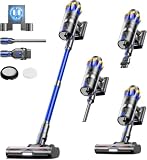
- VC Score9.2
BCP Score is a ranking system developed by bestcleanerproducts.com. BCP Score has no relationship or impact from any manufacturers or sales agent websites. Learn more
- BrandJELLYPIG
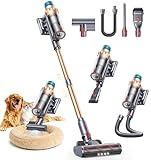
- VC Score9.0
BCP Score is a ranking system developed by bestcleanerproducts.com. BCP Score has no relationship or impact from any manufacturers or sales agent websites. Learn more
- BrandSMOTURE

- VC Score8.6
BCP Score is a ranking system developed by bestcleanerproducts.com. BCP Score has no relationship or impact from any manufacturers or sales agent websites. Learn more
- BrandDyson

- VC Score8.6
BCP Score is a ranking system developed by bestcleanerproducts.com. BCP Score has no relationship or impact from any manufacturers or sales agent websites. Learn more
- BrandKARDV

- VC Score8.6
BCP Score is a ranking system developed by bestcleanerproducts.com. BCP Score has no relationship or impact from any manufacturers or sales agent websites. Learn more
- BrandTechRise

- VC Score8.4
BCP Score is a ranking system developed by bestcleanerproducts.com. BCP Score has no relationship or impact from any manufacturers or sales agent websites. Learn more
- BrandLevoit

- VC Score8.0
BCP Score is a ranking system developed by bestcleanerproducts.com. BCP Score has no relationship or impact from any manufacturers or sales agent websites. Learn more
- BrandKenmore
Last update on 2026-06-26 / Affiliate links / Images, Product Titles, and Product Highlights from Amazon Product Advertising API
How To Use A Cordless Vacuum The Smart Way
A quick cleanup can turn annoying fast if the vacuum dies early, spits crumbs backward, or leaves pet hair clinging to the rug like it pays rent. How to use a cordless vacuum starts with better habits, not harder cleaning. A cordless model gives you speed and freedom, but it also asks for smart battery use, regular maintenance, and the right cleaning pattern. Get those basics right, and daily messes feel a whole lot less dramatic.
Most cleaning problems come from rushing. The vacuum gets grabbed after dinner, after muddy shoes, or after the dog shakes off half the backyard near the sofa. That grab-and-go convenience is the whole point, sure, but steady movement and proper tool choice matter more than raw suction alone. A slower pass over crumbs or hair usually beats three frantic passes with the wrong attachment.
Battery life also needs a little respect. Max mode feels satisfying, but it drains power quickly and can be overkill for dust, cereal bits, and light debris. Normal mode handles many everyday floors while keeping runtime in better shape. Save the strongest setting for stubborn carpet lines, embedded pet hair, or tight spots that clearly need extra pull.
Start With A Fully Ready Vacuum
A cordless vacuum performs better when it starts clean, charged, and unclogged. Before cleaning, check that the dust bin has space, the filter isn’t packed with fine dust, and the brush roll spins freely. Skipping this small check can make even a strong vacuum feel weak. Nobody wants to clean the same strip of floor twice because airflow got choked before the job even started.
Charging habits shape the whole experience. Keep the vacuum on its dock or charger according to the manufacturer’s directions, and avoid storing it in hot garages or damp laundry rooms. Heat and moisture aren’t kind to batteries or plastic parts. A cool, dry storage spot helps protect battery health and keeps the vacuum ready for quick messes.
The dust bin deserves attention before it reaches the “packed to the lid” stage. A full bin blocks airflow, weakens suction, and can push dirt back toward the floor. Empty it after larger cleanups or whenever debris nears the fill line. That tiny habit keeps suction power more consistent and prevents that stale dust smell from building up.
Filters need regular care too. Some washable filters must dry completely before being reinstalled, or the vacuum may develop odor and airflow trouble. A damp filter inside a sealed machine is asking for funk. Clean filters support better pickup, less motor strain, and a fresher cleaning routine.
Use The Right Mode For Each Mess
Power settings exist for a reason, and using only the strongest mode is a fast way to drain the battery. Low or standard mode usually handles hard floors, light dust, crumbs, and quick touch-ups. Stronger suction helps on rugs, carpet edges, and clingy pet hair. The trick is matching cleaning mode to the mess instead of treating every spill like a disaster.
Hard floors need control more than brute force. Too much suction with the wrong head can scatter rice, litter, or cereal before the vacuum captures it. A soft roller or hard-floor setting helps pull debris in without flinging it around. That setup protects surfaces while improving floor-level pickup.
Carpets ask for a different rhythm. Move slowly enough for the brush roll to lift debris from the fibers, especially in high-traffic paths near doors and sofas. Short, rushed strokes usually leave dirt hiding below the surface. A steady forward-and-back pattern gives the vacuum time to do its job.
Pet hair needs patience and the right tool. A motorized mini brush can help on stairs, upholstery, and car seats, while a full-size brush head works better across rugs. Wrapped hair around the roller should be removed before it slows rotation. That simple fix protects brush performance and keeps fur from turning into a stubborn little carpet sweater.
Clean In A Pattern, Not A Panic
Random vacuuming feels productive, but it often misses corners, edges, and the dusty strip under furniture. Start at one side of the room and work across in overlapping lanes. This pattern keeps you from cleaning the same spot repeatedly while ignoring others. The result feels calmer and gives more even coverage.
Edges collect more dirt than they get credit for. Baseboards, cabinet toe kicks, and the line beside the sofa trap dust, crumbs, and pet hair. Use the crevice tool before or after the main floor pass so debris doesn’t stay tucked out of reach. For tighter homes, a compact cleaning routine pairs well with wider planning ideas found in best robot vacuum small home because small spaces punish messy cleaning paths quickly.
Furniture changes the game. Chairs, low tables, beds, and shelves create shadow zones where dust gathers quietly. A cordless vacuum with a low-profile head can slide under some pieces, but not all. Switch attachments instead of forcing the main head into awkward angles that strain your wrist or scratch trim.
Slow passes matter most on textured surfaces. Rugs, carpet runners, and fabric mats hold grit below the top layer, so quick swipes only grab loose debris. Let the brush roll agitate the fibers, then pull back steadily. That little pause helps improve deep debris removal without needing to attack the same patch over and over.
Choose Attachments With A Clear Purpose
Attachments aren’t bonus clutter. They solve specific cleaning problems. The crevice tool reaches narrow gaps, the dusting brush handles delicate surfaces, and the motorized mini tool tackles hair on fabric. Using the right accessory helps protect surfaces while making cleaning efficiency feel less like guesswork.
Upholstery needs a gentler touch than floors. Sofa cushions, fabric chairs, and mattresses can hold crumbs, lint, and pet dander, but aggressive brushing may pull at delicate material. Use a fabric-safe attachment and shorter passes. That method gives better control and reduces unnecessary wear.
Wood surfaces need care before and after vacuuming. Fine dust on baseboards, stairs, and furniture edges can scratch if dragged around with a dirty tool. For wood cleaning routines beyond vacuuming, a practical care step can come from how to use murphy concentrated wood cleaner because vacuuming removes loose debris while surface cleaners handle residue. Keep those jobs separate so the vacuum never sucks up wet cleaner or sticky buildup.
Thick carpet may challenge lighter cordless models. Some vacuums struggle if the head seals too tightly to dense fibers or if the brush roll slows down. Raise the setting if available, reduce suction if the head feels stuck, and use slower strokes. For homes with heavy carpet demands, best miele vacuum thick carpet can fit a separate deep-cleaning conversation while the cordless vacuum handles quick daily messes.
Protect Battery Life During Everyday Cleaning
Battery care starts with realistic expectations. A cordless vacuum is built for convenience, not endless whole-house deep cleaning on max power. Plan quick sessions around rooms, zones, or mess types. That approach keeps battery runtime from becoming a constant headache.
Use high power only where it earns its keep. Entry rugs, pet zones, carpeted stairs, and debris-heavy corners may need extra suction. Bare floors and light dust usually don’t. Switching modes during cleaning may feel fussy at first, but it quickly becomes second nature.
Temperature affects batteries more than people expect. Storing the vacuum beside a sunny window, in a hot garage, or near damp utility areas can shorten its useful life. A stable indoor spot helps preserve charging reliability. The vacuum also feels more ready when it lives where messes actually happen.
Short cleanup habits work beautifully with cordless machines. Instead of waiting for the whole house to look rough, clean high-traffic areas in small bursts. Kitchen crumbs, hallway grit, and sofa fur are easier to handle before they spread. That rhythm makes daily maintenance lighter and keeps deep cleaning from turning into a weekend monster.
How To Maintain A Cordless Vacuum For Long Term Performance
Strong cleaning results don't come from suction alone. A cordless vacuum needs regular attention if you expect it to perform the same way six months from now as it did on day one. Dust, hair, and fine debris slowly build up inside filters and brush rolls, reducing airflow, suction consistency, and overall efficiency. A few minutes of maintenance every week can prevent hours of frustration later.
Brush rolls deserve a close look. Long hair, pet fur, and carpet fibers wrap around rotating parts and create drag. Once the roller struggles to spin freely, pickup performance starts dropping even if the motor still sounds normal. Removing tangled debris protects cleaning effectiveness and reduces unnecessary strain on moving components.
Filter maintenance is another area people often overlook. A dirty filter restricts airflow, making the vacuum work harder for weaker results. Most washable filters only need mild rinsing and enough drying time before reinstallation. Clean filters help maintain consistent suction and support better indoor air quality.
The dust container should never become a long-term storage bin for dirt. Emptying it regularly prevents odors and helps the vacuum move air properly. Waiting until it's completely packed can reduce performance faster than many people realize. Small maintenance habits usually deliver the biggest long-term benefits.
How To Use A Cordless Vacuum On Different Surfaces
Every floor creates a different challenge. Hardwood, tile, laminate, rugs, and thick carpets all respond differently to suction and brush movement. Learning how surfaces react helps improve cleaning precision while reducing unnecessary wear on both the floor and the vacuum. One setting rarely works equally well everywhere.
Hardwood floors benefit from softer brush heads and controlled suction. Aggressive brush action may scatter larger debris or push grit into corners. Slower passes help collect dust without creating extra mess. This approach protects floor appearance while maintaining efficient pickup.
Tile floors tend to trap crumbs and dust inside grout lines. A slightly stronger setting often improves debris removal from textured surfaces. Pay extra attention near kitchen cabinets and entryways where dirt accumulates quickly. These areas usually reveal whether your cleaning pattern is actually effective.
Rugs and medium-pile carpets need patience. Embedded dirt settles below visible fibers, making quick passes less effective. Allow the brush roll enough time to agitate the surface and lift debris upward. Stronger carpet cleaning performance usually comes from technique rather than maximum power alone.
Common Cordless Vacuum Mistakes That Reduce Results
Many cleaning frustrations start with habits rather than equipment limitations. Running maximum suction continuously, ignoring filter maintenance, and storing the vacuum improperly can all reduce performance over time. These mistakes slowly chip away at battery efficiency and cleaning power. The decline often happens gradually enough that people don't notice right away.
Another mistake involves treating every mess the same way. Fine dust, pet hair, cereal pieces, and dirt tracked in from outside each require slightly different handling. Using a crevice tool on open floors or relying on a floor head for tight corners wastes effort. Matching the correct attachment to the task improves results immediately.
Storage problems create long-term issues. Hot garages, humid basements, and direct sunlight can affect batteries and plastic components. Keeping the vacuum indoors in a stable environment supports battery longevity and reduces premature wear. Consistent storage conditions matter more than most people expect.
Rushing through the job creates missed areas. Dirt often remains hidden along edges, beneath furniture, and inside traffic lanes. A slower, more deliberate approach usually removes more debris than repeated fast passes. Better cleaning often means spending time more intelligently rather than spending more time overall.
Managing Heavy Dirt And Outdoor Debris
Some messes go beyond everyday dust and crumbs. Sand, soil, dried leaves, and tracked-in debris can challenge lighter cordless vacuums if they accumulate over time. Breaking larger cleaning jobs into smaller sections helps maintain suction performance and prevents overloading the dust bin. Tackling debris early keeps cleaning manageable.
Entryways deserve special attention because they collect the highest concentration of outdoor dirt. Shoes carry fine particles that spread throughout the home surprisingly quickly. Regular maintenance in these areas reduces wear on flooring and limits how much debris reaches living spaces. Prevention often beats cleanup.
Homes dealing with large amounts of grit may benefit from strategies similar to those used for pool maintenance. Fine particles settle into cracks, corners, and textured surfaces much like debris collects in water systems. People interested in debris management techniques sometimes explore best pool vacuum sand dirt solutions because the challenge of handling fine particles follows similar principles.
Dust control also connects to overall cleanliness. Airborne particles eventually settle onto floors, furniture, and corners. Managing buildup consistently reduces the feeling that dirt returns immediately after cleaning. Strong maintenance routines often produce better results than occasional deep-cleaning marathons.
Keeping Your Home Cleaner Between Vacuum Sessions
A cordless vacuum performs best when it isn't expected to solve every cleaning problem alone. Simple habits can dramatically reduce how much dirt reaches the floor in the first place. Entry mats, shoe removal routines, and quick spill cleanup all contribute to easier maintenance. Less incoming debris means less demanding vacuum sessions.
Pet owners know how quickly fur can spread. Brushing pets regularly and washing bedding on schedule helps reduce loose hair before it reaches floors and upholstery. Small preventive steps make daily cleaning feel less overwhelming. Consistency often beats intensity.
Kitchen areas deserve regular attention because crumbs travel farther than expected. Food particles migrate beneath appliances, into corners, and along cabinet edges. Addressing these areas frequently prevents buildup from becoming a larger project. A few minutes every day can save significant effort later.
Clean environments often rely on balance rather than perfection. Pool owners deal with a similar challenge while managing water quality and debris control. Conversations around lower orp level pool maintenance highlight the same principle: small adjustments performed consistently usually produce better outcomes than waiting for major problems to develop.
Getting More Value From Every Cleaning Session
Efficiency starts before the vacuum even touches the floor. Removing larger obstacles, picking up loose items, and selecting the correct attachment help create a smoother cleaning process. These small preparations reduce interruptions and improve overall productivity. The result feels less stressful and more rewarding.
Battery management remains one of the biggest factors affecting satisfaction. Cleaning in sections, reserving stronger modes for stubborn areas, and storing the vacuum properly all contribute to dependable runtime. Better habits help maximize battery performance without requiring extra effort.
Maintenance should feel routine rather than reactive. Cleaning filters, checking brush rolls, and emptying the dust bin regularly prevent many common complaints. These habits preserve suction and help the vacuum remain ready for unexpected messes. Reliability often comes from consistency rather than technology alone.
Smart use of a cordless vacuum combines preparation, technique, maintenance, and realistic expectations. Those elements work together to create cleaner floors, smoother routines, and less frustration throughout the week. Strong cleaning habits, thoughtful maintenance, and efficient operation turn a cordless vacuum into one of the most practical tools in the home.


How to Refinish a Fiberglass Pool

How Do You Keep Raccoons Out of Your Pool?

How to Fix Cyanuric Acid in Your Pool

How to Shape a Pool Cue Tip to Stop Miscues

Best Far Infrared Sauna Sauna Heats: Top Picks of 2026

11 Best Far Infrared Sauna Carbon Fiber Heaters of 2026 For Balanced Full-Body Heat

11 Best Carbon Far Infrared Sauna of 2026 For Even Heat

10 Best Bluetooth Speaker For Sauna of 2026 For Heat and Steam


