
How to Prep and Resurface a Concrete Pool Deck

A barefoot swimmer steps onto rough, sun-scorched concrete and flinches at the flaking chips and hairline cracks scattered around the water. Resurfacing the area means deep cleaning the slab, patching the cracks, and rolling on a textured acrylic coating. This process restores grip and covers years of weathering without the huge cost of pouring a whole new patio.
The exact prep work depends on the condition of your concrete. Bare concrete with light surface wear is quick to coat, but old, peeling paint must be stripped down to open pores before anything fresh can stick. Wider cracks that shift also need solid patch material rather than thin filler, especially if lowering deck temperature in direct sun matters most. Taking the right steps in order keeps the new finish bonded tight so you can enjoy the pool in comfort.
Check your concrete deck before buying any materials
Before purchasing patch kits or paint, inspect your pool deck carefully. You need to verify whether the concrete slab is structurally sound or if shifting soil has broken the pad. Resurfacing fixes surface wear, but it cannot fix a slab that moves when you step on it.
Walk the perimeter and check for these warning signs:
- Spalling (flaking or chipping surface concrete): Pool chemicals and freeze-thaw cycles cause the top layer of cement to pop off, leaving a pitted, sandy surface. Shallow spalls can be resurfaced once loose crumb is scraped away.
- Delaminating (peeling layers that lose grip): If an older paint or sealer has lifted, you will see thin sheets peeling off like sunburned skin. Any coating applied over peeling material will soon pull loose.
- Hollow pockets: Tap the concrete every couple of feet with a broom handle. Solid concrete gives a crisp tap. A hollow, drum-like thud means the top layer has separated from the base beneath.
- Slab offset: If a crack divides two slabs and one side sits higher, the ground underneath has settled. Resurfacing alone will not keep that crack from reopening.
Pour a cup of water on bare concrete near the pool. If the slab darkens and drinks the water in, the pores are open and ready to bond. If water beads up on top, an old sealer or sunscreen oil is blocking the surface.
Clean and etch the surface down to open pores
Skipping proper cleaning causes most resurfacing failures. Dirt, pool chemicals, and sunscreen create a slick barrier that prevents coatings from locking into concrete pores. You must clean the concrete down to bare stone before patching or painting.
- Scrape loose debris: Run a stiff floor scraper or putty knife over the deck to pop off loose paint flakes, crusty dirt, and dead weeds. Sweep the area with a stiff-bristle broom.
- Degrease heavy traffic zones: Sunscreen and body oils gather near coping stones and lounge chairs. Scrub these spots with an outdoor concrete degreaser and a deck brush, then rinse the dirty runoff away from the pool edge.
- Pressure wash the slab: Use a pressure washer rated between 2,500 and 3,000 PSI with a 25-degree fan nozzle. Hold the tip eight inches from the surface, sweeping in even, overlapping strokes to blow ground-in grime out of tiny pits.
- Etch the concrete: Etching (opening concrete pores with a cleaning wash) gives smooth concrete the rough texture of medium-grit sandpaper so paint sticks. Apply an etching wash, scrub it across the slab with a broom, let it foam for five to ten minutes, then rinse it thoroughly with clean water.
Keep wash runoff out of the pool. Cover skimmer openings with plastic drop cloths. If you use a suction-side cleaner (which connects to your pool skimmer or dedicated vacuum port and uses pool pump suction), turn off the pump before cleaning the deck edge so dirty runoff cannot enter your pool lines.
Fill cracks and spalled spots before rolling any paint
Concrete expands in summer heat and contracts in cold air. If you paint directly over an open crack, the slab will stretch and split your new finish within weeks. Every crack and chip needs flexible repair compound packed into it first.
- Clean out the gap: Tap a cold chisel or screwdriver along the crack to break away crumbling edges. Sweep dust out with a wire brush, then vacuum the crevice with a wet-dry vacuum so the patch compound can grip solid concrete.
- Apply bonding liquid: Dry concrete pulls moisture out of wet patch compound like a sponge, causing the patch to dry too quickly and crumble. Brush a liquid acrylic bonder directly inside the crack and over any spalled spots.
- Pack the repair compound: For shallow pits and spalling, use an acrylic-based patch or a sand-buff pool deck repair kit. Press the compound deep into the gap with a putty knife, packing it tight so no air pockets remain.
- Texture the repair flat: Smooth the wet patch level with the deck. Before it sets, dab the damp patch with a nylon sponge or broom head to match the surrounding sand texture.
Allow patches to harden completely before coating. Most acrylic patches need 24 hours to cure before they can accept a primer.
Apply a bonding primer and a textured cooling top coat
Once your slab is clean, etched, and patched, you are ready to roll on the overlay (a fresh protective top coating). An overlay seals bare concrete, stops moisture penetration, and gives your pool deck a uniform finish.
- Roll a bonding primer: Apply a single thin coat of water-based concrete primer using a 3/8-inch nap roller. Primer locks down fine concrete dust and gives your top coat a sticky base to grip. Let it dry until clear, which takes about two hours.
- Mix the textured coating: Textured deck coatings carry fine granules that settle to the bottom of the bucket. Stir the pail with a drill mixing paddle for at least three minutes so the non-slip grit spreads evenly from top to bottom.
- Cut in borders and coping: Use a nylon brush to paint coating around pool coping stones, ladder anchors, and house walls. Work slightly ahead of your roller so brushed edges stay wet when you roll into them.
- Roll two thin coats: Use a 1/2-inch nap roller designed for textured masonry. Roll in an "M" pattern, then smooth it out in straight lines. Wait four to six hours, then roll the second coat across the first coat in the opposite direction. Cross-rolling fills tiny pinholes and creates even non-slip traction.
Look for coatings made with heat-reducing technology. Bare concrete can reach temperatures over 130 degrees Fahrenheit in summer. Cooling coatings reflect sun rays or transfer heat into the ground below, keeping barefoot walks comfortable.
Protect the fresh finish during the curing window
Drying and curing are not the same thing. A textured deck coating may feel dry to your hand within two hours on a warm afternoon. But the resin takes several days to cross-link, harden, and resist water absorption.
Follow these wait times to protect your new surface:
- Four hours: Keep children, pets, and falling yard leaves off the deck. Soft coating will hold imprints easily.
- 24 to 48 hours: Safe for light barefoot walking or clean soft-soled shoes. Do not drag garden hoses or wear heavy work boots across the slab.
- 72 hours: Safe to return patio furniture and lounge chairs. Lift your furniture into place; dragging metal or hard plastic chair legs across a fresh overlay will gouge the finish.
- Splash protection: Keep chlorinated pool water and garden hoses off the surface for a full 72 hours. Water splashing onto uncured resin can wash out color pigments or leave white stains.
Check the weather before starting. You need three dry days with temperatures between 50 and 90 degrees Fahrenheit. When planning backyard projects, checking how often to resurface a pool can help you align deck work with any planned interior plaster or tile updates.
Call a foundation specialist when concrete slabs shift
Resurfacing is an effective cosmetic fix for surface wear, but it cannot repair deep foundation movement. If the ground beneath your pool is settling or heaving, rolling on a fresh coating is like putting wallpaper over a cracked foundation.
Call a concrete repair contractor if you encounter these severe issues:
- Trip ledges over one-half inch: If one slab drops while the neighboring pad stays level, the soil beneath has washed away. A contractor must lift the sunken slab with polyurethane foam or pour a new section.
- Cracks cutting through pool coping: If a deck crack extends through your coping stones into the tile line or pool shell, the pool structure itself may be moving. This requires professional inspection to verify pool shell integrity.
- Rocking slabs: Step on the crack edge. If the slab tilts, clicks, or squirts water from beneath when you put your weight down, it has lost its sub-base support.
If your pool deck issues involve structural shifting around the perimeter, learning how much pebble aggregate pool finishes cost can help you understand full renovation costs before you spend money on surface coatings.
Choose repair compounds and coatings built for pool decks
Selecting materials built specifically for swimming pool decks ensures your new finish lasts. Concrete around a pool handles constant moisture, barefoot traffic, chlorine splashes, and intense sun, so regular exterior house paints fail quickly.
When selecting your resurfacing products, look for these features:
- Acrylic-based patch kits: For repairing spalls, chips, and narrow cracks, choose pre-mixed or two-part acrylic concrete repair kits. Acrylic formulas bond tightly to old concrete and flex slightly with temperature changes.
- Bonding primers: Choose a water-based primer formulated for exterior concrete. A quality primer penetrates deep into etched concrete pores, helping the overlay lock onto the slab.
- Cooling textured deck coatings: Pick a coating formulated for pool decks with built-in non-slip texture and heat-reducing capabilities. Check the coverage area on the container (a five-gallon pail often covers around 150 square feet with two coats) and confirm it can be tinted to your preferred color.
- Interlocking drainage mats: For slippery step areas or decks with recurring puddles, modular interlocking mats with drainage holes offer instant non-slip traction and foot cushioning without requiring painting.

- VC Score9.0
BCP Score is a ranking system developed by bestcleanerproducts.com. BCP Score has no relationship or impact from any manufacturers or sales agent websites. Learn more
- BrandIn The Swim

- VC Score8.8
BCP Score is a ranking system developed by bestcleanerproducts.com. BCP Score has no relationship or impact from any manufacturers or sales agent websites. Learn more
- BrandSIKA

- VC Score8.8
BCP Score is a ranking system developed by bestcleanerproducts.com. BCP Score has no relationship or impact from any manufacturers or sales agent websites. Learn more
- BrandToLanbbt

- VC Score8.6
BCP Score is a ranking system developed by bestcleanerproducts.com. BCP Score has no relationship or impact from any manufacturers or sales agent websites. Learn more
- BrandE-Z Products
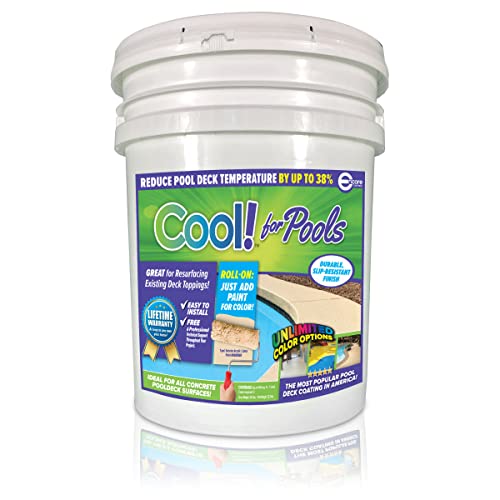
- VC Score8.4
BCP Score is a ranking system developed by bestcleanerproducts.com. BCP Score has no relationship or impact from any manufacturers or sales agent websites. Learn more
- BrandEncore Coatings

- VC Score8.2
BCP Score is a ranking system developed by bestcleanerproducts.com. BCP Score has no relationship or impact from any manufacturers or sales agent websites. Learn more
- BrandINTERBUILD REAL WOOD

- VC Score8.2
BCP Score is a ranking system developed by bestcleanerproducts.com. BCP Score has no relationship or impact from any manufacturers or sales agent websites. Learn more
- BrandLiquid Rubber

- VC Score8.0
BCP Score is a ranking system developed by bestcleanerproducts.com. BCP Score has no relationship or impact from any manufacturers or sales agent websites. Learn more
- BrandEZ PATCH
Last update on 2026-10-08 / Affiliate links / Images, Product Titles, and Product Highlights from Amazon Product Advertising API
FAQs
Can you roll a new coating over old deck paint?
You can roll over old paint only if the existing layer is stuck tightly to the concrete. Scrape hard with a putty knife in several spots. If old paint flakes or lifts, you must strip or pressure-wash it down to bare concrete before applying a new overlay.
Why do concrete cracks keep coming back in the same spot?
Concrete slabs expand and contract as temperatures swing between day and night. If you fill an active crack with rigid mortar, the slab will tear the patch open during the next temperature change. Using a flexible, acrylic-modified patch compound and widening the crack before filling helps the repair absorb ground movement.
How do cooling pool deck coatings keep concrete cooler?
Cooling coatings use specialized pigments and ceramic additives that reflect infrared sunlight away from the surface instead of absorbing it. Some formulas also transfer surface heat downward into the soil beneath the slab. This keeps the surface comfortable for bare feet even in hot afternoon sun.
What happens if pool water splashes on the deck before it dries?
Splashing pool water onto uncured deck paint dilutes the wet resin and weakens its bond with the concrete. Chlorine and pool chemicals can also bleach the wet color pigments, creating chalky white spots. If water splashes onto wet paint, blot it gently with a dry towel without scrubbing.


How to Refinish a Fiberglass Pool

How Do You Keep Raccoons Out of Your Pool?

How to Fix Cyanuric Acid in Your Pool

How to Shape a Pool Cue Tip to Stop Miscues

12 Best Automatic Vacuum For Intex Above Ground Pool of 2026 To Keep Vinyl Floors Spotless

10 Best Automatic Pool Vacuum For Above Ground Pool of 2026 To End Manual Scrubbing

How Much Pool Clarifier Should You Use for Your Pool Size?

How Much Does a Pebble Tec Pool Cost to Build or Resurface?


