
How to Paint a Pool Deck Without Peeling

Refreshing worn concrete around a swimming pool looks like an overwhelming chore, but there is no need to worry. Getting great results comes down to giving the ground a thorough clean, patching hairline cracks, and rolling on two coats of slip-resistant acrylic deck coating. The fresh color creates a clean, textured surface that handles constant splashes, provided the concrete is completely dry before application begins.
The exact steps shift depending on what is already on the deck. Bare concrete needs a gentle wash to open up its pores, while previously painted slabs need a quick check to make sure fresh water-based acrylic sticks to the old finish. Calm, dry weather matters just as much, requiring outdoor temperatures between 50 and 90 degrees Fahrenheit so the material hardens properly. Following a few clear steps ensures the new coating bonds tight and stays safe for wet feet.
Which type of pool deck paint should you choose?
Picking the right coating comes down to how your concrete handles moisture and what is already on the surface. Concrete is a porous sponge that pulls water straight up from the ground underneath it. If you put the wrong coating over that dampness, water pressure will push the finish off in sheets.
Water-based acrylic deck paints are the most reliable choice for outdoor pool decks. Acrylic coatings breathe, meaning they let tiny amounts of trapped moisture vapor escape into the air without blowing bubbles in the finish. They dry quickly, clean up with regular water, and resist yellowing under direct sunlight. They also adhere well whether you are coating bare concrete or going over an older, sound coat of water-based paint.
Epoxy coatings create a hard, tough finish that resists pool chemicals and stains. But epoxy does not breathe. If your pool deck sits directly on dirt without a heavy vapor barrier underneath, moisture from the soil gets trapped beneath the epoxy layer. Over time, that rising dampness lifts the epoxy, leading to large blisters and peeling flakes. For outdoor residential pool slabs, epoxies carry a much higher failure rate than acrylics.
Concrete stains soak directly into open pores instead of forming a thick protective film across the top. Stains will never peel because there is no film to blister, but they cannot hide surface repairs, old patches, or leftover paint. Specialized heat-reducing acrylic coatings absorb solar rays and release heat into the ground, making the surface much easier on bare feet on hot summer afternoons.
Never use standard exterior house paint, porch enamel, or wall paint on a pool deck. House paints cannot tolerate standing puddles, harsh chlorine, or constant foot traffic. Worse, standard gloss or satin paints turn slick as ice the moment wet feet step out of the water.
How do you prep the concrete so paint sticks?
Almost every pool deck paint failure happens because of rushed prep work. If you paint over dirt, algae, body oils, or slick concrete, the paint simply cannot bond. Follow these steps in order to build a clean surface that holds paint for years.
- Clear and scrub the entire area. Move all deck chairs, planters, and ladder rails away from the pool. Sweep away loose gravel, leaves, and dust. Wash the concrete using an outdoor deck cleaner and a stiff-bristled broom to strip away sunscreen oils, spilled drinks, and tree sap. Rinse thoroughly with a garden hose or a pressure washer set to a wide fan tip.
- Repair cracks and damaged edges. Inspect the slab for chips, wide cracks, and crumbled spots. Chisel out loose debris, vacuum the gap clean, and fill cracks with a flexible masonry repair caulk or patching compound. If you notice wide gaps or loose stone where the deck meets the pool wall, take time to repair cracked or loose pool coping before you coat the main deck. Let your repair mortar dry completely according to the package directions.
- Etch the bare concrete surface. Etching means washing concrete with mild acid to open pores across the surface. Smooth, troweled concrete is too slick for paint to grab. Mix a mild concrete etching wash with water in a plastic watering can, sprinkle it evenly across bare sections, and let it foam for a few minutes. This treatment roughs up the substrate (the bare concrete surface) so it feels like medium-grit sandpaper under your fingers.
- Neutralize and rinse away all residue. Acid left on the concrete will eat into your new paint from underneath. Rinse the entire deck with fresh water, scrubbing with a push broom to float the residue toward a lawn drain or away from your pool water. Keep garden hoses running until the runoff water is clear and free of gritty powder.
- Let the slab dry completely. Concrete might look dry on top within two hours, but deep pores hold moisture for days. Tape a two-foot square piece of clear plastic wrap flat against the deck using heavy duct tape on all four sides. Leave it in direct sunlight for 24 hours. If moisture droplets form under the plastic or the concrete turns dark underneath, the slab is still too wet to paint. Wait for another dry, sunny day before you open a paint can.
How do you apply the paint and keep it non-slip?
Once your concrete is clean, etched, and bone dry, putting on the paint requires careful timing and thin, even coats. Putting paint on too thick or rushing through the second coat will cause the finish to peel or wrinkle later.
- Check your weather window. Choose a stretch of two to three sunny days with no rain in the forecast. Outdoor temperatures should stay between 50 and 90 degrees Fahrenheit. Start early in the morning once morning dew has evaporated, but before the midday sun makes the concrete hot to the touch. Hot concrete causes the paint to dry before it can soak into the open pores.
- Cut in around edges and fittings. Use a stiff nylon-polyester paintbrush to cut a three-inch border around coping edges, drain grates, deck posts, and walls. Work in small sections so the cut-in edges stay damp while you roll the larger surface right next to them.
- Roll the first thin coat. Pour your paint into a roller tray rather than dumping it in puddles directly onto the concrete. Use an extension pole and a roller with a 3/8-inch or 1/2-inch nap. Roll the paint in overlapping passes, keeping the layer thin and consistent. A thin first coat soaks deep into the concrete and creates a permanent anchor for the topcoat.
- Add anti-skid texture for wet grip. A flat, wet pool deck is a slip hazard without added texture. Mix an anti-skid additive (a fine aluminum oxide or silica grit) directly into your paint bucket, or broadcast the grit lightly by hand over the wet first coat. If you stir grit into the paint, stir the bucket every ten minutes with a paint paddle so the grit stays suspended and does not sink to the bottom.
- Apply the second coat across the first. Allow the first coat to dry until it is tack-free (dry to the touch), which usually takes two to four hours. Roll the second coat in a cross direction to your first layer. If you rolled east to west on the first pass, roll north to south on the second pass. This cross-rolling pattern locks the anti-skid grit in place and eliminates visible roller lap lines.
How long should you wait before walking on the deck?
Walking on wet paint ruins the finish, but placing heavy items too early causes invisible damage that shows up weeks later. Follow this timeline to protect your fresh coating while it sets.
- Two to four hours: The paint becomes tack-free. Insects and blowing pollen will no longer stick to the surface, but nobody should step on it yet.
- Twenty-four hours: Safe for light foot traffic. You can walk across the deck in clean socks or bare feet to check your work, but keep children and pets off the area.
- Forty-eight to seventy-two hours: Safe for normal walking and light deck shoes. You can place light outdoor furniture back on the deck, but lift items into place instead of dragging chair legs across the surface.
- Five to seven days: The coating reaches full cure. Curing means hardening fully over several days until the paint reaches its maximum chemical and scratch resistance. Hold off on heavy patio parties, sliding ladders, or splashing pool water until this full cure window passes.
What mistakes cause pool deck paint to peel?
Deck paint does not peel at random. Almost every failure links back to a shortcut taken during prep or painting. Understanding these pitfalls keeps you from having to scrape off your work next summer.
The most common failure is painting over trapped moisture. When sunshine beats down on damp concrete, that water heats up and turns into rising steam. The vapor creates bubbles under the paint film that eventually pop, tear, and flake off. Never rush the drying step after pressure washing or acid washing.
Another major mistake is skipping the acid wash on smooth concrete patches. Bare concrete needs texture to hold paint. If water beads up on the concrete or the slab feels smooth like a kitchen countertop, paint will simply slide off within a few months. Etching creates the microscopic teeth paint needs to grab.
Applying coats that are too thick also ruins the job. Heavy puddles dry on the top surface while staying soft and damp underneath. As the outer skin shrinks and the bottom stays wet, the paint wrinkles and separates from the slab. Two thin coats will outlast one thick coat every single time.
Finally, avoid painting during peak afternoon heat. When concrete is hot enough to burn bare feet, the liquid carrier in the paint flashes off in seconds. This prevents the resin from bonding to the concrete surface, leaving a powdery, brittle layer that peels off as soon as wet swimmers run across it.
What should you look for in a deck coating?
When shopping for a pool deck finish, look for a dedicated exterior acrylic coating designed specifically for foot traffic and masonry. These coatings contain flexible resins that expand and contract as outdoor temperatures change through summer and winter.
Check the label for slip resistance ratings and texture options. Some deck paints come pre-mixed with non-skid aggregates, while smooth coatings require you to purchase and stir in an anti-skid grit separately. Pre-mixed textured paints save time, but smooth coatings let you choose exactly how much grit your family needs for traction.
Consider heat-reflective options if your deck sits in full sun all day. Specialized cool-deck coatings reflect ultraviolet rays and keep surface temperatures lower, protecting sensitive feet. Also check label compatibility to ensure the coating works over both bare concrete and sound existing acrylic finishes without requiring a separate bonding primer.

- VC Score9.0
BCP Score is a ranking system developed by bestcleanerproducts.com. BCP Score has no relationship or impact from any manufacturers or sales agent websites. Learn more
- BrandRust-Oleum

- VC Score8.8
BCP Score is a ranking system developed by bestcleanerproducts.com. BCP Score has no relationship or impact from any manufacturers or sales agent websites. Learn more
- BrandFIXALL

- VC Score8.8
BCP Score is a ranking system developed by bestcleanerproducts.com. BCP Score has no relationship or impact from any manufacturers or sales agent websites. Learn more
- BrandWOOLSEY

- VC Score8.6
BCP Score is a ranking system developed by bestcleanerproducts.com. BCP Score has no relationship or impact from any manufacturers or sales agent websites. Learn more
- BrandIn The Swim

- VC Score8.6
BCP Score is a ranking system developed by bestcleanerproducts.com. BCP Score has no relationship or impact from any manufacturers or sales agent websites. Learn more
- BrandFIXALL
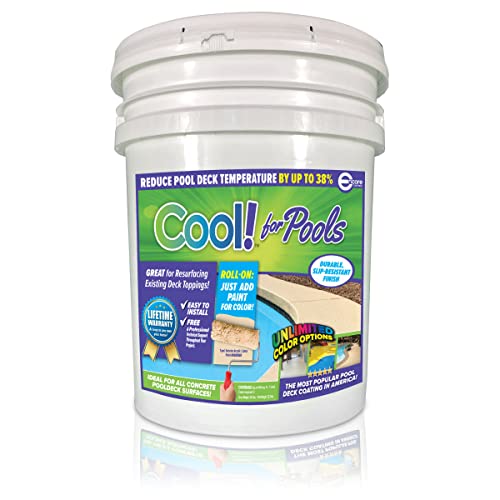
- VC Score8.4
BCP Score is a ranking system developed by bestcleanerproducts.com. BCP Score has no relationship or impact from any manufacturers or sales agent websites. Learn more
- BrandEncore Coatings
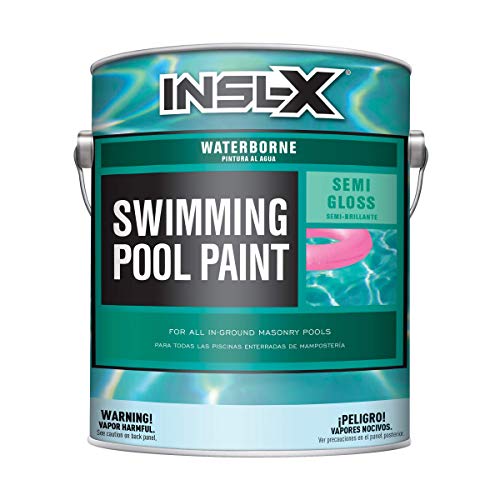
- VC Score8.4
BCP Score is a ranking system developed by bestcleanerproducts.com. BCP Score has no relationship or impact from any manufacturers or sales agent websites. Learn more
- BrandINSL-X

- VC Score8.2
BCP Score is a ranking system developed by bestcleanerproducts.com. BCP Score has no relationship or impact from any manufacturers or sales agent websites. Learn more
- BrandLiquid Rubber

- VC Score8.0
BCP Score is a ranking system developed by bestcleanerproducts.com. BCP Score has no relationship or impact from any manufacturers or sales agent websites. Learn more
- BrandKelley Technical

- VC Score6.2
BCP Score is a ranking system developed by bestcleanerproducts.com. BCP Score has no relationship or impact from any manufacturers or sales agent websites. Learn more
- BrandDyco Paints
Last update on 2026-10-08 / Affiliate links / Images, Product Titles, and Product Highlights from Amazon Product Advertising API
FAQs
Can you paint over previously painted pool deck concrete?
Yes, as long as the old paint is still sticking firmly to the concrete. Scrape off all loose, flaking paint with a stiff putty knife, sand the edges smooth, and scrub the whole deck clean. As long as the old layer is an acrylic-based paint and not an oil or epoxy coating, a quality acrylic deck paint will bond directly to it.
Do you need a primer before painting a pool deck?
Bare, unpainted concrete usually needs a dedicated masonry primer to seal porous stone and give the topcoat a strong base. If your concrete is already painted and the old finish is in good shape, most acrylic deck paints act as their own primer for the first thin coat. Always check the paint label to see if a separate bonding primer is recommended for your specific surface.
How do you test if your concrete is dry enough to paint?
Tape an 18-inch square sheet of clear plastic wrap flat to the concrete using duct tape on all four edges. Leave it in place through a warm, sunny day and inspect it the next morning. If the plastic shows water droplets or the concrete underneath turns dark and damp, the slab is still holding water and needs more drying time.
Will pool chemicals or salt water damage the painted deck?
Quality acrylic deck coatings resist normal splash water, salt, and chlorine from routine swimming. But concentrated chemical spills, such as undiluted pool shock or muriatic acid, will bleach or eat through the finish if left sitting. Keep your pool water balanced, rinse the deck with clean hose water after heavy swimming days, and take time to read a pool test strip accurately so you do not accidentally splash harsh chemical spikes onto your fresh coating.


How to Refinish a Fiberglass Pool

How Do You Keep Raccoons Out of Your Pool?

How to Fix Cyanuric Acid in Your Pool

How to Shape a Pool Cue Tip to Stop Miscues

12 Best Automatic Vacuum For Intex Above Ground Pool of 2026 To Keep Vinyl Floors Spotless

10 Best Automatic Pool Vacuum For Above Ground Pool of 2026 To End Manual Scrubbing

How Much Pool Clarifier Should You Use for Your Pool Size?

How Much Does a Pebble Tec Pool Cost to Build or Resurface?


