
How to Make Your Pool Cooler on a Budget

Switch the pool pump to run overnight and attach a simple spray nozzle to the return jet on the pool wall. Spraying water into the crisp night air creates evaporative cooling, pulling trapped heat out of the water before morning arrives. This fast adjustment keeps swimming refreshing and stops hot water from rapidly burning through pool chemicals.
The exact temperature drop depends on local humidity, because dry night air pulls out heat much faster than sticky, muggy air. The plumbing setup also matters, since fountain attachments need standard threaded wall openings to screw into place cleanly. While humid climates may eventually require an electric cooling unit, most pools can shed heat quickly without major expenses. Here is how to bring down the water temperature and make swimming feel crisp and comfortable again.
Cooling Water Overnight with Nighttime Pump Circulation
Midsummer sun dumps tremendous heat into a swimming pool every day. When direct sunlight beats down on thousands of gallons of standing water, the pool acts like a giant heat sponge. Dark plaster, pebble aggregate finishes, and concrete walls absorb solar rays and radiate warmth back into the pool long after sunset. Above-ground pools heat up even faster because hot air surrounds the thin metal or resin walls on all sides.
When water temperatures rise above 88 degrees, swimming stops feeling refreshing. The pool starts feeling like a warm bath, and swimmers climb out sweaty rather than cooled down. Even worse, hot water wrecks your water chemistry. High temperatures cause chlorine to dissipate at rapid speeds, leaving the pool vulnerable to cloudiness and sudden algae blooms. If you run a salt system, high heat strains your equipment by demanding maximum output. Knowing how to clean a saltwater pool and protect your salt cell helps maintain proper sanitization during these intense heat waves.
The easiest, zero-cost way to lower water temperature is shifting your pump schedule to the night. Many pool owners run their filtration pumps during the brightest daytime hours. While that circulates water, it also churns surface water under blistering heat, capturing daytime warmth. At night, the air temperature drops significantly below the water temperature.
Running your circulation pump from late evening until early morning forces hot water from the deep end to the surface. When warm water meets the cooler night air, heat transfers directly out of the pool. Even more heat escapes through natural evaporation. When water evaporates, it pulls thermal energy away from the remaining liquid, which chills the pool.
Switch your mechanical timer trippers or digital automation schedule so the pump runs from roughly 10:00 PM to 6:00 AM. In many power utility zones, nighttime power rates are lower than daytime peak hours, saving money on your electric bill while dropping the water temperature by a couple of degrees. Check your skimmer baskets and pump strainer basket before nightfall to ensure unrestricted water flow while you sleep.
Installing Return-Jet Aerators and Water Fountains
Natural evaporation through nighttime pump circulation is a solid start, but standard surface contact has limits. A flat pool surface exposes only a thin layer of water to the night air. To supercharge cooling, you need to break that water into moving spray. This is where an aerator helps. An aerator is simply a spray nozzle that shoots water into cool night air, multiplying the water surface area by thousands of times.
As the return pump pushes water through an aerator nozzle, it splits the stream into hundreds of tiny airborne droplets. Each droplet cools down quickly as it travels through the air before splashing back into the pool. If a gentle breeze blows across the pool, cooling happens even faster. Running an aerator overnight can drop water temperatures by three to eight degrees, depending on local humidity.
Attaching an aerator or fountain nozzle to an in-ground or above-ground pool takes only a few minutes. You do not need plumbing experience or specialized tools. Follow these straightforward steps to attach misting nozzles to return fittings:
- Turn off your pool circulation pump at the control box or main breaker. Never adjust return wall fittings while the pump runs under pressure.
- Locate the return jet, which is the wall opening where water pumps back into the pool. Unscrew the threaded outer ring and remove the directional eyeball fitting. Store the eyeball and ring in a clean container so you have them for the fall.
- Check the threaded fitting inside the wall. Most residential pools have standard 1.5-inch female pipe threads inside the wall fitting.
- Thread your aerator pipe directly into the return jet. Turn the pipe clockwise by hand until it fits snug against the wall. Avoid using heavy wrenches, because overtightening can crack plastic pool fittings.
- Adjust the spray nozzle so it points toward the center of the deep end. This keeps water spraying back into the pool rather than splashing over the deck.
- Turn the pump back on and inspect the spray pattern. Many spray attachments include an adjustable pressure ring on the riser pipe. Turn this ring to fine-tune the fountain height and keep the spray inside your pool perimeter.
Timing is critical when using spray aerators. Only run your aerator when the outside air is cooler than your pool water. If you turn on an aerator on a sunny, 95-degree afternoon, the fine mist absorbs heat from the air and transfers it straight back into your pool. Turn the aerators on at sundown, let them run all night, and shut them off when the sun rises.
Blocking Midday Sun and Debunking the Ice Dump Myth
Cooling the water overnight is only half the battle. You also must prevent daytime sun from reheating the pool the next afternoon. Direct sunlight acts like a giant heater focused on your backyard. If you leave a solar cover or bubble blanket on the pool during midsummer, you make the problem worse. Solar covers trap heat below the surface and prevent thermal energy from escaping. Take your solar cover off completely during the hottest summer months. If you store your solar blanket away for the season, knowing how to clean a solar pool cover safely keeps the material pliable and prevents mildew growth while packed away.
Installing shade sails over a portion of your pool blocks solar rays before they reach the water. You do not have to cover the entire pool to see results. Shading even thirty to forty percent of the surface area dramatically reduces heat absorption, especially in the shallow end where water heats up the fastest.
Use this checklist when installing shade sails over your pool deck:
- Track the midday sun path across your yard between 11:00 AM and 3:00 PM to find the best angle for shade placement.
- Identify sturdy anchoring structures, such as house fascia, masonry walls, or deep concrete-set steel posts, avoiding flimsy deck railings or gutter edges.
- Angle one corner lower than the others so sudden rain showers drain off freely without stretching or tearing the cloth.
- Maintain at least eight to nine feet of vertical clearance above the pool deck so swimmers and long telepole brushes do not bump the canopy.
- Fasten the corners with adjustable stainless steel turnbuckles so you can pull the fabric drum-tight and prevent flapping in high winds.
When pool water gets unbearable, some pool owners turn to desperate shortcuts. The most common myth is dumping commercial ice into the pool. You see people hauling twenty or thirty bags of party ice from the gas station, hoping for a fast chill. In practice, this never works.
A standard 15,000-gallon pool holds around 125,000 pounds of water. Water has high thermal mass, which means it requires a massive transfer of energy to shift in temperature. Melting four hundred pounds of ice into 125,000 pounds of water drops the temperature by less than half a degree Fahrenheit. The ice melts in minutes, the tiny temperature drop disappears within an hour under the sun, and you spend sixty dollars on ice with nothing to show for it. Rely on evaporation and shade instead of party ice.
Choosing Between Return Aerators, Shade, and Mechanical Chillers
Deciding how to cool your pool comes down to your climate, your equipment budget, and your local humidity levels. Different cooling methods work best under different conditions, so understanding the trade-offs helps you choose the right approach for your backyard.
Evaporative cooling through spray aerators and fountains offers the highest cooling return for minimal investment. Spray attachments screw directly into your standard return jets, require no extra electricity, and cost very little. But their cooling capacity depends heavily on air humidity. In dry climates, such as the desert Southwest, dry air pulls moisture from the spray rapidly, cooling pool water by five to eight degrees easily. In humid southern climates, the air is already saturated with moisture. Evaporation slows down in high humidity, which limits the temperature drop to two or three degrees.
Shade structures provide steady temperature moderation regardless of humidity. Shade sails block direct UV radiation from penetrating the pool water, preventing heat from building up in the first place. They do not actively chill water like an aerator, but they stop the daily temperature climb and protect swimmers from harsh sunburns.
When you live in a region with both extreme heat and high humidity, a mechanical pool chiller becomes an option worth considering. A chiller is an electric cooling unit that strips heat from water, functioning essentially like a whole-house air conditioner for your pool. Water passes through internal coils, heat vents out through a top fan, and chilled water flows back into the pool. Mechanical chillers drop water temperatures by ten degrees or more regardless of humidity, but they require dedicated electrical wiring, specialized plumbing, and a substantial equipment investment.
Before purchasing cooling equipment, check your pool setup carefully. For aerators, check your return jet thread size and verify that your pump delivers steady flow without straining. For shade sails, check your property boundaries, mounting surfaces, and wind exposure to choose breathable fabric that handles summer storms safely.

- VC Score9.4
BCP Score is a ranking system developed by bestcleanerproducts.com. BCP Score has no relationship or impact from any manufacturers or sales agent websites. Learn more
- BrandN/A

- VC Score9.4
BCP Score is a ranking system developed by bestcleanerproducts.com. BCP Score has no relationship or impact from any manufacturers or sales agent websites. Learn more
- BrandN/A
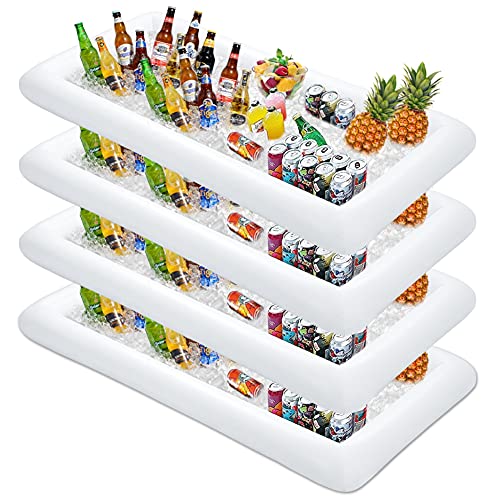
- VC Score9.2
BCP Score is a ranking system developed by bestcleanerproducts.com. BCP Score has no relationship or impact from any manufacturers or sales agent websites. Learn more
- BrandMorTime
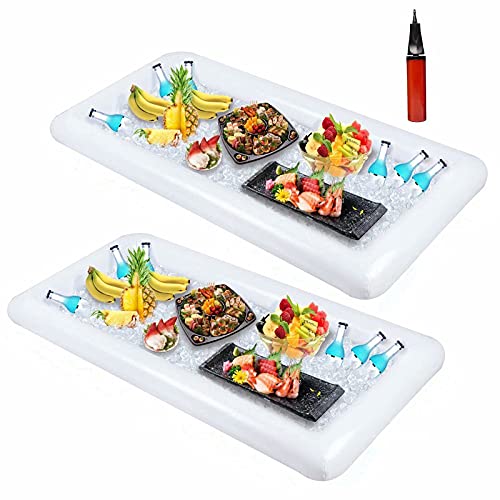
- VC Score9.0
BCP Score is a ranking system developed by bestcleanerproducts.com. BCP Score has no relationship or impact from any manufacturers or sales agent websites. Learn more
- BrandMoon Boat

- VC Score9.0
BCP Score is a ranking system developed by bestcleanerproducts.com. BCP Score has no relationship or impact from any manufacturers or sales agent websites. Learn more
- BrandRoyal Shade
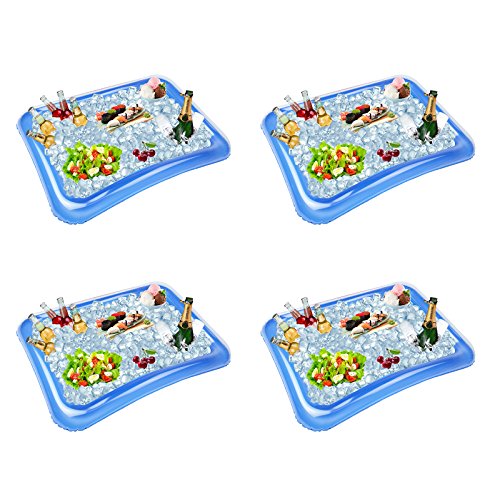
- VC Score8.4
BCP Score is a ranking system developed by bestcleanerproducts.com. BCP Score has no relationship or impact from any manufacturers or sales agent websites. Learn more
- BrandEtistta

- VC Score8.2
BCP Score is a ranking system developed by bestcleanerproducts.com. BCP Score has no relationship or impact from any manufacturers or sales agent websites. Learn more
- Brandmistcooling

- VC Score7.8
BCP Score is a ranking system developed by bestcleanerproducts.com. BCP Score has no relationship or impact from any manufacturers or sales agent websites. Learn more
- BrandSwimline

Klleyna Water-Fountain Dual Spray Swimming-Pool-Accessories - Upgrade Above/Inground Waterfall Cooler,
View on Amazon- VC Score7.4
BCP Score is a ranking system developed by bestcleanerproducts.com. BCP Score has no relationship or impact from any manufacturers or sales agent websites. Learn more
- BrandKLLEYNA
Last update on 2026-10-08 / Affiliate links / Images, Product Titles, and Product Highlights from Amazon Product Advertising API
FAQs
How many degrees can an aerator drop my pool water temperature?
A return-line aerator typically lowers pool water temperatures by three to five degrees when run overnight in average summer weather. In dry, arid climates with low humidity, the cooling effect can reach six to eight degrees. In muggy, high-humidity regions, expect a smaller drop of two to three degrees because saturated air slows evaporation.
Will running fountains overnight cause significant pool water loss?
Running fountains overnight does increase water loss slightly because evaporation is the exact mechanism that cools the pool. During peak summer heat, you might lose an extra quarter-inch to half-inch of water per week through evaporation and fine drift. Check your water level weekly and keep it halfway up the skimmer opening so your pump never pulls air.
Can I run my pool aerator during the middle of the day?
Running an aerator during hot daylight hours warms your pool instead of cooling it. When the air temperature is higher than the pool water temperature, fine water droplets absorb heat from the hot air and carry it into the pool. Run aerators only after the sun sets and the ambient air cools below your current water temperature.


How to Refinish a Fiberglass Pool

How Do You Keep Raccoons Out of Your Pool?

How to Fix Cyanuric Acid in Your Pool

How to Shape a Pool Cue Tip to Stop Miscues

12 Best Automatic Vacuum For Intex Above Ground Pool of 2026 To Keep Vinyl Floors Spotless

10 Best Automatic Pool Vacuum For Above Ground Pool of 2026 To End Manual Scrubbing

How Much Pool Clarifier Should You Use for Your Pool Size?

How Much Does a Pebble Tec Pool Cost to Build or Resurface?








