
How to Keep Pool Water Cold in Summer Heat

The simplest way to chill pool water is to run the pump overnight and spray the water into the dark air using return-jet aerators (small misting nozzles attached to the pool wall openings). That cooling effect works only when the nighttime air drops below the temperature of the water itself. Letting droplets fly through a cooler breeze sheds trapped heat before sunrise, which prevents the pool from feeling like a hot bath that rapidly burns through chlorine.
The overall drop also depends heavily on local humidity and pool depth. Bone-dry air pulls moisture and heat away much faster than sticky, humid air, and shallow above-ground pools gain or lose degrees far quicker than deep inground setups. Blocking direct afternoon sun also determines whether that overnight chill lasts past noon. Here is how that natural cooling process works and the easiest steps to make swimming refreshing again.
The Short Version
- Run your pool pump and water features at night: Moving your water when the night air is cooler than the pool allows heat to escape into the atmosphere.
- Install a return-jet aerator: An aerator (a spray nozzle fitted to the pool wall jet) shoots small water droplets into the cool evening air, dropping overall pool temperatures by several degrees.
- Remove your solar cover during heat waves: A solar cover (a bubble plastic sheet that traps heat) acts like a greenhouse roof, trapping heat and preventing the water surface from cooling naturally.
- Protect your chlorine balance daily: Water above 85 degrees Fahrenheit burns through sanitizer quickly, so adding clarifiers and preventative algaecides keeps cloudy water and green algae from taking over.
How Pool Water Sheds Heat Through Evaporative Cooling
Swimming pools act like giant heat sponges. During summer heat waves, direct sunlight beats down on the surface for up to fourteen hours a day. Deep inground pools with concrete or gunite walls slowly absorb this warmth and hold onto it well past sunset. Shallow setups and above-ground pools heat up even faster because the hot summer air surrounds the outside walls on all sides.
The most effective way outdoor water loses heat naturally is evaporative cooling, which means chilling water droplets as they fly through cooler air. When a droplet of water evaporates from the surface, it absorbs heat energy and carries that warmth away into the sky. Your pool relies on this exact process to cool down after a scorching afternoon.
Two main conditions decide how well evaporative cooling works for your backyard:
- Nighttime air temperatures: The air must be cooler than the pool water for noticeable cooling to happen. If your water sits at 88 degrees and the midnight air drops to 72 degrees, heat escapes quickly. If your nights stay in the mid-80s, cooling happens at a much slower rate.
- Local humidity levels: Dry air drinks up water vapor quickly, pulling large amounts of heat out of the pool. Pool owners in arid states like Arizona or Nevada can drop water temperatures by 4 to 8 degrees overnight. In humid southern regions where the air is already soaked with moisture, evaporation slows down, usually producing a drop of 2 to 4 degrees.
Run Your Pump and Water Features After Dark
Many pool owners make the mistake of running their circulation pump during the hottest hours of the afternoon. While water movement helps distribute chemicals, circulating warm surface water under direct sunlight does not cool your pool. Shifting your pump schedule to the overnight hours takes full advantage of cooler night air.
- Wait for sunset: Keep your main circulation pump off or on low speed during the peak afternoon heat, then switch to high speed once the sun sinks below the horizon.
- Set an overnight timer: Program your pump timer to run continuously from around 9:00 PM until 6:00 AM. This window exposes the largest volume of water to the coolest air of the day.
- Open your water feature valves: Turn the valves to activate waterfalls, deck jets, sheer descents, or raised spa spillways. Splashing water creates smaller droplets, multiplying the surface area exposed to the cool night breeze.
- Angle standard return jets upward: If your pool does not have built-in fountains, loosen the eyeball fittings on your return jet (the wall opening where filtered water shoots back into the pool). Aim the nozzles upward so the moving water breaks the pool surface into rolling ripples.
- Check your pool thermometer at dawn: Take a reading right as the sun comes up to see your lowest temperature before daytime heat begins warming the top layer again.
Install Return-Jet Aerators to Spray Pool Water
If running your standard pump overnight does not cool the water enough, adding an aerator is the next logical step. A return-jet aerator is a simple pipe attachment that screws directly into the wall return opening. It forces filtered water through a narrow spray bar or fountain head, tossing a fine mist across the pool surface.
Setting up and using an aerator involves a quick routine:
- Turn off the pump first: Always shut off power at the equipment pad before working on wall fittings to avoid hand injuries or pressure bursts.
- Unscrew the directional eyeball: Remove the threaded ring and eyeball nozzle from the return jet opening on the pool wall.
- Thread the aerator into place: Screw the aerator base directly into the wall opening until it sits snug against the wall fitting. Hand-tight is plenty; never force plastic threads with heavy metal tools.
- Point the spray pattern outward: Direct the spray nozzles toward the center of the deep end so water stays in the pool rather than spraying onto your deck or patio furniture.
- Run the spray after dark: Turn the pump on when the air cools down. The fine mist drops through the night air, losing several degrees of heat before splashing back into the pool.
- Confirm your filter pressure: Check the pressure gauge on your filter tank after starting the aerator. The pressure should stay within the normal clean operating range listed on your filter tank.
Managing Sun Exposure: Shade Sails Versus Pool Covers
Managing how sunlight hits your pool water makes a huge difference during July and August. However, many pool owners use the wrong type of barrier and accidentally make the water hotter.
A solar cover (a bubble plastic sheet that traps heat) should never stay on your pool during a summer heat wave. These covers act just like greenhouse glass. They let solar radiation pass into the water and trap it there while blocking evaporation completely. If your pool water feels uncomfortably warm, take your bubble cover off immediately, fold it up, and store it out of the sun. While learning how to cover an above ground pool is great for winter storage or keeping autumn leaves out, leaving bubble covers floating on hot summer days turns your pool into a giant hot tub.
Elevated shade sails and canopies work completely differently. Hanging fabric shade sails high above the shallow end blocks ultraviolet rays before they hit the water. Because sails hang several feet above the pool deck, they allow natural breezes to blow across the water surface, keeping evaporative cooling fully active. Shading the shallow end is especially helpful because shallow water heats up much faster than the deep end.
Natural shade from nearby trees and patio structures also helps, particularly on the western side of your yard where late-afternoon sun is most intense. Just make sure to empty your skimmer baskets often so falling leaves do not decay in warm water.
The Ice Myth: Why Melting Ice Fails in Big Pools
Every summer, pool owners wonder if buying dozens of bags of grocery store ice will bring fast relief to an overheated pool. It sounds logical on paper, but the basic math of water volume proves why it does not work.
A standard residential pool holding 15,000 to 20,000 gallons contains roughly 125,000 to 166,000 pounds of water. Dumping 200 pounds of ice into that massive body of water is like dropping a single ice cube into a steaming bathtub. The ice melts within fifteen minutes, dropping the overall temperature by a tiny fraction of a single degree. You end up spending fifty or a hundred dollars on bags of ice for an effect you cannot even feel on your skin.
A much better approach is adding fresh tap water from your garden hose or municipal supply. Tap water usually sits between 60 and 70 degrees underground, which provides genuine cooling. If your pool water level is already close to overflowing from heavy summer rain, review how to lower the water level in your pool safely before draining a few inches. Never drain large amounts of water in extreme summer heat, as drying soil can shift pool structures and direct sunlight can damage an exposed vinyl liner.
Protecting Water Chemistry During Extreme Heat
Keeping water cool is not just about personal comfort. High water temperatures create serious chemical challenges. When water climbs above 85 degrees, chlorine degrades rapidly under strong sunlight. At the same time, bacteria and algae spores reproduce twice as fast as they do in mild spring weather.
Follow this checklist to protect your water clarity during hot weather:
- Test sanitizer levels every evening: Measure your free available chlorine at dusk. Aim to keep free chlorine between 3 and 5 parts per million throughout the hottest weeks of summer.
- Check your stabilizer level: Cyanuric acid protects chlorine from ultraviolet breakdown. Verify that your stabilizer sits between 30 and 50 parts per million so your sanitizer does not vanish within two hours of sunrise.
- Use a pool water clarifier: Warm water often turns hazy because microscopic dirt and body oils stay suspended in the water. Adding a small dose of concentrated pool clarifier binds these tiny particles together into larger clusters that your pool filter can trap easily.
- Add an algaecide treatment: Place a long-lasting mineral cartridge or algaecide unit into your pump basket or skimmer basket. This extra defense stops green, yellow, and black algae from taking root if chlorine levels dip during a hot weekend.
- Brush the pool walls weekly: Algae clings to rough plaster, grout lines, and slick vinyl seams. Brushing pushes hidden spores into the circulating water where chlorine and filters can destroy them.
Choosing Cooling Attachments and Water Treatments
Lowering water temperature and maintaining clear water does not require expensive mechanical chillers. Simple pool cooling attachments and supportive water treatments provide great results when matched correctly to your setup.
When selecting a return-jet aerator, verify the connection type on your pool wall. Most in-ground swimming pools use standard 1.5-inch threaded return fittings. Above-ground pools sometimes feature smooth push-on fittings or metric threads, so check your wall fitting before picking an attachment. Look for models with built-in shutoff valves or adjustable nozzles. These let you fine-tune the spray height and switch between normal circulation and cooling mode without unscrewing the pipe every morning.
For chemical care during heat waves, focus on concentrated clarifiers and preventative algaecides. Clarifiers help your filter catch the fine haze caused by warm, stagnant water. Floating chemical dispensers and mineral cartridges designed for pump baskets provide steady sanitizing protection. Make sure any dispenser or basket treatment you choose matches your total pool gallons so your water stays clear and refreshing all season long.
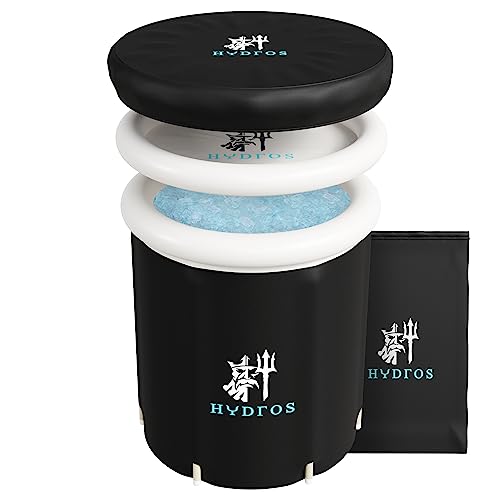
- VC Score9.4
BCP Score is a ranking system developed by bestcleanerproducts.com. BCP Score has no relationship or impact from any manufacturers or sales agent websites. Learn more
- BrandHYDROS

- VC Score9.2
BCP Score is a ranking system developed by bestcleanerproducts.com. BCP Score has no relationship or impact from any manufacturers or sales agent websites. Learn more
- BrandGLB

- VC Score9.0
BCP Score is a ranking system developed by bestcleanerproducts.com. BCP Score has no relationship or impact from any manufacturers or sales agent websites. Learn more
- BrandWWD POOL

- VC Score9.0
BCP Score is a ranking system developed by bestcleanerproducts.com. BCP Score has no relationship or impact from any manufacturers or sales agent websites. Learn more
- Brandpoolrx
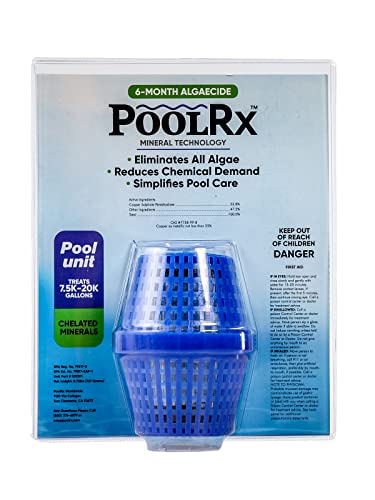
- VC Score8.8
BCP Score is a ranking system developed by bestcleanerproducts.com. BCP Score has no relationship or impact from any manufacturers or sales agent websites. Learn more
- Brandpoolrx
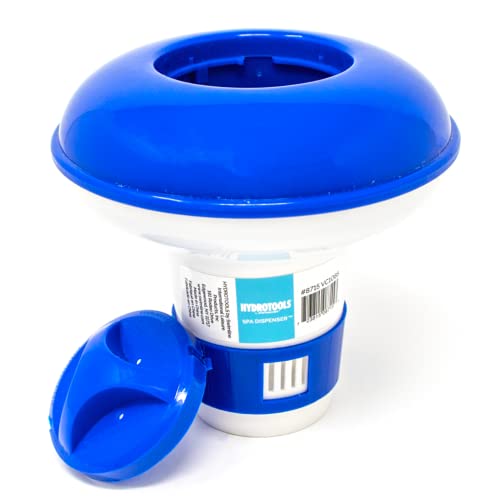
- VC Score8.8
BCP Score is a ranking system developed by bestcleanerproducts.com. BCP Score has no relationship or impact from any manufacturers or sales agent websites. Learn more
- BrandSwimline

- VC Score8.6
BCP Score is a ranking system developed by bestcleanerproducts.com. BCP Score has no relationship or impact from any manufacturers or sales agent websites. Learn more
- BrandPOOL ELEVATE

- VC Score8.4
BCP Score is a ranking system developed by bestcleanerproducts.com. BCP Score has no relationship or impact from any manufacturers or sales agent websites. Learn more
- BrandHTH

- VC Score8.2
BCP Score is a ranking system developed by bestcleanerproducts.com. BCP Score has no relationship or impact from any manufacturers or sales agent websites. Learn more
- Brandmistcooling
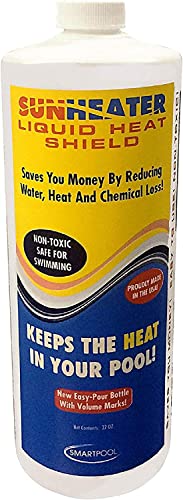
- VC Score7.8
BCP Score is a ranking system developed by bestcleanerproducts.com. BCP Score has no relationship or impact from any manufacturers or sales agent websites. Learn more
- BrandSunHeater
Last update on 2026-10-08 / Affiliate links / Images, Product Titles, and Product Highlights from Amazon Product Advertising API
FAQs
Does running my pool pump during hot sunny afternoons help cool the water?
No, running the pump in the middle of a hot afternoon will not lower the water temperature. Circulating surface water under direct sunlight simply exposes moving water to hot air, which can actually increase heat absorption. Run your pump and water features at night when the air temperature drops below your pool water temperature.
How many degrees can a return-jet aerator drop pool water?
A return-jet aerator can lower pool water temperatures by 4 to 8 degrees Fahrenheit in dry, arid climates where evaporative cooling works best. In humid climates, the drop is usually between 2 to 4 degrees because the air holds more moisture. Running the aerator for several consecutive nights produces the best results.
Will running water aerators overnight lower my pool water level?
Yes, aerators accelerate evaporation, which is the exact process that removes heat from the water. You will likely notice your water level dropping slightly faster during weeks when you run the aerator every night. Keep an eye on your skimmer opening and top off the pool with cold hose water as needed to keep the pump primed.
Can very hot water damage pool liners or pool equipment?
Water temperatures above 90 degrees Fahrenheit can cause vinyl pool liners to soften, wrinkle, and lose elasticity over time. High heat also speeds up chemical wear on rubber pump seals and O-rings. Keeping the water circulating at night and maintaining proper sanitizer levels protects both your liner and your pool equipment.


How to Refinish a Fiberglass Pool

How Do You Keep Raccoons Out of Your Pool?

How to Fix Cyanuric Acid in Your Pool

How to Shape a Pool Cue Tip to Stop Miscues

12 Best Automatic Vacuum For Intex Above Ground Pool of 2026 To Keep Vinyl Floors Spotless

10 Best Automatic Pool Vacuum For Above Ground Pool of 2026 To End Manual Scrubbing

How Much Pool Clarifier Should You Use for Your Pool Size?

How Much Does a Pebble Tec Pool Cost to Build or Resurface?








