
How to Keep a Pool Cold in Peak Summer Heat

Screw a simple spray fountain onto the return jet and run the pump after dark. Spraying pool water into the cooler night air triggers evaporative cooling, which pulls heat out of the water before sunrise. Pulling off solar blankets lets that trapped warmth rise into the sky, making nighttime circulation the fastest way to drop pool water temperature without buying machinery.
How much the water cools depends on your local weather and the pool build. Muggy nights slow down evaporation, while dry air chills the spray quickly. Above-ground pools also gain and lose heat faster than deep concrete pools set into the earth. With the right routine, keeping the water crisp and balanced through July is easier than it seems. Here is how to cool the water down step by step.
Why Pool Water Traps Heat and Burns Sanitizer
When outdoor temperatures climb into the nineties for days in a row, a swimming pool acts like a giant solar collector. A typical backyard pool holds between ten thousand and twenty thousand gallons of water. That massive volume has high thermal mass, which means it takes a long time to heat up, but it also holds onto stored warmth long after the sun goes down. By midsummer, direct sunlight beats down on the water for twelve hours a day, turning what should be a crisp retreat into something that feels like warm bathwater.
The type of pool you own also changes how fast the water warms up. Above-ground pools heat up much faster than inground designs because hot air circulates directly against the outer metal or resin walls all afternoon. Inground pools get some temperature regulation from the surrounding earth, but the upper three feet still soak up solar radiation constantly. If you watched contractors build a concrete pool, you know that thick gunite walls sit deep in the earth, which helps steady the bottom layer, but surface water remains exposed to baking sunbeams without any natural cover.
Sweltering water causes much bigger problems than uncomfortable swimming. Warm water speeds up chemical reactions, which makes your free chlorine dissipate at double its normal rate. Sunlight also breaks down sanitizer through ultraviolet radiation. Once water temperatures cross eighty-five degrees, organic debris breaks down faster, bacteria multiply, and algae spores find the perfect environment to bloom. You can pour gallons of liquid shock into a sweltering pool and watch the sanitizer level drop back to zero within twenty-four hours.
Extreme water temperatures also put unnecessary stress on pool surfaces and accessories. Vinyl liners soften and can stretch or lose elasticity when exposed to hot water and intense sun for weeks at a time. Checking how long vinyl pools and liners last shows that poor chemical balance paired with high water temperatures leads to premature liner wrinkling and brittle vinyl. Keeping the water several degrees cooler protects your wallet, keeps your sanitizing chemicals active, and prevents an ugly green algae bloom from ruining your weekend.
How to Cool Your Pool at Night with Aeration and Water Flow
The most reliable, budget-friendly way to drop your pool water temperature by several degrees is running your pump overnight with a cooling attachment. The secret lies in evaporative cooling, which is the heat loss that happens when water turns into vapor. When you spray pool water up into the cooler night air, tiny droplets expose a massive amount of surface area to the breeze. A tiny fraction of each droplet evaporates into the air, and that process pulls heat energy directly out of the remaining water before it splashes back into the pool.
Running your standard pool circulation during a scorching afternoon actually works against you. The midday air is hotter than the water, so churning the surface just draws more ambient heat into the pool. Waiting until midnight changes the game. When the sun drops and ambient air temperatures dip into the seventies or low eighties, the atmosphere can readily absorb heat from the water. Adding an aerator, which is a spray nozzle that shoots pool water into the air, speeds up this heat transfer dramatically.
Setting up your pool for nighttime cooling takes only a few minutes. Follow these steps to get the maximum temperature drop before morning:
- Turn off the pool pump at the breaker panel or timer switch so water stops flowing through the plumbing.
- Unscrew the directional eyeball fitting from your return jet, which is the wall nozzle that pushes filtered water back into the pool.
- Thread a dedicated pool aerator or spray nozzle directly into the empty wall fitting until it sits snug against the wall.
- Aim the spray fountain toward the center of the pool so the mist lands back in the deep end without splashing onto the patio or deck.
- Set your pump timer to run during the coolest hours of the night, typically from midnight until six in the morning.
- Check the water level the next morning with your garden hose ready, since accelerated evaporation will lower the pool level slightly faster than usual.
Your results with nighttime aeration depend heavily on local humidity. If you live in an arid region like Arizona or Nevada, dry night air drinks up moisture rapidly, which can pull your pool water temperature down by five to eight degrees overnight. If you live in a humid climate like Florida or the Gulf Coast, the air is already thick with moisture, so evaporation happens more slowly. Even in humid areas, though, nighttime aeration will still knock off two to four degrees, which makes a noticeable difference in how refreshing the water feels.
Daytime Shade Tactics and Why Dumping Ice Fails
Preventing heat from entering the pool during the day is just as important as shedding heat at night. Many pool owners make the mistake of leaving their bubble-style solar covers on the pool during hot July afternoons to keep leaves out. Solar covers act like a greenhouse roof, trapping heat and preventing any natural surface evaporation. Taking that cover off the pool and storing it out of the sun is the first thing you should do when water gets too warm.
Adding physical shade over the water blocks direct ultraviolet rays before they penetrate the surface. You do not need to build an expensive roof over your backyard. Simple shade sails mounted to patio posts, fence brackets, or nearby trees can block the harsh midday sun over the shallow end, which is always the warmest part of the pool. Large cantilever patio umbrellas also cast long shadows across the water during peak afternoon hours.
Use this quick daytime checklist to keep heat from building up while the sun is high:
- Pull off any solar blankets or bubble covers and store them in a shaded spot.
- Set up shade sails or tilt patio umbrellas over the shallow steps and benches.
- Angle any return jets slightly downward during daytime pump cycles to keep hot surface water moving toward the main drain.
- Check sanitizer levels around noon with a quick test strip to verify chlorine has not burned off.
- Turn off any decorative deck jets or fountains during peak daylight hours so they do not spray water through hot afternoon air.
When temperatures hit triple digits, many frustrated pool owners wonder if buying bags of ice from the local gas station will cool down the water. The short answer is that buying ice is a complete waste of money. A standard backyard pool holds roughly one hundred and twenty thousand pounds of water. Due to the physics of water volume, dropping a fifteen-thousand-gallon pool by just two degrees requires more than fifteen hundred pounds of ice.
Buying seventy-five standard twenty-pound bags of ice would cost hundreds of dollars and take hours of heavy lifting. Once you dump all that ice into the pool, it will melt within twenty minutes, provide a brief cold pocket near the surface, and evaporate away into the blazing afternoon sun without making a lasting difference. Physical shade and nighttime aeration cost almost nothing and provide far superior cooling results.
Choosing Pool Cooling Attachments and Summer Care Equipment
When summer heat pushes your pool past comfortable swimming temperatures, simple plumbing attachments and basic maintenance accessories offer the quickest relief. Return jet coolers screw directly into standard wall fittings, utilizing the pressure from your existing pool pump to create a wide cooling spray. When browsing for spray attachments, verify the thread size on your pool wall. Most residential inground pools use standard one-and-a-half-inch threaded fittings, but some above-ground pools use smooth slip fittings or different diameters that require an adapter.
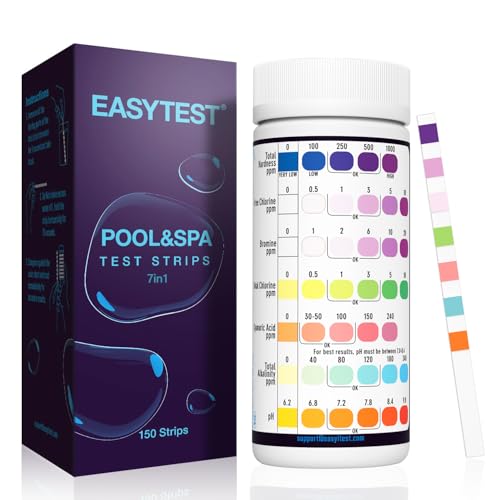
Because hot water accelerates chemical consumption, having steady sanitizer delivery is critical. Floating chemical dispensers allow chlorine tablets to dissolve steadily across the water surface, maintaining a protective residual even when high water temperatures try to burn through your chemicals. Using multi-parameter test strips daily during heatwaves helps you spot dropping chlorine levels or shifting pH before algae gets an opportunity to grab hold of your pool walls.
If you live in an area where summer temperatures remain above one hundred degrees for months at a time, manual cooling methods may not drop the water as much as you want. In those extreme conditions, some homeowners invest in a dedicated mechanical chiller, which is an electric machine that cools water like an air conditioner. Many modern heat pumps feature a reversible valve that heats the water during chilly spring months and switches to chilling mode during July and August.
Operating a reversible unit follows the same general principles found in how to safely start and run a pool heater, routing water through internal heat-exchange coils to pull heat out before sending the water back to the pool. Before buying a permanent chiller or heat pump, check your electrical panel capacity, verify that your equipment pad has adequate ventilation clearance, and always have a licensed electrician handle the heavy-duty wiring.

- VC Score9.4
BCP Score is a ranking system developed by bestcleanerproducts.com. BCP Score has no relationship or impact from any manufacturers or sales agent websites. Learn more
- Brand440

- VC Score9.2
BCP Score is a ranking system developed by bestcleanerproducts.com. BCP Score has no relationship or impact from any manufacturers or sales agent websites. Learn more
- BrandAquabeacon

- VC Score9.0
BCP Score is a ranking system developed by bestcleanerproducts.com. BCP Score has no relationship or impact from any manufacturers or sales agent websites. Learn more
- BrandWWD POOL
- VC Score8.8
BCP Score is a ranking system developed by bestcleanerproducts.com. BCP Score has no relationship or impact from any manufacturers or sales agent websites. Learn more
- BrandEASYTEST

- VC Score8.8
BCP Score is a ranking system developed by bestcleanerproducts.com. BCP Score has no relationship or impact from any manufacturers or sales agent websites. Learn more
- BrandHuhumy

- VC Score8.8
BCP Score is a ranking system developed by bestcleanerproducts.com. BCP Score has no relationship or impact from any manufacturers or sales agent websites. Learn more
- BrandBOTINDO

- VC Score8.4
BCP Score is a ranking system developed by bestcleanerproducts.com. BCP Score has no relationship or impact from any manufacturers or sales agent websites. Learn more
- BrandSanco Industries

- VC Score8.2
BCP Score is a ranking system developed by bestcleanerproducts.com. BCP Score has no relationship or impact from any manufacturers or sales agent websites. Learn more
- Brandmistcooling
Last update on 2026-10-08 / Affiliate links / Images, Product Titles, and Product Highlights from Amazon Product Advertising API
FAQs
Can running my pool pump during a hot sunny day keep the water cooler?
Running your pump during a hot sunny day will not cool your water down. Midday air is almost always hotter than the pool, so churning the water in direct sunlight absorbs ambient heat and warms the water faster. To lower the temperature, run your pump and aerator during the coolest hours between midnight and early morning.
How much temperature drop can I expect from a pool aerator?
A return jet aerator typically lowers pool water temperatures by two to eight degrees Fahrenheit. The exact drop depends on local humidity and nighttime air temperatures, since dry climates allow for rapid evaporative cooling while muggy climates shed heat more slowly. Running the aerator for two or three consecutive nights delivers the best cooling effect.
Does adding cold tap water from a garden hose cool the pool down?
Adding tap water from a hose has a very small effect on overall pool temperature. While hose water feels cold, adding an inch of fresh water to a fifteen-thousand-gallon pool only changes the temperature by a fraction of a degree. It is useful for topping off water lost to natural evaporation, but it cannot solve pool heat issues on its own.


How to Refinish a Fiberglass Pool

How Do You Keep Raccoons Out of Your Pool?

How to Fix Cyanuric Acid in Your Pool

How to Shape a Pool Cue Tip to Stop Miscues

12 Best Automatic Vacuum For Intex Above Ground Pool of 2026 To Keep Vinyl Floors Spotless

10 Best Automatic Pool Vacuum For Above Ground Pool of 2026 To End Manual Scrubbing

How Much Pool Clarifier Should You Use for Your Pool Size?

How Much Does a Pebble Tec Pool Cost to Build or Resurface?


