
How to Inflate a Pool Pillow Without Popping It

Most pool owners assume a winter pool pillow should be pumped up rock hard, but filling it until it feels tight is actually a mistake. The real secret is to fill the pillow to about 70 to 80 percent full using a high-volume air mattress pump or shop vacuum exhaust. Leaving plenty of slack gives expanding winter ice room to squeeze the vinyl without popping the seams.
The exact process changes slightly based on the equipment you have and the weather outside. A wide two-part screw cap lets you push air in much faster than a standard push-in plug, while chilly outdoor air naturally shrinks inside the vinyl once you seal it shut. Here is how to pick the right tool, stop air from leaking out, and position the pillow safely across your pool.
The Best Household Tools to Blow Up a Pool Pillow
Blowing up an outdoor vinyl cushion by mouth is nearly impossible. A standard four-by-four-foot winter pool pillow holds dozens of cubic feet of air. You need a tool that moves a high volume of air quickly without building dangerous pressure.
The easiest option is a low-pressure electric air mattress pump. These small plug-in or battery units fill a cushion in two or three minutes. Most include stepped plastic nozzles that slide right into common pool valves. You can run them from an outdoor outlet or an extension cord placed safely away from wet grass.
A standard wet-dry shop vacuum also works well. Attach the vacuum hose to the blower exhaust port instead of the suction intake. The exhaust port pushes room-temperature air through the hose at high volume. Simply hold the round hose opening directly against the pillow valve to inflate it.
A leaf blower works if you need to finish quickly. Run the blower on its lowest speed and hold the nozzle an inch away from the valve opening. The wide air stream fills the cushion in under a minute. Avoid pressing gas leaf blowers directly against the vinyl, because hot motor exhaust can melt thin seams.
Never use a high-pressure air compressor, such as a tire inflator. Air compressors build intense pressure that can blow out vinyl seams before you can react. Stick strictly to high-volume, low-pressure tools.
Step-by-Step Instructions to Inflate Your Pool Pillow
- Lay the pillow flat on soft grass or a clean tarp. Clear away sharp sticks, stones, and burrs before unrolling the vinyl. Cold autumn air makes vinyl stiff and fragile, so dragging it across rough concrete or gravel can slice tiny holes in the material before it ever touches water.
- Inspect the valve and select the matching pump adapter. Check whether your pillow uses a basic rubber push plug or a two-part screw valve with an inner flapper. Picking a nozzle that fits snugly into the neck prevents air from blowing back out while you run your inflator.
- Fill the pillow steadily until it reaches 70 to 80 percent full. Stop adding air while the vinyl cushion still feels soft and squishy. Leaving twenty to thirty percent of empty space gives the trapped air room to compress when solid ice freezes across your pool surface during winter.
- Push the inner plug or flapper shut before removing the nozzle. If your pillow has a two-part screw valve, close the bottom chamber first so air stays locked inside while you pull the hose away. Fast hands at this moment keep the pillow from losing half its volume during the handoff.
- Press the center of the pillow with both hands to verify firmness. The cushion should yield easily under gentle palm pressure, showing visible wrinkles along the top. If the vinyl feels tight like a drum, open the valve for two or three seconds to bleed off excess air right away.
- Tighten the outer cap securely and press the valve stem flush. Screw the exterior cap down tight and push the valve neck down into the cushion body. A flush profile prevents winter winds and dragging pool covers from snagging the plug and popping it open.
The 70 to 80 Percent Rule and Why Full Pillows Burst
The most common closing mistake is filling a winter pool pillow until it is rigid. When inflating a pool raft for summer swimming, you want it firm to hold your weight. A winter pool pillow has the opposite purpose. It is not designed to support people or keep your winter cover completely dry.
A winter pillow acts as an ice equalizer, which is an everyday shock absorber for your pool. When freezing weather arrives, water turns to ice and expands outward by about nine percent. In an above-ground pool, that expanding sheet of ice pushes with massive force against your steel walls and vinyl liner. That sideways pressure can easily warp pool walls, split uprights, and rupture expensive liners.
When you float an underfilled pillow in the pool center, ice freezes from the outer walls inward. As the ice sheet expands inward, it presses against the soft pillow. Because the pillow has empty space inside, the vinyl simply compresses and absorbs that crushing force. The pillow takes the hit so your pool walls do not have to.
If you inflate the pillow completely, there is no room left for compression. The ice sheet treats the rigid pillow like a solid brick. As freezing ice and heavy snow pile on top, the trapped air pressure spikes until the vinyl seams burst open. A burst pillow deflates completely, leaving your pool walls unprotected against ice damage. Always leave visible wrinkles along the seams.
Sealing the Valve Against Winter Air Leaks
Finding your pool pillow flat under the cover in midwinter usually points to a slow valve leak. Cold winter air naturally shrinks inside the pillow, which lowers internal pressure on its own. If your valve also lets air seep out, the cushion deflates completely within weeks.
Most modern pillows use a two-part screw valve, sometimes called a Boston valve. This style features a wide threaded base and a secondary sealing cap. Before screwing the cap shut, check the rubber ring inside the threads. Dirt, grit, or pine needles can keep the gasket from seating flat. Wipe the threads clean with your finger before closing it.
For pillows with standard push-in plugs, wrap a single layer of water-resistant tape around the plug neck before pressing it in. Once seated, place a square of heavy-duty duct tape over the closed valve. This prevents freezing winds and shifting ice from prying the rubber plug loose.
To verify that your seal is tight, mix a little liquid dish soap with warm water in a cup. Sponge the soapy water around the valve neck and cap, then watch closely. If you see bubbles forming, air is escaping through the threads. Reseat the cap until no bubbles appear. If you find a small puncture in an older vinyl pillow, you can seal it using the steps described for finding and patching leaks in an inflatable pool.
Centering and Securing the Pillow in Your Pool
After inflating and sealing your pillow, you need to anchor it in the center of the water before installing your winter cover. A floating pillow left untied will drift straight against the skimmer or pool wall, leaving the center of the pool unprotected.
Every winter pillow features reinforced corner eyelet holes, commonly known as grommets. You will use these eyelets to run thin polypropylene or nylon ropes from the pillow out to the pool perimeter. Tie one rope to each corner eyelet hole with a dependable knot.
The golden rule of tying a pool pillow is to leave plenty of slack in each line. Never pull the ropes tight like guitar strings. When rain and melted snow gather on your winter cover, that water weight pushes the cover and pillow down into the pool. Tightly tied ropes cannot stretch, so that downward force simply rips the corner eyelets right out of the vinyl.
Instead, tie the lines loosely to opposite pool rails or external upright posts so the pillow stays in the middle while floating freely. The ropes should have several inches of visible sag. This slack lets the pillow bob naturally as water levels shift during winter. If your pool is out of level, ice forms unevenly across the water surface, which is why leveling an above-ground pool before setup helps prevent cold-weather pool frame stress. Keep your ropes loose, let the pillow float, and gently pull your cover over the top.
What to Look for in Winter Closing Pumps and Pillows
Closing your pool smoothly requires dependable tools that handle cold conditions without failing. Look for low-pressure electric air pumps that include multiple nozzle sizes. A pump that connects to both household wall outlets and twelve-volt vehicle sockets gives you the flexibility to inflate equipment right by the pool edge without stretching long extension cords.
When selecting a replacement pool pillow, focus on vinyl thickness and cold resistance. Basic bargain pillows often use thin plastic that turns brittle in freezing temperatures. Look for heavy-duty winter pillows made from cold-resistant material, such as 0.4-millimeter thick PVC or sixteen-gauge vinyl. Thicker vinyl resists punctures from cover seams and handles the rough edges of shifting ice.
Pay close attention to valve construction and corner reinforcements. Pillows with two-part screw valves inflate and seal far more reliably than basic push plugs. Also check that the corner eyelet holes have reinforced vinyl patches around the openings. Strong eyelets ensure your tie-down ropes stay attached without tearing the pillow when winter storms roll in.

- VC Score9.2
BCP Score is a ranking system developed by bestcleanerproducts.com. BCP Score has no relationship or impact from any manufacturers or sales agent websites. Learn more
- BrandLanAqua

- VC Score9.0
BCP Score is a ranking system developed by bestcleanerproducts.com. BCP Score has no relationship or impact from any manufacturers or sales agent websites. Learn more
- BrandEddHomes
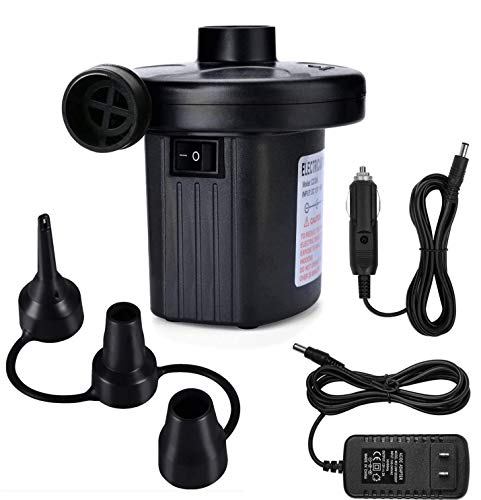
- VC Score8.8
BCP Score is a ranking system developed by bestcleanerproducts.com. BCP Score has no relationship or impact from any manufacturers or sales agent websites. Learn more
- BrandYoocylii
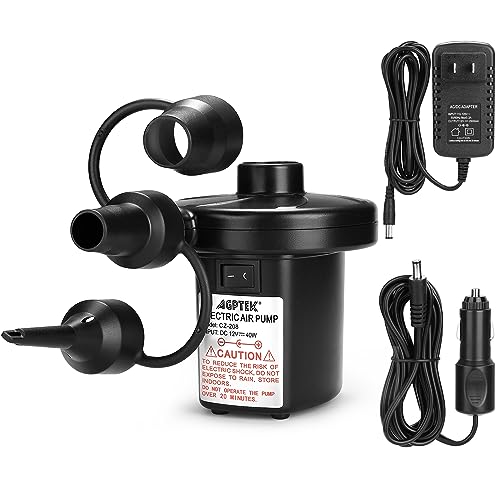
- VC Score8.8
BCP Score is a ranking system developed by bestcleanerproducts.com. BCP Score has no relationship or impact from any manufacturers or sales agent websites. Learn more
- BrandAGPTEK
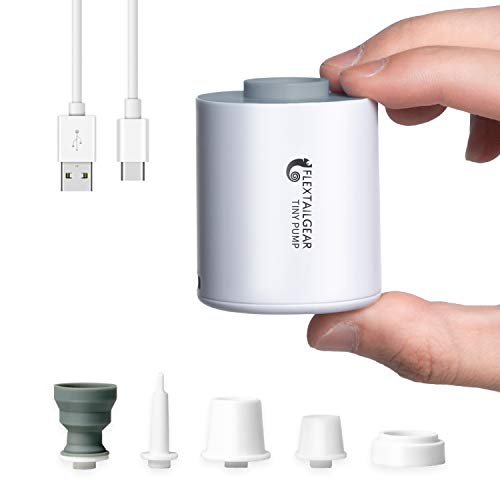
- VC Score8.8
BCP Score is a ranking system developed by bestcleanerproducts.com. BCP Score has no relationship or impact from any manufacturers or sales agent websites. Learn more
- BrandFLEXTAILGEAR

- VC Score8.6
BCP Score is a ranking system developed by bestcleanerproducts.com. BCP Score has no relationship or impact from any manufacturers or sales agent websites. Learn more
- BrandTECHSHARE

- VC Score8.6
BCP Score is a ranking system developed by bestcleanerproducts.com. BCP Score has no relationship or impact from any manufacturers or sales agent websites. Learn more
- BrandEddHomes

- VC Score8.2
BCP Score is a ranking system developed by bestcleanerproducts.com. BCP Score has no relationship or impact from any manufacturers or sales agent websites. Learn more
- Brandpoccen

- VC Score8.0
BCP Score is a ranking system developed by bestcleanerproducts.com. BCP Score has no relationship or impact from any manufacturers or sales agent websites. Learn more
- BrandSwimline

- VC Score7.8
BCP Score is a ranking system developed by bestcleanerproducts.com. BCP Score has no relationship or impact from any manufacturers or sales agent websites. Learn more
- BrandIn The Swim
Last update on 2026-10-08 / Affiliate links / Images, Product Titles, and Product Highlights from Amazon Product Advertising API
FAQs
Can you inflate a pool pillow with a leaf blower?
Yes, a leaf blower fills a winter pool pillow in less than a minute. Keep the blower on its lowest speed and hold the nozzle an inch away from the valve opening. Avoid pressing a gas leaf blower directly against the vinyl, because hot engine exhaust can soften or melt the plastic seams.
Why did my winter pool pillow go flat halfway through winter?
Pool pillows usually deflate because they were overfilled or developed a slow valve leak. When filled past eighty percent, expanding ice crushes the seams until they split under pressure. Cold air also contracts naturally, so a properly filled pillow will look slightly softer in freezing weather even without an air leak.
How many pool pillows do I need for an above-ground pool?
A single four-by-four-foot pillow works well for round pools up to twenty-four feet across. Larger oval pools or pools longer than twenty-four feet usually need a four-by-eight-foot pillow or two four-by-four cushions tied together. The goal is to cover the center third of the water surface to break up solid ice sheets.
Should I pull the tie-down ropes tight when centering the pillow?
No, tie-down ropes should always have noticeable slack. As rain and snow weigh down your pool cover, the pillow gets pushed deeper into the water. If the ropes are pulled tight, that downward pressure will rip the reinforced eyelet holes straight off the vinyl and set the pillow loose.


How to Refinish a Fiberglass Pool

How Do You Keep Raccoons Out of Your Pool?

How to Fix Cyanuric Acid in Your Pool

How to Shape a Pool Cue Tip to Stop Miscues

12 Best Automatic Vacuum For Intex Above Ground Pool of 2026 To Keep Vinyl Floors Spotless

10 Best Automatic Pool Vacuum For Above Ground Pool of 2026 To End Manual Scrubbing

How Much Pool Clarifier Should You Use for Your Pool Size?

How Much Does a Pebble Tec Pool Cost to Build or Resurface?


