
How to Get Rust Out of a Pool Without Draining It

Check the bottom of the pool right away to fish out any stray metal piece, like a hairpin or screw. Leaving that scrap behind keeps feeding the stain no matter how much brushing happens. Once the metal is gone, pressing vitamin C powder directly onto the mark will usually lift the rust within seconds. For broader stains caused by minerals in the water, adding a liquid metal remover binds the dissolved iron so the filter can clear it out.
The exact fix changes based on the pool surface and how the iron got into the water. Smooth vinyl liners and slick fiberglass shells scratch easily, so abrasive scrubbers must stay out of the water, whereas tough concrete plaster can handle slightly firmer cleaning. Single rust spots from dropped hardware also need different care than full-surface tinting from well water. Pinpointing where the metal came from keeps the pool lining safe while clearing the marks for good.
Finding the Source: Dropped Metal Objects Versus Water Contamination
Rust spots do not appear out of thin air. Iron must enter the pool water, settle against a surface, and react with oxygen and sanitizer to form reddish-brown iron oxide. Finding where that metal came from is your first move. The source determines how you clear the stain and stops the same mark from reappearing next week.
The most frequent cause of a sharp, dark rust mark is a stray piece of metal dropped onto the floor. A steel bobby pin, an ordinary hair clip, a deck screw from a nearby repair, or a child's toy can corrode in less than a day in chlorinated water. Lawn care accidents cause similar trouble. When a leaf blower sweeps across the patio, iron-rich fertilizer granules often blow into the pool. Each tiny pellet sinks to the floor and leaves a dark orange freckle within hours.
The second cause is dissolved iron inside the water itself. This happens often when pool owners fill their pools using private well water, or when municipal utility pipes leach iron into the local tap supply. Dissolved iron remains completely invisible in low amounts until you add pool sanitizer or allow your water pH to rise above 7.6. The sanitizer oxidizes the invisible metal, turning it into solid microscopic flakes that turn the pool tea-colored or coat steps and walls in an even yellow-brown film.
Before you use any chemical stain remover, retrieve any physical metal object sitting on the pool floor. If an iron nail or hairpin remains on the bottom, acid treatments will only dissolve the outer rust while the core keeps corroding. You can scoop the item out using a leaf net or a strong magnet wrapped inside a plastic sandwich bag. Never drag a bare metal magnet across a pool floor, because the sharp edges can scrape plaster or puncture vinyl. Once you lift the metal object out of the water, you can treat the remaining stain.
Spot-Treating Isolated Rust Spots and Protecting Pool Surfaces
Lifting a small rust mark does not require draining thousands of gallons of pool water. Rust bonds tightly to pool surfaces, but you can break that bond using ascorbic acid (vitamin C powder) or citric acid powder. These mild organic acids strip oxygen away from iron oxide, transforming hard, rusty crust into a clear, dissolved liquid that lifts cleanly off the surface.
You can spot-treat an isolated rust mark without disturbing your overall water chemistry by following these simple steps:
- Prepare your treatment: Take an old, clean white cotton sock and pour half a cup of ascorbic acid (vitamin C powder) or citric acid pool powder into the toe. Tie the sock closed with a rubber band or a piece of twine.
- Place the sock on the stain: Lower the sock into the water using your pool pole or by stepping into the pool. Press the sock directly against the rust mark and let it sit flat for two to five minutes.
- Use a pipe for deep water marks: If the rust spot sits on the floor of the deep end, hold a length of plastic pipe upright in the water. Rest the bottom of the pipe directly over the stain, hold the top opening above the waterline (the tile border where water meets the pool wall), and pour half a cup of loose acid powder down the tube. The powder drops straight onto the spot without scattering in the current.
- Brush the surface: Once the rust fades away, brush the area lightly with a nylon pool brush. Brushing disperses the leftover acid powder through the water so it does not settle into one concentrated pile.
Surface materials handle friction differently, so choose your physical tools with care:
- Concrete or gunite: Gunite (a concrete plaster pool finish) is tough and porous. For thick, older rust marks baked into concrete plaster or pebble aggregate, you can gently scrub the spot using a pumice stone attached to a telescoping pole. The soft volcanic stone wears down the stained mineral crust without harming the plaster underneath. Keep the stone wet at all times, and avoid bearing down with heavy force.
- Vinyl liners: Vinyl is smooth and relatively thin. Never touch a vinyl liner with a pumice stone, a stiff wire brush, or an abrasive scouring pad. A stone will instantly scratch the printed pattern, scuff the surface, or tear a hole straight through the liner. Treat vinyl liners strictly with chemical acid powders and soft nylon brushes.
- Fiberglass shells: Fiberglass pools use a glossy gel coat that prevents algae from anchoring. Pumice stones and metal bristle brushes will scratch this shiny barrier, leaving rough, dull spots that collect new stains. Stick entirely to chemical spot treatments and soft bristle brushes on fiberglass.
Clearing Whole-Pool Metal Stains and Preventing Their Return
If iron has coated your entire pool floor, steps, and walls in an even brown haze, spot-treating with a sock is impossible. Widespread staining means iron has precipitated out of the water across the entire pool basin. Clearing this widespread discoloration requires lifting the rust off all surfaces at once, followed by binding the metal so it cannot settle again.
This process uses bulk ascorbic acid combined with a sequestrant (a liquid metal remover that locks iron in solution). The liquid metal remover acts like a microscopic cage around dissolved iron molecules, keeping them floating in the water so they cannot turn into visible rust marks when exposed to sanitizer.
To clear widespread rust discoloration across your entire pool, follow these steps:
- Lower free chlorine: Allow your chlorine level to fall below 1 part per million before starting. High chlorine levels will consume your stain remover instantly, neutralizing the acid before it can lift the rust from the walls.
- Broadcast the acid powder: Turn on your pool circulation pump and spread ascorbic acid powder evenly around the perimeter of the pool. Most pools require one to two pounds of powder for every ten thousand gallons of water. You will see the brown discoloration fade as the water circulates over the next two hours.
- Add liquid metal remover: Pour a full dose of liquid metal remover into the pool. This step is essential because ascorbic acid only lifts the rust off the walls back into the water; it does not take iron out of the pool. The liquid metal remover binds to the newly freed iron so it cannot settle again.
- Run your filter continuously: Keep your circulation pump running for at least forty-eight hours to filter the water. If your system uses diatomaceous earth, knowing how to put DE in a pool filter properly ensures your filter grids collect fine particles without clogging the lines.
- Balance the water slowly: Add soda ash in small increments over several days to raise your pH back between 7.4 and 7.6. Once the pH is balanced, slowly restore your sanitizer level. Avoid using heavy chlorine shock immediately after treatment, because a sudden chemical spike can overwhelm the metal remover and bring the rust right back.
Once your pool surfaces look clean again, use this brief maintenance checklist to keep rust away:
- Attach a hose pre-filter to your garden hose whenever you add well water to the pool.
- Maintain your water pH between 7.4 and 7.6 to prevent metal corrosion and keep dissolved minerals stable.
- Add a monthly maintenance dose of liquid metal remover if your fill water contains natural iron.
- Sweep lawn clippings and fertilizer granules away from the pool edge after yard work.
- Maintain steady daily pump run times to circulate the water, and follow routine guidance on how to get pool water crystal clear all season.
Choosing the Right Rust Removers and Cleaning Tools
Managing pool rust in 2026 comes down to matching your cleaning products to your pool surface and the type of stain you have. Using the wrong product can waste money or damage your finish, so look for a few essential qualities before buying any treatment.
For spot treatments and localized marks, look for pure granular ascorbic acid or citrus-based powders packaged specifically for swimming pools. Check that the product comes in a tightly sealed container, because powdered acids absorb humidity from the air and clump together quickly. If you have deep spots on your pool floor, look for a spot-treatment applicator tube that connects to a standard pool pole so you can drop powder onto the stain without getting wet.
For widespread discoloration or well water maintenance, select a concentrated liquid metal remover. Look for broad-spectrum formulas that explicitly target iron, copper, and manganese. Verify whether the product requires chlorine reduction before application, and choose a formula that remains stable under normal pool water temperatures.
For physical scrubbing tools, check your surface compatibility before purchasing. If you own a concrete plaster pool, look for a pumice stone attachment with a quick-release handle designed to snap onto standard 1-1/4 inch poles. If you have a vinyl liner or fiberglass shell, skip abrasive stones entirely and choose soft nylon bristle brushes or non-scratch scrubbing pads designed for delicate pool finishes.

- VC Score9.2
BCP Score is a ranking system developed by bestcleanerproducts.com. BCP Score has no relationship or impact from any manufacturers or sales agent websites. Learn more
- BrandOh Yuk

- VC Score9.2
BCP Score is a ranking system developed by bestcleanerproducts.com. BCP Score has no relationship or impact from any manufacturers or sales agent websites. Learn more
- BrandGLB

- VC Score8.6
BCP Score is a ranking system developed by bestcleanerproducts.com. BCP Score has no relationship or impact from any manufacturers or sales agent websites. Learn more
- BrandPool Mate

- VC Score8.6
BCP Score is a ranking system developed by bestcleanerproducts.com. BCP Score has no relationship or impact from any manufacturers or sales agent websites. Learn more
- BrandRobelle
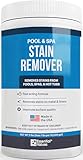
- VC Score8.2
BCP Score is a ranking system developed by bestcleanerproducts.com. BCP Score has no relationship or impact from any manufacturers or sales agent websites. Learn more
- BrandEssential Values

- VC Score8.2
BCP Score is a ranking system developed by bestcleanerproducts.com. BCP Score has no relationship or impact from any manufacturers or sales agent websites. Learn more
- BrandIn The Swim

- VC Score8.2
BCP Score is a ranking system developed by bestcleanerproducts.com. BCP Score has no relationship or impact from any manufacturers or sales agent websites. Learn more
- BrandIn The Swim

- VC Score8.0
BCP Score is a ranking system developed by bestcleanerproducts.com. BCP Score has no relationship or impact from any manufacturers or sales agent websites. Learn more
- BrandBosh Chemical
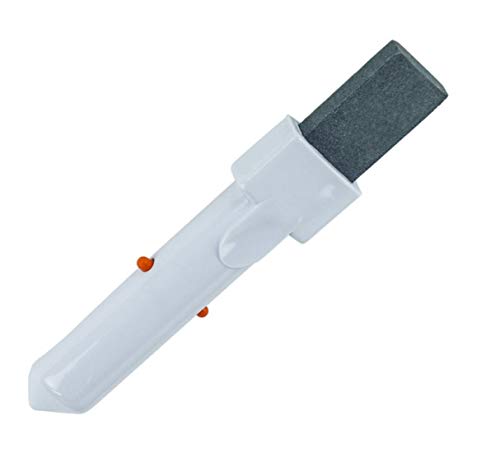
- VC Score8.0
BCP Score is a ranking system developed by bestcleanerproducts.com. BCP Score has no relationship or impact from any manufacturers or sales agent websites. Learn more
- BrandPool Supply Town

- VC Score7.0
BCP Score is a ranking system developed by bestcleanerproducts.com. BCP Score has no relationship or impact from any manufacturers or sales agent websites. Learn more
- BrandPurity Pool
Last update on 2026-10-08 / Affiliate links / Images, Product Titles, and Product Highlights from Amazon Product Advertising API
FAQs
Can I use chlorine shock to get rid of a pool rust stain?
No, chlorine shock will make a rust stain worse instead of clearing it. Chlorine is a powerful oxidizer, which means it reacts with iron and turns it into dark, insoluble rust. Adding shock to water that contains dissolved iron often causes the entire pool to turn brown, yellow, or murky green within hours.
Will a robotic pool cleaner or suction vacuum pick up rust?
A robotic cleaner (a self-powered unit with its own internal debris basket) or suction-side cleaner (attaches to your pool skimmer or dedicated vacuum port and uses your pool pump's suction) cannot pick up a set-in rust stain. Rust is a chemical bond on your pool finish, not loose dirt sitting on top of it. You must dissolve the stain chemically with an acid before a vacuum or filter can capture the lifted particles.
How long does it take for vitamin C to lift a rust spot?
Ascorbic acid powder usually begins dissolving rust in less than sixty seconds once it touches the stain. Older marks that have soaked deep into concrete plaster might need three to five minutes of direct contact to lift completely. If a faint shadow remains afterward, brushing the spot with a nylon brush or applying a second small dose will usually erase it.


How to Refinish a Fiberglass Pool

How Do You Keep Raccoons Out of Your Pool?

How to Fix Cyanuric Acid in Your Pool

How to Shape a Pool Cue Tip to Stop Miscues

12 Best Automatic Vacuum For Intex Above Ground Pool of 2026 To Keep Vinyl Floors Spotless

10 Best Automatic Pool Vacuum For Above Ground Pool of 2026 To End Manual Scrubbing

How Much Pool Clarifier Should You Use for Your Pool Size?

How Much Does a Pebble Tec Pool Cost to Build or Resurface?


